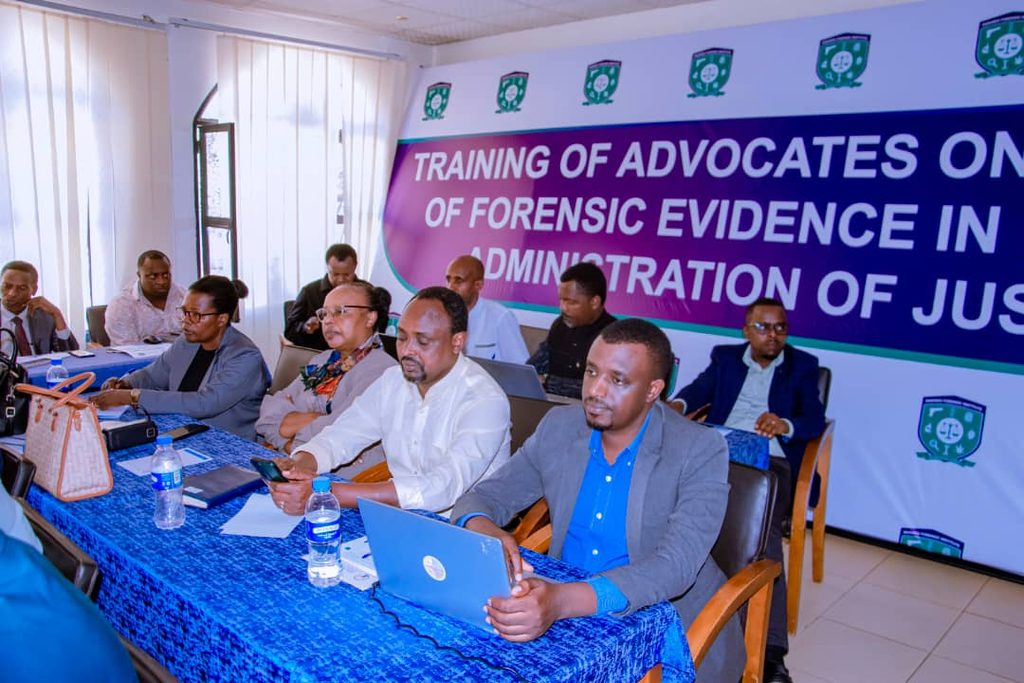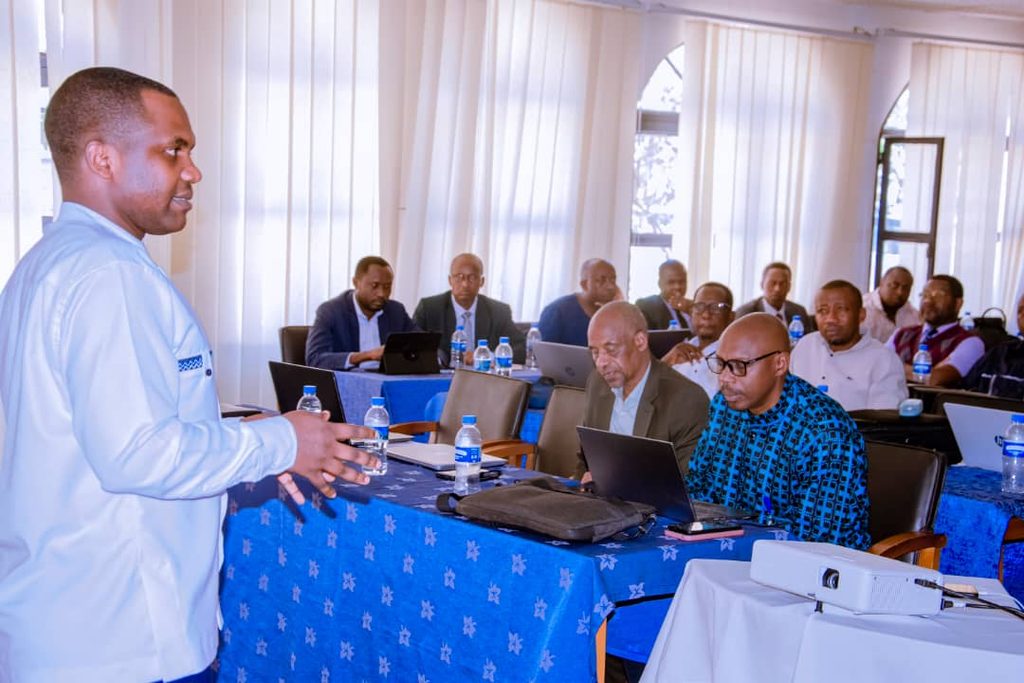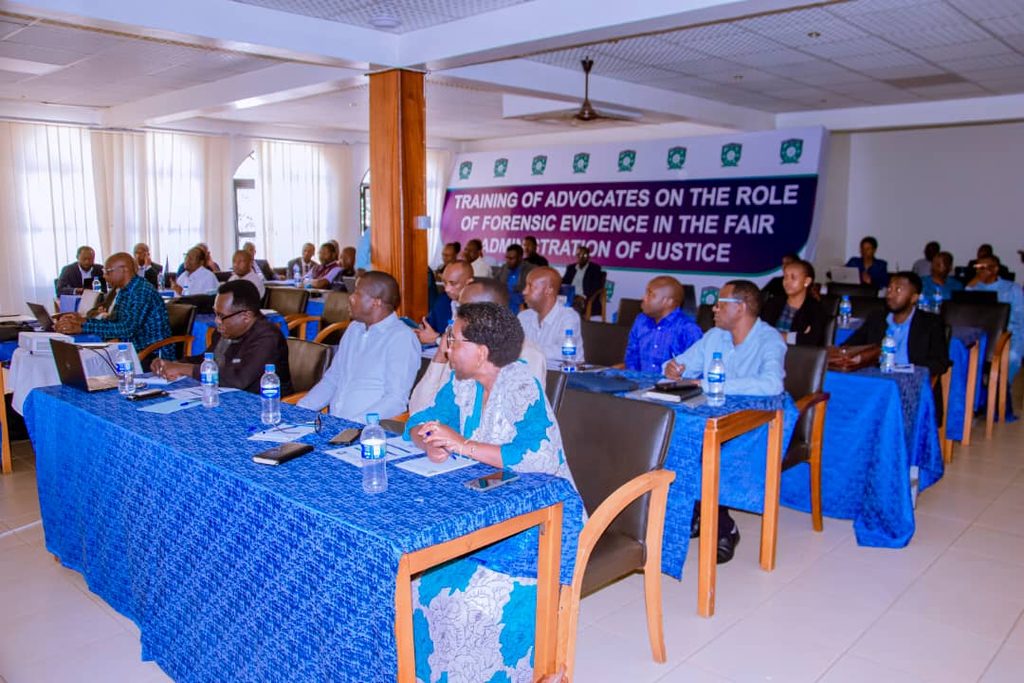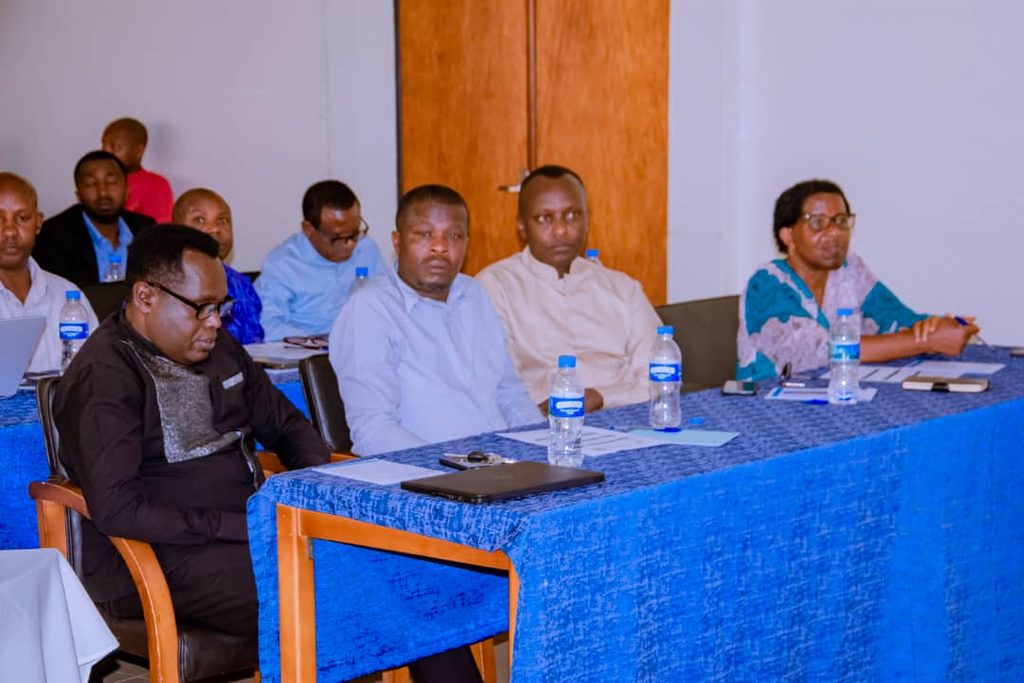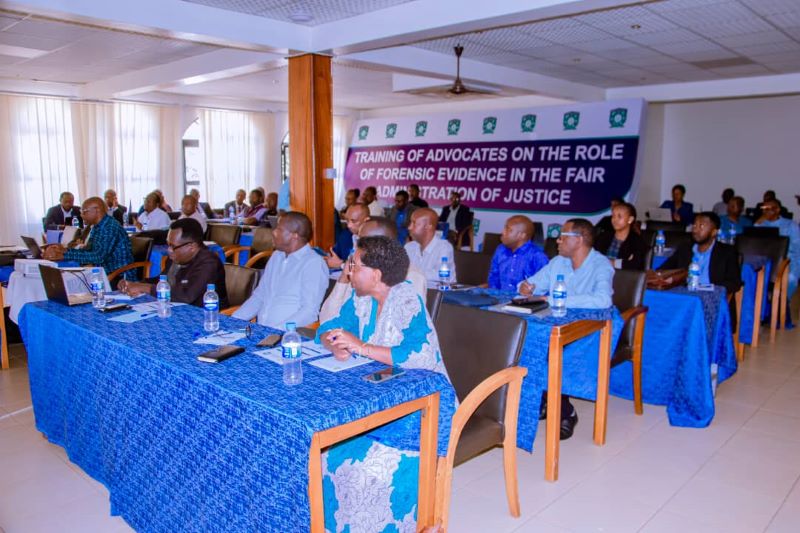
Rwanda is stepping up efforts to strengthen the use of scientific evidence in the justice system, with the Rwanda Forensic Institute (RFI) training lawyers in Huye District on forensic services and how scientific evidence can help establish facts in court.
The one-day training brought together lawyers practicing in Huye and focused on the range of services provided by RFI, how to request forensic examinations, the time required to produce reports and how lawyers can interpret forensic findings when representing their clients.
The initiative comes as Rwanda seeks to expand access to forensic services beyond Kigali, a move RFI says could help speed up investigations and strengthen evidence-based justice.
Dr Lt Col Charles Karangwa, Director General of RFI, said the decentralization of forensic services is expected to play an important role in improving the speed and quality of investigations.
Under the Government’s five-year programme, RFI plans to establish branches in different parts of the country so that citizens and institutions outside Kigali can access forensic services more easily. He cited the examination of bodies as an example, explaining that delays in transporting a body to Kigali can affect the quality of evidence available to investigators.
“When forensic services are closer to communities, evidence can be examined earlier, allowing justice institutions to obtain reliable information within a shorter period,” he said.
The expansion is expected to reduce delays in forensic examinations while making scientific evidence more accessible to investigators, lawyers, courts and members of the public.
Lawyers urged to put forensic evidence to greater use
RFI also urged lawyers to become more familiar with forensic services and to consider them more often when handling cases involving evidence that requires scientific analysis.
Dr. Karangwa said lawyers should not wait until a case reaches an advanced stage before considering whether expert forensic evidence could strengthen their arguments.
“When defending Rwandans and encountering a serious issue, lawyers should consider asking the court for a forensic expert’s report to help collect, refine and properly analyse evidence,” he said.
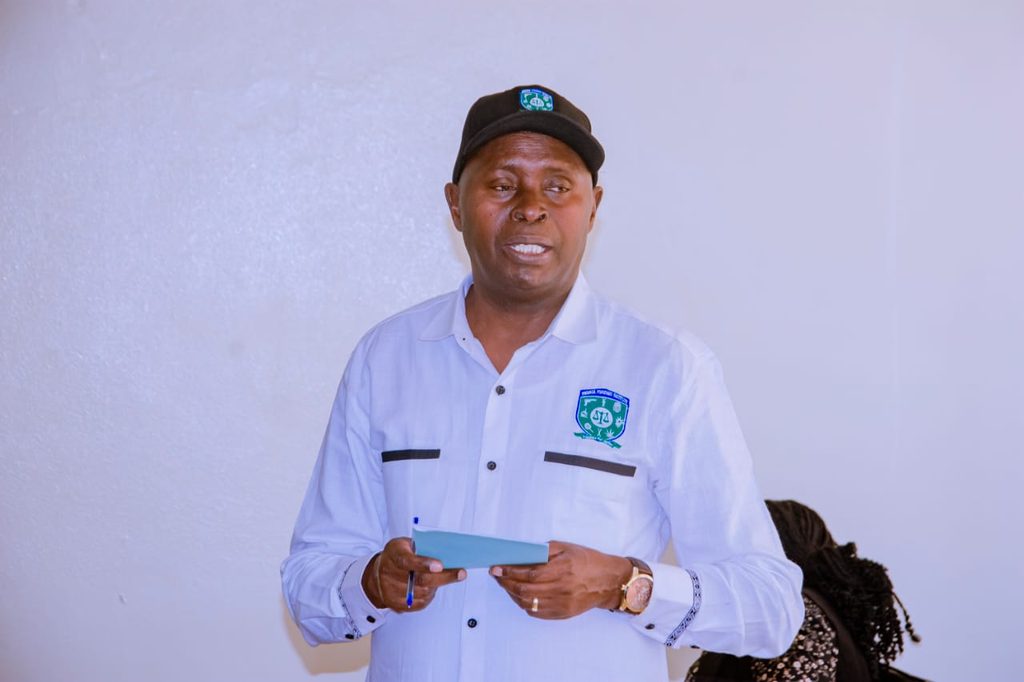
RFI believes greater awareness among lawyers could lead to more effective use of forensic evidence in court and reduce misunderstandings about what forensic reports can establish.
A key part of the training was helping lawyers distinguish between Clinical Medical Reports and Forensic Medical Reports, which may both be used in legal proceedings but are prepared for different purposes.
A Clinical Medical Report is normally prepared by a doctor who has treated or examined a patient. It describes the patient’s medical condition, diagnosis, treatment or injuries.
A Forensic Medical Report is prepared to address questions relevant to an investigation. It can help determine the nature and possible cause of an injury, whether injuries are consistent with an assault or whether a particular object may have caused them. In cases involving death, forensic examination can also help determine the possible cause of death and establish whether substances such as poison may have contributed to it.
Me Bonaventure Habimana, one of the participants, said they were introduced to DNA testing, the identification and preservation of evidence, laboratory analysis and the procedures used to produce forensic findings.
They also learned how fingerprints and other forms of forensic evidence can help establish a person’s identity, as well as how improper handling of evidence can damage its reliability.
“As lawyers, this training was very helpful because we learned about many services available at Rwanda Forensic Institute that we had not previously known about,” He said.
He added that he had not previously understood that lawyers could directly seek forensic services when needed.
The training also clarified that RFI services are not exclusively reserved for criminal investigations and that citizens can seek certain services even when their cases are not directly related to a crime. Habimana called for such training programs to be conducted regularly to strengthen lawyers’ ability to identify situations where forensic evidence could be useful.
A DNA test for a Rwandan currently costs Rwf89,010, while a foreign national seeking the same service pays six times the amount charged to a Rwandan. The pricing policy is intended to improve access to forensic services while ensuring that scientific evidence can support decision-making by courts, investigators and other institutions.
RFI considers forensic science an increasingly important component of Rwanda’s justice system, particularly in cases where scientific analysis can help establish facts that may not be determined through witness testimony alone. According to RFI, the reliability of forensic results can reach 99.9 percent, depending on the type of examination and the procedures used.
The institute says expanding its services across the country, strengthening cooperation with lawyers and increasing public awareness will help ensure that forensic evidence is collected, preserved and interpreted appropriately. For Rwanda, the broader goal is clear: bringing forensic science closer to the people could mean faster investigations, stronger evidence and a justice system better equipped to establish the truth through science.