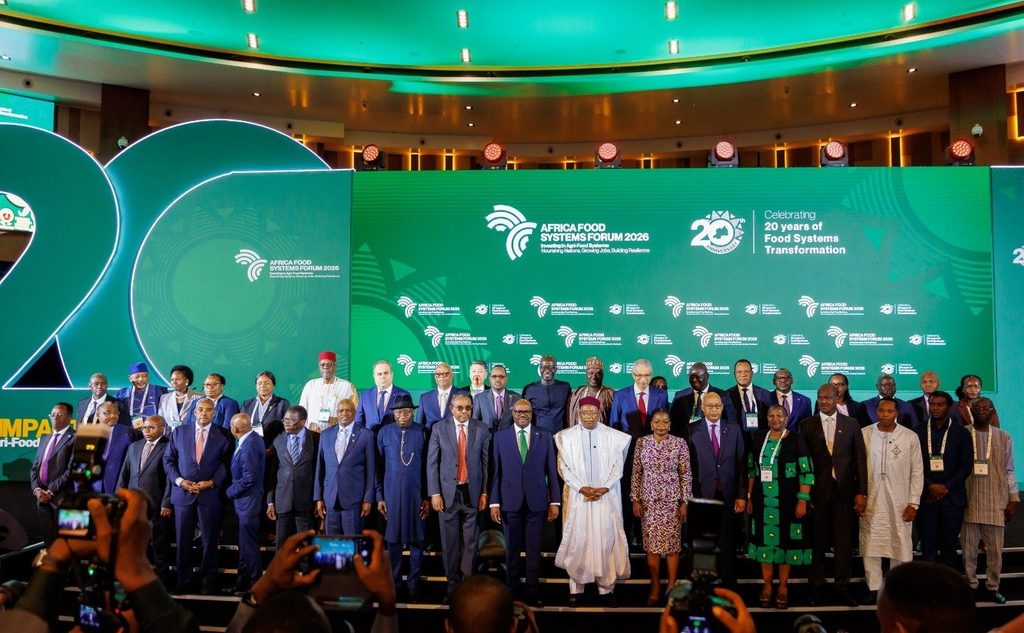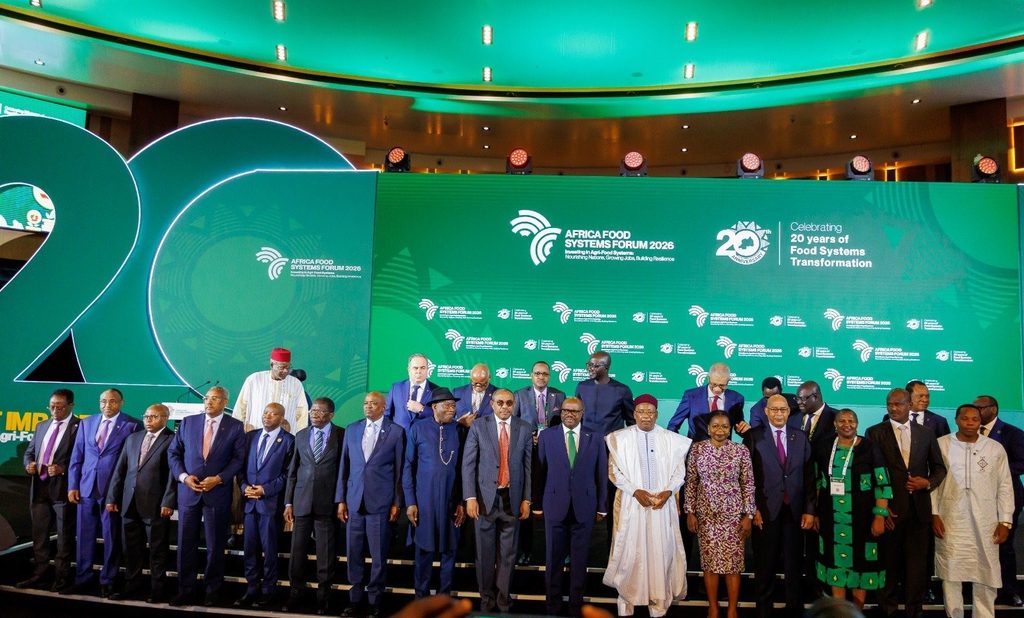
Africa’s food transformation will depend on unlocking more private investment in agriculture, experts and policymakers said as the Africa Food Systems Forum 2026 takes place in Kigali.
Prime Minister Justin Nsengiyumva attended the 20th edition of the forum and officially opened the gathering, which brings together African and global leaders, investors, policymakers, farmers, researchers and young innovators to discuss investment in Agri-food systems.
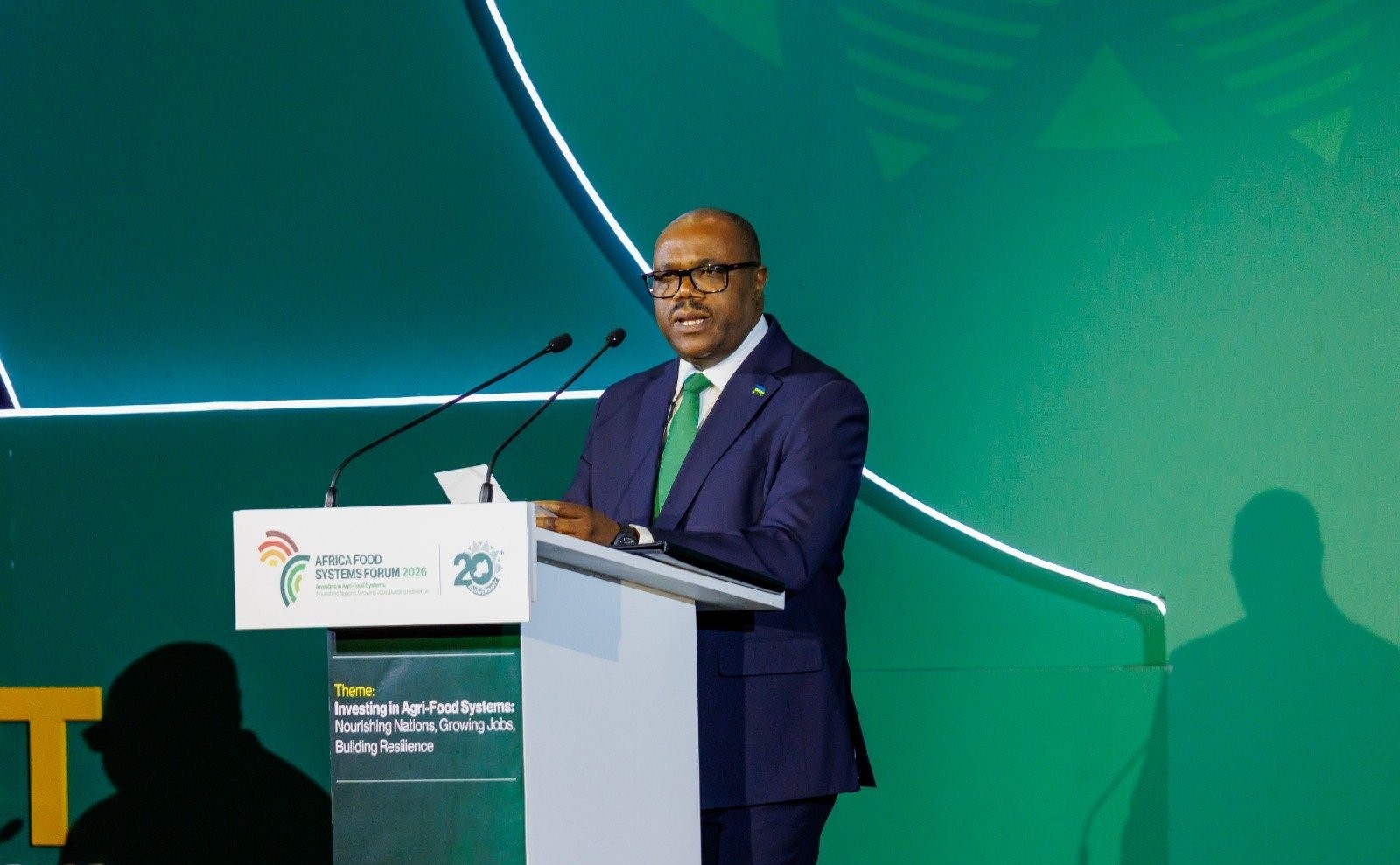
The forum eld under the theme “Investing in Africa’s Agri-Food Systems: Nourishing Nations, Growing Jobs, Building Resilience,” the forum is focusing on investment, food security, jobs and resilience.
FAO Chief Economist Dr. Máximo Torero Cullen said governments and development institutions must reduce risks that discourage private investors.
“It is important to take into account both financial and information de-risking to accelerate complementarities of public and private investments in agrifood systems transformation,” Torero said.
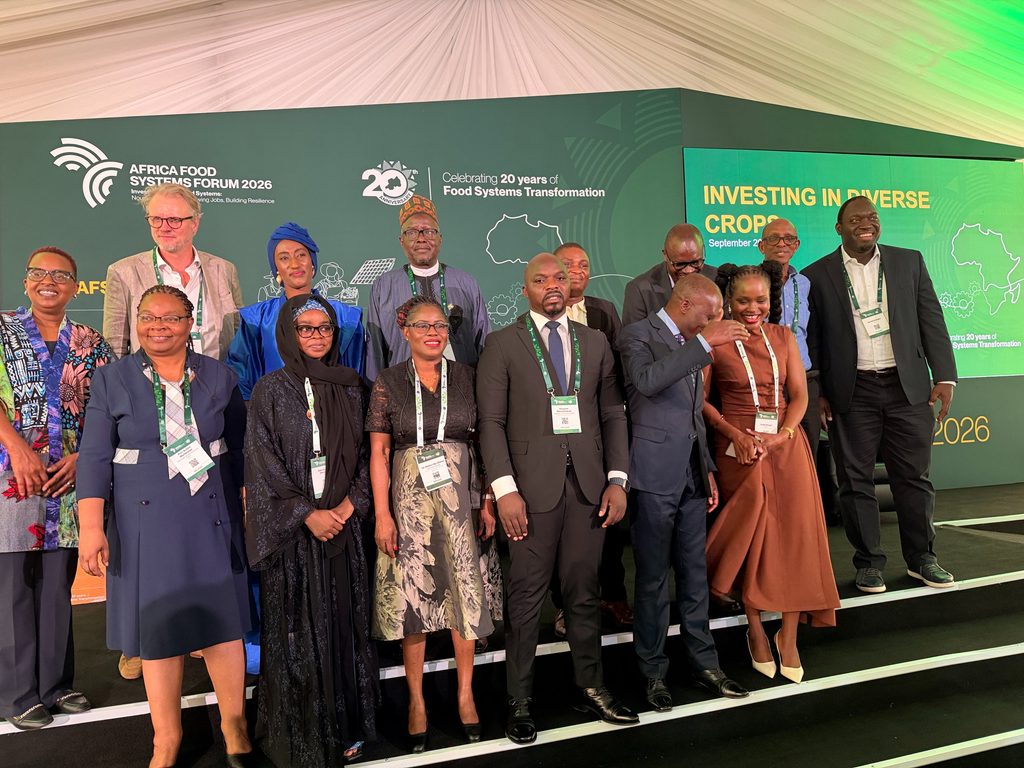
The Forum’s programme includes sessions on unlocking finance, mobilizing domestic capital, and investing in women- and youth-led agrifood businesses.
Agricultural businesses often struggle to secure finance because of weather shocks, volatile prices, weak infrastructure and limited market access. Blended finance and de-risking mechanisms are increasingly being promoted to bring public and private capital together.
The AFSF programme also includes investment “Deal Rooms” where countries, companies and SMEs can present opportunities to investors.
For Rwanda, hosting the Forum provides an opportunity to position agriculture as an investment sector and attract capital into food-related industries.
The country has also used the gathering to highlight opportunities across the agricultural value chain, from production and processing to logistics, storage and food manufacturing. Such investments could help create jobs while strengthening domestic food supply and reducing losses between farms and markets.
Across the continent, agriculture remains a major source of employment and livelihoods, yet many producers and agribusinesses continue to operate below their potential because they lack affordable and long-term financing.
The financing gap is particularly significant for smallholder farmers, women and young entrepreneurs, who can face additional barriers when seeking loans or investment. Expanding access to suitable financial products could allow more businesses to invest in equipment, irrigation, technology, and processing and market expansion.
Speakers at the Forum are also examining how governments can create conditions that make agricultural investment more attractive. Better infrastructure, reliable market information, stronger value chains and policies that reduce uncertainty can help lower the risks faced by investors.
The key test, however, will be whether discussions translate into financing for farmers, entrepreneurs and businesses. For Africa, the challenge is turning its agricultural potential into bankable businesses, productive farms and resilient food systems.