When people hear about air pollution, what usually comes to mind are common sources like vehicles (cars and motorcycles), factories, charcoal burning, and cooking with firewood, among others.
However, beyond these well-known sources, even cooling appliances such as air conditioners and refrigerators also contribute to air pollution through the gases they use.
The Rwanda Environment Management Authority (REMA) is urging Rwandans to be aware that these cooling appliances use gases that can harm the environment. People are encouraged to regularly check these appliances to ensure that the gases inside have not leaked, because any time these gases are released, they damage the atmosphere.
Aline Uwasempabuka, a Marine Senior Engineering Inspector at REMA, explains that some of the gases used in these appliances are harmful to the environment.
“Some of the gases used in these appliances damage the environment not all of them but fortunately, most of the fridges currently being imported into the country are using approved gases, as awareness has increased. However, there are still older appliances that contain banned gases. Rwandans need to understand that when buying a fridge or air conditioner, they should ask whether the gas it uses is environmentally safe. They can ask a technician for help.” She speaks.
“We have technicians who help us in homes. When one comes to repair your fridge, you should ask: if they say the gas is missing, where did it go? The only place it can go is into the air we breathe, where it harms our skin, respiratory system, and more.” She adds.
“It’s important that Rwandans understand that these cooling appliances use gases, and some of them are harmful. We must be vigilant, because normally the gas is tightly sealed and is supposed to last until the appliance reaches the end of its life. Ideally, a fridge that has never even been used should not break down while still new.” She stated.

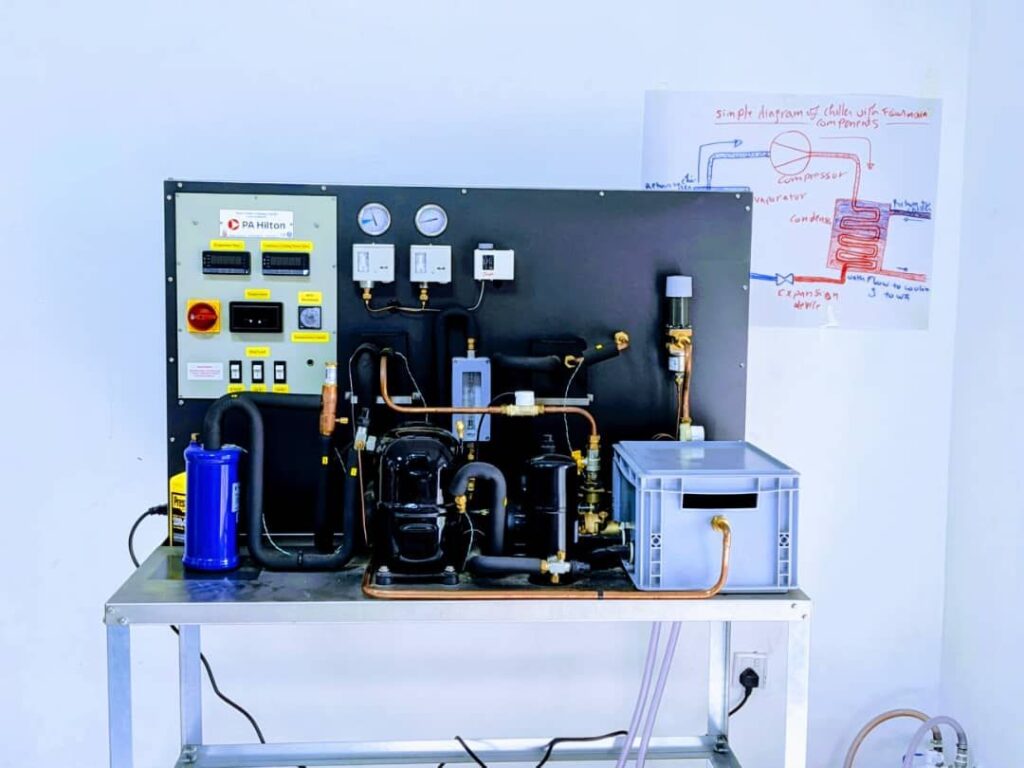
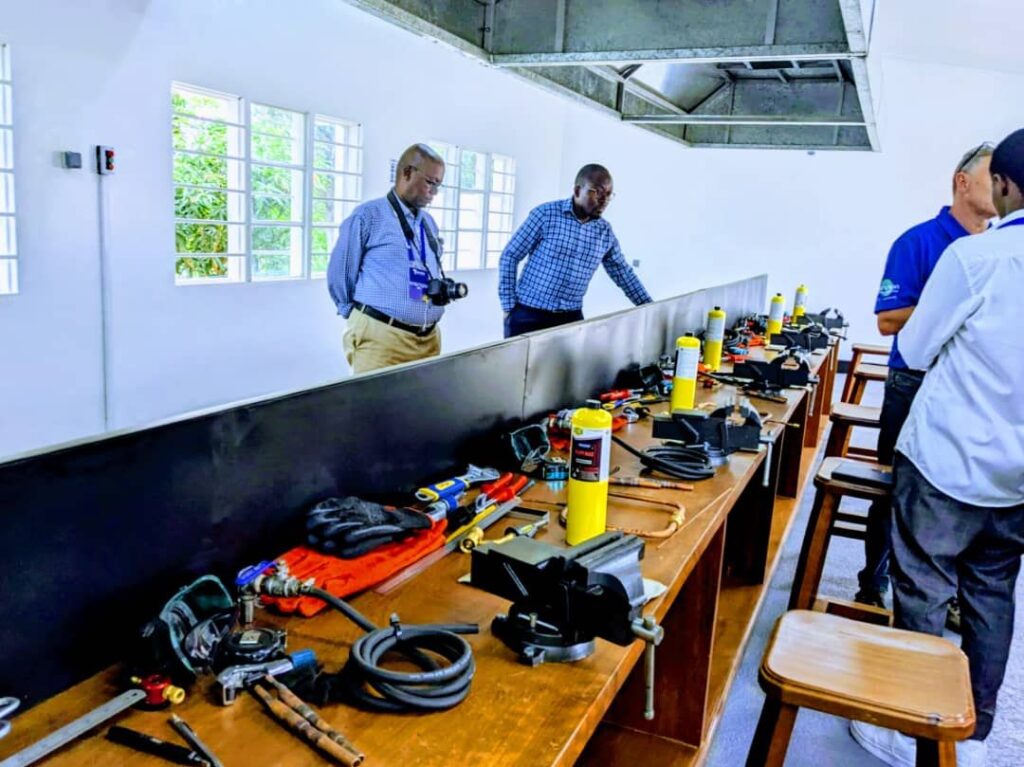
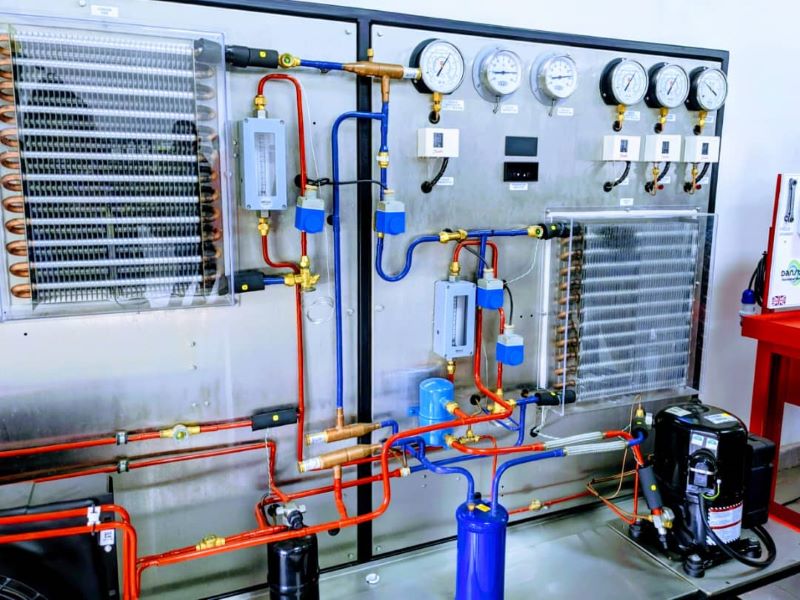
Basile Seburikoko, Technical Director at the Africa Centre of Excellence for Sustainable Cooling and Cold Chain (ACES), says they have started bringing in equipment that will help test the quality of cooling appliances.
“There are many reasons why these gases might leak. One is that the appliances themselves may not meet quality standards, meaning they don’t deliver what they are supposed to.” He highlights.

To address this issue, REMA has established a dedicated department to inspect all cooling appliances entering the country, to ensure they meet required environmental standards.
As part of Rwanda’s second National Strategy for Transformation (NST2), 2024–2029, the country aims to reduce air-polluting emissions by at least 38%.
This target is set one year earlier than originally planned. In May 2020, the Ministry of Environment had announced that this 38% reduction would amount to 4.6 million tons of carbon dioxide (CO₂) to be cut by 2030.
This aligns with Rwanda’s commitments under the Paris Agreement, which aims to combat climate change and promote environmentally sustainable economic growth.
The Paris Agreement was adopted in December 2015, and Rwanda signed it in September 2016. Its main goal is to reduce greenhouse gas emissions so that global warming remains below 2°C, with efforts to keep it below 1.5°C.
However, concerns remain high as many countries have failed to meet their emission reduction targets, leading to continued global temperature increases.
For example, global temperature records show that 2023 was the hottest year on record since 1850, with the average global temperature reaching 1.45°C above pre-industrial levels.