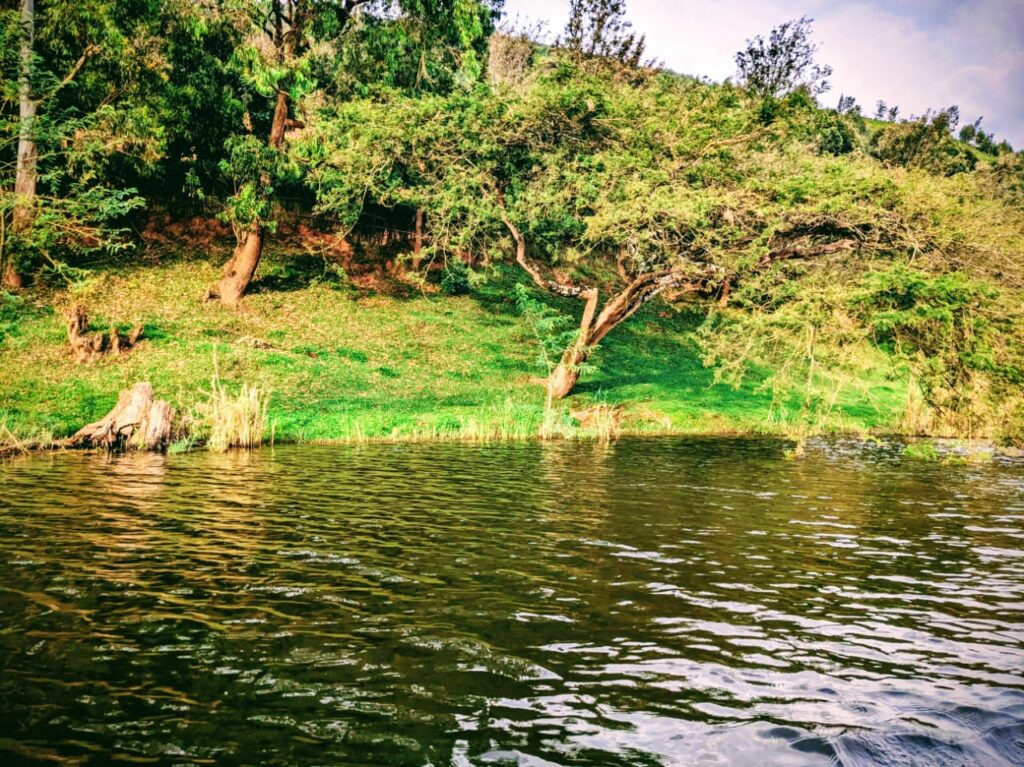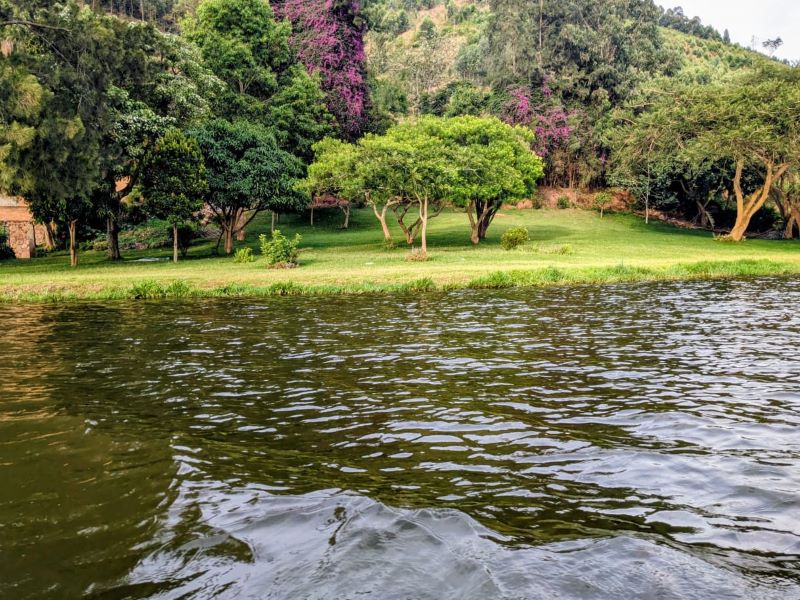
Standing beside a clean, tranquil lake surrounded by thriving trees and lush vegetation, one is reminded that water is more than a scenic feature of the landscape it is the foundation of life itself. Every healthy ecosystem, prosperous community, and growing economy depends on the availability of clean and sustainable water resources. Yet, despite its immense value, water remains one of the world’s most threatened natural resources due to pollution, climate change, deforestation, and unsustainable human activities. Protecting water is therefore not only an environmental responsibility but also an economic, social, and moral obligation.
Water sustains every form of life on Earth. It supports biodiversity by providing habitats for aquatic plants and animals while nourishing forests, wetlands, and agricultural lands. Healthy water bodies regulate local climates, recharge groundwater, and maintain ecological balance. The green vegetation surrounding rivers and lakes acts as a natural filter, preventing soil erosion and reducing the amount of pollutants that enter the water. When these ecosystems are protected, they continue to provide clean water, fertile soils, and resilience against environmental disasters such as floods and droughts.
However, increasing human activities are placing unprecedented pressure on freshwater resources. Industrial waste, agricultural chemicals, untreated sewage, and plastic pollution contaminate rivers and lakes, making them unsafe for both wildlife and human consumption. Rapid urbanization and deforestation further accelerate soil erosion, reduce water quality, and diminish the natural capacity of ecosystems to regulate water cycles. Climate change compounds these challenges by altering rainfall patterns, increasing evaporation, and intensifying extreme weather events, leading to more frequent water shortages and floods.
The consequences of water degradation extend far beyond environmental damage. Communities that rely on clean water for drinking, sanitation, agriculture, fisheries, and tourism face serious economic and public health challenges when water resources become polluted or depleted. Waterborne diseases increase, agricultural productivity declines, biodiversity is lost, and livelihoods are threatened. In many parts of the world, competition over limited water resources has also become a source of social and political tension.
Protecting water resources requires collective action at every level of society. Governments must strengthen environmental policies, enforce pollution control regulations, and invest in sustainable water management systems. Industries should adopt cleaner production methods and ensure that wastewater is properly treated before being discharged into the environment. Farmers can reduce chemical runoff by embracing climate-smart and environmentally friendly agricultural practices. Meanwhile, individuals can contribute by conserving water, reducing plastic waste, planting trees, and participating in community initiatives to protect rivers, lakes, and wetlands.
Education also plays a critical role in water conservation. When people understand the importance of protecting water resources, they are more likely to adopt responsible behaviors and support policies that promote sustainability. Schools, universities, community organizations, and the media all have a responsibility to raise awareness about the value of water and the consequences of environmental degradation.
The peaceful landscape of a healthy lake bordered by thriving vegetation symbolizes what is possible when nature is protected. Such environments provide not only ecological benefits but also opportunities for recreation, tourism, scientific research, and cultural enrichment. Preserving these natural resources is an investment in sustainable development, economic prosperity, and the well-being of future generations.
Water is a finite resource with infinite value. Every drop conserved, every river protected, and every ecosystem restored contributes to a healthier planet. As the global demand for freshwater continues to rise, protecting water can no longer be viewed as an optional environmental initiative it is a necessity for human survival and sustainable development. The choices made today will determine whether future generations inherit clean, abundant water resources or face a future defined by scarcity and environmental decline. The responsibility belongs to all of us, and the time to act is now.