


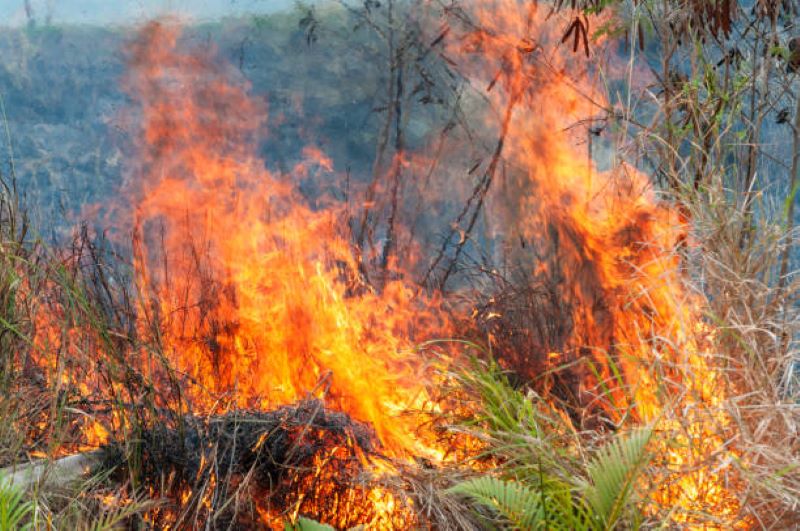
As the dry season approaches in many parts of Africa, the sight of smoke rising from hillsides, forests, and farmlands becomes increasingly common. For generations, many communities have relied on burning bushes to clear land for cultivation, stimulate the growth of fresh pasture for livestock, eliminate weeds, or simplify farm preparation. While the practice is often considered quick and inexpensive, scientists and environmentalists warn that its long-term consequences are far costlier than the short-term benefits it provides.
The environment functions as an interconnected system in which plants, animals, soil, water, and climate depend on one another for survival. Bushes and shrubs are more than unwanted vegetation; they provide shelter and food for countless species of wildlife, protect the soil from erosion, store carbon, regulate temperatures, and help maintain healthy ecosystems. Every time these natural habitats are destroyed by fire, nature loses an important layer of protection.
One of the most immediate consequences of bush burning is the destruction of biodiversity. Many animals, including birds, insects, reptiles, amphibians, and small mammals, depend on bushes and grasslands for breeding, nesting, and protection from predators. While larger animals may escape approaching flames, countless smaller species are trapped by rapidly spreading fires. The destruction of their habitats disrupts food chains and weakens ecosystems that have taken decades, and sometimes centuries, to develop.
Pollinating insects such as bees and butterflies are among the silent victims of bush fires. These species play an essential role in food production by pollinating crops and wild plants. Their decline affects agricultural productivity and threatens food security, particularly in communities that rely heavily on farming for their livelihoods. What begins as an attempt to prepare land for cultivation can ultimately reduce the very harvests farmers hope to improve.
Bush burning also leaves behind lasting scars on the soil. Healthy soil contains organic matter, nutrients, earthworms, fungi, and beneficial microorganisms that support plant growth. The intense heat generated by fire destroys much of this biological life and burns away valuable organic material that naturally enriches the land. Once vegetation is removed, fertile topsoil is exposed to heavy rains and strong winds, making it vulnerable to erosion. Over time, the land becomes less productive, forcing farmers to use larger quantities of fertilizers or clear new areas of vegetation, creating a destructive cycle of environmental degradation.
The smoke produced by bush fires poses another serious concern. It contains harmful pollutants, including fine particulate matter and toxic gases that affect air quality and human health. People living near burning areas often experience eye irritation, persistent coughing, breathing difficulties, and aggravated respiratory illnesses such as asthma and bronchitis. Children, older adults, and individuals with existing health conditions are particularly vulnerable to the effects of prolonged exposure to smoke.
Beyond local pollution, bush burning contributes significantly to global climate change. Trees, shrubs, and grasses naturally absorb carbon dioxide from the atmosphere, helping regulate Earth’s climate. When vegetation is burned, the carbon stored in plants is released back into the atmosphere as greenhouse gases, including carbon dioxide, methane, and nitrous oxide. These emissions trap heat within the atmosphere, intensifying global warming and contributing to increasingly unpredictable weather patterns.
Across Africa, communities are already experiencing the effects of climate change through prolonged droughts, irregular rainfall, devastating floods, and rising temperatures. Ironically, practices intended to improve agricultural production are making farming more difficult by accelerating environmental changes that threaten food production itself.
Water resources also suffer when natural vegetation disappears. Bushes and grasses slow down rainwater, allowing it to seep into the soil and replenish underground water reserves. Their roots stabilize the land and reduce erosion, while vegetation helps filter water before it reaches rivers, lakes, and wetlands. When bushes are burned, rainfall washes loose soil into water bodies, increasing sedimentation and reducing water quality. The result is declining freshwater resources that affect households, livestock, agriculture, and aquatic ecosystems.
Another danger lies in the unpredictable nature of fire itself. What begins as a controlled burn can quickly become an uncontrollable wildfire when driven by strong winds or extremely dry conditions. Such fires frequently spread into forests, protected areas, farms, and nearby settlements, destroying crops, wildlife habitats, infrastructure, and sometimes even claiming human lives. Governments and communities spend substantial resources each year responding to fires that could have been prevented.
The economic costs of bush burning extend well beyond environmental damage. Reduced soil fertility lowers crop yields, forcing farmers to invest more in fertilizers and land restoration. Forest products such as medicinal plants, honey, fruits, and firewood become increasingly scarce. Tourism also suffers when natural landscapes and wildlife habitats are destroyed, reducing opportunities for communities that depend on ecotourism and conservation-related activities.
Despite these challenges, sustainable alternatives are readily available. Farmers can clear land mechanically, use crop residues for compost or mulch, adopt conservation agriculture, integrate trees into farming systems through agroforestry, and practice controlled grazing to manage vegetation naturally. These approaches improve soil health, conserve moisture, enhance biodiversity, and increase resilience to climate change while maintaining agricultural productivity.
Protecting the environment is not solely the responsibility of governments or environmental organizations. Every individual has a role to play in safeguarding natural resources. Community education, stronger enforcement of environmental regulations, and increased investment in sustainable farming practices can significantly reduce unnecessary bush burning. Schools, local leaders, civil society organizations, and the media all have an important part to play in raising awareness about the hidden costs of uncontrolled fires.
As the world confronts the growing challenges of climate change, biodiversity loss, and environmental degradation, preserving natural vegetation has never been more important. Every bush left standing contributes to cleaner air, healthier soils, richer biodiversity, safer water supplies, and a more stable climate. The choice to abandon harmful burning practices in favor of sustainable land management is not simply an environmental decision it is an investment in healthier communities, stronger economies, and a more secure future.
The flames of a bush fire may disappear within hours, but the damage they inflict can linger for generations. Protecting nature today is one of the most meaningful actions society can take to ensure that future generations inherit a world capable of sustaining life in all its diversity.