


The campaign seeks to expose the hidden human cost behind online scams and remind the world that many individuals operating in fraudulent call centers and cybercrime compounds are victims of human trafficking rather than willing criminals.
Human trafficking remains one of the most profitable criminal enterprises globally, generating billions of dollars annually while destroying millions of lives. According to the UNODC Global Report on Trafficking in Persons 2024, the number of detected trafficking victims increased by 25% in 2022 compared to 2019, signaling that the crime continues to expand despite global efforts to combat it. The report also found that forced labour cases increased by 47 %, while the number of child victims rose by 31%, including a 38 % increase among girls.
Children remain among the most vulnerable victims. UNODC estimates that one in every three detected victims of human trafficking is a child, many of whom are exploited through forced labour, sexual exploitation, forced marriage, criminal activities, or armed conflict. Poverty, unemployment, conflict, displacement, climate change, and limited educational opportunities continue to increase the vulnerability of millions of people worldwide.
The emergence of online scam compounds has added a dangerous new dimension to human trafficking. Criminal syndicates increasingly recruit educated young people through fake employment advertisements posted on social media, messaging platforms, and fraudulent recruitment websites. Victims are promised attractive salaries, accommodation, and opportunities abroad. Upon arrival, however, they often have their passports confiscated, are subjected to violence and intimidation, and are forced to participate in online investment scams, romance scams, cryptocurrency fraud, and other cybercrimes.
According to the International Organization for Migration (IOM), victims from more than 80 countries have been trafficked into scam compounds, primarily in Southeast Asia. Since 2022, the IOM has assisted more than 3,500 victims of trafficking linked to forced criminality, while acknowledging that thousands more remain trapped and unidentified.
The United Nations estimates that hundreds of thousands of people are currently working inside scam compounds across Myanmar, Cambodia, and Laos, many of them victims of trafficking. These criminal operations generate enormous illicit profits while causing devastating human suffering. In East and Southeast Asia alone, online scam operations are estimated to have caused between US$18 billion and US$37 billion in financial losses in a single year.
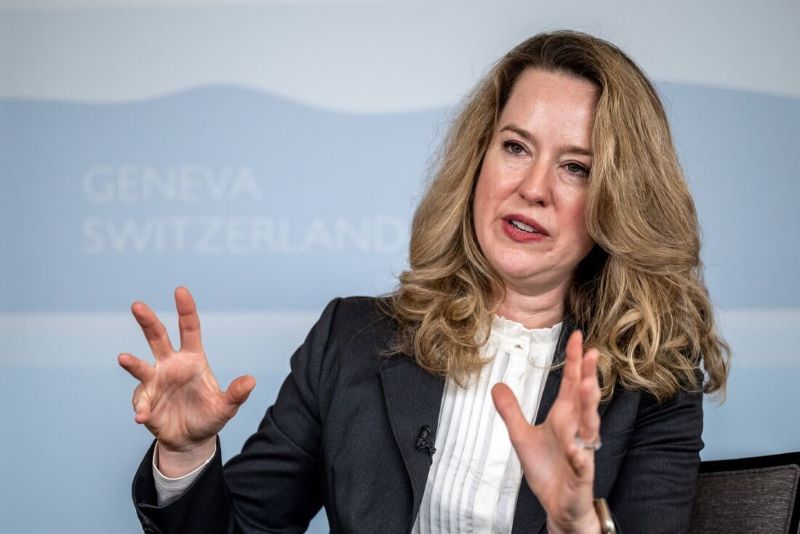
Speaking ahead of this year’s World Day AgainstTrafficking in Persons, Amy Pope, Director General of the International Organization for Migration (IOM), emphasized that people trapped in scam compounds should be recognized as victims rather than criminals.
“People trapped in scam compounds are victims of trafficking, forced to commit crimes through violence, threats and coercion. We must work together to support survivors, stop traffickers and close the gaps these criminal networks exploit.”
Her remarks reinforce the need for governments to strengthen international cooperation, prosecute traffickers, protect survivors, and raise public awareness about deceptive recruitment tactics.
In Rwanda, stakeholders are also calling for increased vigilance as digital platforms become common tools for traffickers targeting young job seekers and migrants. Albert Baudouin Twizeyimana, National Coordinator of Pax Press Rwanda, urged the public to question offers that appear too attractive to be genuine.
“Too good offers are not often real. Please doubt and check out, even when you trust, always VERIFY.” Albert Baudouin Twizeyimana, National Coordinator of Pax Press Rwanda
His message echoes the central objective of the 2026 campaign: preventing trafficking begins with awareness. Verifying employers, checking recruitment agencies, consulting government institutions, and confirming travel arrangements before accepting overseas employment opportunities can prevent individuals from becoming victims of organized criminal networks.

Experts warn that traffickers deliberately target educated young people seeking employment, scholarships, internships, or migration opportunities. By exploiting economic hardship and people’s aspirations for a better future, these criminal groups continue to expand their operations beyond traditional trafficking routes into the digital world.
The fight against human trafficking therefore requires more than stronger law enforcement. It demands collaboration among governments, technology companies, civil society organizations, faith-based institutions, educational establishments, the media, and local communities. Online platforms must strengthen systems for detecting fraudulent recruitment advertisements, while journalists and community leaders should continue educating the public about trafficking risks and available protection mechanisms.
As the world commemorates World Day Against Trafficking in Persons 2026, the message is unequivocal: behind many online scams are victims who have been deceived, trafficked, and forced into criminal activities against their will. By remaining vigilant, verifying suspicious opportunities, reporting fraudulent recruitment schemes, and supporting survivors, societies can help dismantle trafficking networks and protect the dignity and freedom of vulnerable people.