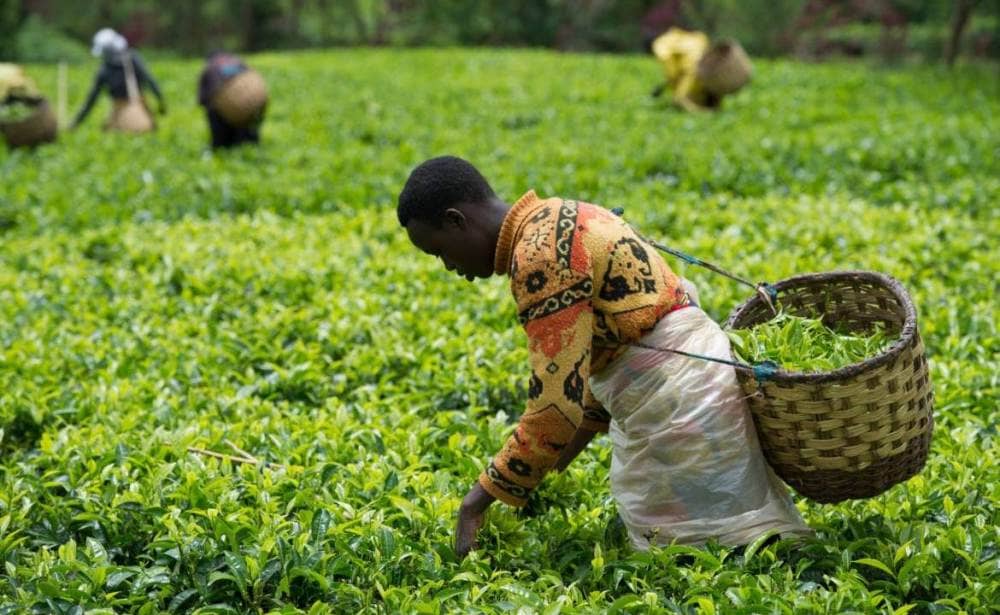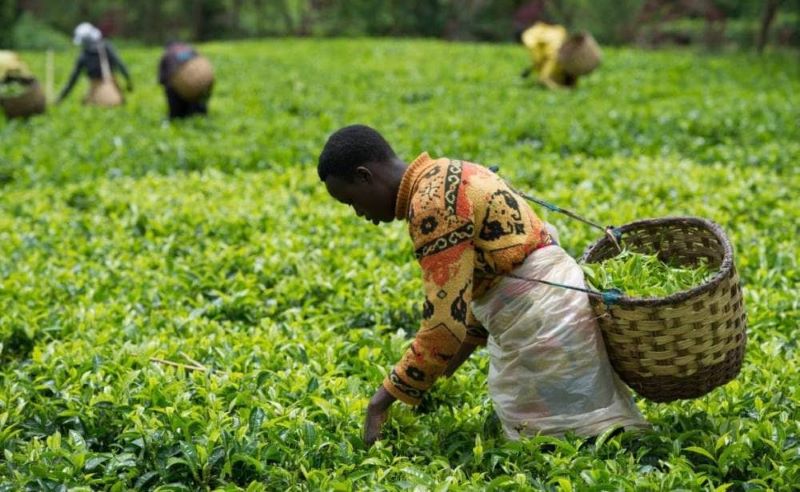
Tea farmers in Nyaruguru District say the long-held belief that tea farming was only for wealthy people has gradually disappeared. Many farmers who once left their land idle now consider tea cultivation a dependable investment that provides a steady income and has significantly improved their livelihoods.
Jean Marie Vianney Ndagijimana, a tea farmer, said he changed his mindset after realizing that his land was lying unproductive. He decided to plant tea, a decision he describes as life-changing.
“We used to believe tea was a crop reserved for people with money. But after we started growing it ourselves, we discovered that it provides a continuous source of income and greatly improves family welfare. We encourage anyone with unused land to put it to productive use by planting tea,” he said.
Other farmers echoed similar experiences, noting that earnings from tea enable them to pay school fees, access healthcare, invest in their families, and build savings—opportunities they say were difficult to achieve before venturing into tea farming.
Domitila Mukamisha said tea cultivation has brought financial stability to her household.
“Tea has given me a regular income. I can now take better care of my family and face the future with confidence. I encourage people who still have idle land to consider growing tea,” she said.

Vincent Hategekimana, Director of SCON in Nyaruguru Disrtict, a project that supports smallholder farmers with loans to expand tea plantations in Nyaruguru District, said tea farming has transformed the district’s economy.
According to Hategekimana, many residents of Nyaruguru previously traveled to other districts in search of seasonal employment, particularly during the dry season. Today, however, the situation has reversed, with people from other areas coming to Nyaruguru to seek work because of the growth of the tea industry.
“Tea farming has changed the history of Nyaruguru. Instead of residents leaving to look for jobs elsewhere, people now come here to find employment. We encourage landowners with underutilized land to invest in tea because it is a sustainable, long-term investment,” he said.

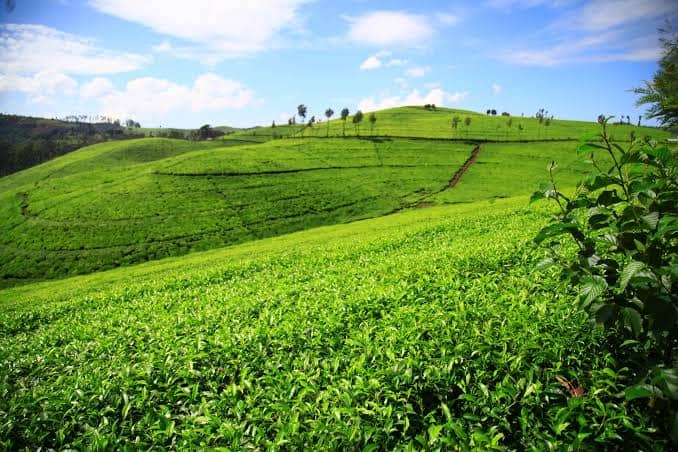
Tea is currently cultivated in 11 of Nyaruguru District’s 14 sectors, covering approximately 9,200 hectares. District authorities say efforts are underway to further expand tea plantations, with a target of reaching 12,000 hectares by 2026.
Tea farming continues to emerge as one of the key drivers of economic development in Nyaruguru. Beyond creating employment opportunities, the sector provides a stable source of income for thousands of households, contributing significantly to improved living standards and the district’s overall economic growth.