Despite Rwanda’s continued efforts to combat malnutrition and improve child development, stunting remains a significant public health concern. The 2025 Rwanda Demographic and Health Survey (RDHS7) shows that 27% of children under the age of five are stunted. Although this represents an improvement from 33% recorded in the 2019–2020 survey, the figures indicate that considerable challenges remain in eliminating the problem.
Stunting is largely caused by prolonged inadequate nutrition, frequent childhood illnesses, poor sanitation and other household-related challenges. Health experts warn that it can negatively affect a child’s physical and brain development, with consequences that may extend into adulthood.
Marthe Mureranyana, an expert in early childhood development, explains that stunting is not simply a result of food shortages. She says limited parental knowledge about proper nutrition, household financial constraints and inadequate childcare practices also contribute to the problem.
“Some families are willing to provide the best care for their children, but limited financial resources and insufficient knowledge about balanced diets can prevent children from receiving all the nutrients they need to grow properly. In some cases, you may tell parents that their children are stunted, but they find it difficult to accept because they believe they have everything their children need at home,” she said.
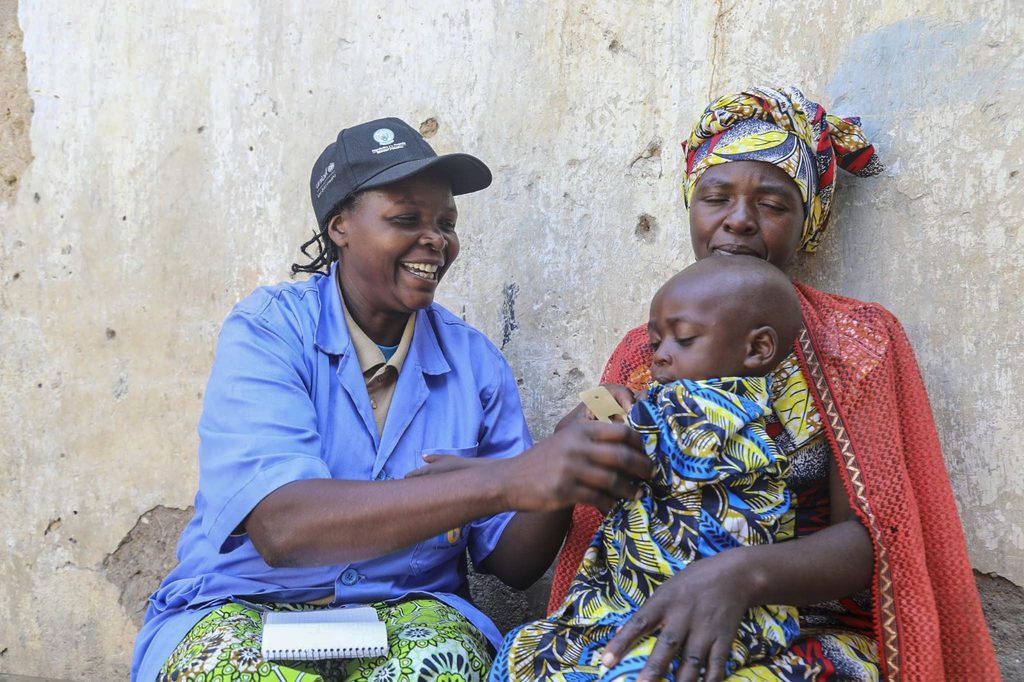
Some parents interviewed by Pure Africa News at Rango Health Centre in Huye District said that although they want their children to have balanced diets, financial difficulties and everyday living conditions make it difficult to provide a variety of nutritious foods.
Mujawamariya Esperance, one of the parents interviewed, said limited household income often prevents parents from purchasing different food items needed for their children’s healthy growth.
“Although we want our children to grow up healthy, sometimes our financial situation does not allow us to buy a variety of nutritious foods. For example, it is currently difficult for me to afford fruits, even though I know they are important for my child’s health,” she said.
Daphrose Ishimwe, Another parent, pointed out that frequent illnesses can also affect children’s nutritional status, particularly when sickness leads to a loss of appetite.
“When a child frequently falls sick, they may lose their appetite and consequently fail to get enough nutrients. That is why it is important to monitor their health and follow the advice we receive from healthcare professionals,” she said.
Although the overall stunting rate has declined, the RDHS7 findings show that the problem remains particularly serious among younger children. Those aged between 12 and 23 months have the highest stunting prevalence, at 33%.
This highlights the importance of proper nutrition from pregnancy through breastfeeding and the introduction of complementary foods. Ensuring that children receive adequate nutrition during these early stages is essential for their healthy development.
Macara Faustin, an officer responsible for maternal and child nutrition at the National Child Development Agency (NCDA), said malnutrition and stunting remain major concerns across many countries in sub-Saharan Africa, including Rwanda.
He noted that Rwanda has set a target of reducing the national stunting rate to below 20% under its National Strategy for Transformation (NST2).
“Stunting is a serious challenge facing countries in sub-Saharan Africa, including Rwanda. It requires collective efforts to strengthen interventions against child malnutrition so that we can achieve the national target of reducing stunting to below 20%,” he said.

Despite the progress recorded, the survey highlights significant inequalities in stunting rates across different social and economic groups.
In rural areas, 30% of children are stunted, compared with 19% in urban areas. The Northern and Western provinces record the highest prevalence, at 33% each.
Economic differences are even more pronounced. Stunting affects 40% of children from the poorest households, compared with only 9% among those from the wealthiest families.
These figures demonstrate the close relationship between poverty and childhood malnutrition. A household’s ability to access nutritious food, clean water, proper sanitation and healthcare services plays an important role in determining a child’s nutritional status.
Dr Sabin Nsanzimana, Rwanda’s Minister of Health, has emphasised that stunting should be treated as a major threat to both public health and national development because of its long-term effects on children.
“Stunting should not be viewed merely as a nutritional problem. It is a serious challenge that affects the development of children and the country as a whole. In the health sector, we consider it a condition that threatens national development. It is important to prevent it at an early stage because children who experience stunting may suffer long-term developmental consequences,” he said.

The World Health Organization (WHO) recommends exclusive breastfeeding for the first six months of a child’s life. After this period, children should be introduced to appropriate complementary foods while breastfeeding continues.
Health experts also emphasise the importance of the first 1,000 days of life, beginning at conception and continuing until a child reaches their second birthday. This period is particularly critical for physical and cognitive development.
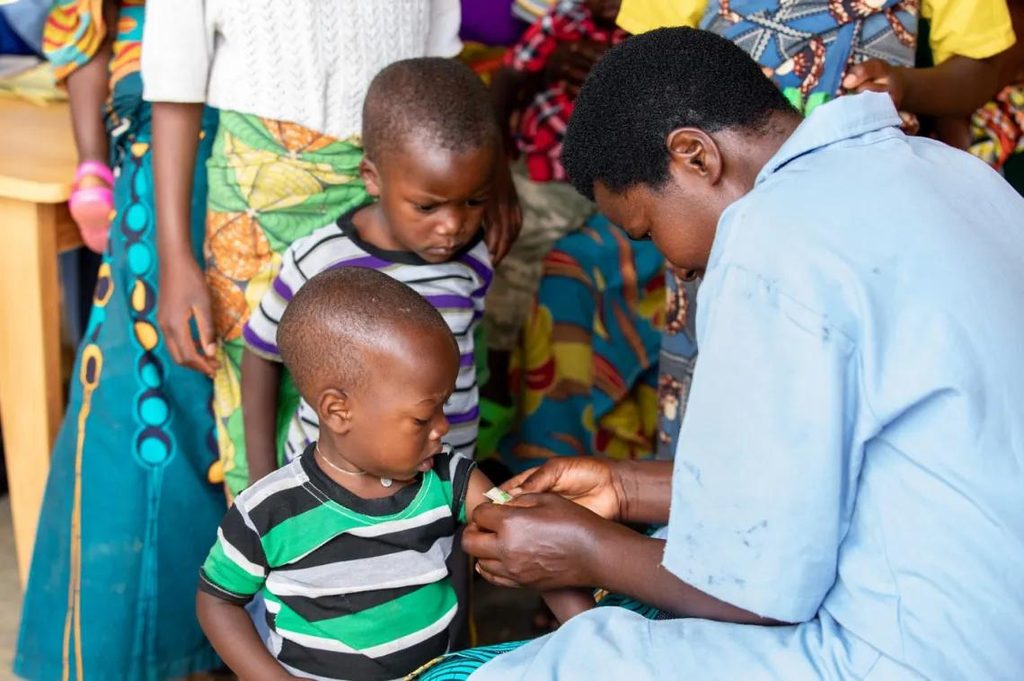
Providing adequate nutrition to pregnant women, promoting proper breastfeeding practices, introducing balanced complementary foods and protecting children against preventable illnesses are among the key measures needed to prevent stunting.
While Rwanda has made progress in reducing stunting from 33% to 27%, the figures show that the fight is far from over. Achieving the national target will require coordinated efforts from parents, healthcare institutions, government authorities and development partners to ensure that every child has an equal opportunity to grow and develop healthily.