The Minister of Agriculture and Animal Resources, Dr. Telesphore Ndabamenye, stated that a law governing agriculture and livestock is currently being prepared and will put an end to disorder in the sector. He made the remarks this Monday 19th January 2026, while addressing Senators during discussions on the program to develop livestock farming, particularly activities related to ensuring the availability of sufficient, high-quality, and affordable animal feed, as well as strategies to increase productivity.
Senators have expressed concern to the Ministry of Agriculture and Animal Resources (MINAGRI) over the continued high cost of animal feed, saying the situation is causing heavy losses for livestock farmers. They compared the problem to farmers feeding animals while the animals fail to sustain them in return.
A report by the Rwanda Governance Board (RGB) revealed that 57.9% of citizens still indicate that animal feed is insufficient. The concerns were raised during a discussion between the Minister of Agriculture and Animal Resources and the Senate Plenary Session on existing measures to address challenges related to the availability of animal feed.
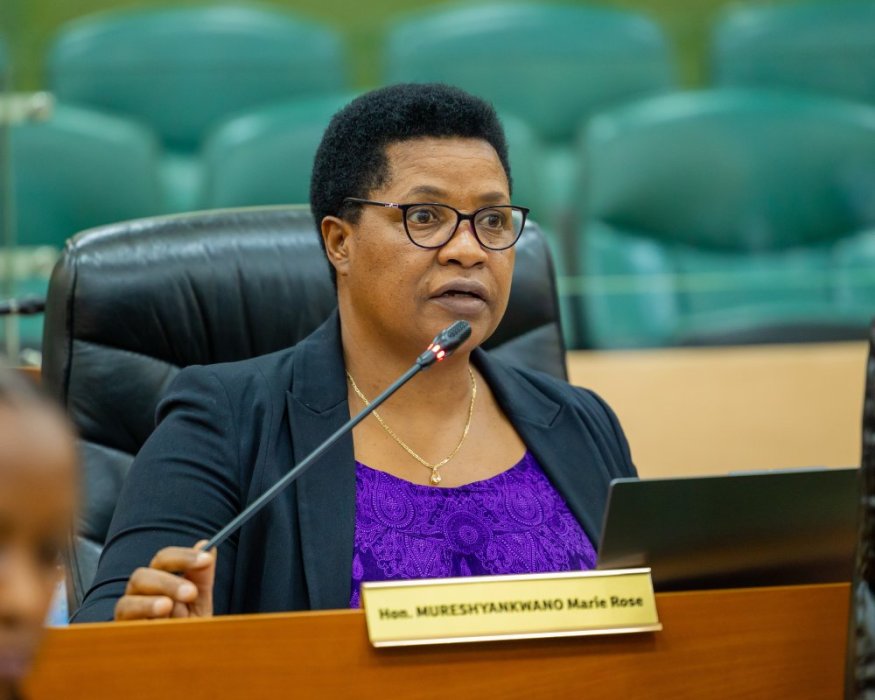
Senators including Donatille Mukabalisa and Marie Rose Mureshyankwano highlighted that livestock farmers are unable to access animal feed at affordable prices compared to the income they earn from livestock products. They also questioned why some animal feed produced locally is exported while farmers within the country continue to face shortages.
Hon. Senator Donatille Mukabalisa stated: “Our livestock farmers are still struggling to access animal feed at low prices. When you compare production costs with the income they generate, it becomes clear that there are significant losses, making livestock farming unable to sustain them as it should.”
“It is surprising to see animal feed produced within the country being exported to foreign markets, while Rwandan farmers either lack access to it or are forced to buy it at extremely high prices.” She added.
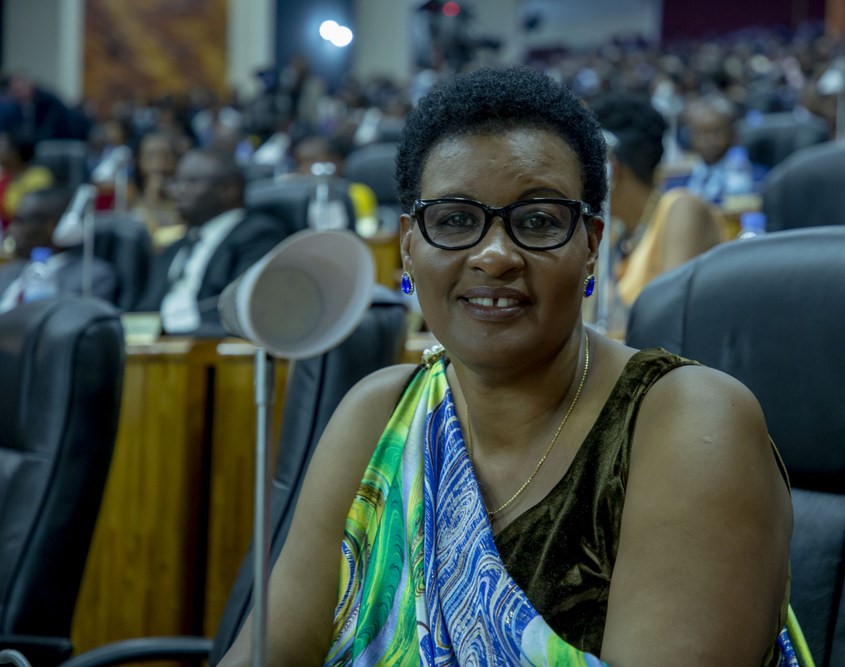
Senator Marie Rose Mureshyankwano also emphasized that animal feed remains one of the major obstacles to the development of the livestock sector. She said: “Many farmers have told us that the cost of animal feed is very high compared to the prices of milk, meat, and eggs they sell.”
She further noted:“It is unacceptable for a country aiming to develop livestock farming to allow animal feed to be exported while domestic demand is not yet met. Strong measures are needed to ensure that exports only take place after the local market has been sufficiently supplied.”
Dr Telesphore Ndabamenye , the Minister of Agriculture and Animal Resources, outlined government strategies aimed at addressing the high cost of animal feed. These include strengthening local feed-processing industries and increasing the production of crops used in animal feed manufacturing.
“Livestock farming is one of the key sectors supporting Rwandans’ livelihoods, contributing 3% to the national Gross Domestic Product (GDP). The government’s goal is that by 2029, livestock farming will be modernized, financially sustainable for farmers, and generate significant foreign exchange earnings for the country.”

According to figures from the Ministry of Agriculture and Animal Resources, 50% of households in Rwanda keep livestock for the production of meat, milk, and eggs.