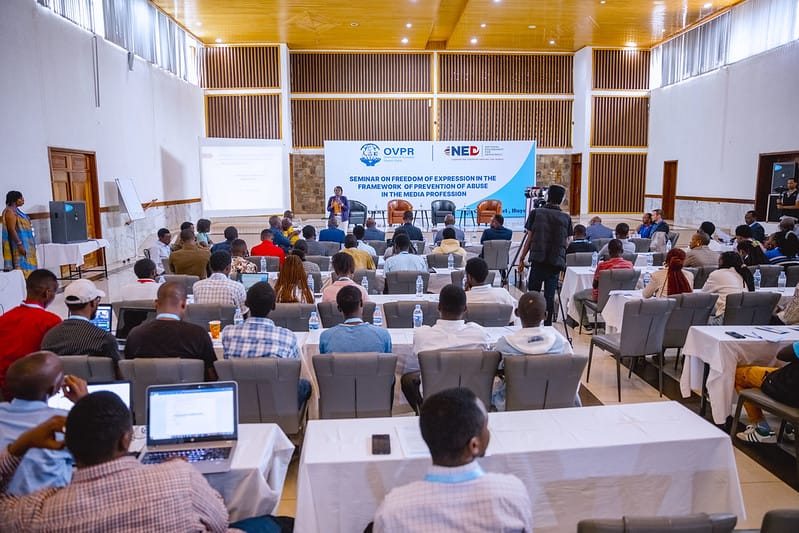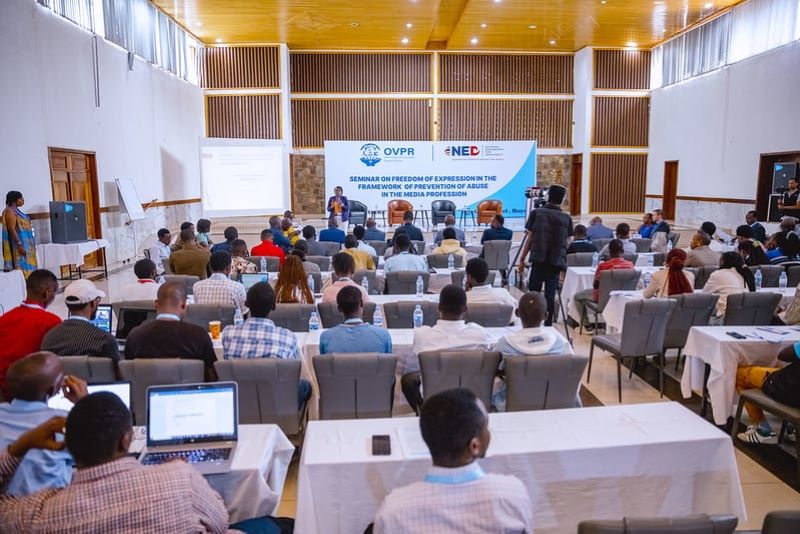
Journalists and students from the University of Rwanda have received training from OVPR (Observatory of Vulnerable Peoples’ Rights) on practicing constructive journalism that upholds the law and protects vulnerable groups within Rwandan society.
The training, which took place in Huye District, aimed to strengthen journalists’ professional capacity by enhancing their understanding of their responsibilities, the laws governing the media sector, and the role of journalism as a tool for national development and social transformation.
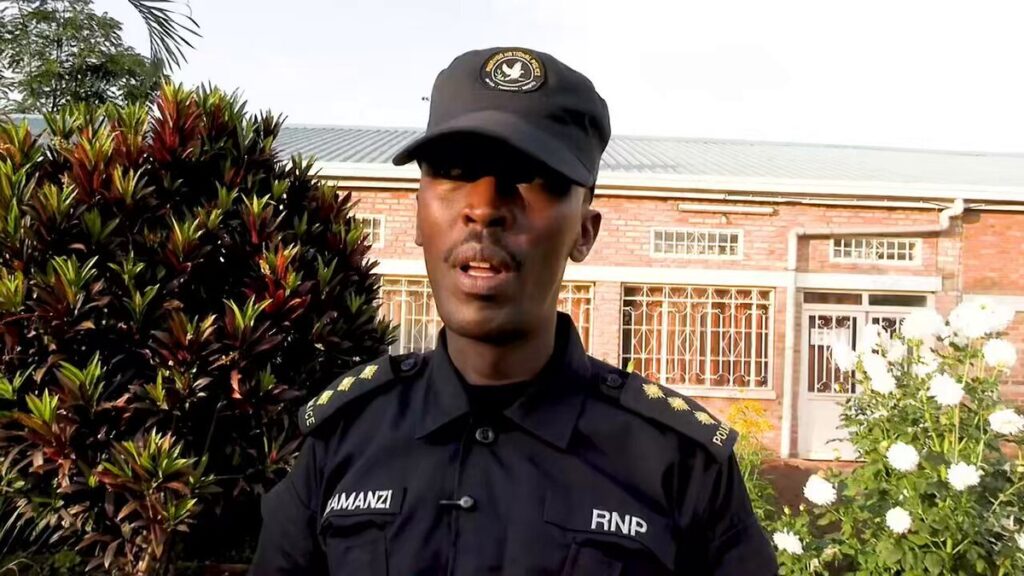
CIP Hassan Kamanzi, the Southern Province Police Spokesperson, commended the strong cooperation between the police and the media, urging journalists to continue practicing their profession in compliance with the law.
“The partnership we have with journalists is vital for maintaining national security and supporting the country’s development. We encourage you to continue working professionally and in accordance with the laws that govern your profession.” He said.
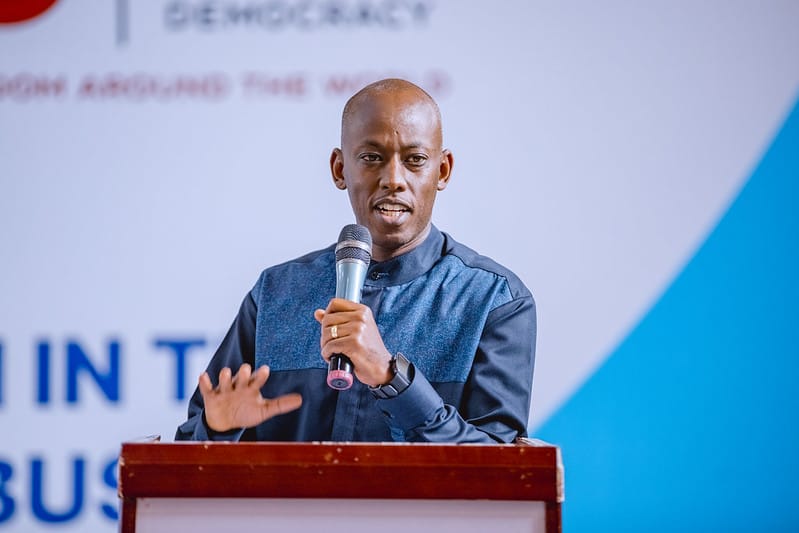
Ange Sebutege, the Mayor of Huye District, emphasized the trust citizens place in journalists and urged them to safeguard that confidence.
“Citizens trust you. It is your responsibility to maintain that trust and not betray it.” He further called on journalists to use their platforms to support positive mindset change among citizens, promote poverty reduction initiatives, encourage hygiene practices, and contribute to improving the quality of public service delivery. “A journalist should never use personal challenges or poverty as justification for producing content that damages society. Instead, journalists should focus on stories that build the nation.” He added.
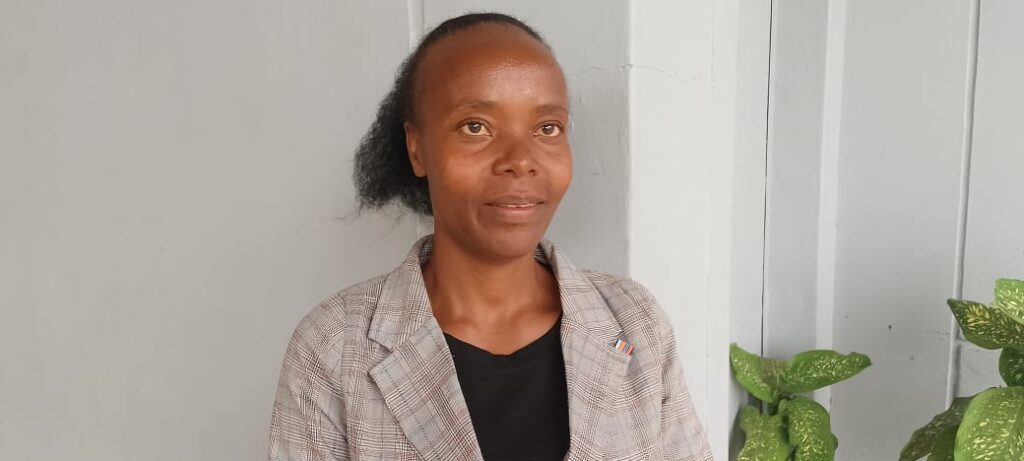
Annonciata Byukusenge, the journalist noted that the training helped her better understand how journalism operates in the digital era, where large volumes of information can easily be shared without adhering to professional standards.
“In today’s digital world, many pieces of information are published without respecting journalistic ethics. This training helped me understand how to respond professionally, I used to face challenges waiting for information, but now I understand the proper legal procedures and when I am allowed to publish a story in line with the law.” She added.
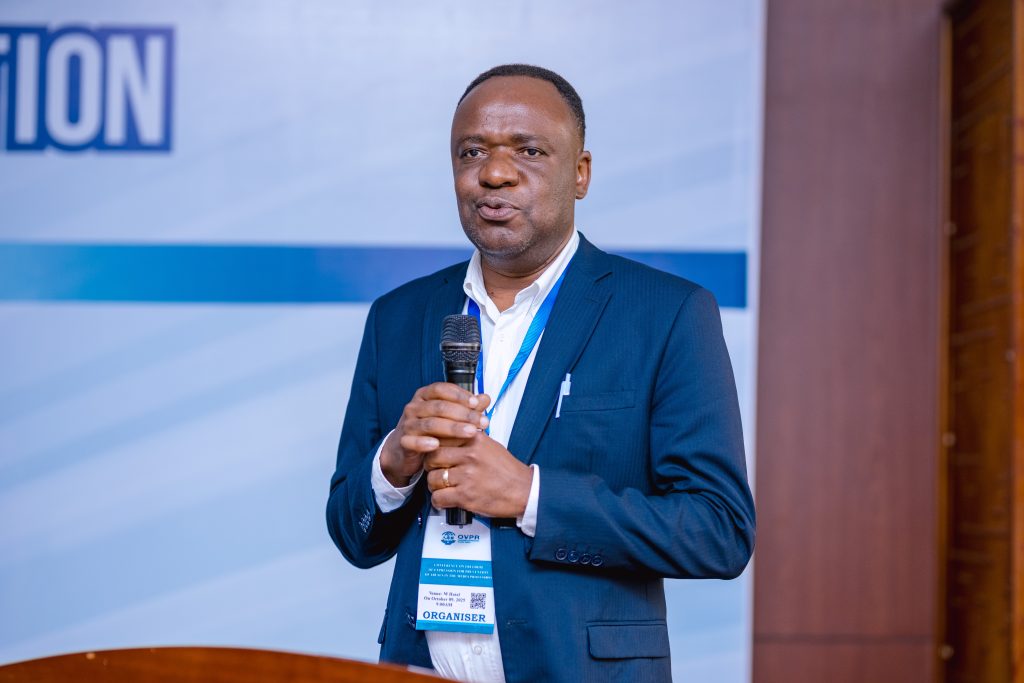
Bikotwa Bruce, the President of OVPR, stated that journalists often encounter obstacles mainly due to limited understanding of media laws. “Failure to understand laws governing journalism is one of the major challenges journalists face. That is why OVPR organized this training, to highlight those challenges and propose solutions.” He said.
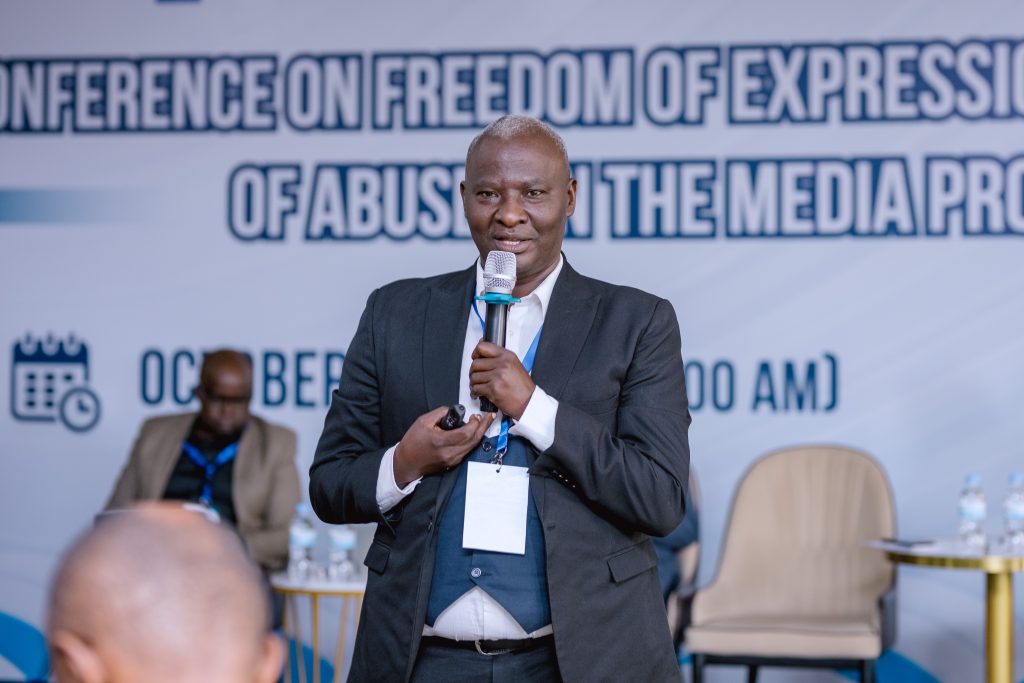
Albert Baudouin Twizeyimana, the National Coordinator of Pax Press, called on journalists to prioritize nation-building stories and adhere strictly to established media guidelines. “Journalists should produce content aimed at building the country and avoid stories that traumatize citizens or promote hatred.” He spoke.
He reminded participants that ignorance of the law does not absolve responsibility. “Not knowing the law does not remove liability. Before being journalists, we are citizens obligated to know and respect the laws of the country.”
The training concluded with journalists and journalism students pledging to continuously improve their professional standards, uphold the principles of constructive journalism, and strengthen collaboration with public institutions to ensure that citizens remain at the center of media reporting.