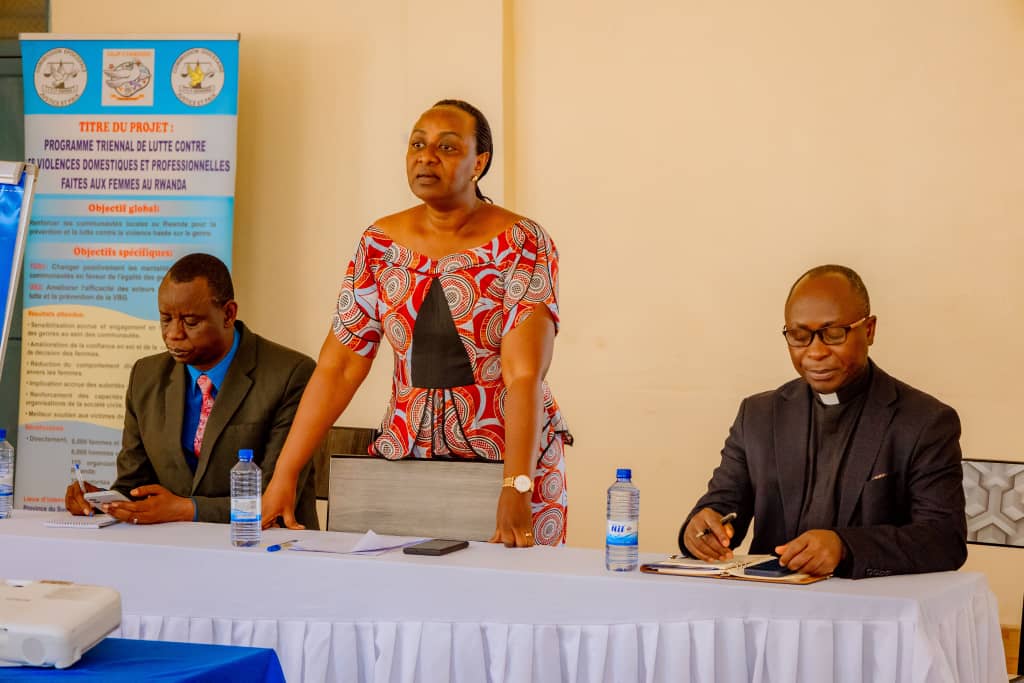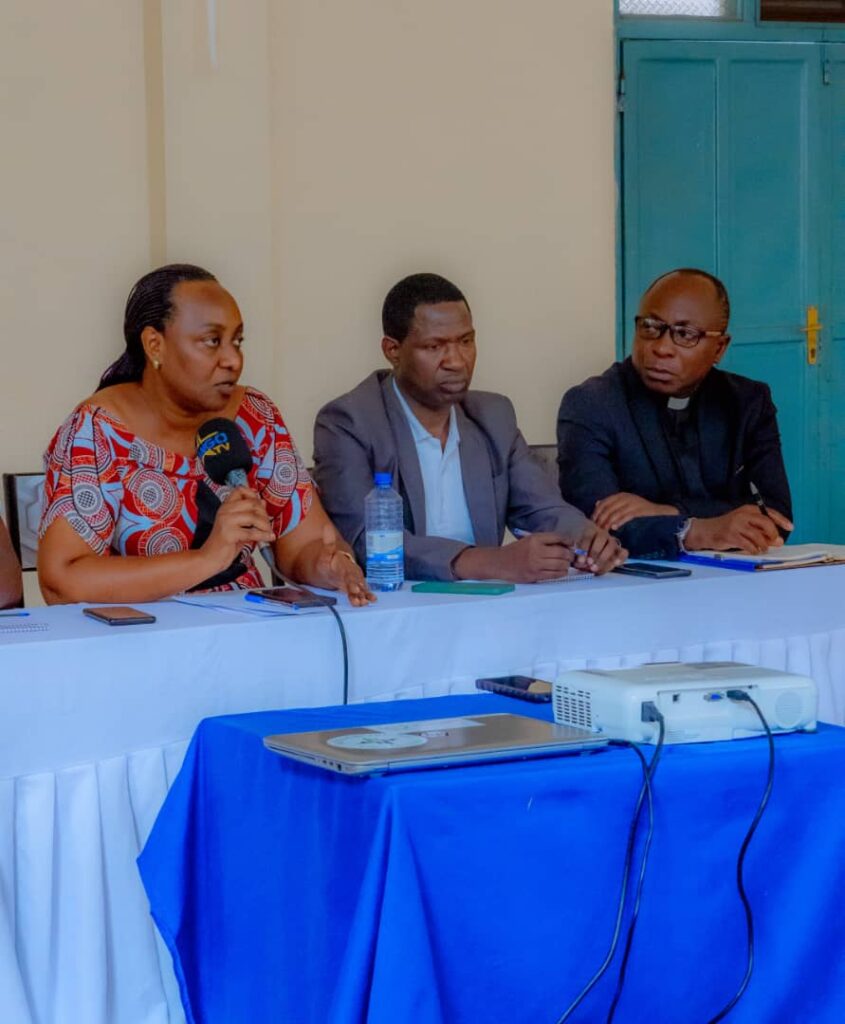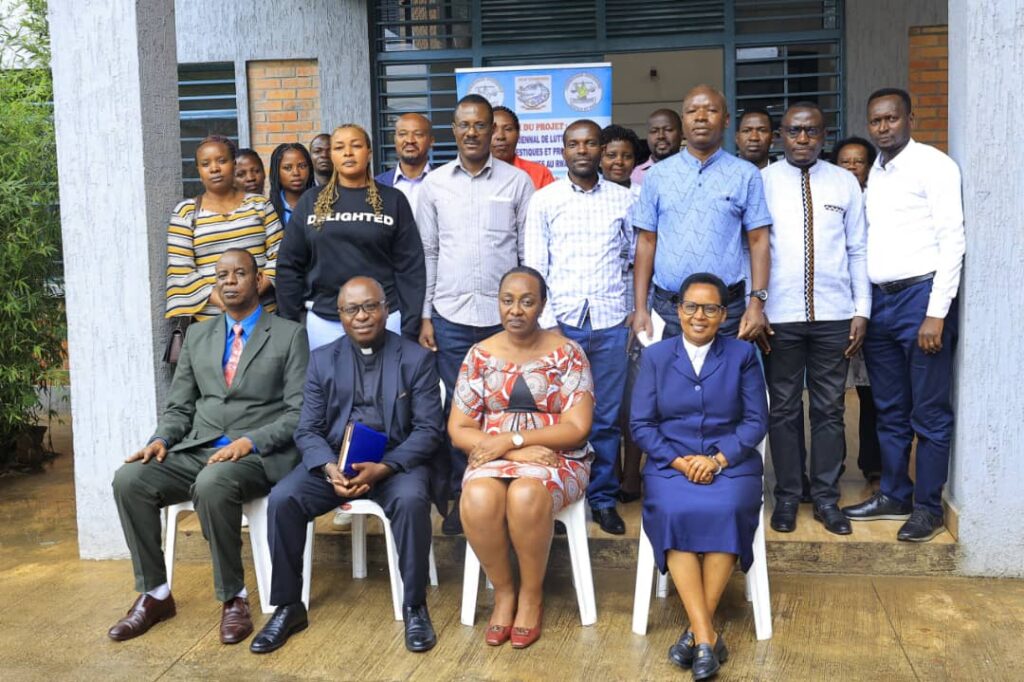
The high cost of DNA testing is emerging as a serious obstacle for victims of unplanned pregnancies, especially young girls who become pregnant as a result of sexual violence. This concern was highlighted during a consultative meeting organized by the Justice and Peace Commission of the Catholic Church in Rwanda.
The event brought together key stakeholders, including representatives from the Ministry of Justice, the Ministry of Gender and Family Promotion, and several civil society organizations working to prevent and respond to gender-based violence (GBV).
The burden on victims
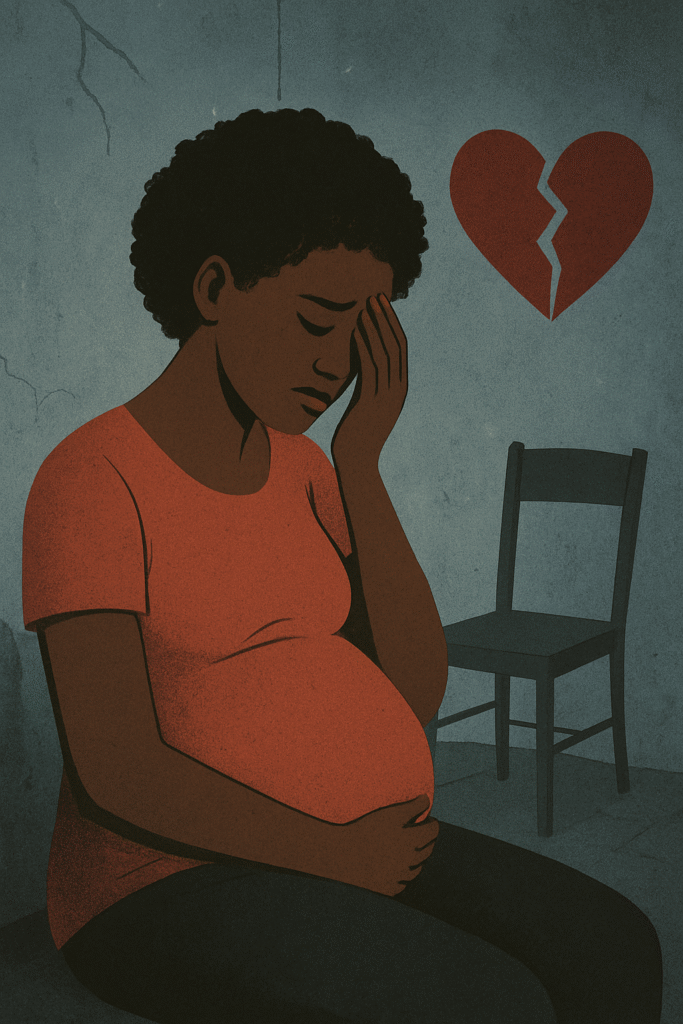
Ange Kayitesi (not her really name) is a 17-year-old girl from Huye district, She got pregnant, and after giving birth, she was rejected by the man responsible, who even claimed that the baby was not his, She explained that it was very difficult moment for her to pursue a DNA test, and at some point, she lost hope and gave up because she did not have the financial means to continue.
“I was made pregnant by a man who already had a wife. He immediately denied me and told me the child was not his. He even hurt me emotionally, saying he was not the only man who could have made pregnant. I lived a very difficult life during the pregnancy. After giving birth, I tried to pursue a DNA test to prove the child’s father, but I had no financial means, so I gave up.
However, when the child turned four, he accepted the child on his own will. But if I had been able to do the DNA test when the baby was still young, I wouldn’t have suffered alone perhaps the law would have required him to support us, since it would have been proven that the child was his.”
During the discussions, speakers shed light on the multiple layers of injustice and hardship faced by young girls who fall pregnant due to sexual abuse. One of the major issues raised was the financial burden of DNA testing, which is often necessary to determine the paternity of the child and hold the perpetrator legally accountable.
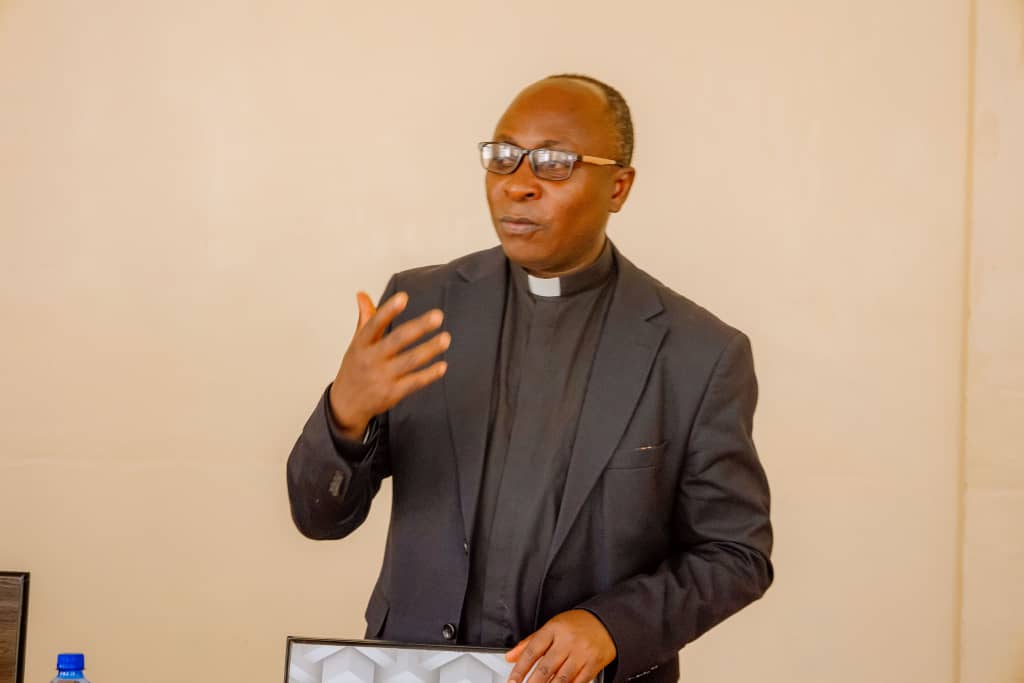
Father Valens Niragire, the Secretary-General of the Justice and Peace Commission under the Catholic Bishops’ Conference of Rwanda, underscored the gravity of the situation. He explained that many of the girls who become pregnant unexpectedly are already in vulnerable economic conditions, making it extremely difficult if not impossible for them to pay for the DNA tests required to prove paternity.
“These young girls, in their search for justice, require DNA tests to identify and prosecute the perpetrators,” said Father Valens. “Unfortunately, the cost is far beyond their reach. We are calling on the relevant institutions to join forces in advocating for change. Our hope is that DNA testing in such sensitive and urgent cases can be made free of charge, or at the very least, offered at greatly reduced rates, so that victims can access justice.” Said Father Valens.
A widespread concern
Other participants, including government officials and civil society actors, echoed his sentiments. They acknowledged that the cost of DNA testing remains a major barrier in the fight against sexual violence, especially when perpetrators deny involvement, leaving the victims without evidence or support.
Many emphasized that justice becomes inaccessible for poor and marginalized victims, as they are unable to afford the legal and scientific procedures needed to prove their case and seek redress.
Some progress made
In response to these concerns, one official stated that some positive steps have already beentaken. Today, survivors of gender-based violence who report their cases to One Stop Centers or the Rwanda Investigation Bureau (RIB) are entitled to free assistance, including legal aid and DNA testing. These services are funded by the government or through partnerships with other organizations.
However, the official acknowledged that this support is still limited and does not cover all victims particularly girls who become pregnant outside the formal GBV reporting system or who lack access to these centers.
“At the moment, a person who has suffered sexual abuse and reports it to a One Stop Center or RIB is helped for free, including the DNA testing,” the official said. “But we are working to ensure that even other vulnerable groups like young girls who become pregnant can also benefit from these services.” Said one of the officials.
DNA Testing Costs in Rwanda
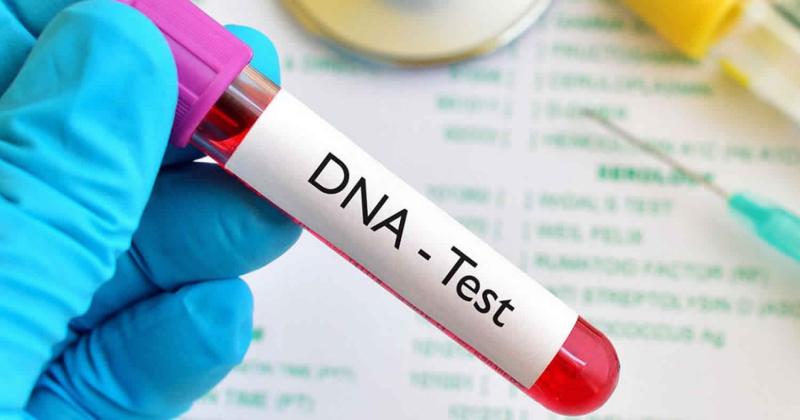
The current cost of DNA testing in Rwanda remains a challenge for most families, especially those from low-income backgrounds: Standard DNA test (results within 7 days): 89,01 Rwandan Francs (RWF) per individual, Urgent DNA test (results within 24 hours): 142,645 Rwandan Francs (RWF) per individual
Given that most tests require multiple samples (e.g., from the child, the mother, and the alleged father), the total cost can be well over 250,000 RWF, a sum that many victims and their families simply can sometimes not afford.