


In the undulating hills of Amayaga, located in southern Rwanda, a quiet but transformative revolution is taking shape one that blends sustainable environmental practices with tangible, everyday benefits for local communities. Here, the rhythm of daily life is being redefined by a series of quiet but powerful changes. Schools are replacing firewood with cleaner cooking technologies, households are adopting energy-efficient stoves, and the land once degraded and barren is coming back to life. These collective shifts have already contributed to reducing more than 600,000 tonnes of carbon emissions, marking a significant leap forward in Rwanda’s journey toward environmental sustainability.
The heart of the change: schools and cleaner cooking technologies
The transformation is most visible in the region’s schools. In the districts of Kamonyi, Ruhango, Nyanza, and Gisagara, a new chapter is unfolding. Across the region, 20 schools have moved away from cooking with polluting firewood to using cleaner cooking gas. For the local communities, this is more than just a simple change of method it’s a bold step toward environmental health, financial sustainability, and improved quality of life.
Take St. Bernadette School as an example. Father Jean D’Amour Majyambere, the school’s headteacher, is one of the driving forces behind the shift. He’s done the math, and it tells a clear story of the advantages of cleaner cooking technology. “When I buy firewood worth Rwf 5 million, we use it within three months. But cooking gas worth Rwf 2 million lasts us six months. If we were to rely on firewood for six months, it would cost us over Rwf 10 million,” He explains. This clear financial benefit is just one of the reasons why schools are making the switch. But the true advantage lies in the broader environmental impact: cleaner air for students and staff, and fewer emissions from the burning of firewood.
Nyabyenda Silas, who cooks at St. Bernadette, said that the change has been just as significant on a personal level. “Cooking with gas saves time and protects the environment from pollution,” he says, stirring a large pot of food without the smoke that once filled the kitchen. The time saved is also time gained time that can be spent on other important tasks, making school operations more efficient. The benefits, too, are seen in the health of the students who breathe cleaner air in the kitchens, which is especially important in a region where respiratory diseases are common due to smoke inhalation.
The green amayaga project: A holistic approach to environmental restoration
The impact of cleaner cooking is part of a much larger, holistic effort to restore both the environment and the well-being of the people of Amayaga. The Green Amayaga Project, spearheaded by coordinator Rémy Songa, has introduced a suite of sustainable interventions that aim to address environmental degradation while also providing practical, long-term solutions for local communities. This multifaceted approach has included the distribution of 60,000 improved cookstoves to households, large-scale forest restoration initiatives, and the implementation of energy systems in local schools.
The numbers behind these initiatives are impressive. According to Songa, Rwanda’s interventions have already led to a reduction of air-polluting emissions equivalent to more than 625,000 tonnes of CO2 a significant contribution toward meeting national climate goals. But the environmental benefits don’t stop at carbon reductions. The project has brought about widespread land rehabilitation, transforming degraded and barren lands into thriving forests. These newly planted woodlands help absorb carbon, prevent soil erosion, and protect local watersheds.
The forests are returning: A sign of hope and renewal
The restoration of Amayaga’s forests is the most striking symbol of this transformation. Once, the land here was severely degraded, with bare hillsides prone to soil erosion. But thanks to reforestation and land management initiatives, young trees are now taking root where there was once only parched soil. These trees not only help sequester carbon but also play a vital role in stabilizing soils and protecting essential watersheds.
The impact on local agriculture has been profound. Farmers, once challenged by the erosion of their lands and unreliable water sources, now benefit from the improved soil quality and better access to water resources. “The trees provide shade, and the soil is more fertile,” says one local farmer. “It’s easier to grow crops, and we don’t worry about floods or droughts as much as we used to.” With the restored land, farmers are seeing higher yields and more stable incomes, further contributing to the region’s economic development.
Additionally, the forests act as a natural barrier to erosion, which not only protects the land but also helps prevent the loss of vital nutrients in the soil. This, in turn, supports agricultural productivity, ensuring that local farmers can continue to sustain themselves and their families.
A national goal: Rwanda’s vision for a cleaner future
While the changes in Amayaga are impressive, they are part of a much broader national vision. Rwanda is committed to a future that is cleaner, greener, and more sustainable. By 2032, the government has set an ambitious target for all schools in the country to completely eliminate the use of firewood and charcoal, fully transitioning to cleaner cooking fuels. This initiative, known as the Clean Cooking for Schools Program, aims to reduce carbon emissions and improve air quality across the nation.
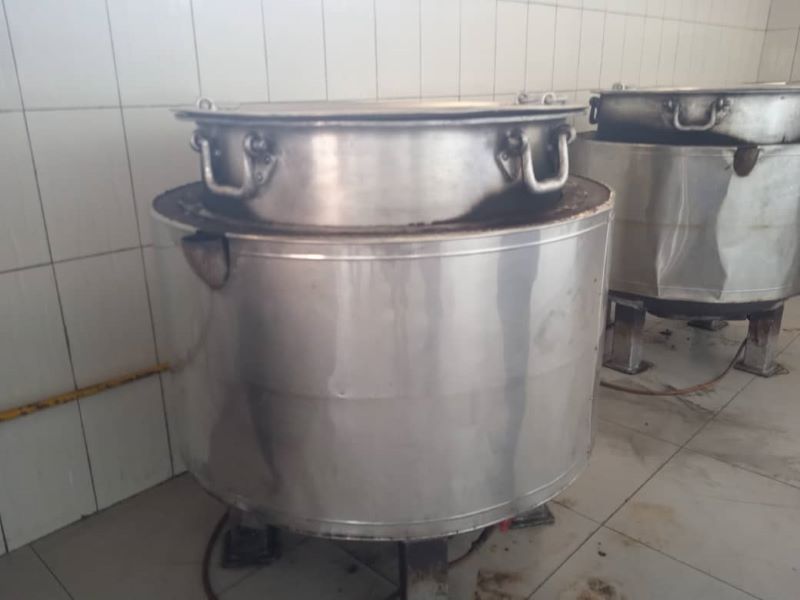
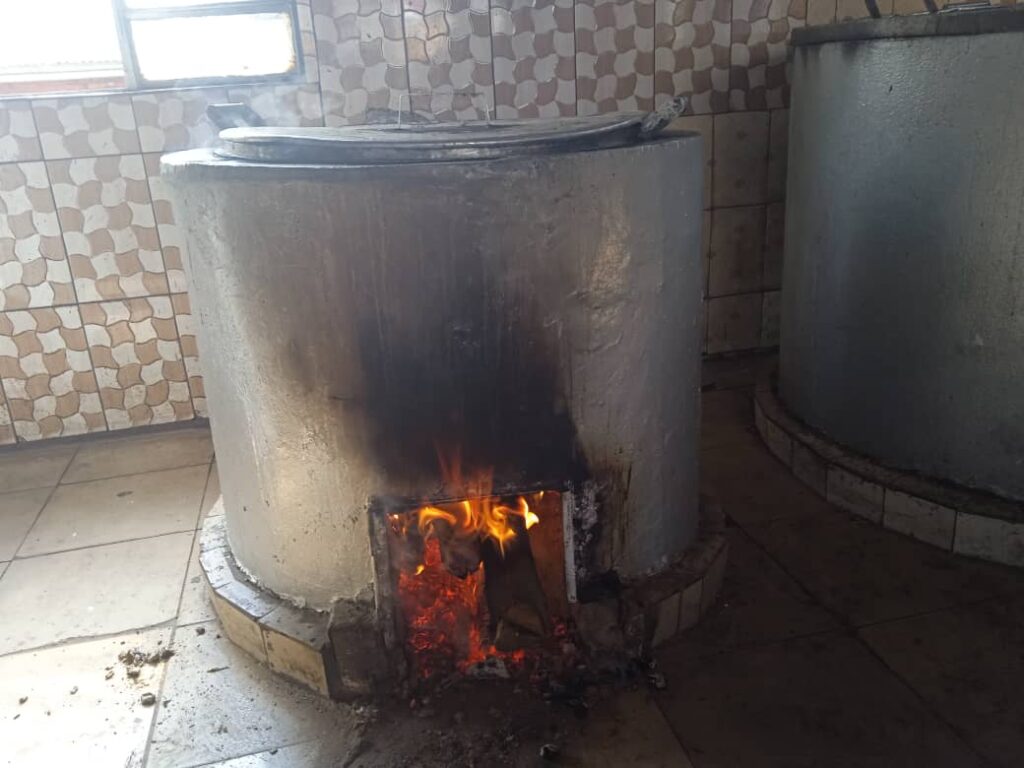
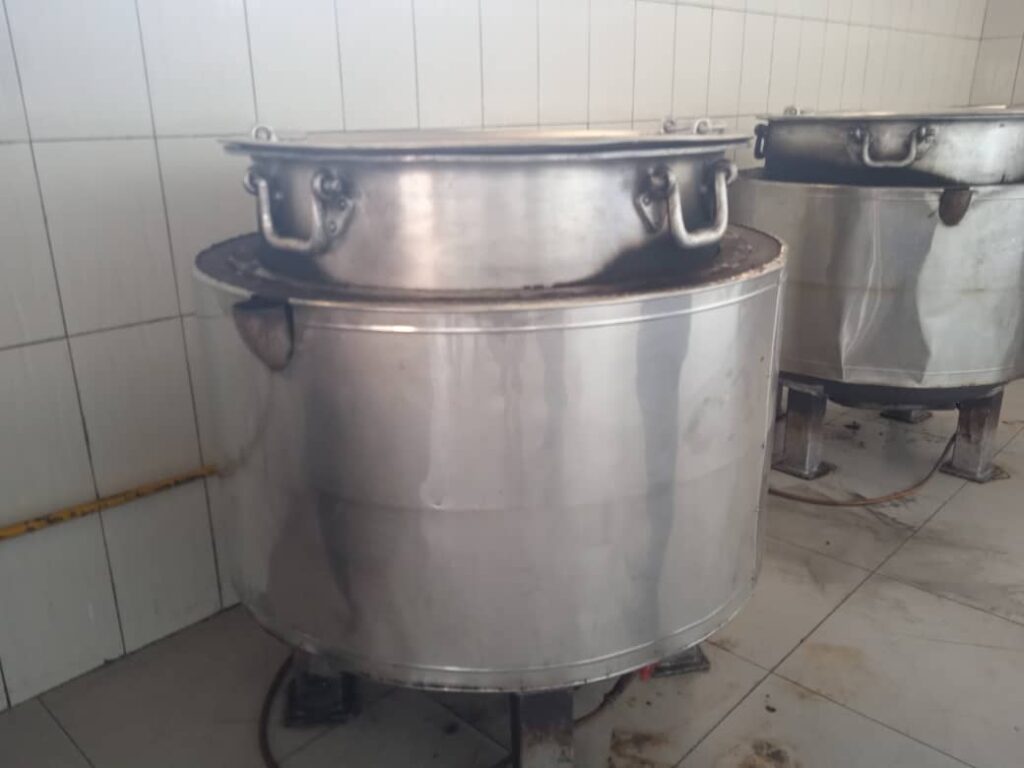
See the Difference below!
/Antony