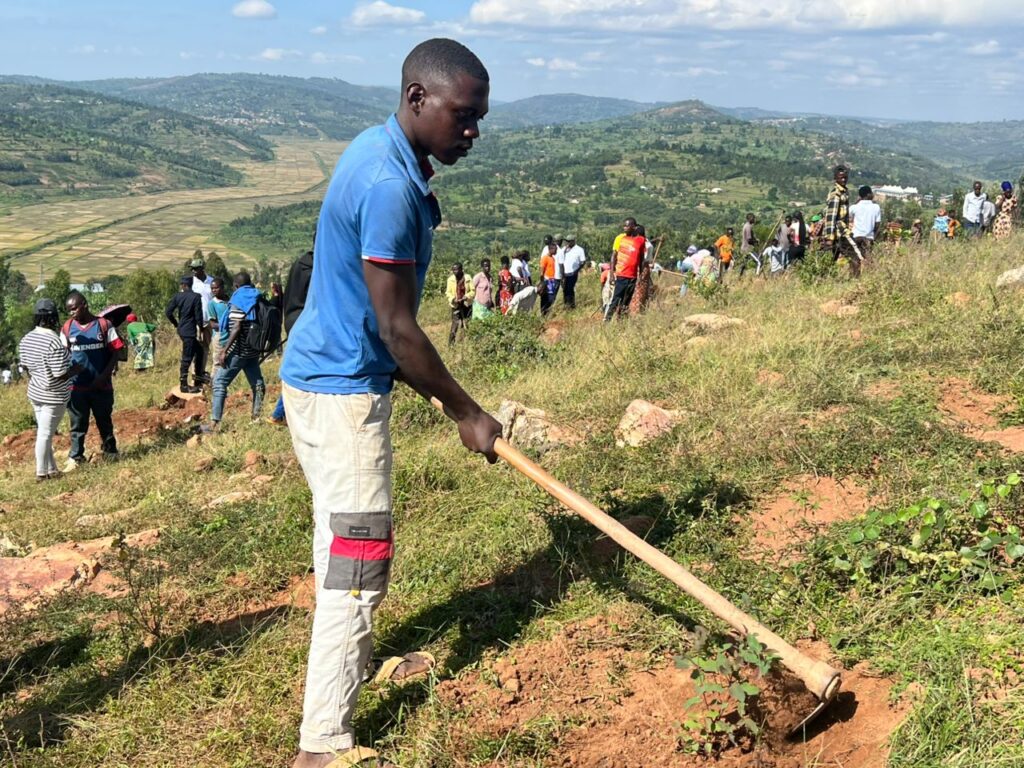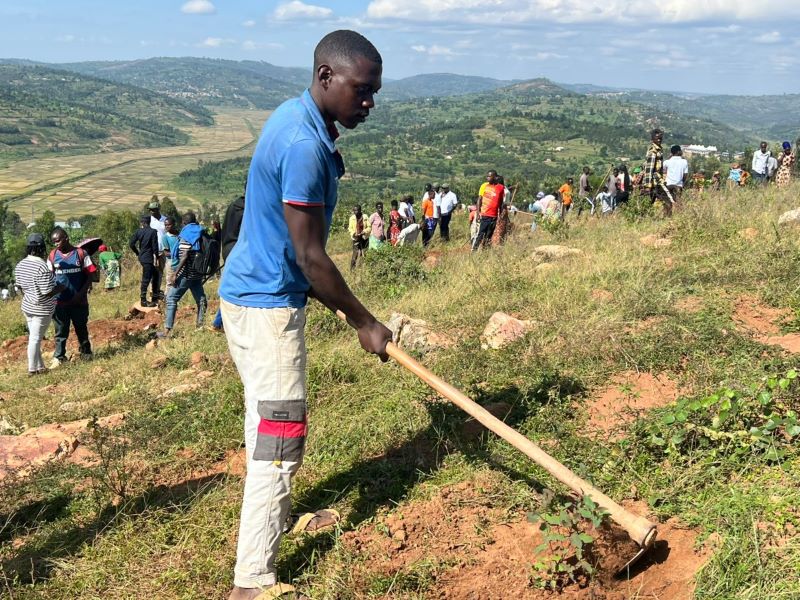
As Rwanda joins the rest of the world in celebrating the World Environment Day on June 5, young people are being encouraged to play a greater role in environmental conservation and in addressing the growing impacts of climate change that continue to affect communities worldwide.
Over the past two decades, Rwanda has made significant strides in environmental protection. In 2004, the country adopted its National Environmental Policy, followed by the enactment of its first environmental framework law in 2005. In 2006, the Rwanda Environment Management Authority (REMA) was established to oversee the implementation and enforcement of environmental policies and regulations.
Since then, Rwanda has introduced a range of initiatives aimed at strengthening community resilience and protecting areas vulnerable to climate-related disasters such as floods, landslides, and droughts. The country also became one of the first in Africa to take decisive action against plastic pollution by banning the use of non-biodegradable plastic bags.
Many young people say they now understand that environmental conservation is not solely the responsibility of government institutions or older generations, but a shared duty that directly affects both their present well-being and future livelihoods.
Aloys Rutagengwa, a student at the University of Rwanda, believes environmental protection should be a priority for every young person.
“When the environment is well protected, we benefit from clean air and reduced extreme heat. Here at the university, the many trees around us create a peaceful and healthy atmosphere that supports learning. That is why I actively participate in community work and environmental conservation activities, because I know it benefits me and future generations.”
Mimi Rachel, a young resident of Ngoma Sector in Huye District, says youth should not wait for adults to take action on their behalf.
“As young people, we are the generation that will live longest into the future, which means we are also the ones who will bear the greatest consequences of environmental degradation. If we fail to act today, we risk compromising our own future. Protecting the environment is everyone’s responsibility, especially that of young people.”
Environmental experts emphasize that youth are the foundation of sustainable and lasting change in natural resource management and environmental protection.
Dr. Ange Imanishimwe, Director of the Biodiversity Conservation Organization (BIOCCOR), says young people must recognize the direct link between their lives and the environment.
“Young people exist and thrive because of the environment. They breathe clean air and depend on resources provided by biodiversity. Protecting nature is not an act of charity toward the environment; it is a responsibility. When someone destroys the environment, they are ultimately damaging their own future and well-being. Young people should become true stewards of nature and leave a healthier planet for future generations.”
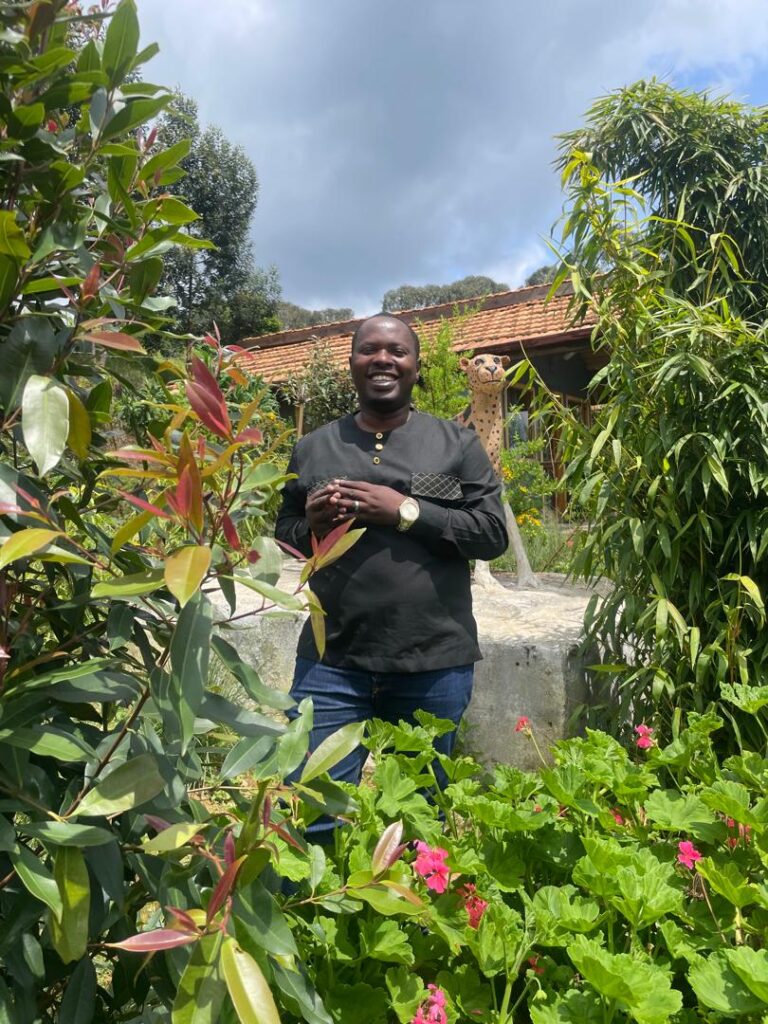
Faustin Munyazikwiye, REMA Director General notes that the effects of climate change are becoming increasingly visible across Rwanda, making collective action more important than ever.
“Today, we are witnessing intense rainfall within short periods, leading to floods and landslides, particularly in the Northern and Western provinces. In other regions, prolonged droughts and extreme heat are affecting water resources, agriculture, and biodiversity. These impacts damage infrastructure, disrupt local economies, and, in some cases, result in loss of life. Environmental conservation remains one of the most effective ways to reduce these risks.”
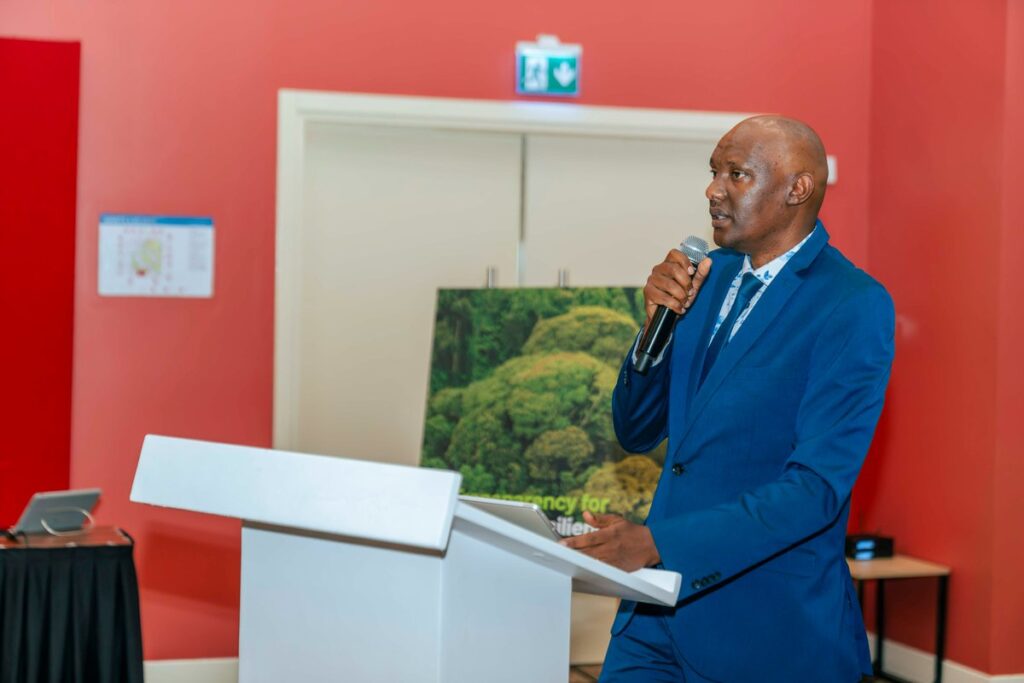
As Rwanda marks this year’s World Environment Day, a key message emerging from stakeholders is the need for young people to harness their energy, knowledge, and technological skills to promote tree planting, combat pollution, conserve water resources, and ensure the sustainable use of natural resources.
Analysts argue that when young people fully understand the importance of the environment and actively participate in its protection, the country can build a future defined by sustainable development, improved public health, and an economy that is more resilient to the effects of climate change.