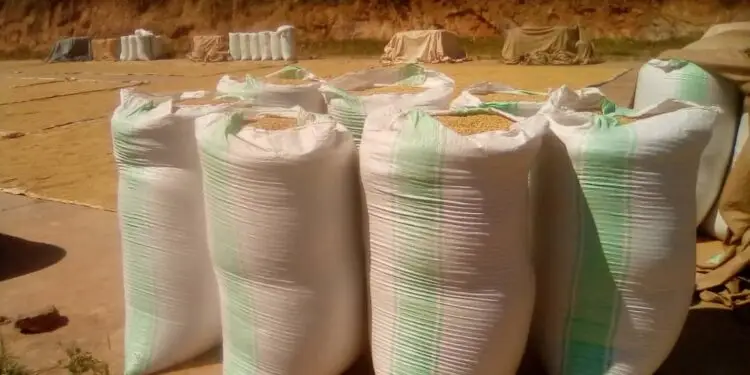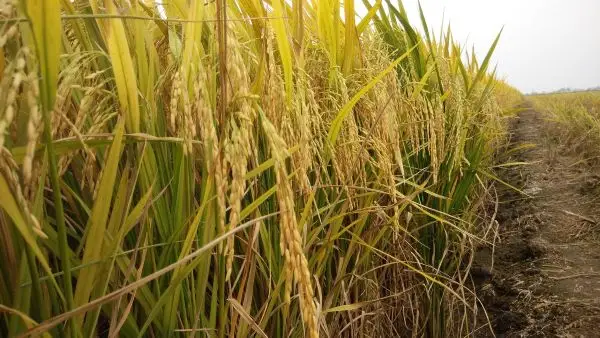
Kirehe District has announced that measures are being put in place to ensure that rice farmers are paid on time and in full, enabling them to invest in other personal development activities beyond rice farming.
This comes amid complaints from some rice farmers who say that after their harvest is sold, they often have to wait a long time to receive payment. When the money eventually comes, it’s usually in small portions, which limits its usefulness compared to receiving it all at once.
Beatrice Akingeneye, is a member of the COOPRIKI Cyunuzi cooperative based in Gatore Sector.
“They often give us money in portions, which doesn’t help much. If it came all at once, you could buy a goat or even renovate a house. But when it comes in bits or arrives late, it’s not useful. We want to receive our money in full so we can benefit from it.” She expressed
David Safari, a resident of Gahama Cell in Kirehe Sector, said:
“The problem we often face is that the rice lacks market access and just sits at the collection sites. Even when we’re paid, we only receive 70%. This disrupts farmers’ plans because a lot of investment goes into rice farming, and this delay causes significant hardship. If this issue were resolved, it would be a huge relief.”
Modeste Nzirabatinya, the Vice Mayor of Kirehe District in charge of Economic Development, said the local government is committed to following up with rice buyers and improving coordination to ensure no more delays in paying farmers.
“Firstly, as the local authorities, we continue to follow up. Once the rice is processed and reaches buyers, there’s a phase for preparing the payment list, and we also check whether the buyer has the funds to pay. We sometimes allow staggered payments depending on circumstances for instance, during a past season when the national rice market was struggling. But our goal is to improve collaboration with buyers and ensure timely payments.”He stated.
In the 2025B agricultural season, rice was planted on approximately 816 hectares of land in Kirehe District. This cultivation produced over 3,300 tons of rice, highlighting the region’s growing role in Rwanda’s rice production sector.
With production increasing, both farmers and authorities agree that streamlining payment processes is crucial not just for fairness, but also for encouraging agricultural investment and sustainability.