


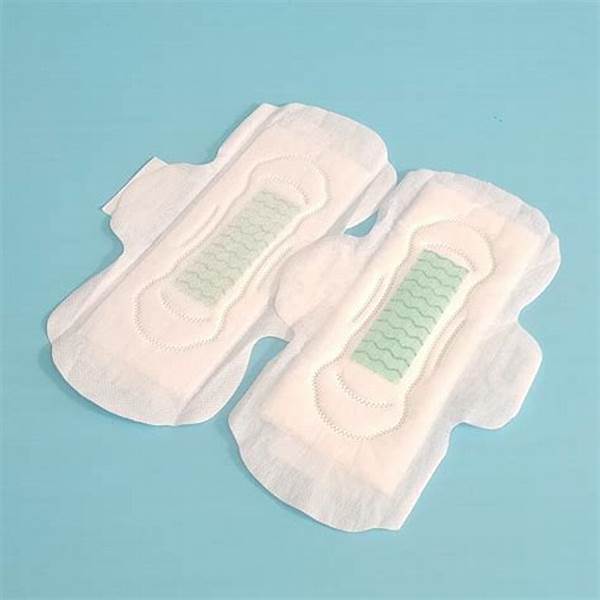
Some adolescent girls in Nduba Sector, located in Gasabo District, say they struggle to maintain hygiene during their menstruation due to a lack of menstrual hygiene products, especially sanitary pads.
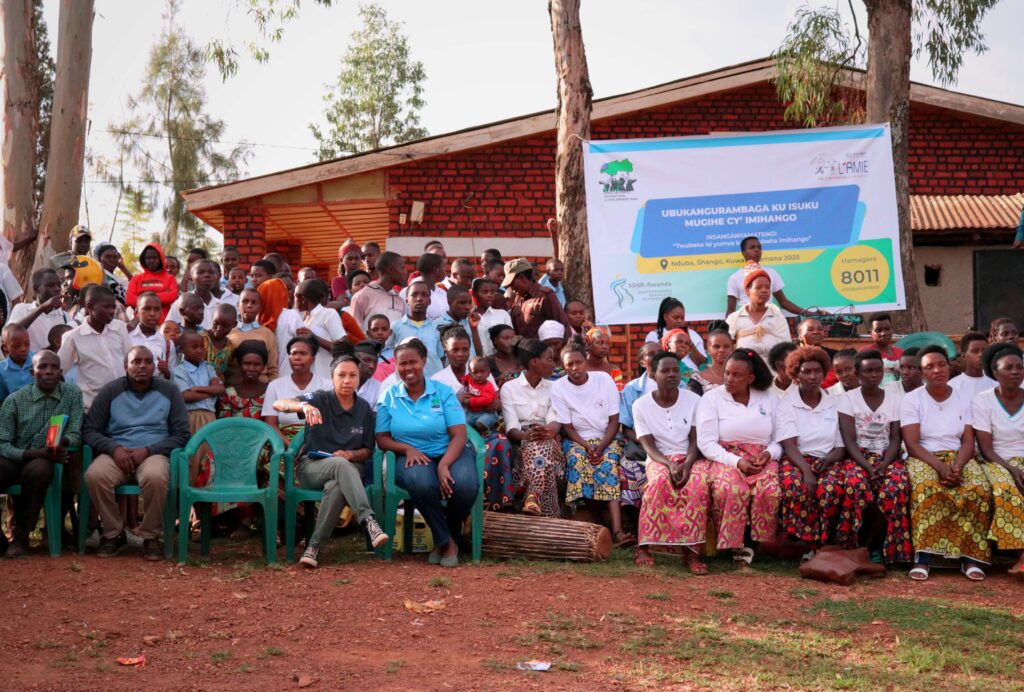
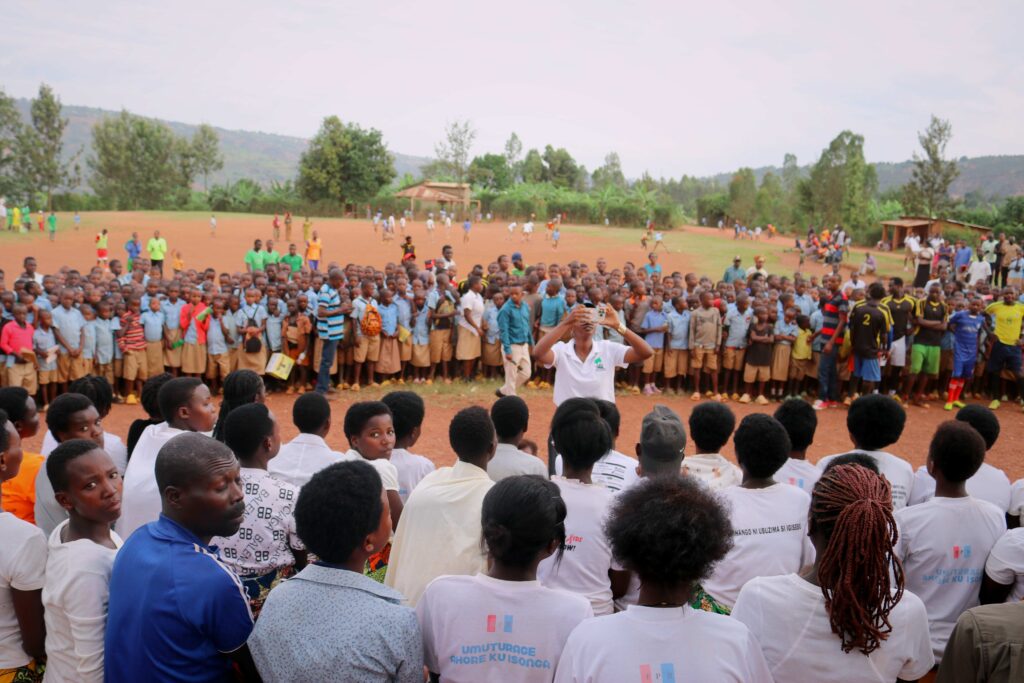
These girls shared their experiences during a menstrual hygiene awareness campaign held in Nduba sector under the theme: “Let’s Build a World that Understands and Values Menstruation.”
The campaign was organized by the organization Réseau des Femmes, through their Sexual and Reproductive Health and Rights project (SRHR), which operates in all sectors of Gasabo District. It was done in partnership with the Canadian organization L’AMIE.
Some of the girls interviewed explained that due to poverty, they cannot afford sanitary pads (cotex), which makes it difficult for them to maintain proper hygiene during menstruation.
Izere Pricilla said:
“It’s hard because I can’t afford pads. I use pieces of cloth but am not sure that those cloths are always cleaned properly.”
She added that this can lead to health problems:
“Sometimes I get rashes or wounds because the cloths get too hot and uncomfortable. If you don’t dry them well, you can also get infections.”
Mushimiyimana Therese shared:
“There were times I struggled due to financial constraints and a lack of knowledge. You try your best, maybe washing and reusing underwear, but it’s not ideal. Sometimes you get rashes, or it leaks heavily. You just feel helpless.”
Bazarama Marie Michele, a Social Assistant from Réseau des Femmes, said that some girls and women lack access to hygiene products because their families don’t prioritize it. That’s why, during the campaign, they also reminded parents and the community to value menstruation and support girls during their periods.
She said:
“We encouraged parents to make this a priority. Just as you make sure your child has food, you should also make sure they have the necessary hygiene products.”
She emphasized:
“Menstrual hygiene is not just the responsibility of the girl or woman experiencing it; it’s a family and community concern. The goal is to prevent girls from going through their periods without the basic necessities, which often happens because their needs are overlooked.”
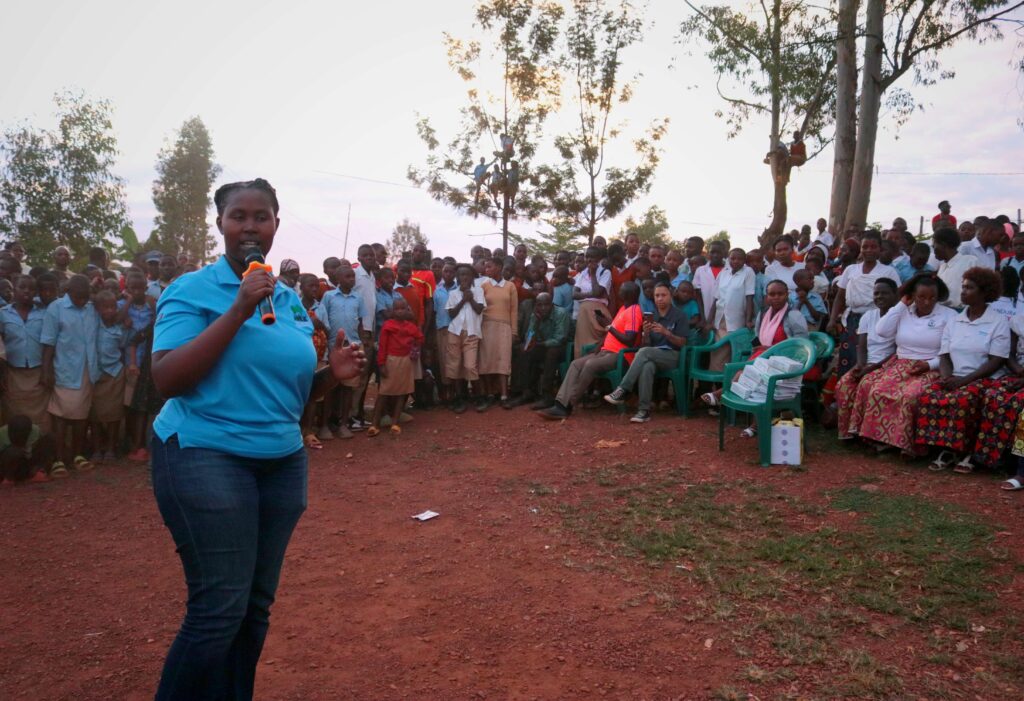
Bazarama Marie Michele, a Social Assistant from Réseau des Femmes during the campaign
Bataringaya William, the health officer in Nduba Sector, explained that in awareness campaigns run by local authorities, they encourage girls and women to do their best to access pads. For those who can’t afford sanitary pads, they are advised on how to stay hygienic using cloths.
He said:
“If a girl uses a piece of cloth, we advise that it should be dried properly in a clean place so that it can be reused safely.”
He also reminded people that there are reusable sanitary pads available, which can be a good alternative for those who can’t afford disposable ones.
“There are disposable pads you throw away after one use, and there are reusable pads that can be washed, dried, and used again.”

Bataringaya William, the health officer in Nduba Sector
Menstrual hygiene is a critical issue, and every year on May 28, the world marks Menstrual Hygiene Day. This year, the day was commemorated under the theme: “Let’s Build a World that Understands and Values Menstruation.
Aline Nyampinga