


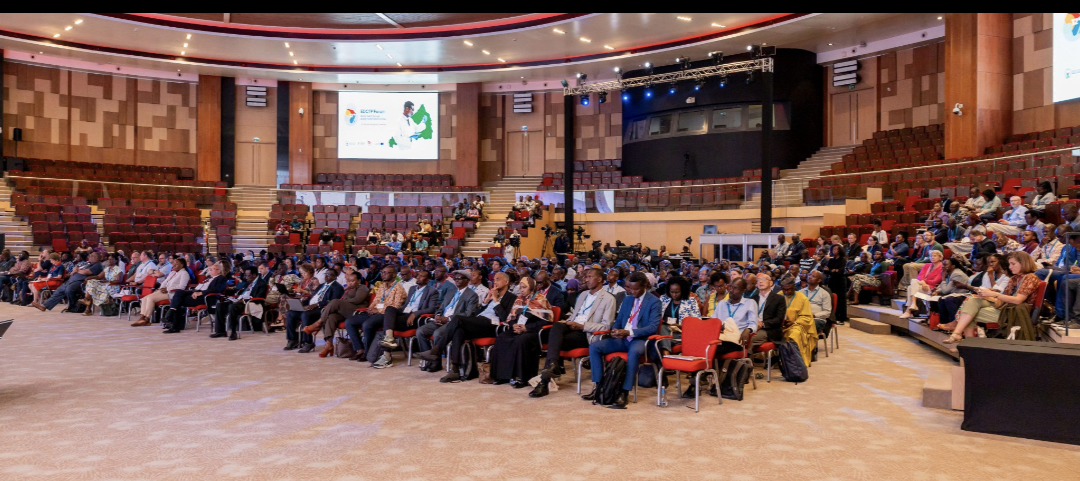
To significantly boost Africa’s role in global health research, especially that of young scientists, Dr. Sabin Nsanzimana, Rwanda’s Minister of Health, emphasized the urgent need for tailored capacity-building and stronger investment in research.
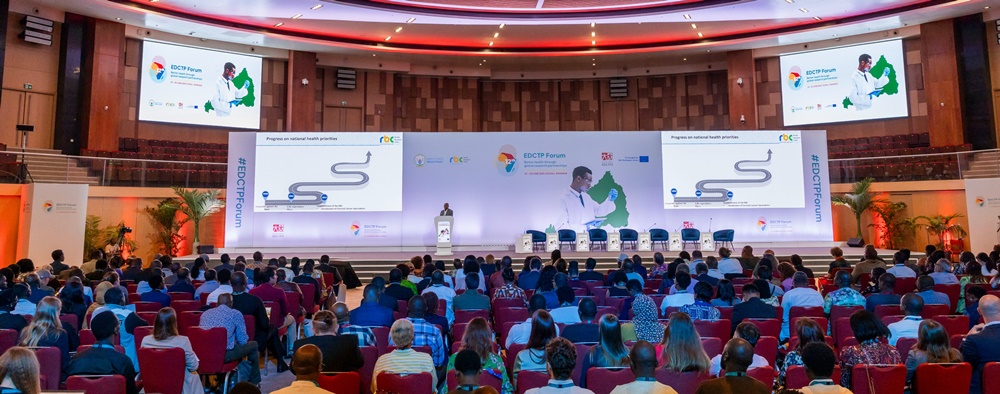
He shared these insights during the opening of the 12th EDCTP Forum, held at the Kigali Convention Centre from June 15 to 20. The forum, themed “Better Health Through Global Research Partnerships,” brings together a broad mix of stakeholders from research institutions and universities to health experts, government leaders, regulatory agencies, civil societies as well as the private sector partners.
Dr. Nsanzimana highlighted the disproportionate burden of disease carried by sub-Saharan Africa. Although the region is home to 20% of the world’s population, it bears nearly 25% of the global disease load while contributing only 3% to global clinical research, a modest increase from 2% a decade ago.
He stressed that reversing this imbalance requires investment in young researchers and system reforms that support innovation and knowledge generation across the continent.
“We need to train young people, beginning with basic research, to bridge this historical gap. This is not only for Africa, but for global benefit, because diseases have no borders,” he said.
Rwanda, is fully committed to these goals, aiming to elevate Africa’s contribution from 3% to as much as 50% in the future. “Innovative solutions from vaccines to cancer treatments, can come from anywhere, be in Kigali, Lagos, or Djibouti. But we must empower our young talent with the right tools and support.” He confirmed.
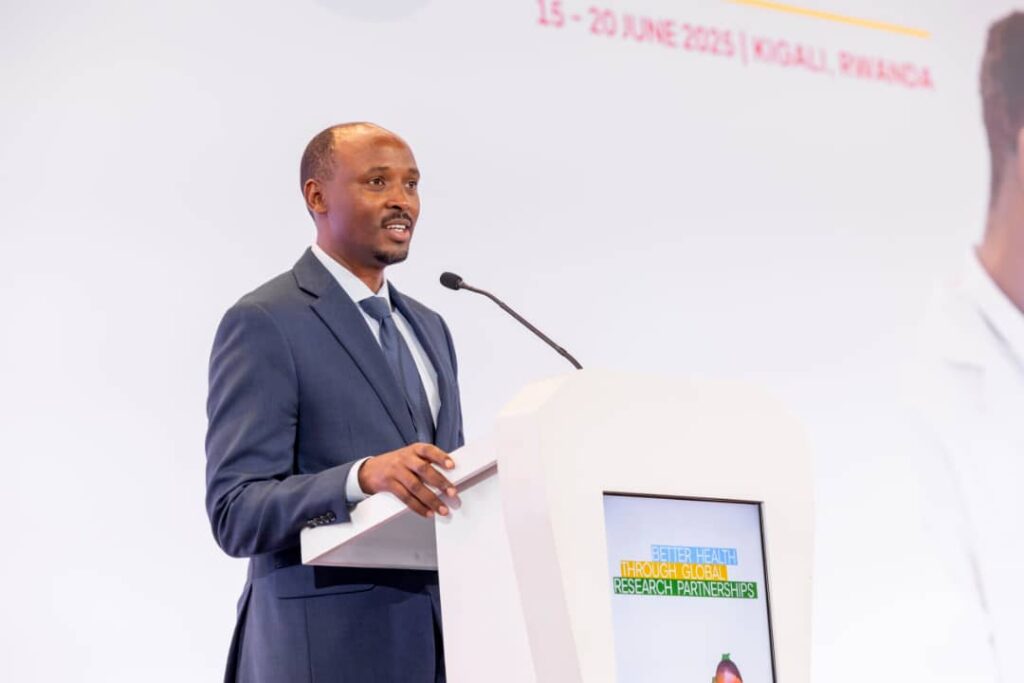
Dr. Sabin Nsanzimana, Rwanda’s Minister of Health
Henning Gädeke, Chair of both the EDCTP Association Board and the Global Health EDCTP3 Governing Board, emphasized the broader geopolitical context. He noted that this year’s forum is especially timely as the EU prepares to unveil its next Research Framework Program.
“This forum shows why global health research is not optional, it directly impacts millions of lives,” he stated. “Joint funding between the EU and sub-Saharan Africa, along with support from industry and philanthropies, must continue. Political will is essential to maintain momentum and prevent setbacks.”
Gädeke concluded by stressing that Africa and Europe must stand together to protect and expand the gains made in global health. “Health research is not a luxury,it is a necessity.”
Representing the World Health Organization’s African Regional Office, Constance Assohou-Luty echoed these sentiments. She underscored that sustainable health systems in Africa depend on the ability to generate and apply local evidence to solve local health challenges.
“A robust clinical research ecosystem must rest on strong ethical and regulatory frameworks,” she noted. “Capacity building, advancing research in priority areas, strengthening primary care, and leveraging technology are essential to achieving better health outcomes.”
EDCTP is a partnership between the governments of 15 European and 30 African countries and the European Commission, working together to alleviate the health and economic burden of infectious diseases in Africa.
Aline Nyampinga