


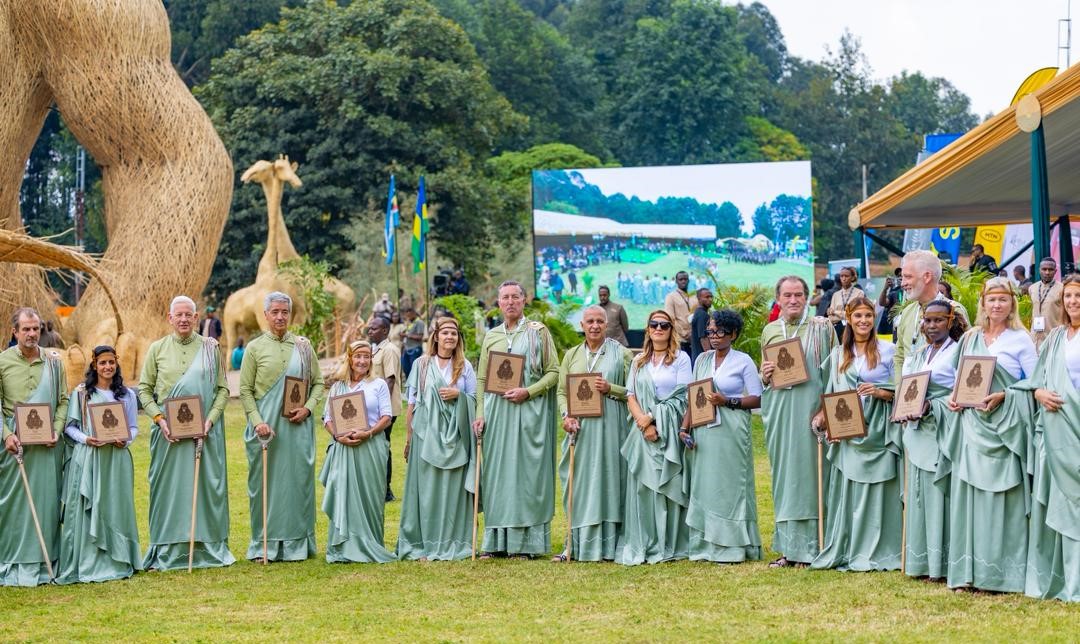
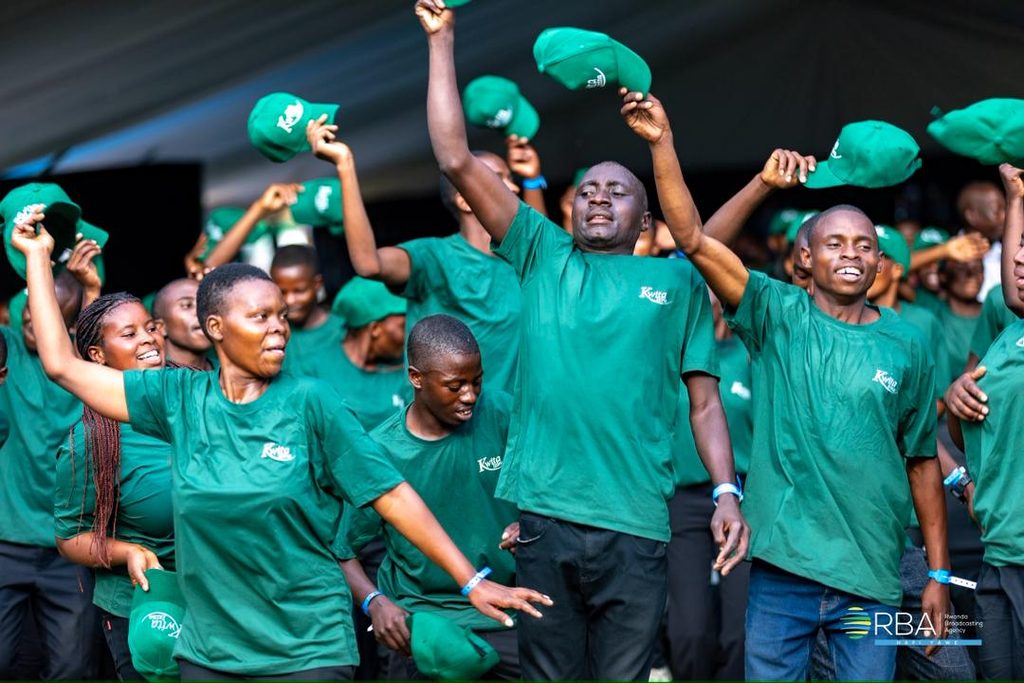
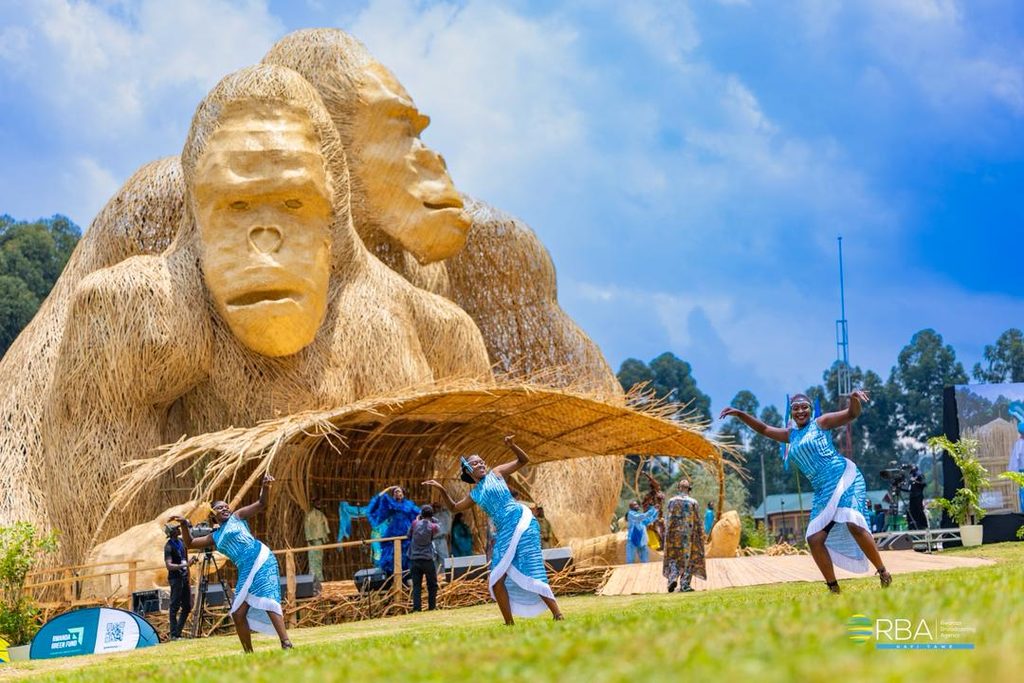
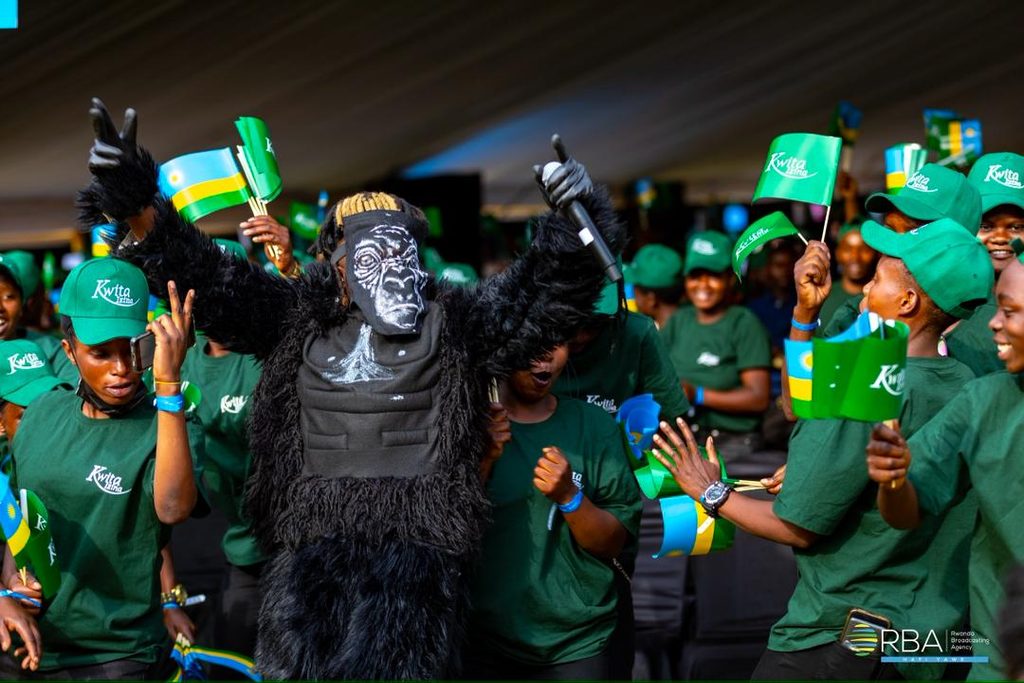
Rwanda is celebrating the 21st edition of Kwita Izina, its annual mountain gorilla naming ceremony, with conservation at the heart of a national event that brings together government officials, conservationists, researchers, tourism stakeholders, communities and international guests.
Held in Kinigi at the foothills of Volcanoes National Park, this year’s ceremony is taking place under the theme “Conservation is Life: Sustaining the Future.” Twenty-two baby mountain gorillas are being named as Rwanda highlights the connection between wildlife protection, sustainable tourism and community development.
Kwita Izina has become one of Rwanda’s most prominent conservation events since it was officially launched in 2005. According to the Rwanda Development Board, 438 mountain gorillas had been named through the ceremony before this year’s edition.
The event comes as Rwanda continues to record growth in its mountain gorilla population. The Rwanda Development Board says close to 1,100 mountain gorillas live in the wild across the Virunga Massif and Bwindi ecosystem, making them the only great ape population currently showing continued growth.
Speaking ahead of the ceremony, Eugène Mutangana, Executive Secretary of the Rwanda Nature Foundation, described Kwita Izina as an example of how conservation can support wider development.
“For over two decades, Kwita Izina has showcased Rwanda’s belief that conservation is not simply about protecting wildlife. It is about creating opportunities for people, supporting communities, growing tourism and ensuring that future generations inherit a healthy and thriving natural environment.”
Mutangana also stressed the importance of maintaining healthy ecosystems as Rwanda develops its nature-based tourism industry.
“Mountain gorilla trekking remains Rwanda’s leading tourism attraction, while continued investment across our national parks is helping diversify visitor experiences and position Rwanda among the world’s leading high-value nature tourism destinations.”
For communities in Northern Rwanda, the ceremony has become both a conservation celebration and a symbol of the economic opportunities created by tourism.
Maurice Mugabowagahunde, Governor of the Northern Province, said Kwita Izina has particular significance for communities living close to the gorilla habitat.
“Kwita Izina is a great source of pride, especially for the people of the Northern Province. More broadly, it demonstrates the remarkable progress Rwanda has made in conserving the mountain gorillas and protecting our biodiversity, while bringing more visitors and partners to be part of this journey.”
That connection between conservation and livelihoods is reflected in Rwanda’s Tourism Revenue Sharing Programme, under which 10 per cent of national park tourism revenues is reinvested in communities surrounding protected areas. The Rwanda Development Board says more than RWF23 billion has been invested in nearly 1,300 community projects, including schools, health centres, water infrastructure and livelihood initiatives.
Thadee Twagirimana, Director General of Environment and Climate Change at the Ministry of Environment, said environmental protection must remain central to the country’s tourism ambitions.
“As Rwanda continues positioning itself as a premium and eco-conscious tourism destination, environmental sustainability must remain at the centre of tourism development. A world-class tourism destination must also be a world-class environmental destination.”
The 2026 programme has extended beyond the naming ceremony itself. Activities have included a conservation exhibition in Kinigi, screenings of the documentary A Gorilla Story, gorilla trekking experiences for invited guests and a community celebration in Musanze.
The celebrations also come as Rwanda advances plans to expand the habitat available to mountain gorillas. The Volcanoes Community Resilience Project includes a proposed expansion of Volcanoes National Park by approximately 3,740 hectares, alongside the establishment of buffer zones intended to support biodiversity and reduce human-wildlife conflict.
Prime Minister Dr. Justin Nsengiyumva has repeatedly emphasized the importance of linking environmental protection with Rwanda’s long-term development ambitions. In the context of Kwita Izina, the government’s message is that conservation must deliver benefits for both nature and communities.
“Conservation is not a choice between protecting nature and developing our country. It is about finding a sustainable way to do both, so that our natural heritage continues to support the wellbeing of our people and future generations.”
For Rwanda, the significance of Kwita Izina therefore extends beyond the naming of newborn gorillas. The ceremony has become a platform for demonstrating how protecting wildlife can generate tourism, support communities and strengthen the country’s broader environmental agenda. As the 22 young gorillas receive their names in Kinigi, the message behind this year’s theme is clear: conservation is being presented not only as a responsibility to protect wildlife, but as an investment in Rwanda’s people, environment and future.
Photos @ RBA