Rwanda’s energy sector is entering a new phase of expansion, with electricity generation capacity having nearly doubled from 238.36 megawatts (MW) in 2020/21 to 467.14MW, while electricity access has climbed to 85.4% of households, according to the Rwanda Energy Group (REG).
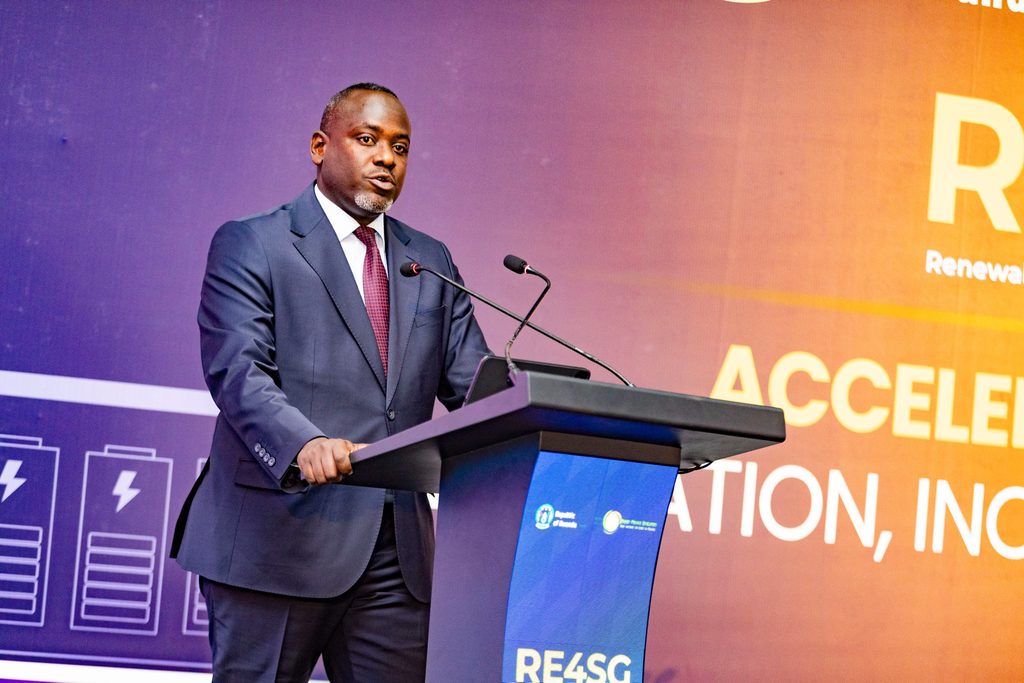
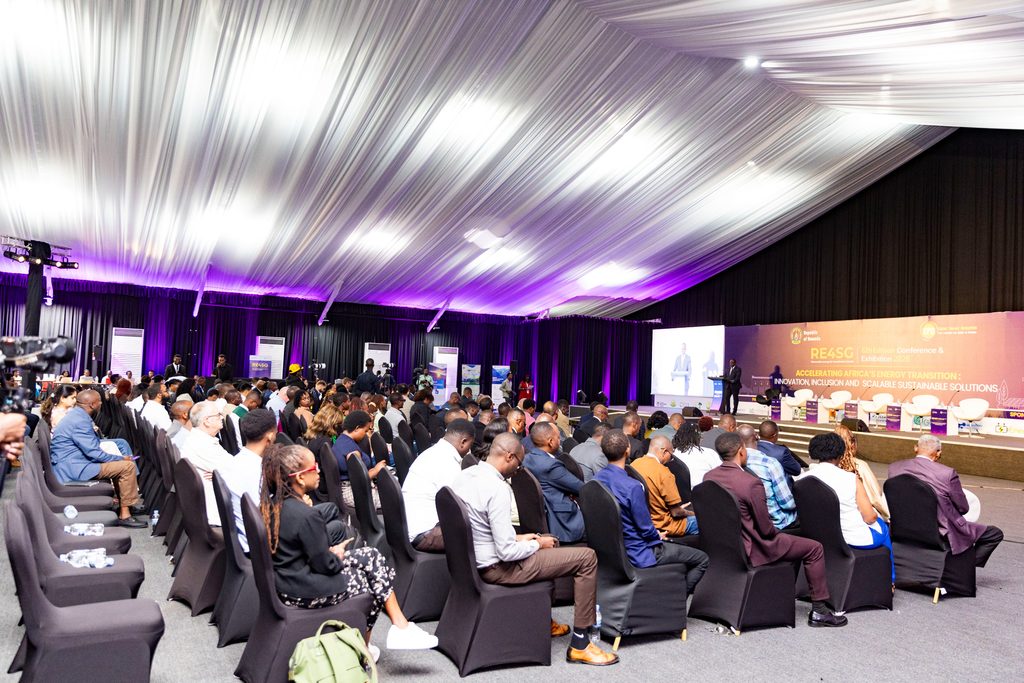
The progress is taking centre stage in Kigali this week as policymakers, investors, energy developers, innovators and development partners gather for the sixth Renewable Energy for Sustainable Growth (RE4SG) Conference and Exhibition.
The three-day event, running from September 8 to 10, is being held under the theme “Accelerating Africa’s Energy Transition: Innovation, Inclusion and Scalable Sustainable Solutions” organized by the Energy Private Developers (EPD), the summit is bringing together public and private-sector players to explore how investment, technology and partnerships can accelerate Africa’s transition towards cleaner and more sustainable energy.
REG says installed generation capacity increased from 238.36MW in the 2020/21 fiscal year to 467.14MW, while electricity access rose from 64.53 per cent to 85.4 per cent over the same period. Of the households with access, 60.1% are connected to the national grid, while 25.3 per cent rely on solar energy.
The figures point to a rapidly expanding energy system, with renewable solutions playing an important role in extending electricity to communities beyond the reach of the national grid. The progress also provides a foundation for Rwanda’s next ambition: expanding generation capacity further while ensuring that electricity can support a growing economy.
REG’s 2024–2034 Strategic Plan sets a target of increasing installed generation capacity from 406MW to 1,066MW and above, while maintaining a policy target of at least 60 % of the energy mix from renewable energy sources. The plan also calls for major expansion of the electricity transmission and distribution network to ensure that new generation can reach consumers across the country.
That investment will be critical as demand grows from households, businesses and productive sectors. The energy transition is therefore increasingly being viewed as an important part of Rwanda’s wider economic transformation providing the power needed for industry, agriculture, services, transport and the digital economy.
With the scale of infrastructure required, attracting private capital is becoming increasingly important. That is one of the central objectives of the RE4SG summit, which combines policy discussions with exhibitions, project presentations and business-to-business and business-to-government matchmaking.
EPD Chief Executive Officer Serge Wilson Muhizi described the summit as a platform for moving from ambition to implementation.
“RE4SG 2026 is not simply a conference; it is a marketplace for turning energy ambition into bankable opportunities, strategic partnerships and measurable impact.”
The focus on investment is reflected in the programme, which includes discussions on national energy commitments, public-private partnerships, financing, regulatory reforms and strategic partnerships.
Discussions at the event cover solar, hydropower, methane, energy storage, clean cooking, e-mobility and other emerging technologies. The programme also looks at the relationship between energy and sectors such as agriculture, transport and digital infrastructure.
Meanwhile, the growing adoption of electric mobility is creating a new connection between Rwanda’s transport and energy sectors, while clean-cooking solutions are opening another important front in the transition to cleaner energy.
The summit is positioning Kigali as a platform where policymakers, financiers, developers and technology companies can connect around Africa’s energy needs. The event brings together government representatives, private-sector leaders, utilities, development partners, researchers, academics and civil society organizations. The program also includes discussions on Mission 300, Africa-China cooperation, renewable-energy ecosystems, energy storage, e-mobility and private-sector solutions.
Alongside the conference, companies are showcasing technologies and solutions while networking sessions are creating opportunities for new partnerships and investment connections.
Electricity access has moved from 64.53 per cent to 85.4 per cent, while generation capacity has risen from 238.36MW to 467.14MW in roughly five years. Under its 2024–2034 strategic plans, REG aims to take installed generation capacity to 1,066MW and above, while maintaining a strong focus on renewable energy and expanding the networks needed to deliver power to consumers.
The RE4SG summit comes at a moment when Rwanda is therefore not starting its energy transition from scratch. It is building on measurable progress and using Kigali as a platform to attract the investment, technology and partnerships needed to take that progress further. For the thousands of businesses and households that depend on reliable electricity, the ultimate significance of the energy transition is simple: more power, wider access and a stronger foundation for Rwanda’s next chapter of economic growth.