The first phase of the Green Amayaga Project has positively transformed the lives of thousands of residents in Gisagara District, with women and young people accounting for 60 percent of the more than 100,000 beneficiaries reached through various environmental conservation and climate resilience initiatives.
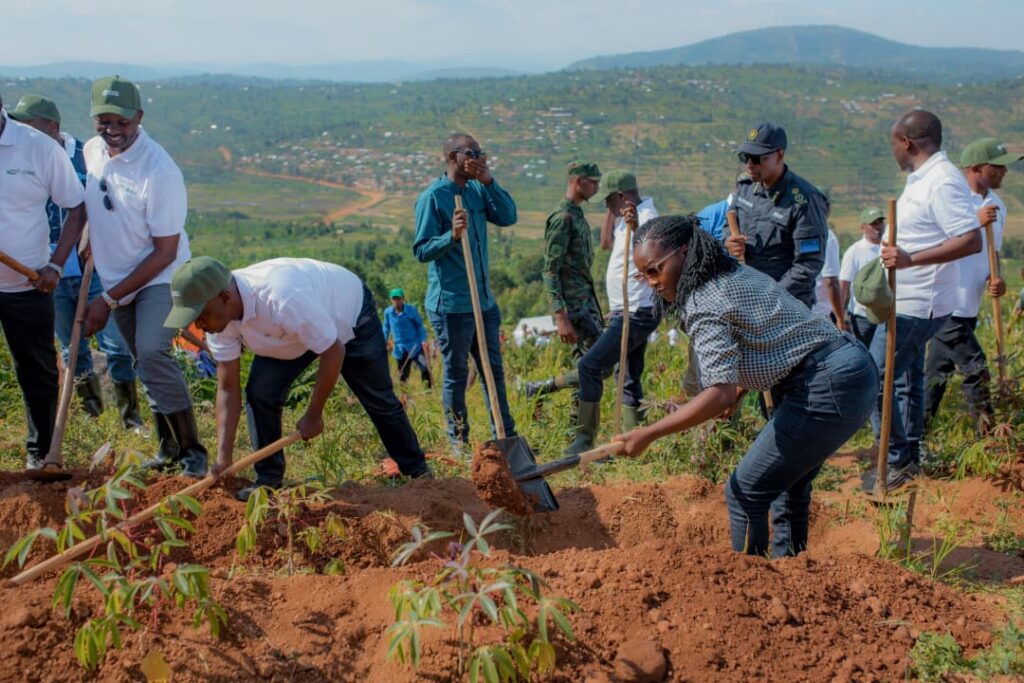
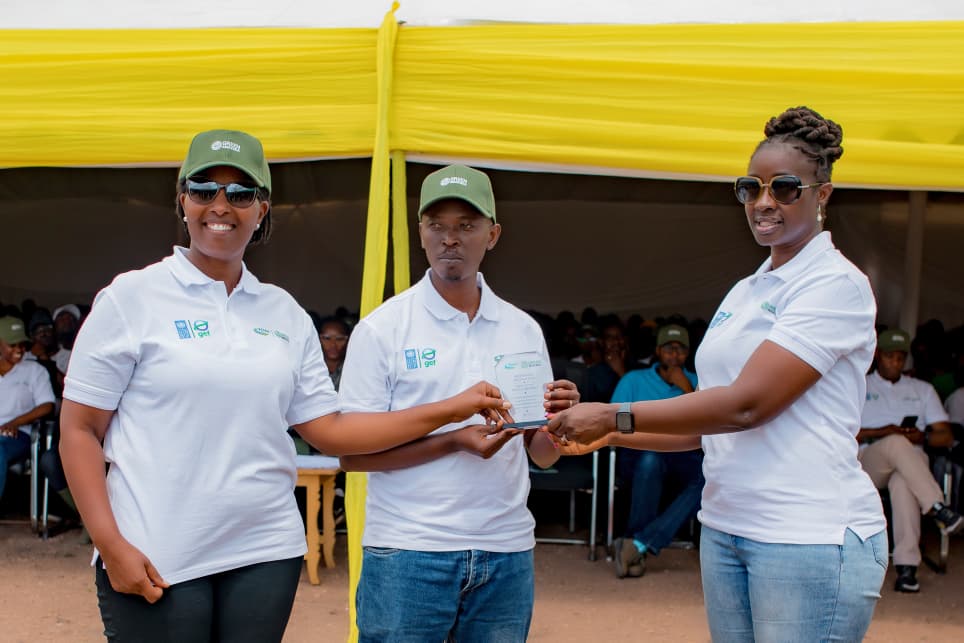
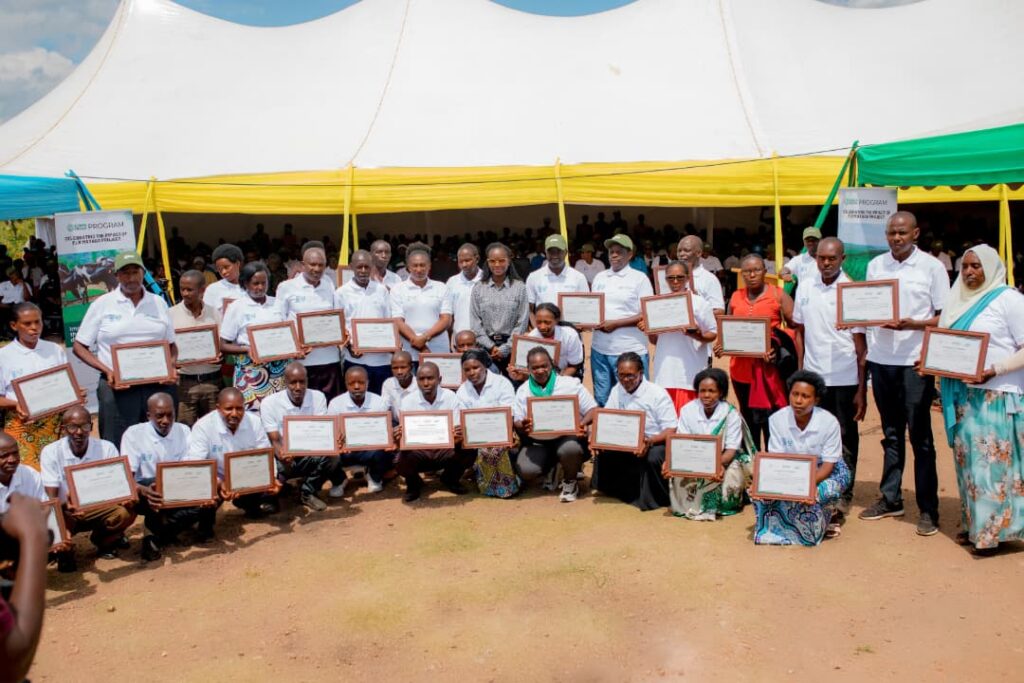
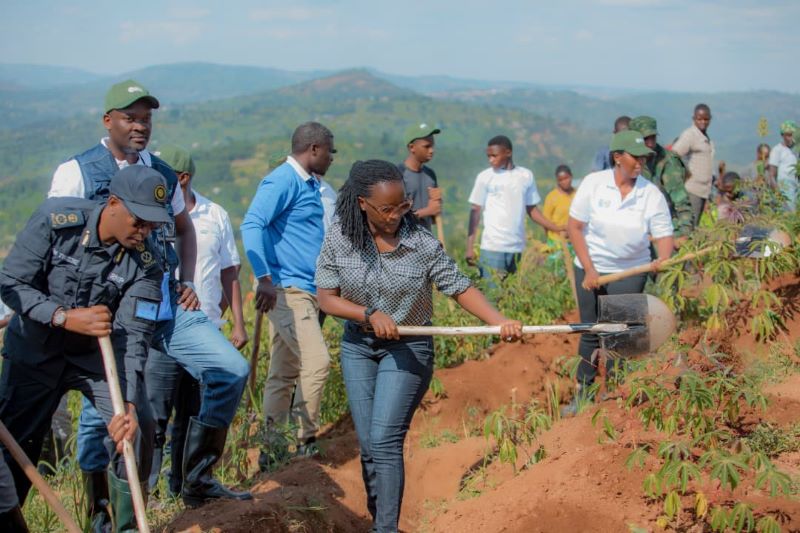
The achievements were highlighted during the launch of National Environment Week, which was combined with the official closure of Green Amayaga Phase One and the launch of Phase Two. The event took place in Rwatano Village, Mbogo Cell, Gikonko Sector, and brought together government officials, development partners, local leaders, and community members.
Over the past six years, Green Amayaga has implemented a wide range of activities aimed at restoring degraded ecosystems, promoting sustainable agriculture, improving livelihoods, and strengthening communities’ capacity to cope with the effects of climate change.
For many residents, the project has become a catalyst for economic and environmental transformation. Jean Paul Birindwa, a farmer from Gisagara District who benefited from the project, said Green Amayaga introduced him to avocado farming, which has become an important source of income for his family.
“We started working with Green Amayaga in 2022 through avocado cultivation. The project demonstrated what is possible when environmental protection and income generation go hand in hand. Our farms have become more productive and valuable, while the avocado trees have helped control soil erosion. As the first phase comes to an end, we hope our partners will continue supporting us because we still have ambitions to achieve,” he said.
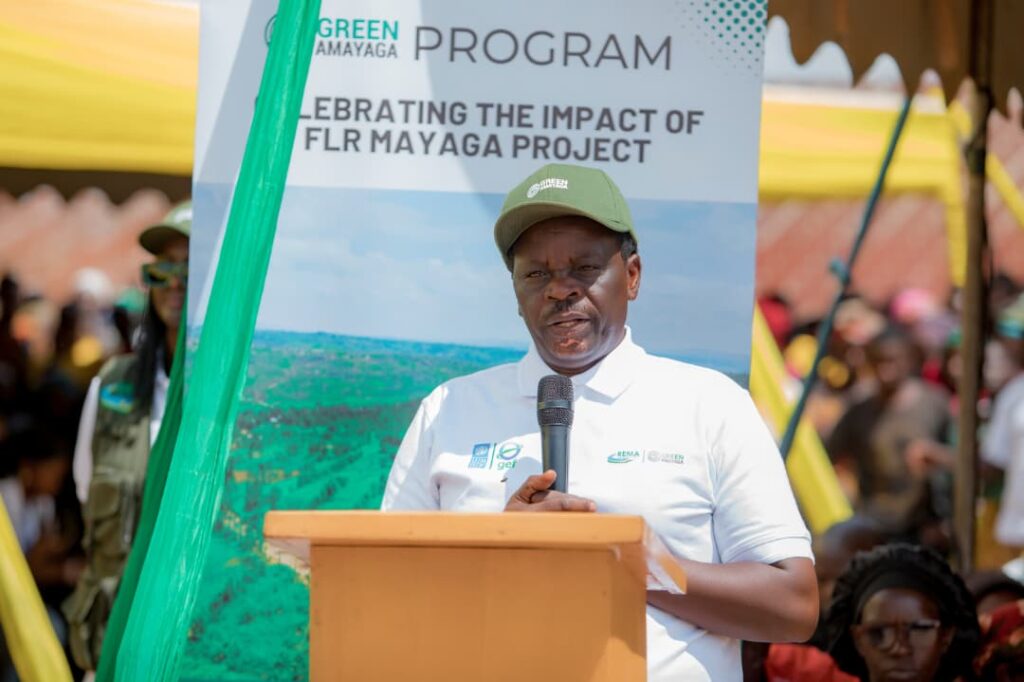
Another beneficiary, Francine Mukarugina from Gikonko Sector, admitted that she was initially skeptical about the project. However, her perspective changed after witnessing the visible environmental improvements in her community.
“At first, I did not understand the importance of the project. But as the trees we planted grew and the hills that used to be bare became green again, I began to appreciate its value. Today, I can see that the project is improving our environment and creating opportunities for better livelihoods,” she said.
Speaking during the event, Jerome Rutaburingoga, Gisagara District Mayor noted that the project has delivered tangible benefits to residents while contributing to the district’s sustainable development goals.
“The project’s interventions reached more than 100,000 people, with women and youth making up 60 percent of the beneficiaries. It also created approximately 5,000 green jobs linked to environmental conservation and climate resilience activities,” he said.
According to the mayor, Green Amayaga supported farmers engaged in the production of maize, cassava, vegetables, and sugarcane, while also strengthening community-based initiatives that promote climate-smart agriculture and environmentally friendly income-generating activities.
He emphasized that the project has not only improved household incomes but has also enhanced communities’ ability to withstand climate-related challenges such as drought, soil erosion, and land degradation.
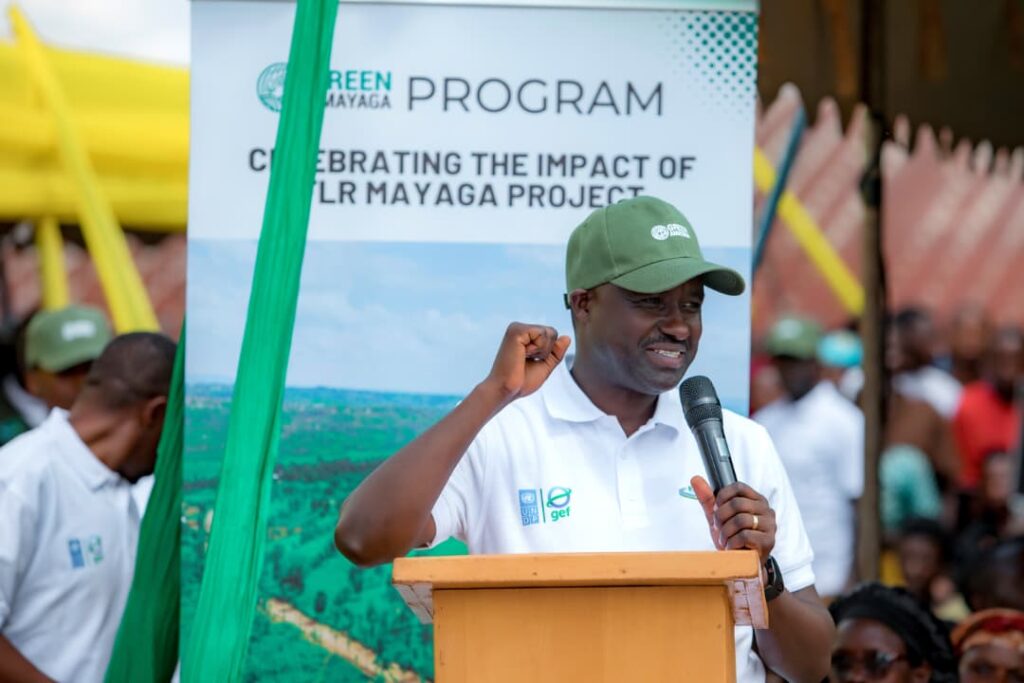
Dr. Bernadette Arakwiye, the environment minister praised the communities that participated in the implementation of the first phase of the project, saying their commitment and ownership were key factors behind its success.
“I would like to thank all residents in the districts where Green Amayaga Phase One was implemented for their active participation and commitment, which enabled the project to achieve its objectives. As we launch Phase Two, I encourage communities in Gisagara District to continue working together to build resilience against climate change and restore degraded ecosystems,” she said.
The Minister stressed that environmental conservation is a shared responsibility and that long-term success depends on sustained community involvement and collaboration among stakeholders.

The first phase of Green Amayaga was implemented with a budget of USD 7 million, while the second phase will require an investment of USD 20 million, reflecting the government’s and partners’ commitment to scaling up climate resilience and environmental restoration efforts in the region.
Among the major achievements recorded during the first phase in Gisagara District were the distribution and planting of thousands of fruit trees, the planting of bamboo along riverbanks to protect water bodies and prevent erosion, and the establishment of grevillea trees to stabilize soils and restore degraded landscapes. The project also promoted the use of clean energy by providing cooking gas systems to five schools, reducing dependence on firewood and helping to protect forests. Furthermore, 217 vulnerable households received cows through a livestock pass-on program, improving nutrition, household income, and agricultural productivity.
Local authorities acknowledged that Green Amayaga has made a substantial contribution to Gisagara District’s development agenda by improving environmental sustainability, creating employment opportunities, boosting agricultural productivity, and enhancing the well-being of communities. As Phase Two begins, stakeholders expressed optimism that the project will build on the successes of the first phase and continue supporting communities in adapting to climate change while promoting sustainable economic growth and environmental protection across the district and the wider Amayaga region.