


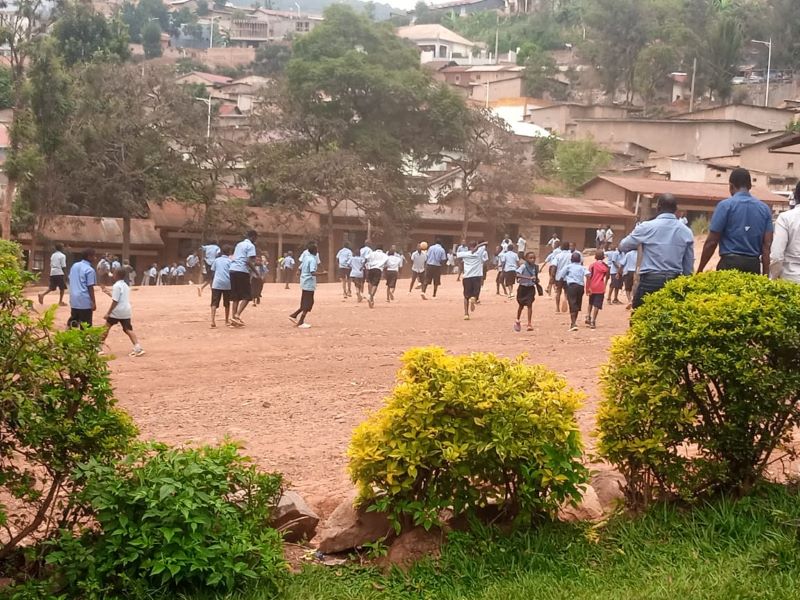
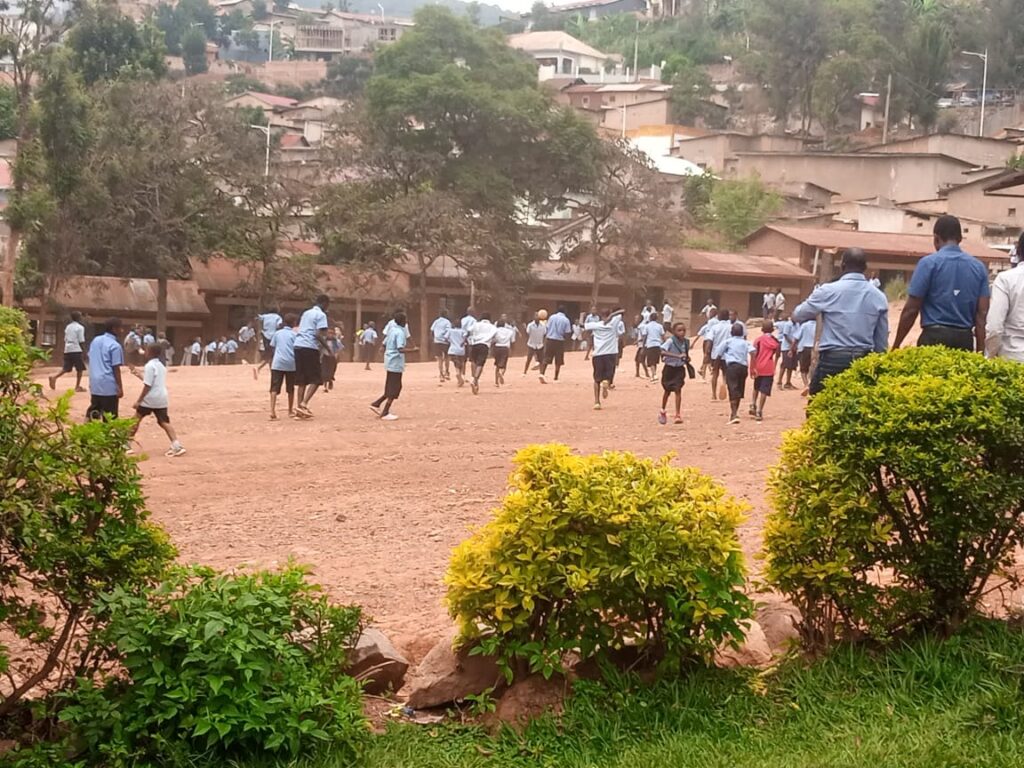
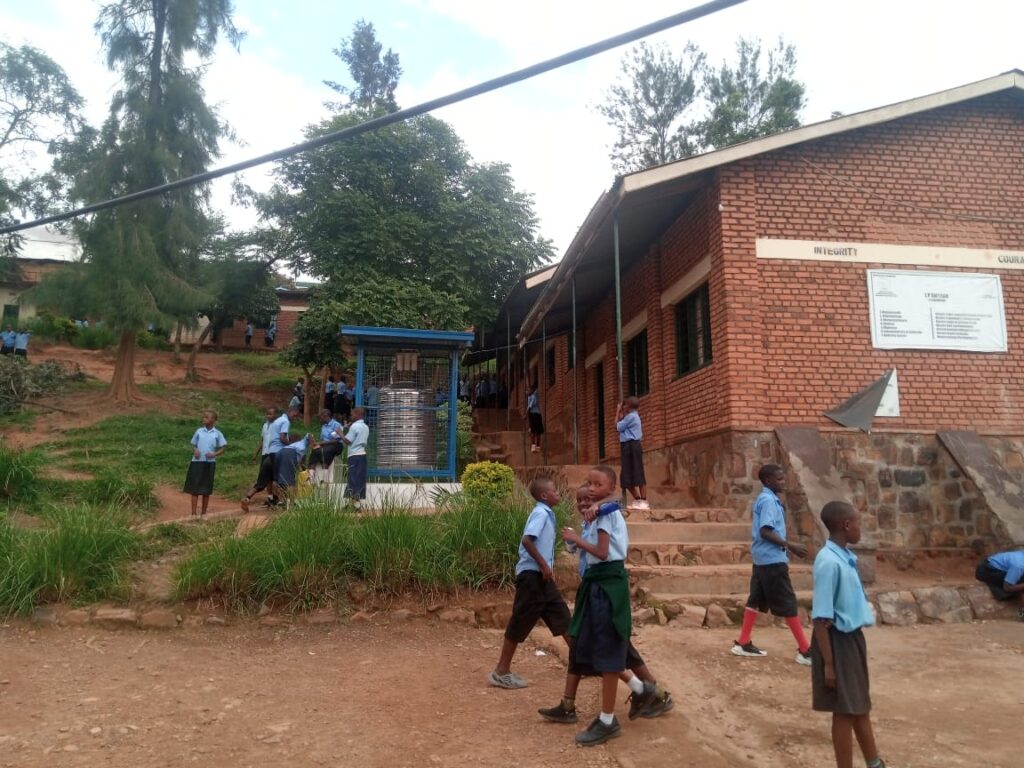
The Dusangire Lunch initiative, launched in June 2024, was designed to address the challenges many children faced due to hunger. Before the programme, parental contributions toward school meals were low, and many children skipped school or dropped out entirely. Those who attended often struggled to concentrate, sometimes falling asleep during lessons and performing poorly academically.
Faced with these challenges, the government turned to a solution rooted in self-reliance and national solidarity. Dusangire Lunch mobilized Rwandans and friends of Rwanda to contribute toward sustaining school feeding nationwide. The campaign strengthened parental involvement, with some parents even covering meal fees for up to 50 children.
Today, parents, community members, institutions, government agencies, and members of the Rwandan diaspora all contribute financially to ensure children receive meals at school. Funds are used to purchase maize flour, beans, rice, cooking oil, vegetables, firewood, and to pay cooks. Contributions also cover essential hygiene materials, including soap, jerrycans, and buckets.
Transforming Lives: Voices from the Community
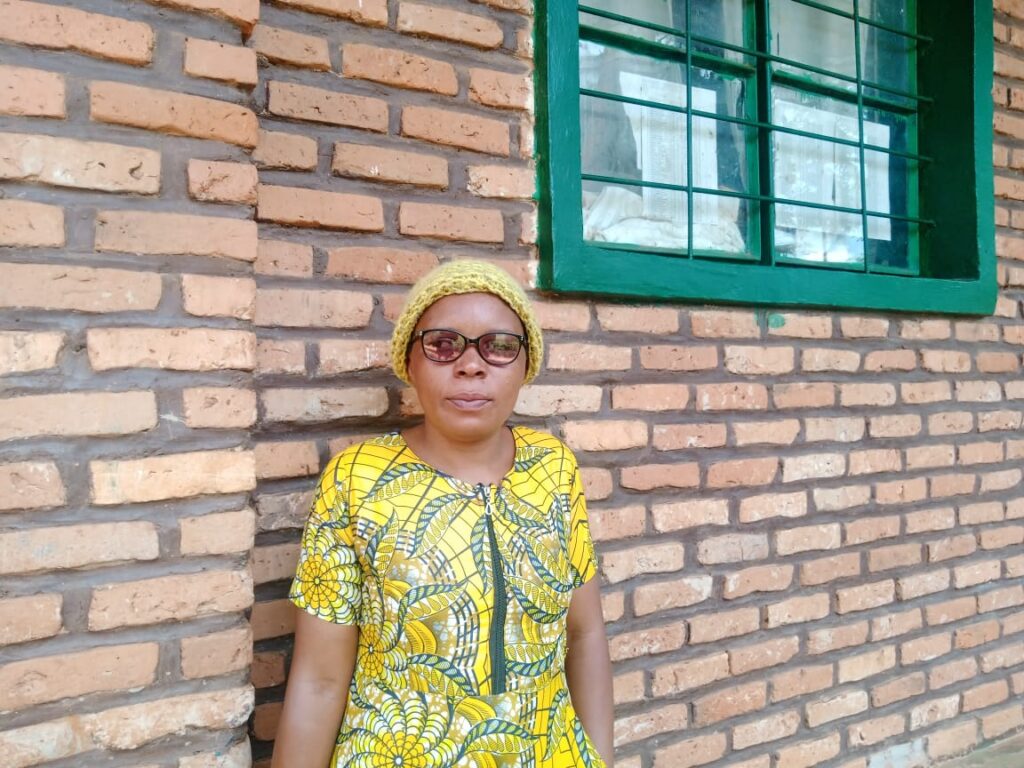
For many families, Dusangire Lunch has been life changing. Josee Musabyeyezu, a mother from Amahoro Village, Rwampala Cell, Nyarugenge Sector, whose children attend GS Biryogo, says the program has completely transformed her children’s relationship with school:
“Before the school feeding program began, my children often came home for lunch only to find nothing to eat. Watching them suffer from hunger brought me to tears, and some eventually dropped out of school. But now they eat at school, receive a balanced diet, and are happy. They study well and pass their exams.”
A formerly orphaned child who had left school and turned to street life shared a similar story:
“Leaders asked why I had left school. I told them it was because of hunger. They asked me to return, and I agreed. Since that day, I have never gone back to the streets because I receive meals at school through Dusangire Lunch. It also relieved my fear of not being able to pay for meals, since well-wishers had already provided my uniform and school materials.”
Improved Attendance and Academic Performance
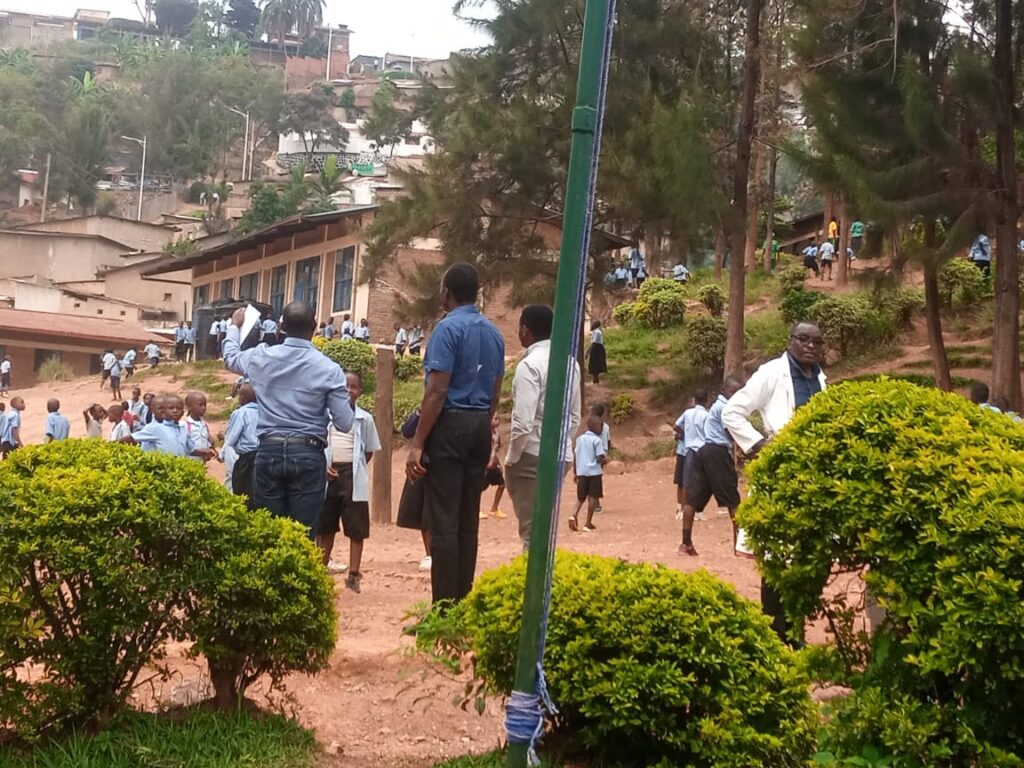
According to Nsengimana Charles, a head teacher of GS Biryogo, the program has significantly reduced dropout rates and improved academic performance:
“Many children now enjoy coming to school. Dropouts have decreased substantially because Dusangire Lunch complements the national school feeding program. Children perform better academically because they eat sufficient and nutritious meals. We now have adequate supplies of beans, maize flour, rice, and cooking oil, and we even grow vegetables to ensure a balanced diet.”
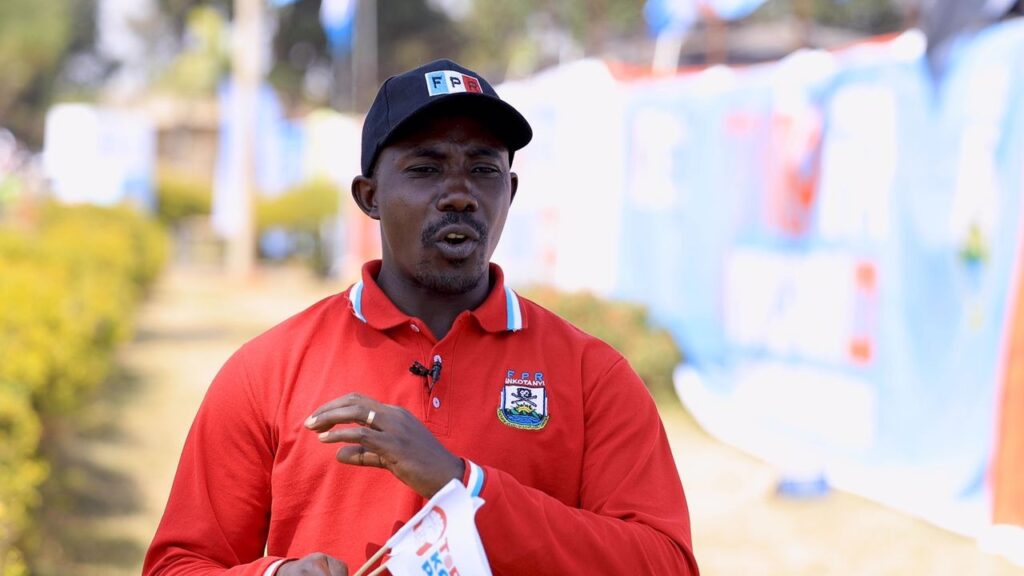
The program remains affordable, with parents of primary school children asked to contribute 975 Rwandan francs per term, not exceeding 3,000 francs per year. Contributions can also be made conveniently via mobile platforms by dialing 1823*10*3#.
A Ministry of Education Rwanda report released in March 2025 shows that the school dropout rate decreased from 6.8% when the programme began in 2021 to 4.7% in the 2023/2024 academic year, highlighting its positive impact on keeping children in school.
The Director General of School Health and Wellness at MINEDUC, Jean Damascene Nsengiyumva, notes that the initiative has also boosted parental engagement. He says parental contributions to school meals have risen to over 70 percent, up from 65 percent in 2023, driven by sustained awareness efforts.
Economic Adjustments and National Commitment
Teddy Kaberuka, the Economic expert, observes that There was foreign assistance that had traditionally supported school feeding programs, but the Government of Rwanda continued to seek ways to ensure the program remained operational, including through the Dusangire Lunch initiative and other budgetary reforms.
“The government had to find ways to fill the funding gap created by the loss of foreign aid. Through Dusangire Lunch, as well as reallocation of resources and tax adjustments in 2025, Rwanda ensured that school feeding would not stop. If the government committed to feeding every child at school, it had to identify sustainable funding sources.”

Aligning with National and Global Goals
Dusangire Lunch supports Rwanda’s national commitment to educate every child and provide a balanced diet. It also aligns with Sustainable Development Goal 2 (Zero Hunger) and Goal 4 (Quality Education). In Rwanda’s 2025/2026 national budget, the school feeding program receives a larger allocation than in previous years. The government has increased its contribution to Rwf 135 billion, up from Rwf 94 billion in 2024/25.
Dusangire Lunch demonstrates how national solidarity can sustain critical social programs in times of financial uncertainty. By mobilizing citizens, institutions, and the diaspora, Rwanda has reinforced its commitment to ensuring no child drops out of school because of hunger. In the face of external funding challenges, the initiative stands as a model of collective responsibility, proving that when a nation shares the burden, it can safeguard the future of its children.
By Clementine Nyirangaruye