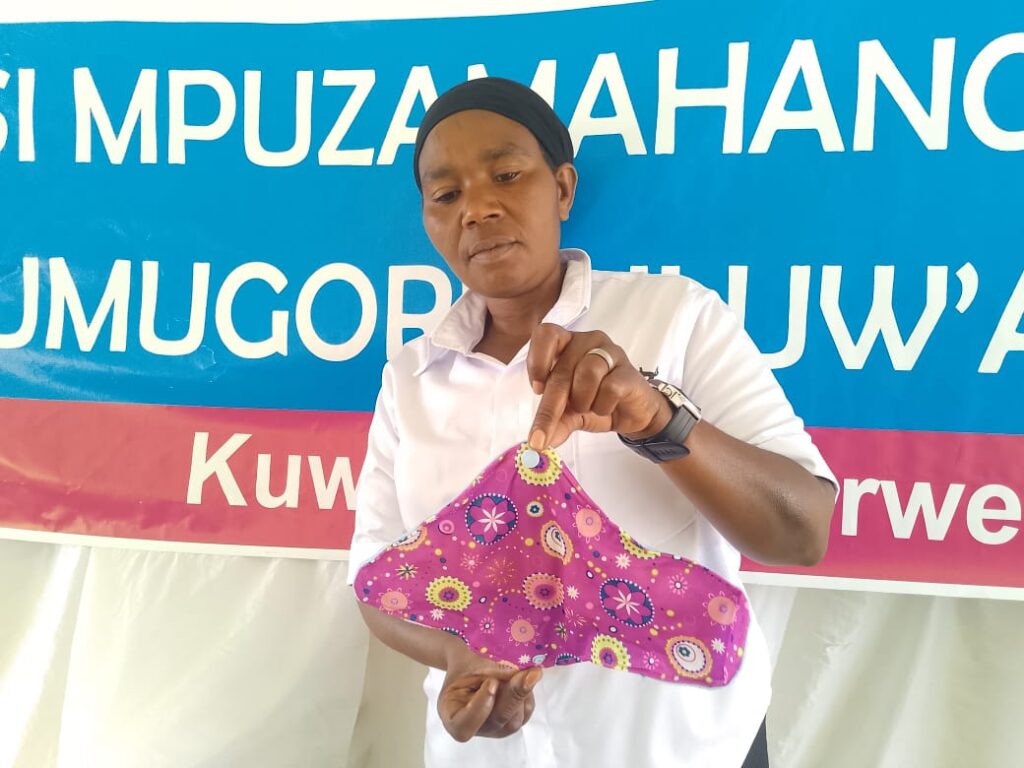
In many rural parts of Rwanda, girls and women continue to face challenges in accessing sanitary pads during their menstrual periods, largely due to limited financial means. As a result, some have been forced to use unhygienic alternatives such as old clothes or pieces of cloth, which can expose them to infections and other health problems. However, reusable sanitary pads are increasingly emerging as a sustainable solution for rural girls.
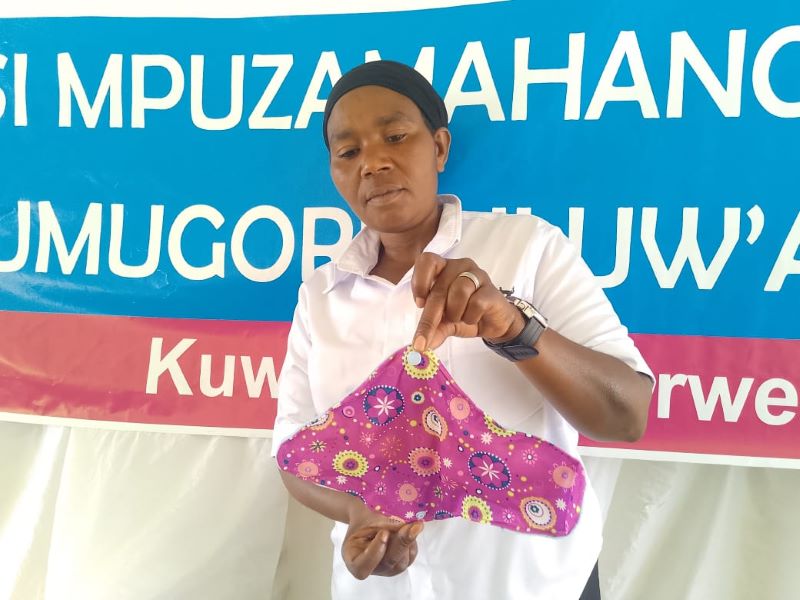
In Nyamagabe District, Gasaka Sector, the Twiyubake Badozi Cooperative, led by Esperance Ayingeneye, has started producing reusable sanitary pads aimed at helping girls and women access affordable and long-lasting menstrual hygiene products.
Esperance Ayingeneye says the idea of producing reusable pads came from the widespread challenge faced by many rural girls who could not afford to buy disposable sanitary pads every month.
“We realized that many girls in rural areas were using old clothes or pieces of cloth because they could not afford sanitary pads every month. We decided to produce reusable pads that can be used for a long time so that we can provide them with a sustainable solution,” she explained.
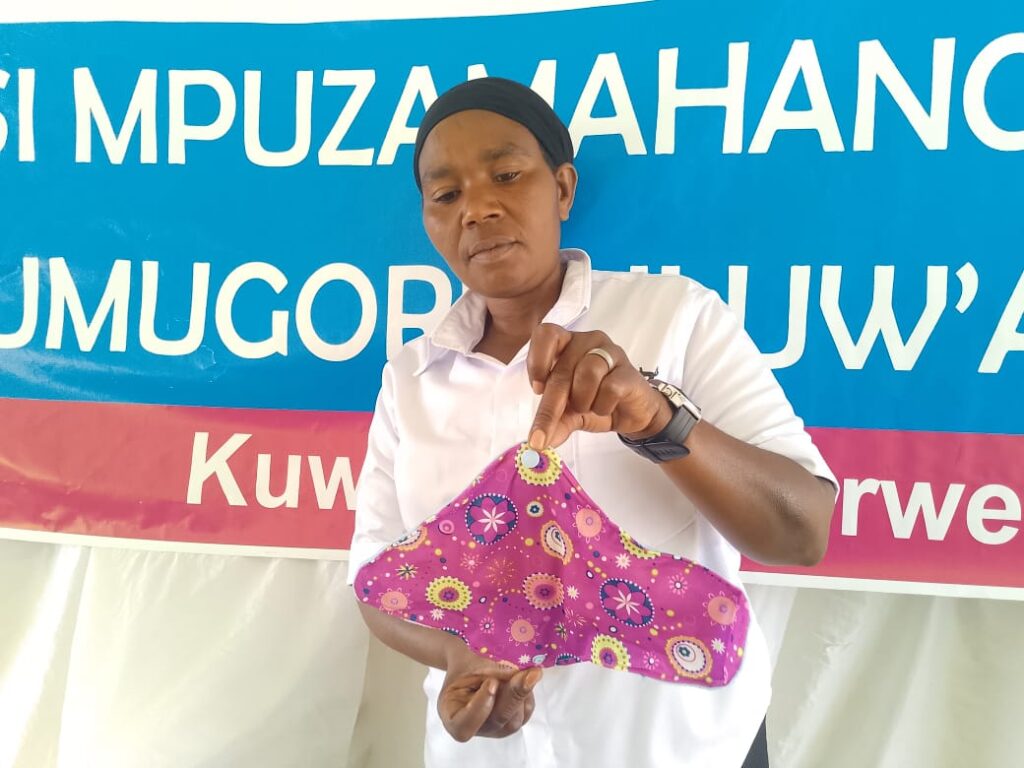
These reusable pads can be used multiple times. After use, they are washed, dried in the sun, and reused. They can last for up to two years, meaning that a girl or woman does not have to buy new pads every month. Many girls in rural communities say these reusable pads have helped them reduce expenses while also improving hygiene during their menstrual periods.
One rural girl from Nyamagabe, who we are calling Florance Kaliza, said that in the past it was difficult for them to access regular sanitary pads.
“Sometimes we used old clothes because we could not afford to buy sanitary pads every month. That caused hygiene problems and could even lead to diseases. But now we wash these reusable pads, dry them in the sun, and use them again for a long time,” she said.
She added that the reusable pads have helped many girls avoid the problem of lacking menstrual hygiene materials during their periods.
“Now many girls can access reusable pads because they are affordable and can be used for a long time, which means we no longer face the problem of lacking what to use during our periods.”
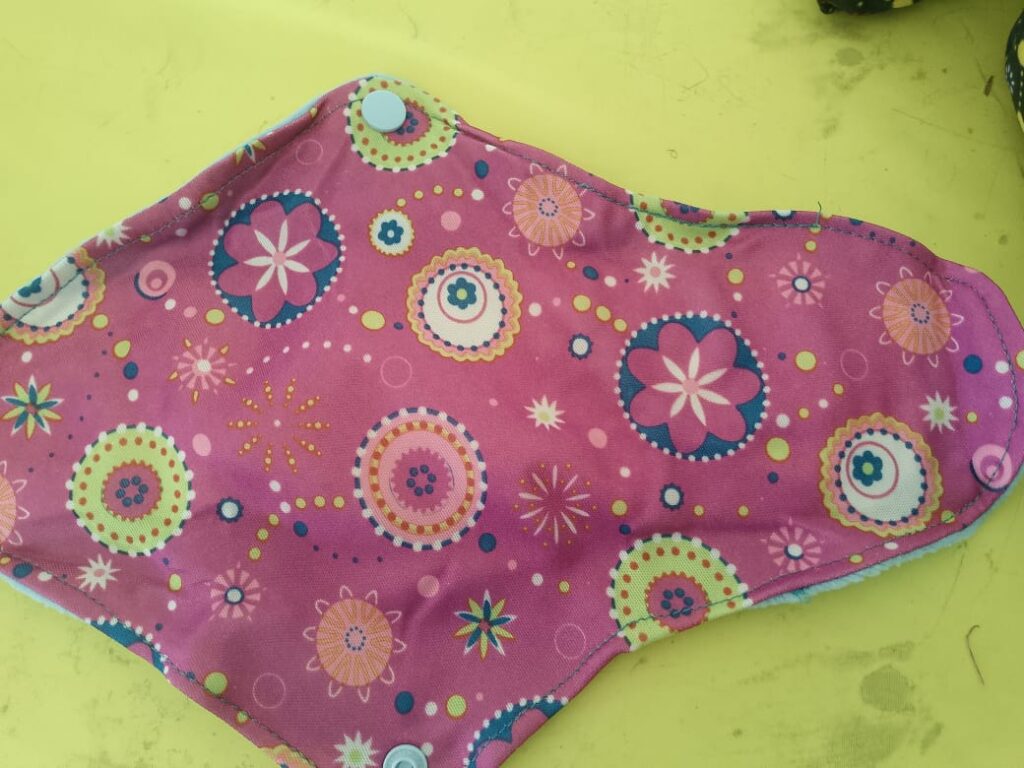
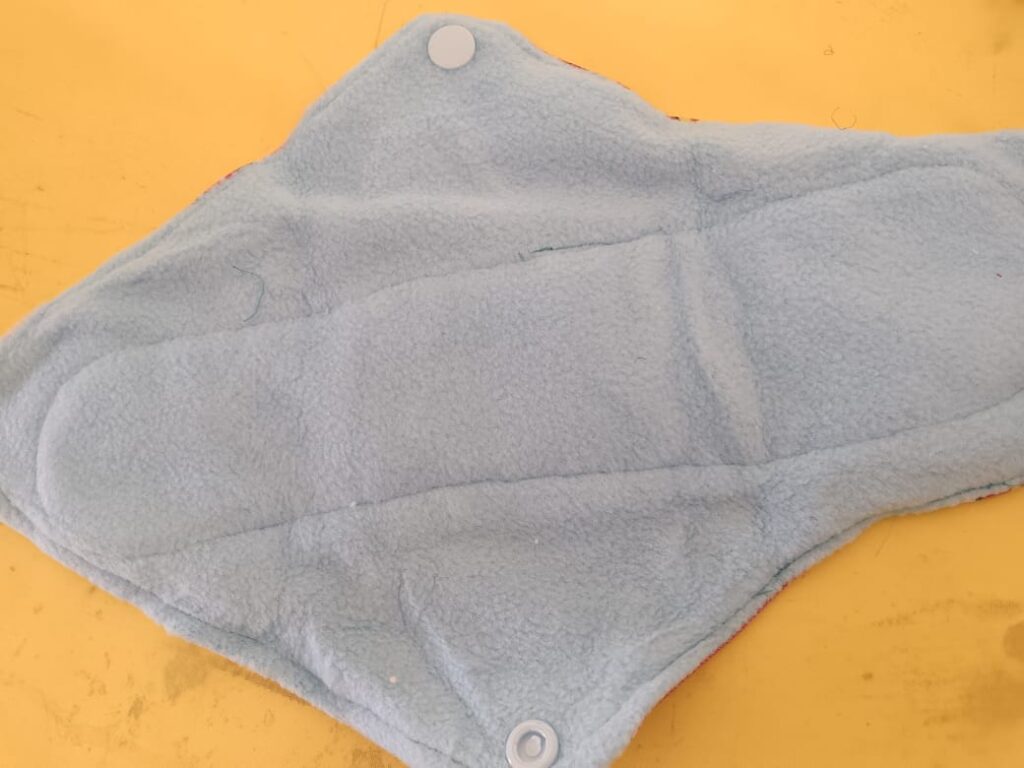
These reusable pads are designed in a way that ensures hygiene and effectiveness. They are made with three layers of fabric: a middle absorbent layer known as microfiber that absorbs blood, a soft inner layer that comes into contact with the body and is gentle on the skin, and an outer layer that prevents leakage.
Esperance Ayingeneye says all these materials are carefully selected to protect the health of the users. “We pay close attention to the quality of the materials we use so that girls and women who use these pads do not face any health problems,” she said.
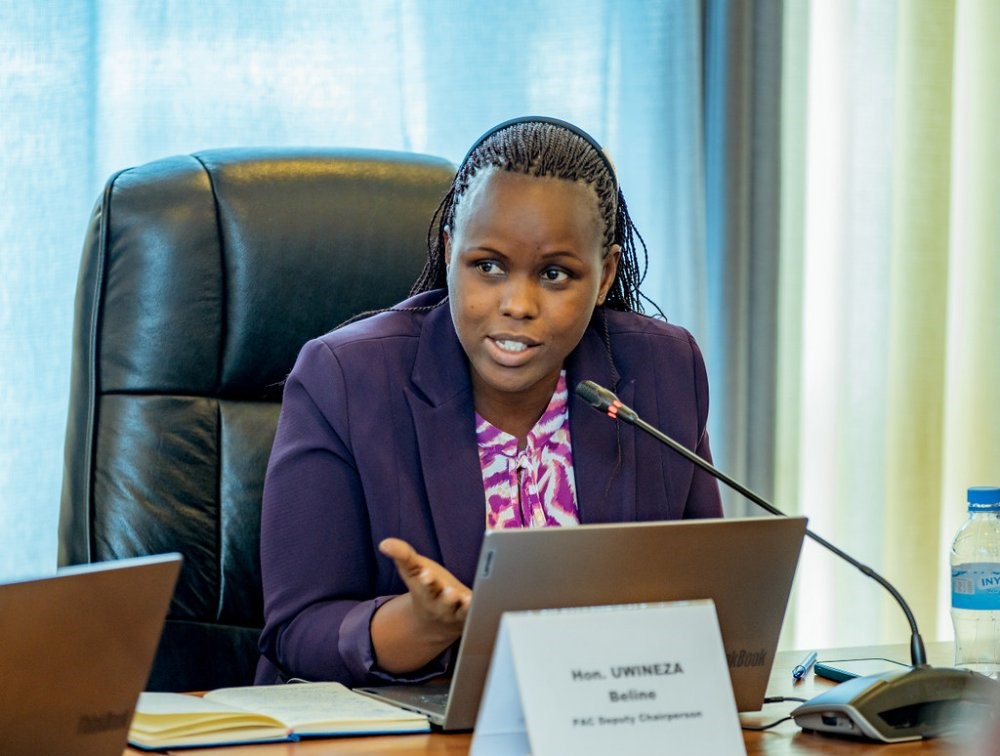
Beline Uwineza, The Deputy Speaker of the Chamber of Deputies, says reusable pads can be a sustainable solution for girls who cannot afford disposable sanitary pads every month.
“These reusable pads are a good solution for girls who could not access modern sanitary pads because they require money every month. However, it is important for producers to continue improving their quality,” she said.
She also emphasized the need for awareness campaigns to educate girls and women on how to properly use and care for reusable pads in order to avoid health risks.
“There should be education on how to wash and store them properly so that they continue helping users without causing health problems. Producers should also include clear instructions on how they should be used,” she added.
Residents in rural areas say that continuing to promote reusable sanitary pads could help many girls access affordable menstrual hygiene products, enabling them to continue their daily activities and improve their well-being without being hindered by menstruation.