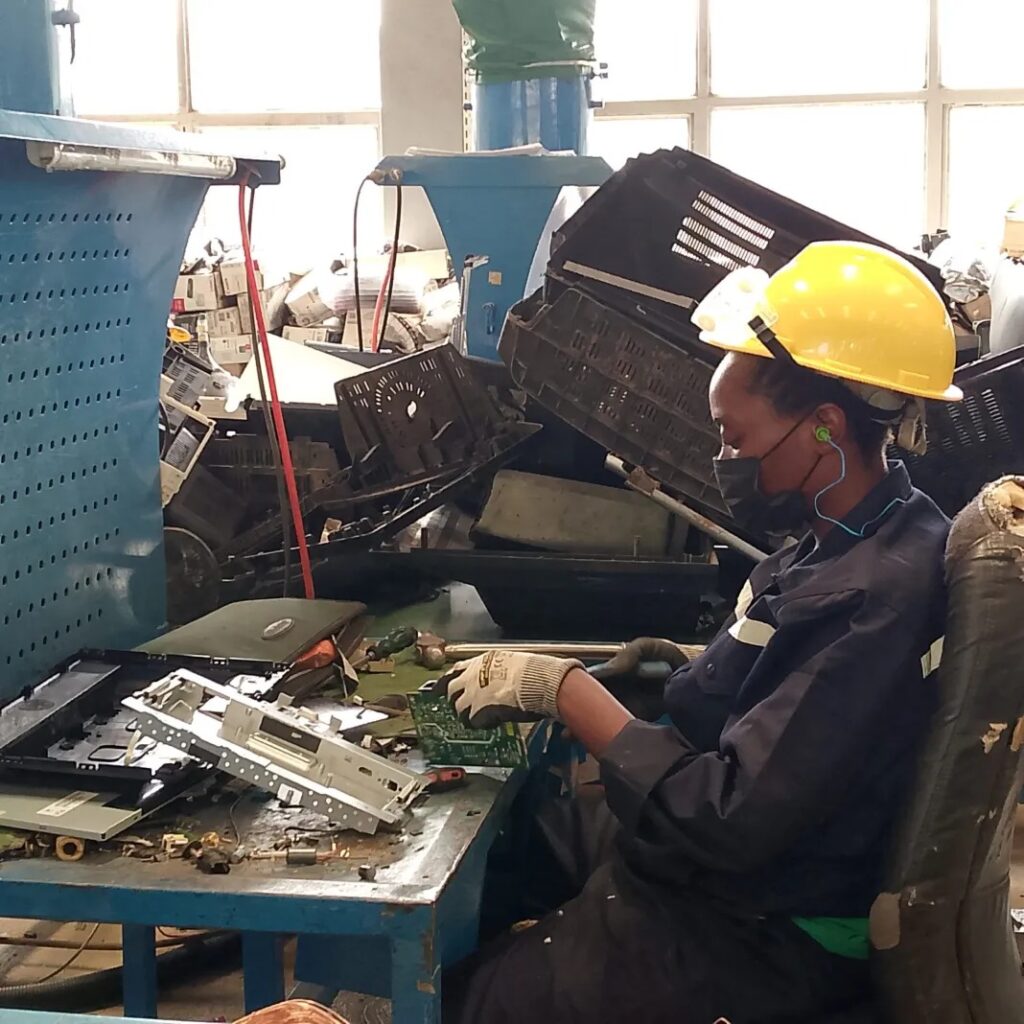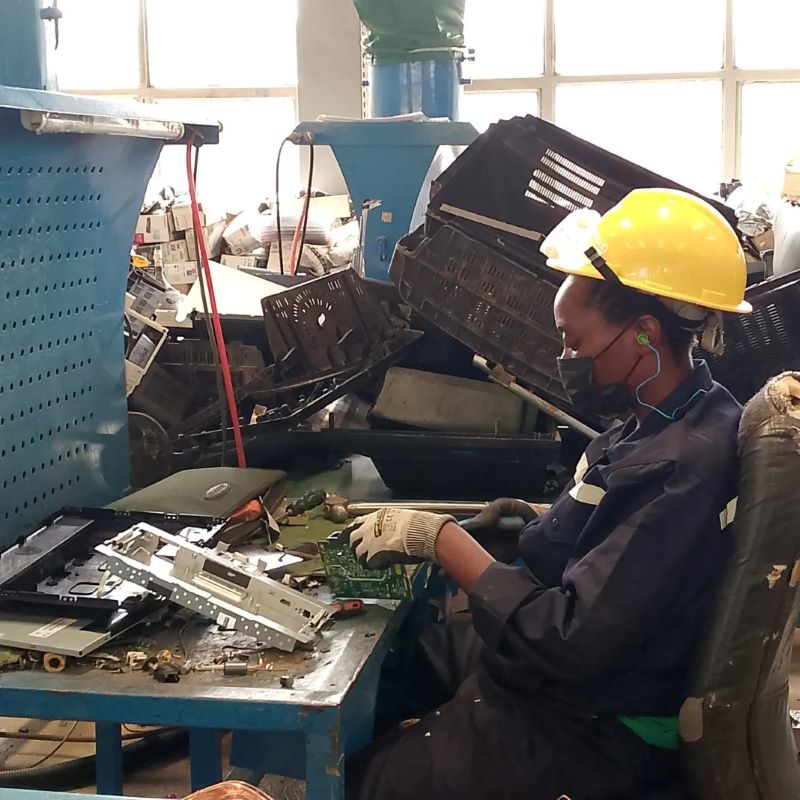
Electronic waste often called e-waste is one of the fastest growing environmental challenges in the modern world. As technology advances rapidly, devices such as smartphones, computers, televisions, and household electronics become obsolete at an increasing rate. When these items decay or stop functioning, many people discard them without considering their potential value. However, taking decayed electronic materials to specialized industries for reuse and recycling is not only beneficial but essential for environmental sustainability, economic development, and public health.
Electronic devices contain hazardous substances such as lead, mercury, cadmium, and brominated flame retardants. When dumped in landfills or burned, these toxic materials can seep into soil and water or pollute the air, causing long-term damage to ecosystems. By delivering decayed electronics to certified recycling industries, these harmful components are safely managed, reducing pollution and protecting natural resources.
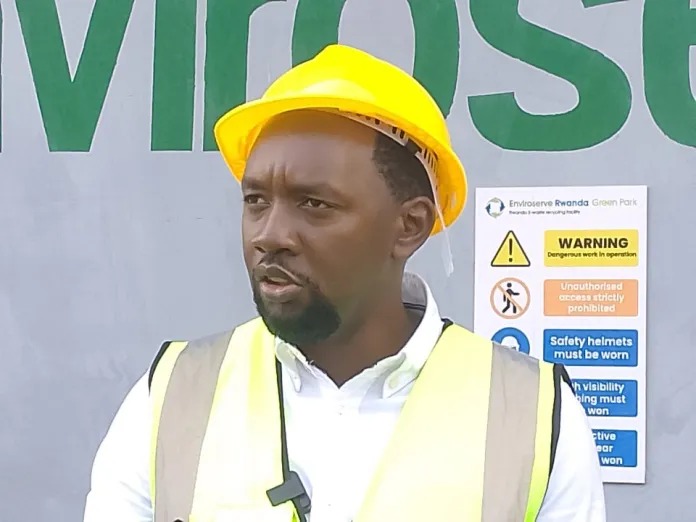
Olivier Mbera, the country General Manager of Enviroserve, the company which recycle electronic material located in Bugesera district warned Rwandans to avoid keeping decayed electronic materials in their homes.
“It is not good to keep decayed electronic material at home, it contains toxic substances, the more you keep it for a long time those substances get out of that materials, you may have seen them for example on telephone batteries where their increase their normal size and start leaking, some may even leave powders those powders cause cancer, some old fridges releases gases those gases ruin life as well as environment. “
“We want all people to know that when you are no longer using electronic materials, don’t keep it in your house, you can contact us on our application or go to our branch which is near you. We have been able to recycle more than 40000 computers which are now being used in schools” He added.
One of the most important reasons to properly handle electronic waste is environmental protection. In addition to minimizing environmental harm, recycling electronic materials allows for the recovery of valuable resources. Many electronic devices contain precious and rare metals such as gold, silver, copper, and palladium. Extracting these materials from recycled devices reduces the need for mining, which is both environmentally destructive and energy intensive.
Reuse industries are equipped with the technology to efficiently recover these resources and reintroduce them into the production cycle, promoting a circular economy where materials are continuously reused rather than wasted.
Public health is another critical factor. Informal disposal methods such as open-air burning or manual dismantling without protective equipment pose serious health risks to individuals involved and nearby populations. Exposure to toxic chemicals from e-waste can lead to respiratory problems, neurological damage, and other chronic illnesses. Proper industrial handling ensures that safety standards are followed, protecting both workers and communities.
Beata Akimpaye, the Division Manager in charge of Environment compliance reinforcement at REMA emphasized the initiative of the government of Rwanda in preserving the environment from hazardous substances “
“This industry is the initiative of the government of Rwanda, whereby prior studies were done to showcase the problem that is why this industry was started, so the government kept on raising awareness on the consequences of the decayed electronic material if they are not well managed, so we are calling on Rwandans to avoid keeping them and take them to this industry so that they can be recycled.” She advised

Taking decayed electronic materials to industry for reuse is a crucial step toward addressing the global e-waste crisis. It protects the environment, conserves valuable resources, supports economic growth, and safeguards public health. As technology continues to evolve, responsible management of electronic waste must become a shared priority for individuals, businesses, and governments alike.