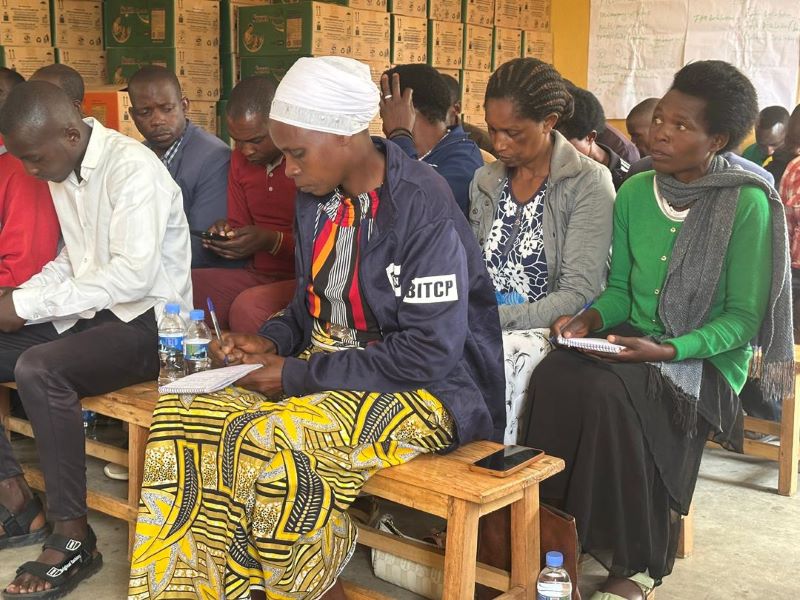
In Uwinkingi Sector, Nyamagabe district, men and women have shown renewed commitment to changing mindsets about gender-based violence following a series of discussions and training sessions organized by Alight Rwanda, in collaboration with local authorities.
Historically, women in Rwanda were not accorded equal respect or opportunity in family life and leadership. Often viewed as weak or less capable, girls were denied education and development opportunities. This cultural mindset has long been one of the root causes of gender-based violence in Rwandan society.
Mukantabana Clarisse, the Gender-Based Violence Prevention and Response Officer at Alight Rwanda, explained that the issue of violence largely stems from cultural norms that established inequality between men and women.
“In most cases, men have been given authority in families, which sometimes leads to misuse of that power. However, they are also the key actors in ending gender-based violence and promoting gender equality and complementarity.” She stated.
Clarisse called on local leaders to continue raising awareness, especially in families where violence is still present, stressing that being born a girl should never mean having fewer opportunities than a boy.

Kimenyi Deogratias, Alight Rwanda’s representative in Nyamagabe and Gisagara districts, emphasized that understanding the history of gender-based violence is the first step toward eliminating it.
“In traditional Rwandan culture, women were sometimes seen as the cause of conflict. There were even proverbs implying that when a woman speaks, it brings trouble. Such sayings devalued women, which is why we must change these perceptions to build peaceful families.” He spoke.
Kimenyi noted that gender-based violence takes four main forms: sexual violence, physical violence, economic violence, and psychological violence, and urged everyone to report any cases as soon as they occur.

Local leaders in Uwinkingi Sector acknowledged that gender-based violence remains an issue, particularly in cases involving children who are sexually abused or impregnated before reaching adulthood with many cases going unreported.
Furaha Guillaume, Executive Secretary of Uwinkingi Sector, pointed out that unregistered marriages continue to fuel family conflicts. He urged local authorities to follow up on such cases and encourage couples to legalize their unions.
“As leaders, we must stay alert, identify where violence occurs, and never tolerate anyone trying to hide evidence of abuse. Once we understand the country’s vision, we know our responsibilities.” He said:

Residents appreciated the training, saying it opened their eyes to peaceful and respectful family coexistence.
Kabayiza Aspna, one of the men who attended, said: “I realized that what we used to call ordinary family fights is actually violence. I’m now determined to help other men understand that loving and respecting women is a sign of dignity, not weakness.”
Kwitonda Annociata added that the training came at the right time: “There were parents who didn’t report when their children were abused, partly because they didn’t know the laws or where to go. Now, we’ll report immediately so that violence can be eradicated.”
Men also acknowledged their past misconceptions about power and masculinity.
“I’ve realized that what we used to call men’s authority often led to violence. I now plan to engage in teaching men who abuse their wives, because I learned that even beating a wife which I once considered a normal dispute — is also gender-based violence.” Nsabimana Sylivestre said.
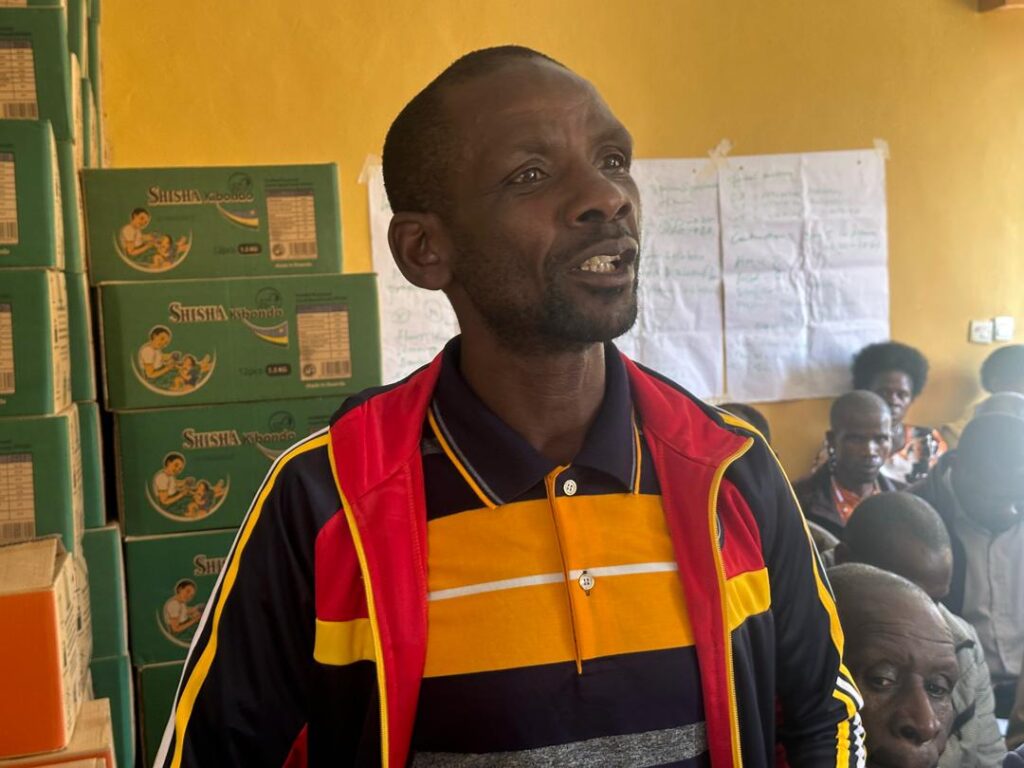
Habimana Ephraim, the Gender and Family Promotion Officer for Nyamagabe District, urged residents to report cases of violence to justice institutions such as RIB, MAJ, and others, and to avoid tampering with evidence, especially in cases involving women and children.

It is reported that this year alone, 167 children in Nyamagabe were victims of abuse, 91 of whom were impregnated, with most perpetrators yet to face justice.
In conclusion, Kimenyi Deogratias, Alight Rwanda’s representative in Nyamagabe and Gisagara districts called on men to take a visible role in the fight against gender-based violence, as they are often the most influential figures in families. “Violence cannot end if fought by one side alone. Men must be at the forefront of promoting equality and mutual respect. “He stated
The Alight Rwanda project focuses on awareness campaigns against gender-based violence, especially in areas with high numbers of teenage pregnancies. It aims to build safe, loving, and respectful families and also provides similar training in Kigeme Refugee Camp, located in Nyamagabe District.