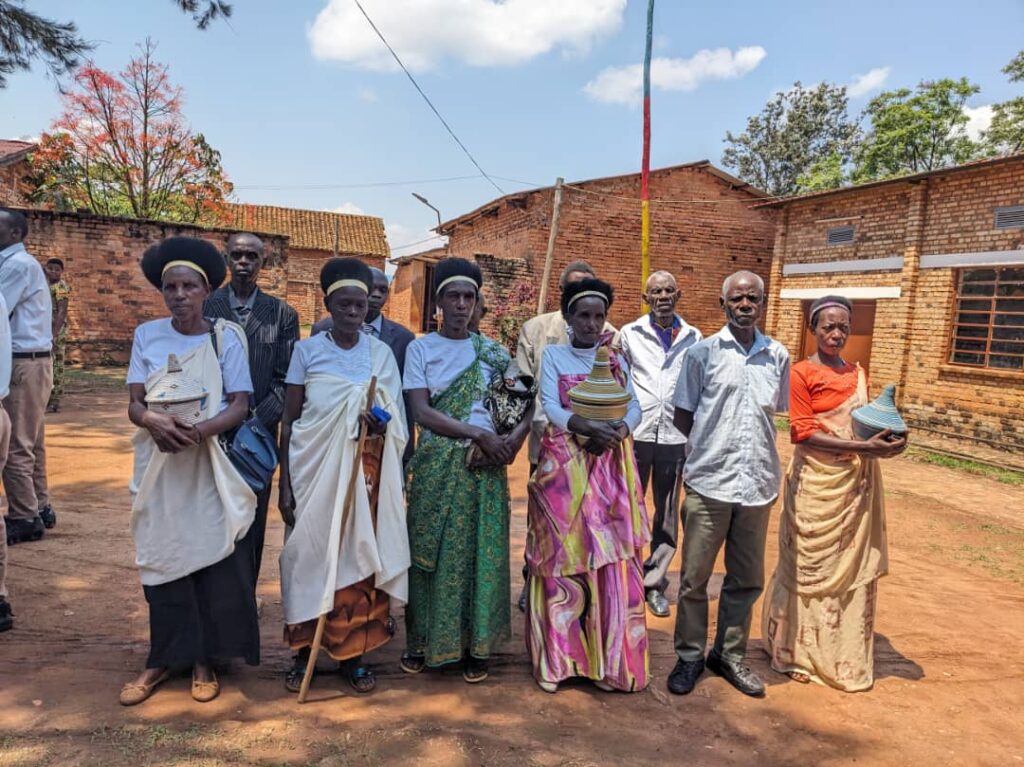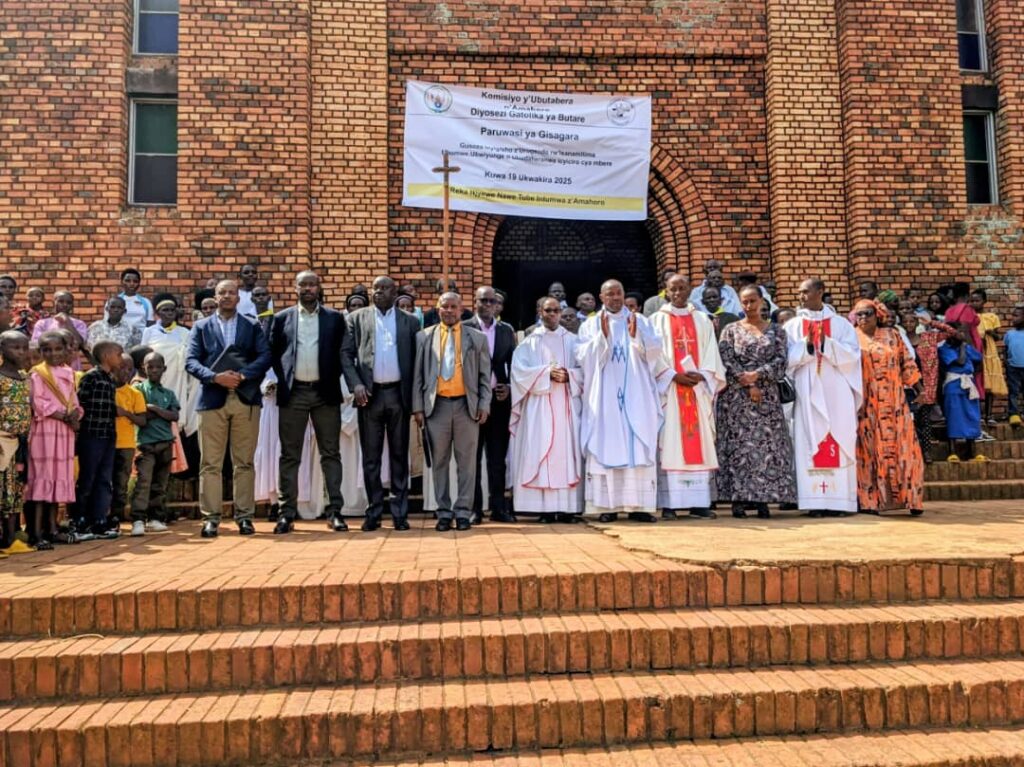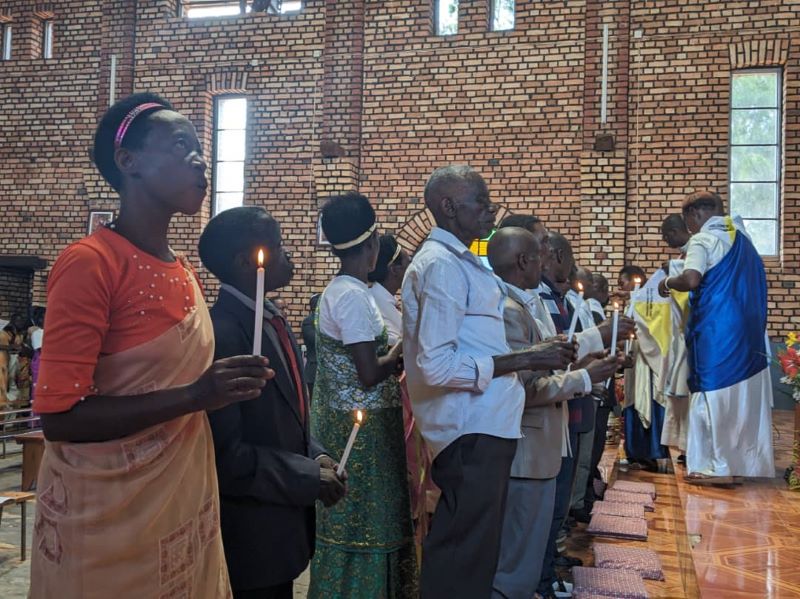
On Sunday, October 19, 2025, in partnership with the Catholic Diocese of Butare’s Commission of Justice and Peace, Gisagara parish concluded the first phase of a journey focused on healing, unity, reconciliation, and resilience.
This program involves educational sessions where people who took part in the 1994 Genocide against the Tutsi ask for forgiveness. Many participants shared that the teachings helped them feel liberated and free and begin to reconcile with those they wronged during the genocide.
Personal testimony: From perpetrator to reconciliation
Jean Marie Nkejuwimye, who was granted forgiveness by Mukandekezi Geretulde, spoke about his role in the genocide, including attacking a household and took livestock.
“I committed crimes during the genocide. I joined an attack on a family of Mukandekezi and killed her parent, we even slaughtered their livestock and ate it. I was a killer. I was arrested, served my sentence, and later did community service know as (tije). But my conscience was still not at peace because I had wronged this family. After taking part in these healing sessions, I asked for forgiveness to Mukandekezi. She forgave me, and now we live in peace. Her daughter is my grandchild’s Godmother.”He testified.
He encouraged anyone feeling guilty to seek healing through such teachings, saying they rebuild the heart.
A story of forgiveness: From fear to peace
Mukandekezi Geretulde, who forgave Jean Marie, shared how difficult it was at first:
“I used to be afraid of him. Even if I could be thirsty, I wouldn’t dare ask for water from his home. But he slowly began talking to me. One day he found me chopping wood and asked if he could help. As he helped, I realized he was genuinely asking for forgiveness. Since then, we’ve reconciled, and now we live and help each other without any issue.”
Leadership Praise and Encouragement
Jerome Mbonirema, president of IBUKA in Gisagara District, appreciate the Diocese’s efforts in helping Genocide survivors heal and encouraging perpetrators to seek forgiveness:
“” Based on the deep wounds the genocide survivors carry, sitting down with those who hurt them takes great courage. We hope their bravery becomes an example for others here in Gisagara Parish to also take steps toward reconciliation.”
He called on those who started the journey to stay committed, promising IBUKA’s support to help the program reach more people in Gisagara and continue building unity among Rwandans.
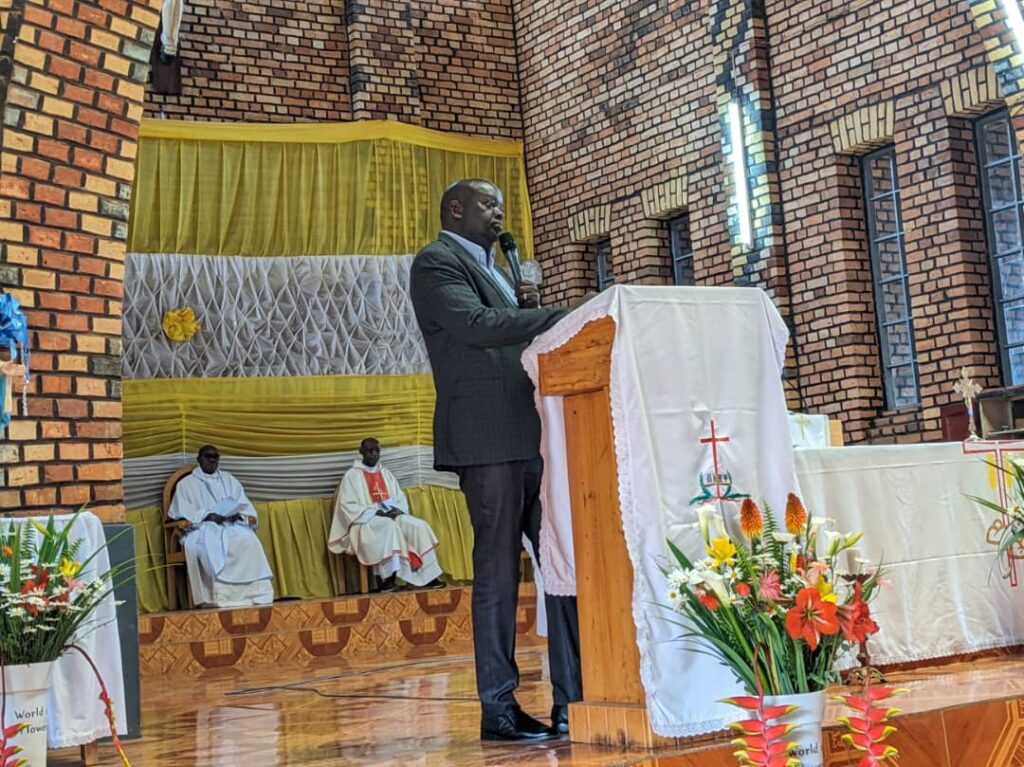
Church commitment to peace and unity
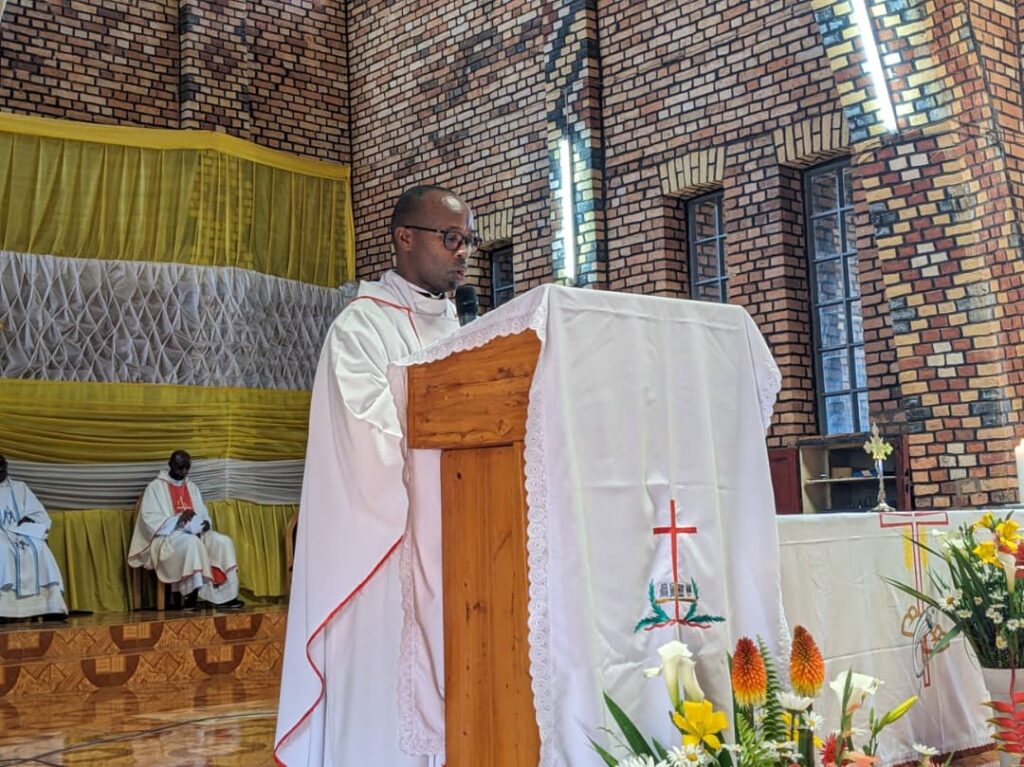
Father Edmond Habiyaremye, the Director of the Justice and Peace Commission for the catholic diocese of Butare, emphasized that one of their missions is to encourage peaceful coexistence and respect for everyone’s rights. He explained that the Church supports both survivors and perpetrators through these healing journeys.
“In line with the national policy under the Ministry of National Unity and Civic Engagement, the Catholic Church is committed to ensuring that Rwandans live peacefully after the 1994 Genocide against the Tutsi.” He called on everyone to actively contribute to the journey of healing, unity, and resilience.
Closing words from the church
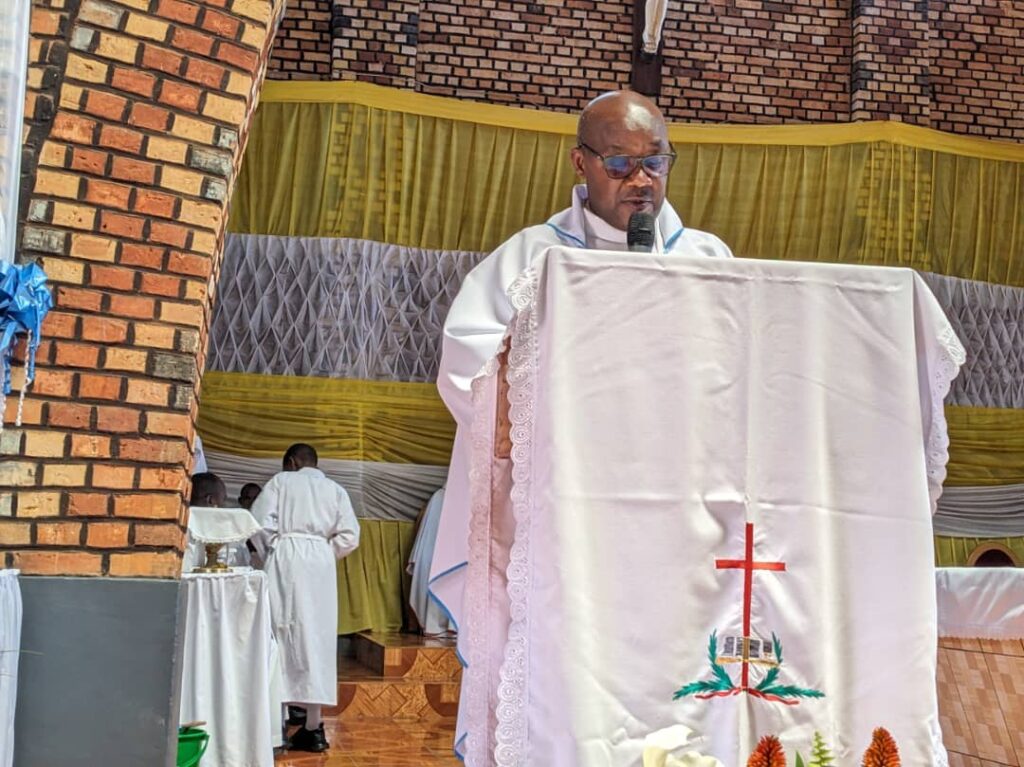
Father Charles Hakizimana, represented the Bishop of the Diocese of Butare at the closing ceremony, reaffirmed the Church’s support for the initiative: “The journey of healing is a journey of goodness and of God. Forgiveness creates and restores hearts that were once broken.”
Participants and progress
In Gisagara District, around 2,920 people have so far taken part in this journey of healing, unity, reconciliation, and resilience. In this latest group, 168 people started the sessions, and 20 completed the first phase, including 10 who gave forgivenessand 10 who asked for it. Those who were unable to complete these teachings were encouraged not to lose hope, but to continue with the next phases.