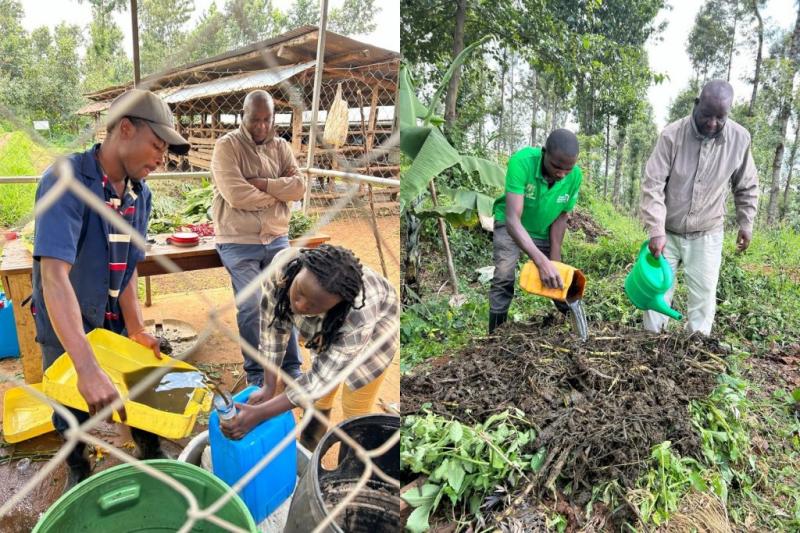
The Center for Agroecological Practices and Conservation of Nature (CAPCN), founded by regenerative agriculture pioneer Isaac Mubashankwaya, has become a vital hub for sustainable innovation in Rwanda. It is here that the Gicumbi Mushroom Farmers’ Cooperative showcases how regenerative farming and circular economy principles can create pathways toward economic self-sufficiency.
Mubashankwaya’s passion for sustainability stems from a deep “love for nature” and his activism in agroecology. After realizing the environmental and financial limits of chemical-based farming, he shifted to agroecology in 2018, embracing methods that “are actually more economical,” as he explains. “Practices like agroforestry naturally enrich the soil, reducing the need for costly fertilizers.”
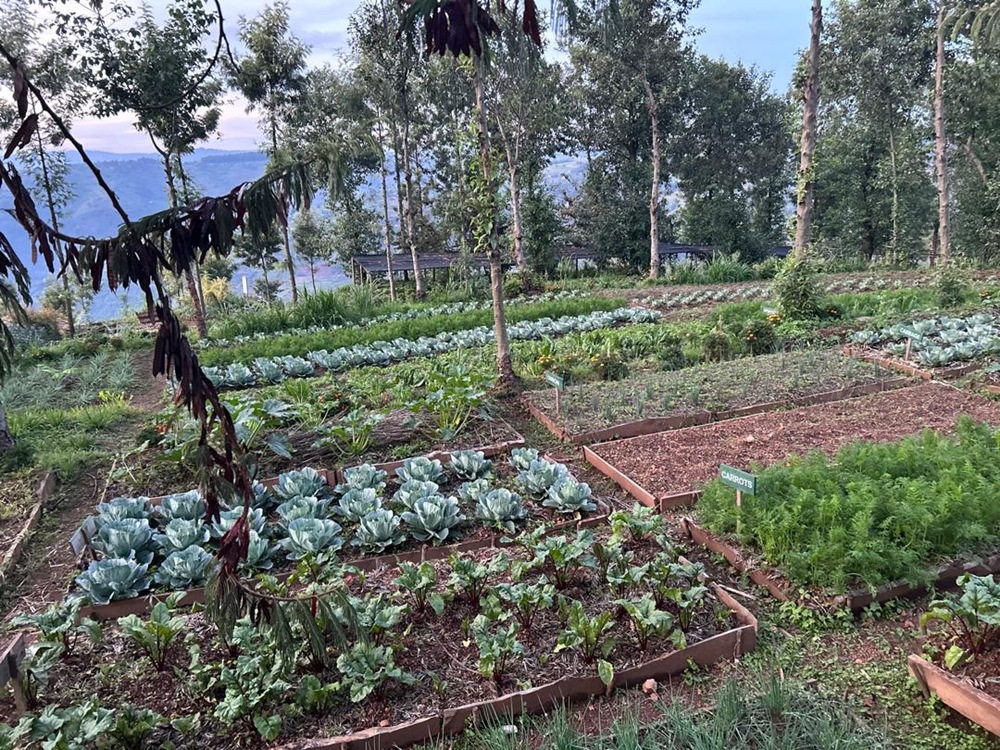
As a beneficiary of the Circular Food Systems for Rwanda Program, Mubashankwaya’s guiding philosophy is simple yet transformative: “On a farm, waste is a resource.” His four-hectare farm now demonstrates best practices in organic and regenerative agriculture, conservation farming, and agroforestry.
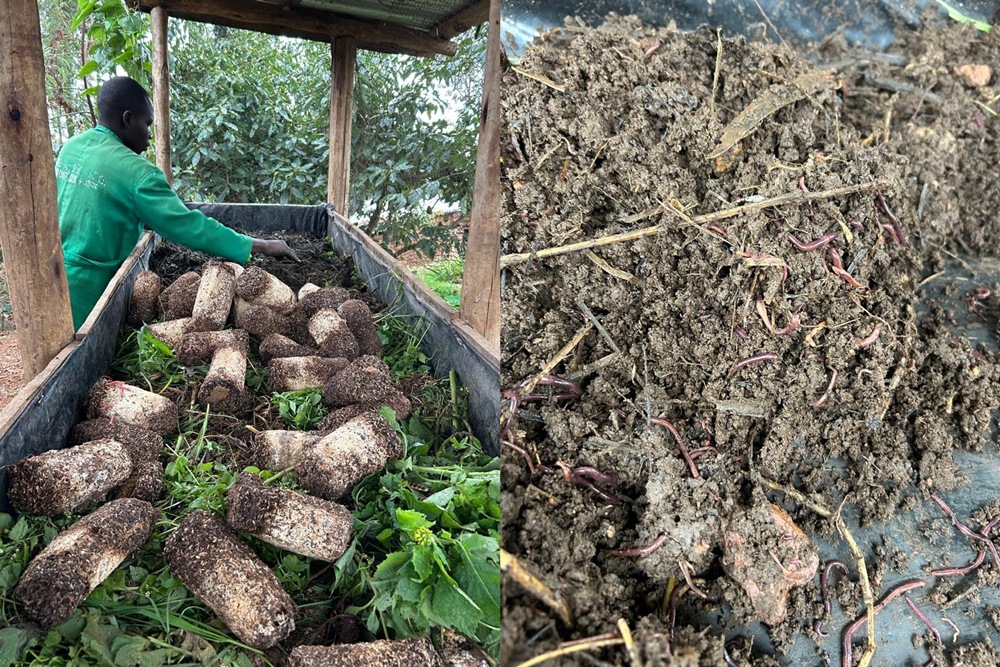
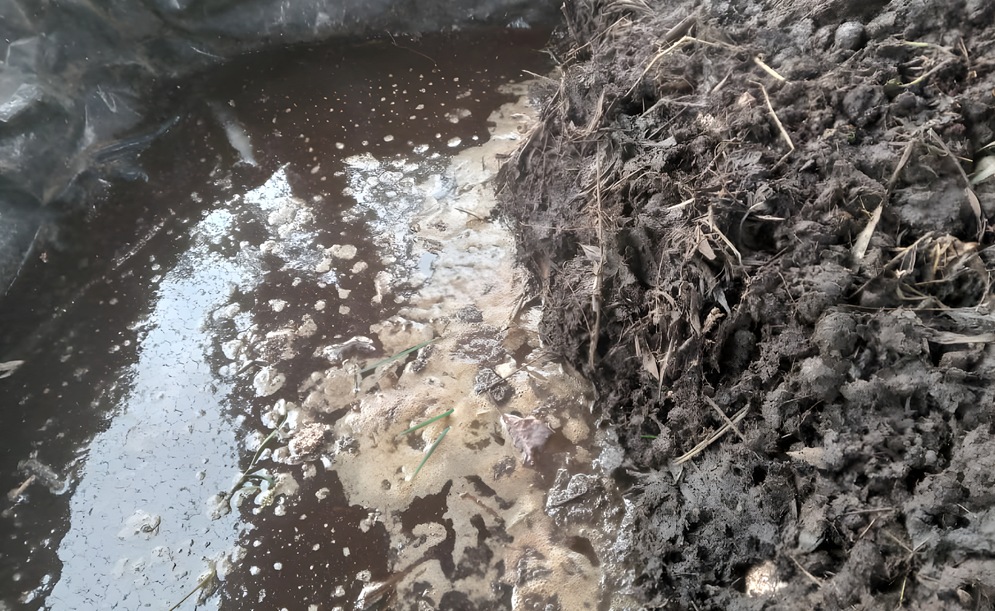
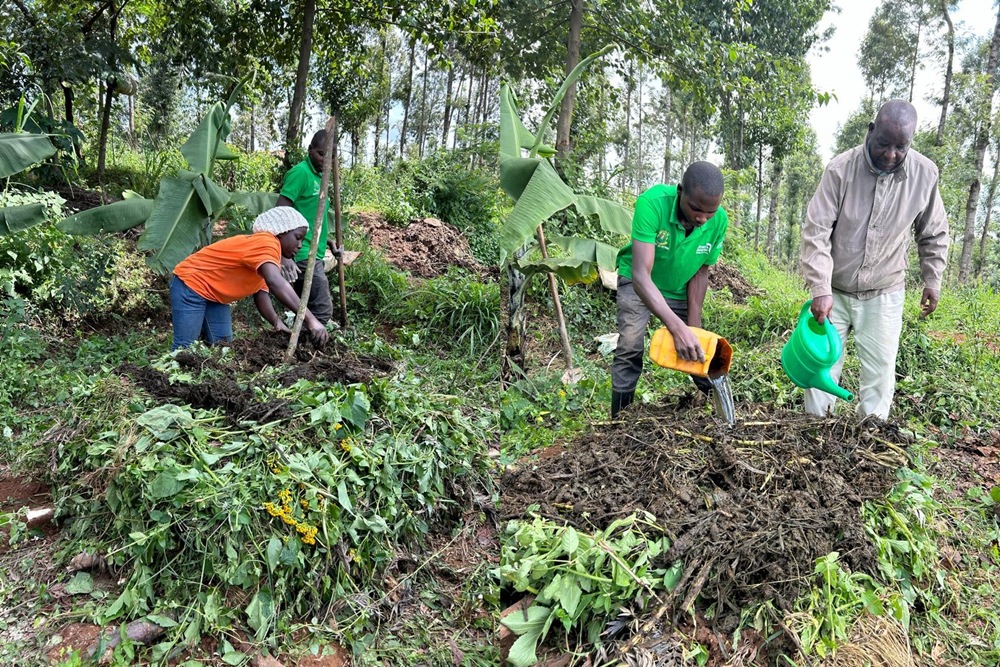
To boost soil health and reduce dependence on external inputs, he produces organic fertilizers using two key techniques heap composting and vermicomposting. The latter involves using worms and farm waste such as crop residues and animal manure to create rich organic compost and “worm tea,” a natural liquid fertilizer that enhances vegetable growth for crops like cabbage, onions, and carrots.
Empowering youth through circular innovation
Founded in 2018 with just 13 young members who pooled 130,000 Frw in share capital, the Youth-led Gicumbi Mushroom Farmers’ Cooperative has since expanded significantly. With support from the Green Gicumbi Project, they constructed 12 mushroom huts and established operations within the CAPCN farm due to space limitations.
Under Mubashankwaya’s mentorship, the cooperative members not only cultivate mushrooms but also adopt circular farming principles. Cooperative member Mukanyandwi Fortuné Louange explains, “We came to learn how to turn mushroom waste into compost using worms. When we mix mushroom waste with worms, it produces good and fast compost.”
This process generates substantial results: “Currently, each of our 12 houses contains 300 mushroom blocks, and every three months we produce about five tons of compost,” Louange adds. By producing their own organic fertilizer, the cooperative reduces external costs and strengthens economic resilience. “We sell the compost among ourselves, so we don’t need to buy fertilizers from outside,” says Louange.
Driving sustainable technology and eco-tourism
Beyond farming, CAPCN is advancing sustainable technologies and eco-innovation. A rainwater harvesting system with a 200-cubic-meter capacity supports small-scale irrigation each agricultural season, while solar panels power water pumps and lighting, reinforcing the center’s commitment to a circular economy.
The center also serves as an educational and economic hub. To date, more than 300 localfarmers have received training in agroecology. CAPCN employs eight permanent staff and offers seasonal jobs to around 25 workers during key farming activities.
With technical support from the World Resources Institute, which leads the Circular Food Systems for Rwanda program, CAPCN is preparing to host agroecotourism activities offering visitors hands-on learning experiences in sustainable farming.
Mubashankwaya envisions a ripple effect across Rwanda’s agricultural sector: “If more farmers adopted these methods, we’d see healthier soils, better yields, and a cleaner environment. This is the future of farming.”
CAPCN’s model aligns perfectly with Rwanda’s National Circular Economy Roadmap, which prioritizes sustainable agriculture and the transformation of waste into valuable resources like organic fertilizers setting an inspiring example of how regenerative farming can nurture both people and the planet.