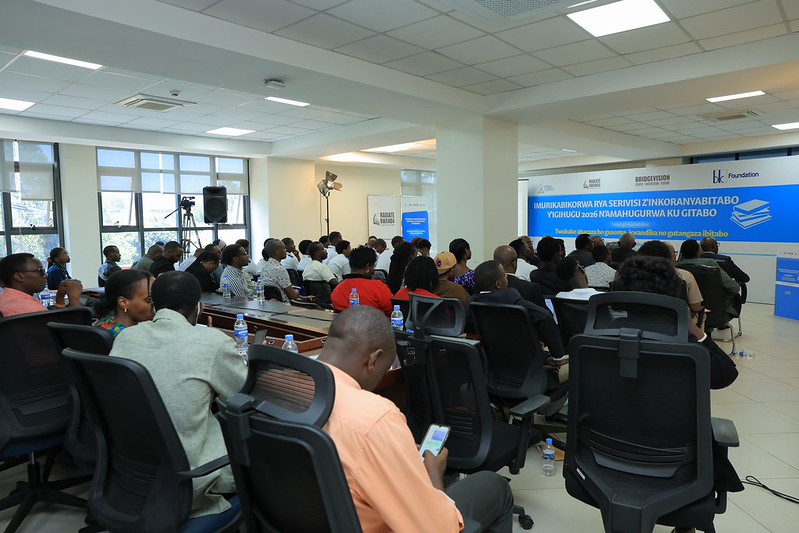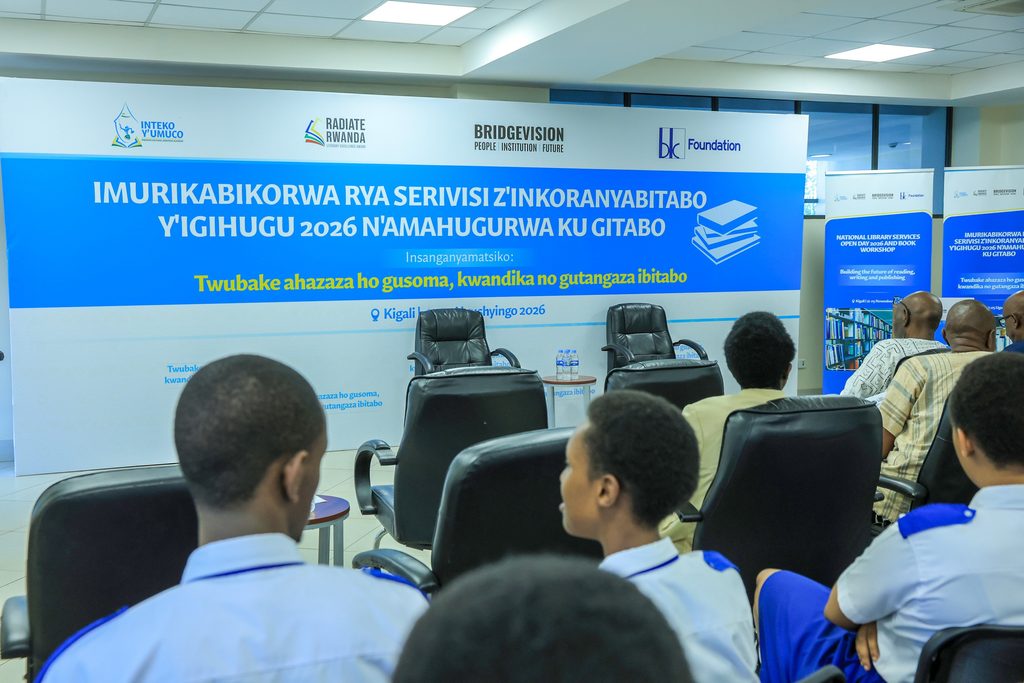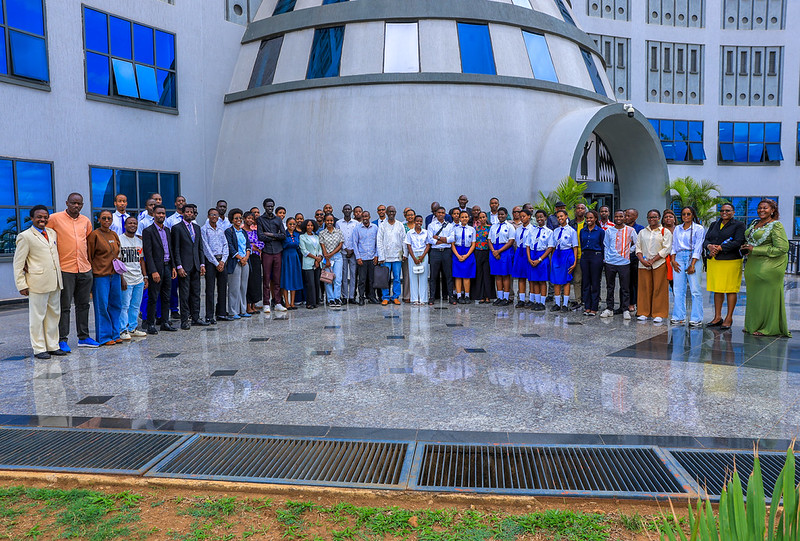
Rwanda is seeking to strengthen its publishing industry and promote a stronger reading culture amid concerns over the quality of locally published books and limited access to library services across the country. The concerns were highlighted on Thursday, November 5, 2026, during the third edition of the National Library Services Exhibition and training for writers and publishers organized by the Rwanda Cultural Heritage Academy (Inteko y’Umuco).
The event brought together writers, publishers, researchers and other stakeholders to showcase services offered by the National Library and equip participants with knowledge and skills to improve the quality of books produced in Rwanda. Inteko y’Umuco says some books published in the country contain errors that could mislead readers, highlighting the need for professional editing, research and verification before publications reach the market.
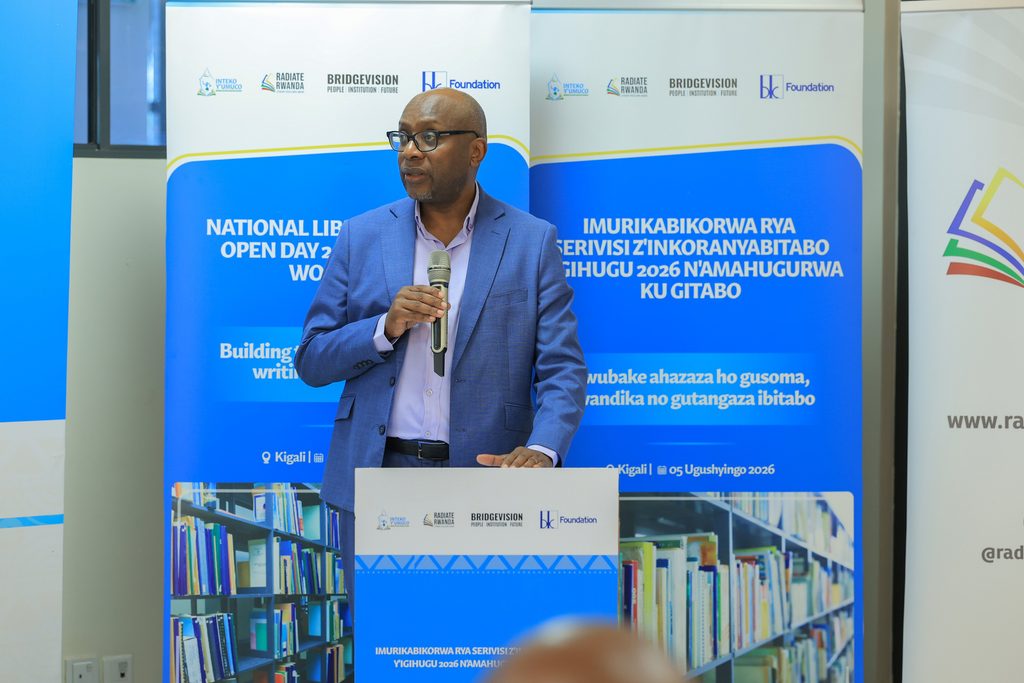
Speaking at the event, Inteko y’Umuco Chairperson Ambassador Robert Masozera highlighted the need to strengthen the country’s publishing industry, pointing to the limited number of publishing houses and the small number of books available on the local market.
“We need more people reading, more people writing, and more people publishing books. One area where we are still lagging behind is book publishing. Publishing houses are still few, which also means that the number of books available on our market remains low,” Masozera said.
Limited library access remains a challenge
Figures presented during the event indicate that Rwanda has approximately 70 functioning public libraries, a number considered insufficient to serve the population’s reading needs.
Inteko y’Umuco says expanding library services across the country, including establishing libraries at sector level, could help bring reading materials closer to communities. The National Library also provides access to physical and digital reading materials, research resources and other documentary services.
Data for the 2025/26 financial year showed that the National Library recorded 6,116,505 visits and accesses, largely through digital platforms.
Of these, 528 were physical visits, while 6,115,977 were online accesses. The figures highlight the growing importance of digital platforms in expanding access to reading materials, while also pointing to the need to encourage greater participation in physical library services.
Publishers call for professional editing
The quality of published books was another major issue discussed during the event.
Tuyishime Françoise, Executive Director of Bridge Vision publishing house, said some authors bypass publishing houses and independently handle the writing and editing processes, potentially affecting the originality and quality of their work.
“This often happens because books do not go through publishing houses. The author writes and edits the work themselves, which can result in a book being published without originality,” she said.
Publishing houses play an important role in reviewing manuscripts, correcting errors and ensuring that books meet professional standards before reaching readers. However, the industry continues to face challenges, including publishing costs, a limited number of publishing houses and insufficient demand for locally produced books.
Strengthening Rwanda’s reading and writing culture
The exhibition and training are part of broader efforts by Inteko y’Umuco to promote reading, writing and publishing while strengthening the preservation and accessibility of Rwanda’s documentary heritage. The National Library provides services that include access to reading materials, research resources, bibliographic information and digital library services.
Beyond preserving books, the institution plays an important role in safeguarding publications and documents that contribute to Rwanda’s cultural and intellectual heritage. Through the annual exhibition and training program, Inteko y’Umuco seeks to strengthen cooperation among authors, researchers and publishers while addressing gaps affecting the country’s publishing industry.
The initiative also seeks to ensure that books reaching readers are not only accessible but also accurate, professionally prepared and capable of contributing to knowledge development. Editorial note: Both quotations are English translations of statements reported in Kinyarwanda, not direct English-language transcripts.