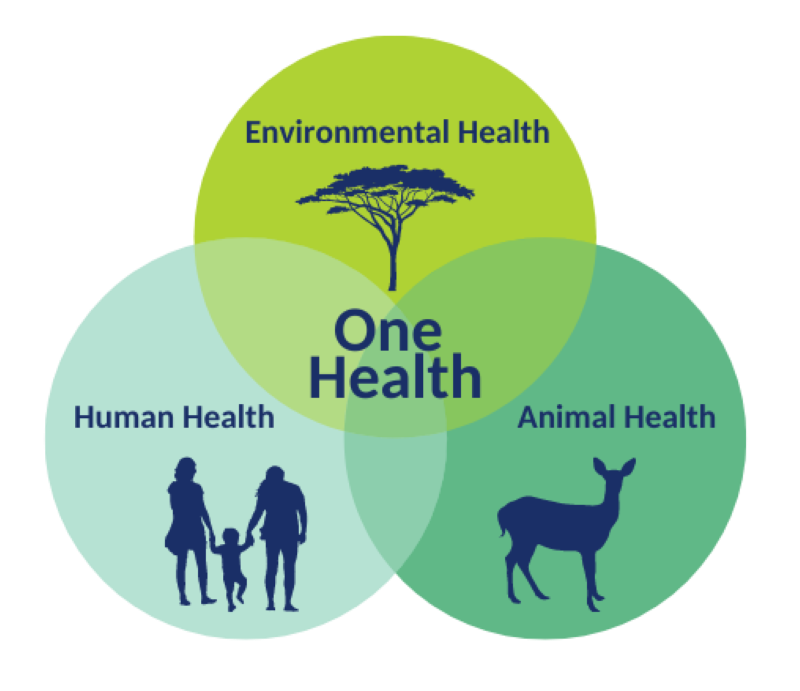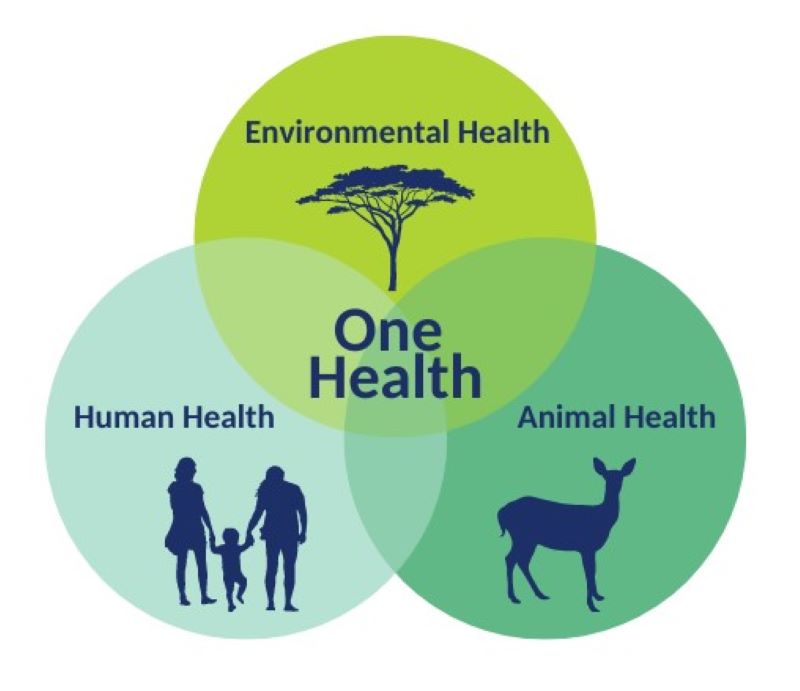
Rwanda is strengthening efforts to protect the health of people, animals and the environment through a One Health approach, as a joint campaign seeks to raise public awareness about disease prevention and the close links between human, animal and environmental health.
The One Health approach recognizes that the health of people cannot be separated from the health of animals and the environment they share. In Rwanda, the approach brings together actors from the health, veterinary, environmental and other sectors to prevent, detect and respond to health threats.
Dr Leandre Shema, Director of the One Health Unit at the Rwanda Biomedical Center (RBC), said that protecting the health of people, animals and the environment is essential to preventing disease outbreaks while also supporting economic development.
“When the health of people, animals and the environment is well protected, disease outbreaks can be prevented, reducing deaths and enabling people to remain productive. It also means that money that would otherwise be spent on controlling and responding to disease outbreaks can instead be invested in the country’s development,” he said.

Animal health key to protecting human health
Dr Richard Nduwayezu, Director of Research and Partnerships at Welfare for Animals Guild (WAG), highlighted the importance of responsible animal ownership, particularly in preventing diseases such as dog rabies.
He said that failing to properly care for dogs including providing adequate food, vaccination and healthcare, monitoring their health and preventing them from roaming freely as it can increase the risk of rabies transmission to people.
“If you do not properly care for your dog by feeding it, taking care of it, vaccinating it, monitoring its health and preventing it from roaming freely, it may bite someone and transmit rabies, which can lead to death. A dog may also bite or eat livestock and people who come into contact with or consume infected animals may also be exposed to rabies. This can happen because the dog was not properly cared for and was allowed to roam. If the dog kept and cared for at home, it would not have posed such a risk,” Dr Nduwayezu said.

He urged dog owners to understand that owning a dog comes with responsibility, stressing that proper care of animals is not only important for their welfare but also for protecting the wider community from preventable health risks.
Rwanda has set a goal of eliminating rabies by 2030, making responsible pet ownership, vaccination and community awareness important components of efforts to achieve the target. The One Health approach therefore places disease prevention within a broader responsibility shared by communities, animal owners, health professionals and institutions working across different sectors.
By linking human, animal and environmental health, Rwanda’s joint campaign is reinforcing the message that protecting one aspect of health contributes to protecting the others.