Some parents and school leaders in Nyaruguru District say the government’s decision to crack down on substandard alcoholic beverages could increase parents’ involvement in their children’s education and contribute to improving the quality of education.
The parents and school leaders say the consumption of these alcoholic beverages had contributed to some parents neglecting their children, particularly when it came to buying school materials, as household income was instead spent on alcohol. They also say some students had started consuming the beverages, negatively affecting their studies.
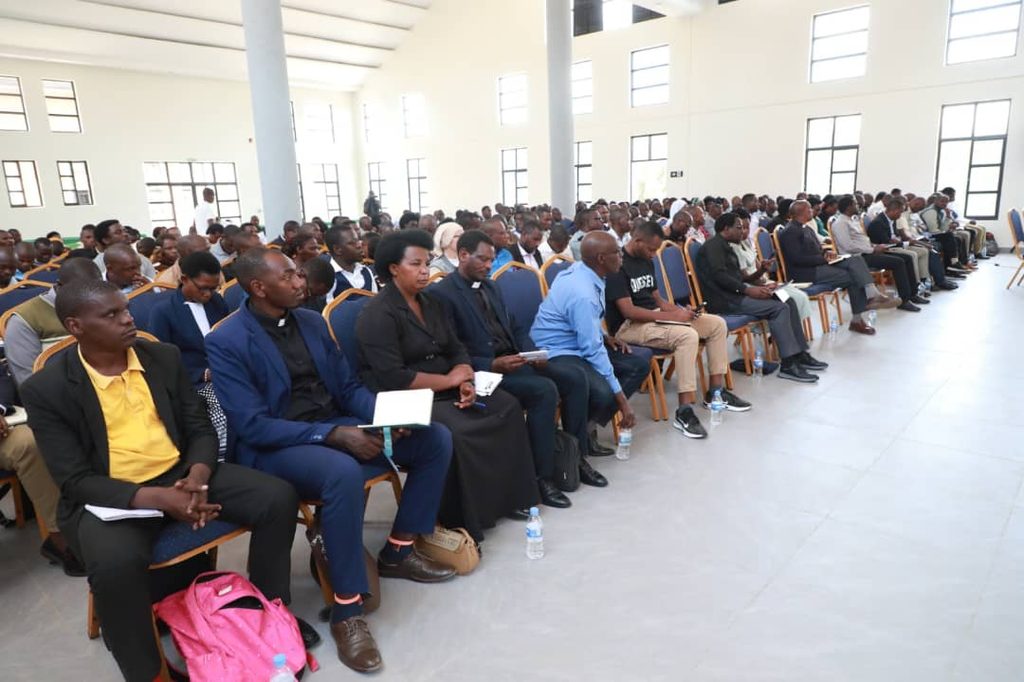
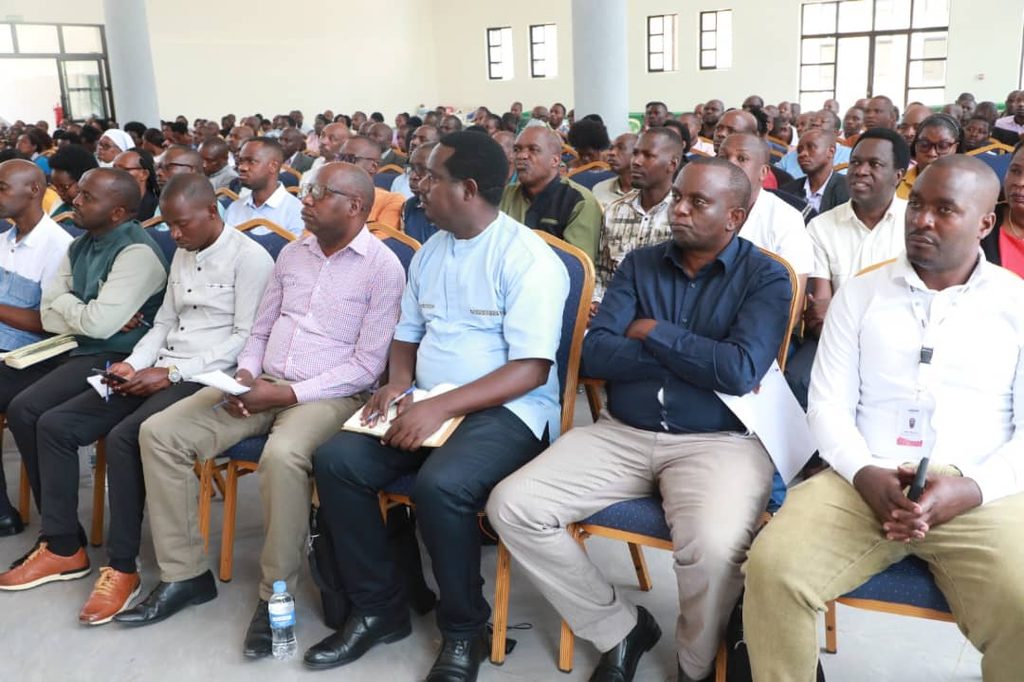
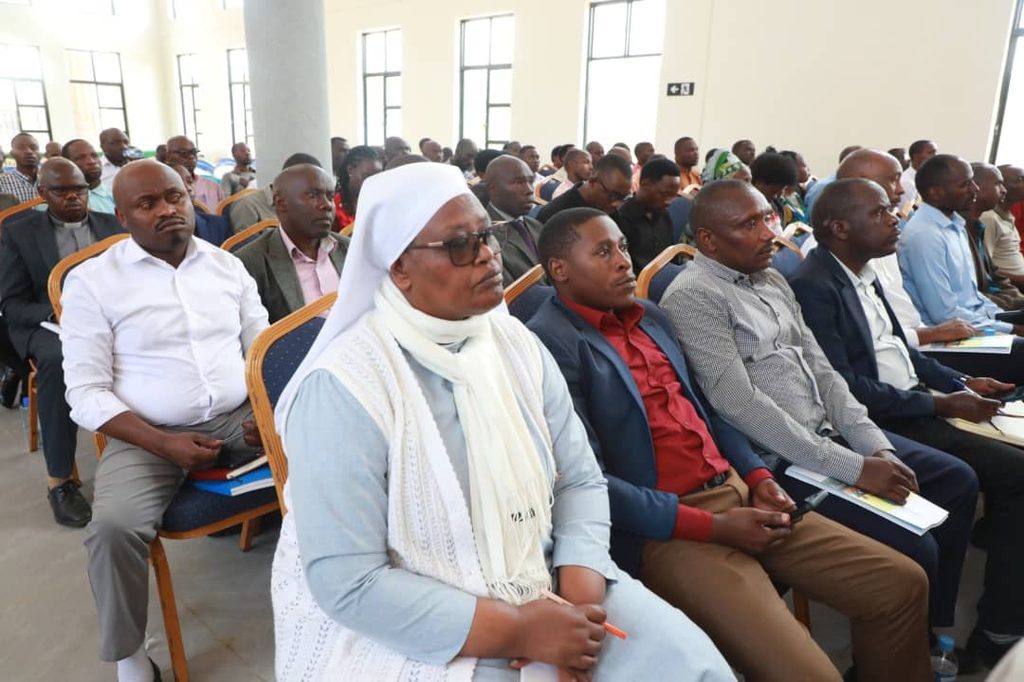
The issue was raised during a meeting in Nyaruguru District that reviewed the state of education during the 2025/2026 academic year and discussed strategies for further improving teaching and learning outcomes in the district.
Some parents who attended the meeting said the government’s measures against substandard alcohol could help families use their money more responsibly, particularly by purchasing school materials and following up on their children’s academic progress.
Valentine Tuyorane, a parents’ representative at GS Kagarama in Nyagisozi Sector, said the crackdown on substandard alcohol was an important step that could help parents pay greater attention to their children and strengthen cooperation between families and schools.
“Our goal is long-term. There were things that were holding us back, but this crackdown on these alcoholic beverages has helped us a lot. You would find a child leaving school to look for money to spend on alcohol, or you would go to a parent to encourage them to take care of their child, only to find that the parent was spending their time in a bar.”
Tuyorane said parents are now expected to become more actively involved in monitoring their children’s education.
“But now things are going to change because parents will be spending more time with their children, following them closely, checking whether they revise their lessons and making sure they have the school materials they need.”
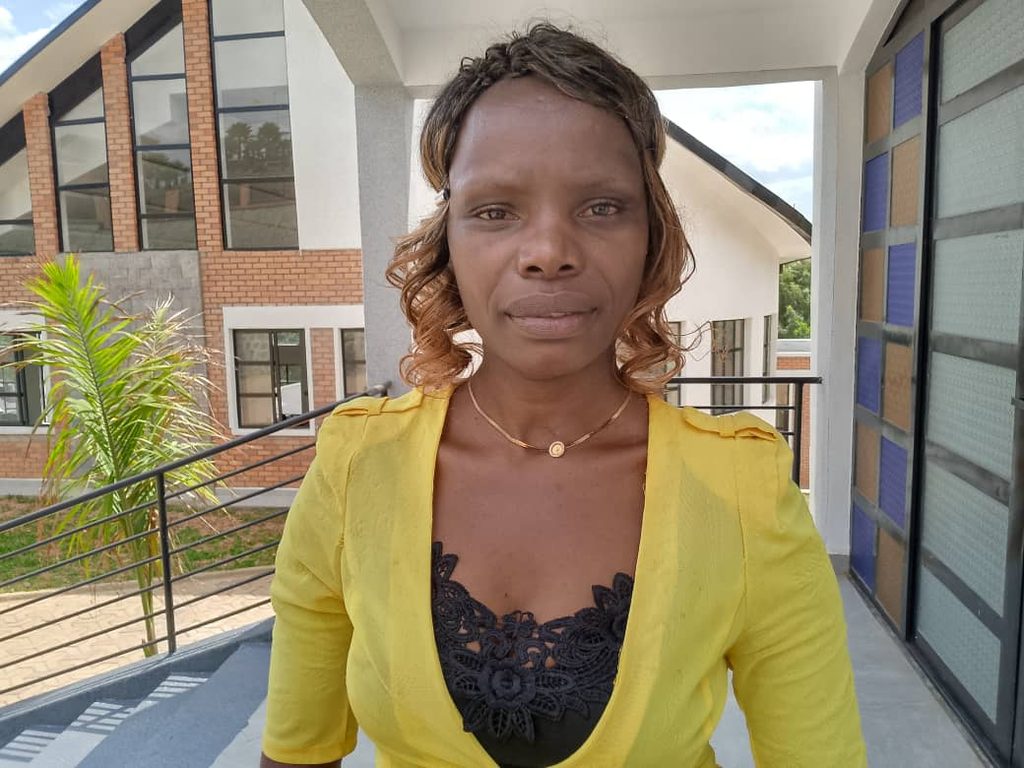
Methode Rugamba, Headteacher of GS Rugerero in Kivu Sector, said some schools in Nyaruguru had not yet achieved the desired results in national examinations. He identified limited cooperation between parents and teachers as one of the challenges affecting students’ performance.
He said some parents had failed to follow up on their children’s education because of alcohol-related problems, leaving children without the support they needed at home.
“The involvement of parents and the commitment of teachers will enable us to reach the high standards that the country wants for the education of Rwandan children.”
Annonciata Kampire Headteacher of Nyamyumba Primary School, said some older children had also been getting involved in drug and substance abuse, affecting their academic performance.
“There are children who are relatively older and get involved in drug and substance abuse, and when they use these substances, they do not study well.”
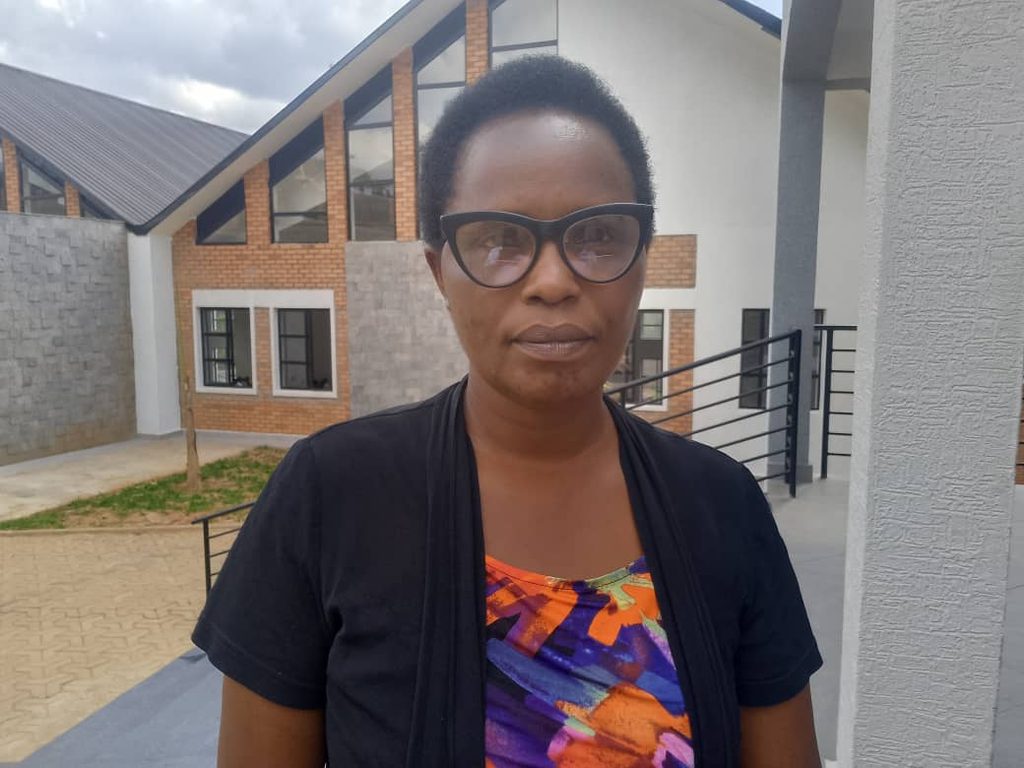
School leaders say a range of measures are being implemented, including strengthening parents’ involvement in their children’s education, as part of efforts to continue improving academic performance.
Assoumpta Byukusenge Vice Mayor of Nyaruguru District in charge of Social Affairs, said the crackdown on substandard alcohol would help parents pay greater attention to their children.
“It will play a significant role, especially because there were parents whose lives revolved entirely around alcohol. In some cases, this led to conflicts at home, and children would leave school and end up on the streets. The crackdown on these alcoholic beverages has therefore provided a solution that can contribute to education in Rwanda.”
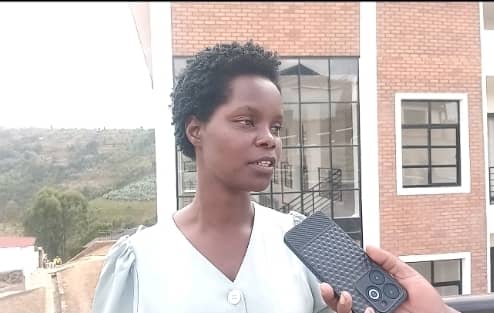
The developments come as Nyaruguru continues to make progress in students’ academic performance, particularly in national examinations. In the Primary Leaving Examinations (P6), Nyaruguru improved from 30th position in 2025 to 19th in 2026. The district also recorded significant progress in the lower secondary examinations (S3), moving from 14th position in 2025 to 8th in 2026.