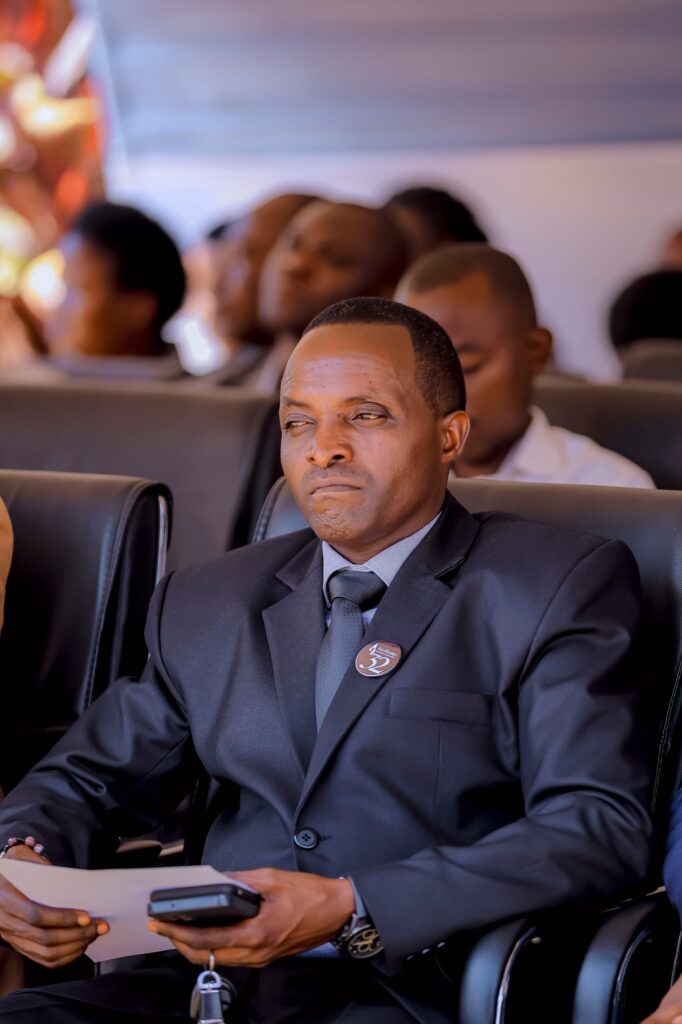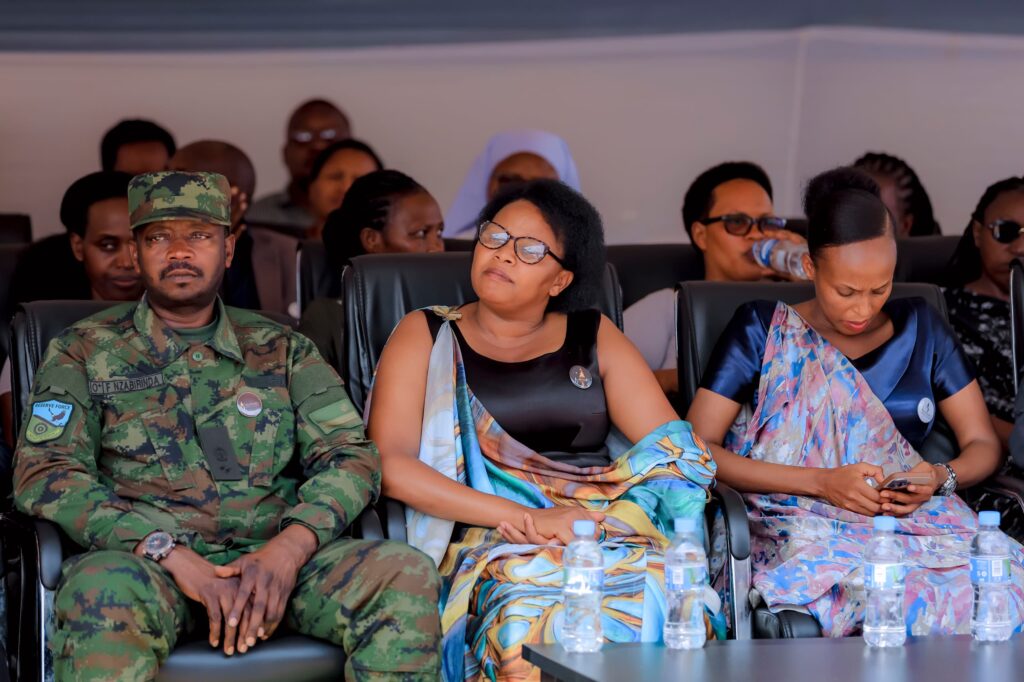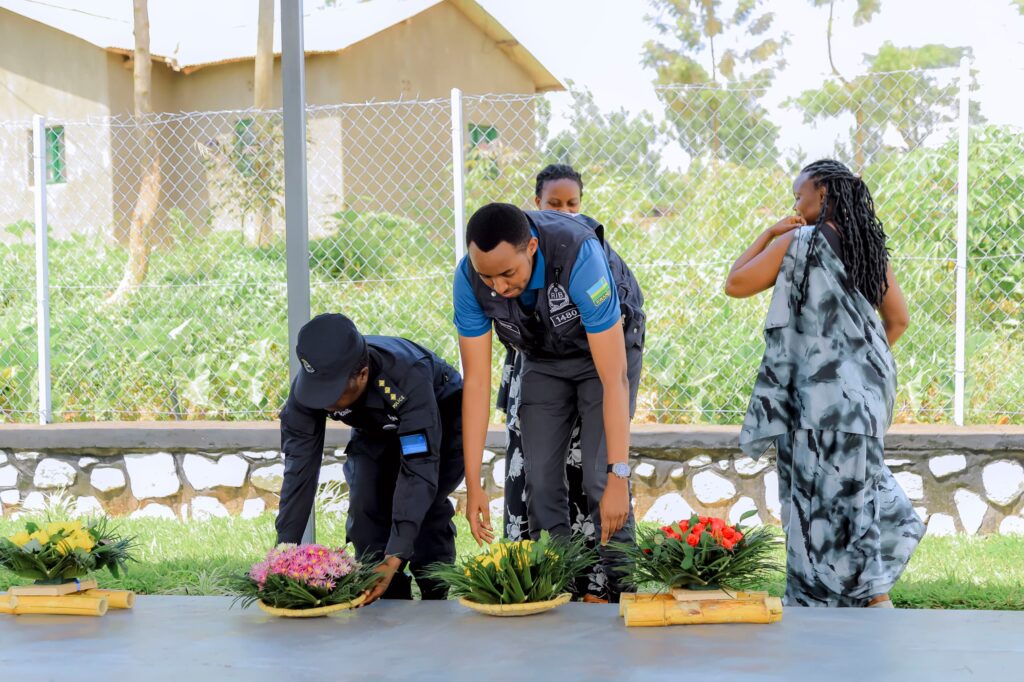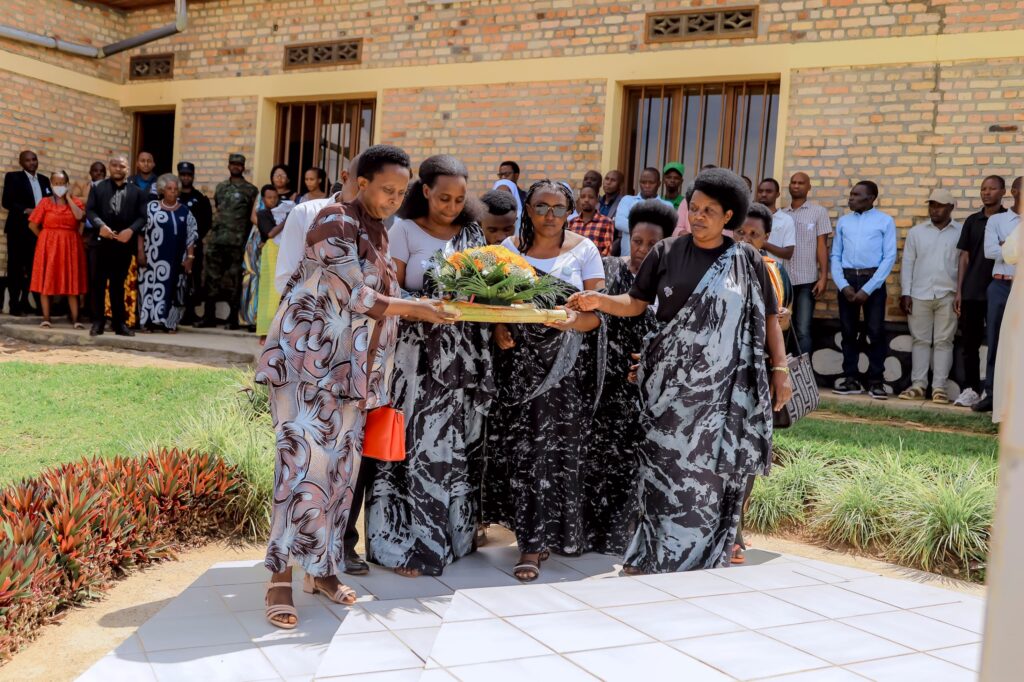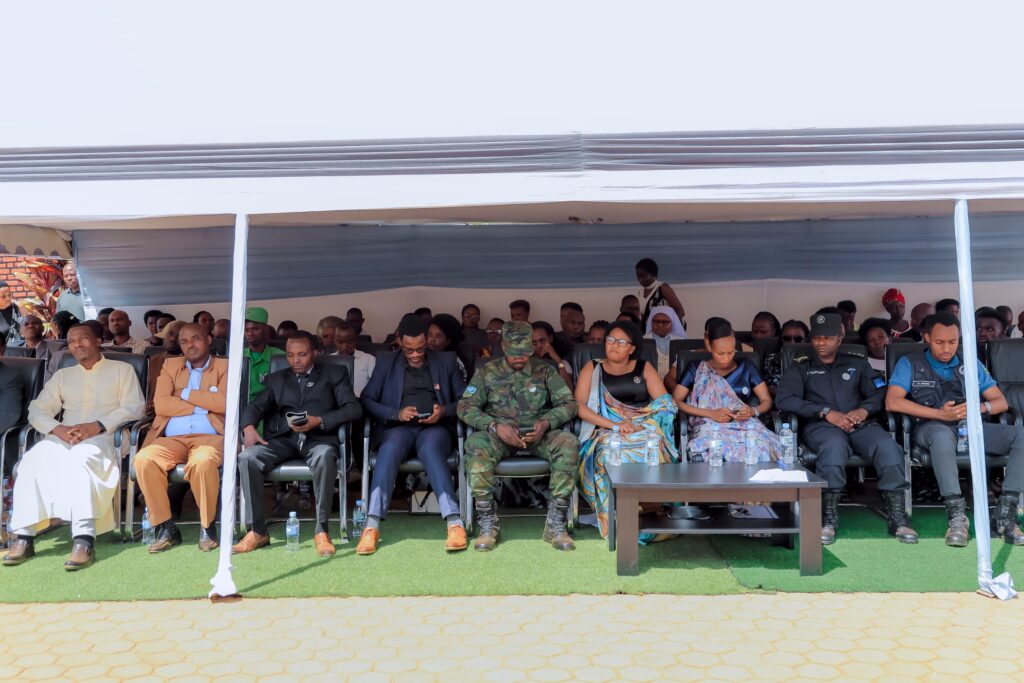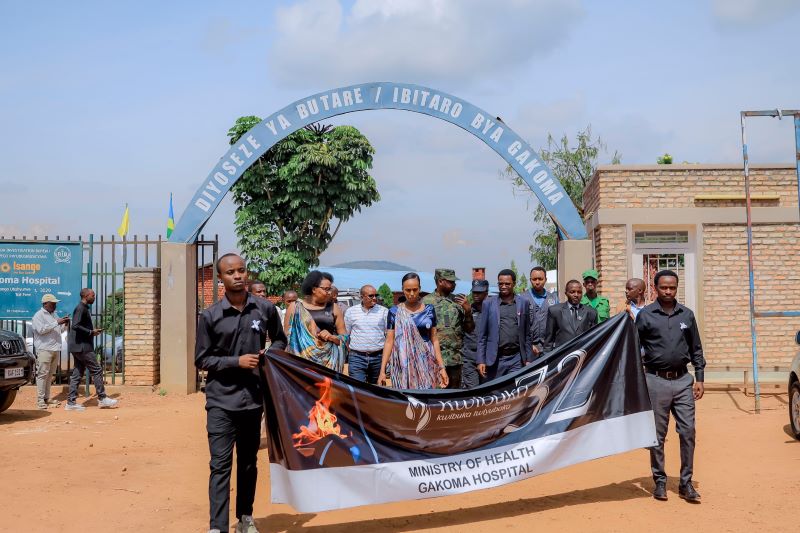
Gakoma District Hospital and its affiliated health centers in Gisagara District have commemorated doctors, patients, caregivers, staff members, and others who were killed during the 1994 Genocide against the Tutsi, emphasizing the importance of preserving history and preventing such atrocities from ever happening again.
The commemoration event, held on June 5, 2026, brought together local leaders, healthcare professionals, survivors of the Genocide against the Tutsi, relatives of victims, and members of the community.
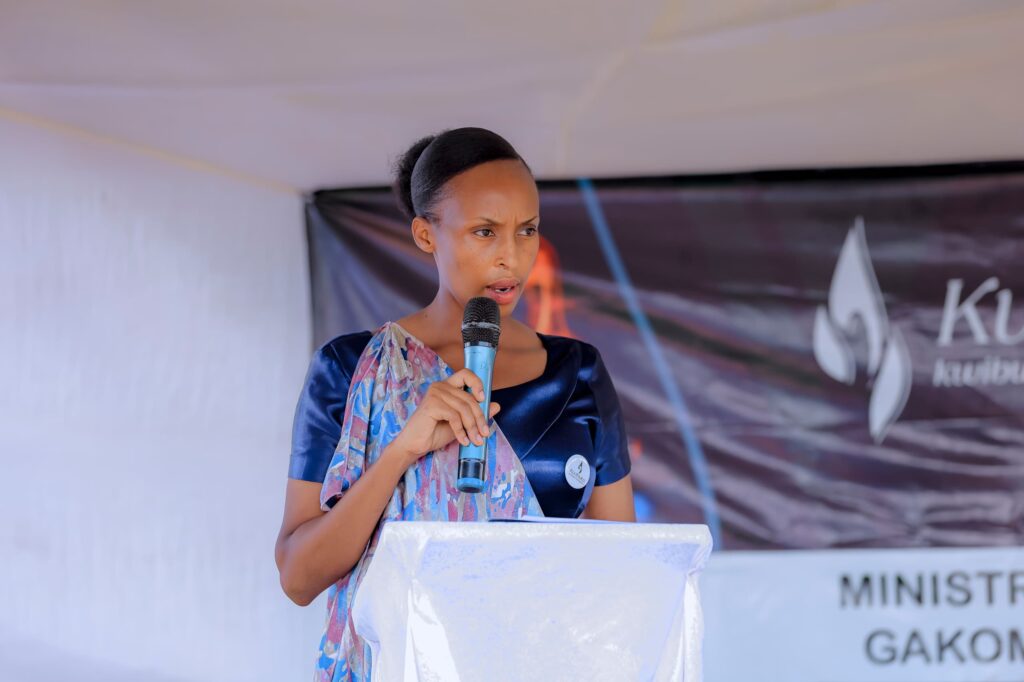
Eveline Uwamahoro, the Director General of Gakoma Hospital said that the Genocide against the Tutsi left a profound gap in the healthcare sector, as many people who had sought medical care lost their lives during the massacres.
She noted that this year’s commemoration honored 66 victims, including 53 from Gakoma Hospital, six from Musha Health Center, and seven from Save Health Center.
“We will continue collecting and preserving the history of those who were killed during the Genocide so that their identities are fully recognized and they receive the dignity they deserve. Remembrance is a responsibility for all of us and serves as a foundation for building a future free from division and hatred,” she said.
Uwamahoro expressed gratitude to the RPA-Inkotanyi forces, led by President Paul Kagame, for stopping the Genocide against the Tutsi. She also thanked the Government of National Unity for its continued support of remembrance activities and efforts to promote unity and resilience among Rwandans.
She condemned healthcare workers who participated in the Genocide, describing their actions as a betrayal of the ethical values of their profession.
“It is heartbreaking that some doctors and healthcare workers, whose duty was to protect human life, instead took part in taking lives. These painful lessons should continually remind us to build a healthcare system founded on humanity and respect for human life,” she said.
She added that healthcare workers within the Gakoma Health Zone remain committed to combating genocide ideology and supporting survivors in dealing with the lasting effects of the Genocide, including trauma.
One survivor, Marie Anne Mukabadege, who survived at the hospital, recalled the extreme hardship endured by those who lived through the Genocide, noting that many people died from hunger and other forms of abuse.
“Surviving the Genocide in this hospital was a journey of suffering. We witnessed people dying every day, but we are grateful to the RPA-Inkotanyi who rescued us and made it possible for some of us to survive and bear witness to what happened,” she said.
The Vice President of Ibuka in Mamba Sector, Gaspard Karangwa, stressed the importance of educating young people about the history of the Genocide against the Tutsi. He noted that while many of those who planned and carried out the Genocide were young people, youth also played a significant role in stopping it.
“Young people are the future of Rwanda. It is essential that they continue to learn the true history of the Genocide so that they never fall into the trap of divisionism and genocide ideology, as some young people did during that period,” he said.
He called for continued awareness campaigns aimed at helping youth grow up with the values of unity, Rwandan identity, and resilience.
Carine Uwamahoro, the Executive Secretary of Gisagara district said that remembering victims of the Genocide in hospitals and health facilities is a responsibility shared by healthcare professionals and all Rwandans.
She condemned doctors, nurses, and midwives who abandoned their duty to protect life and instead became involved in the killings.
“Remembrance helps us continue building national unity, fighting division, and ensuring that genocide never happens again. It is our collective responsibility to safeguard history and ensure that the truth is preserved,” she said.
She also praised survivors of the Genocide against the Tutsi for their resilience and contribution to Rwanda’s development, while expressing gratitude to the Government of Rwanda and the RPA-Inkotanyi forces for stopping the Genocide.
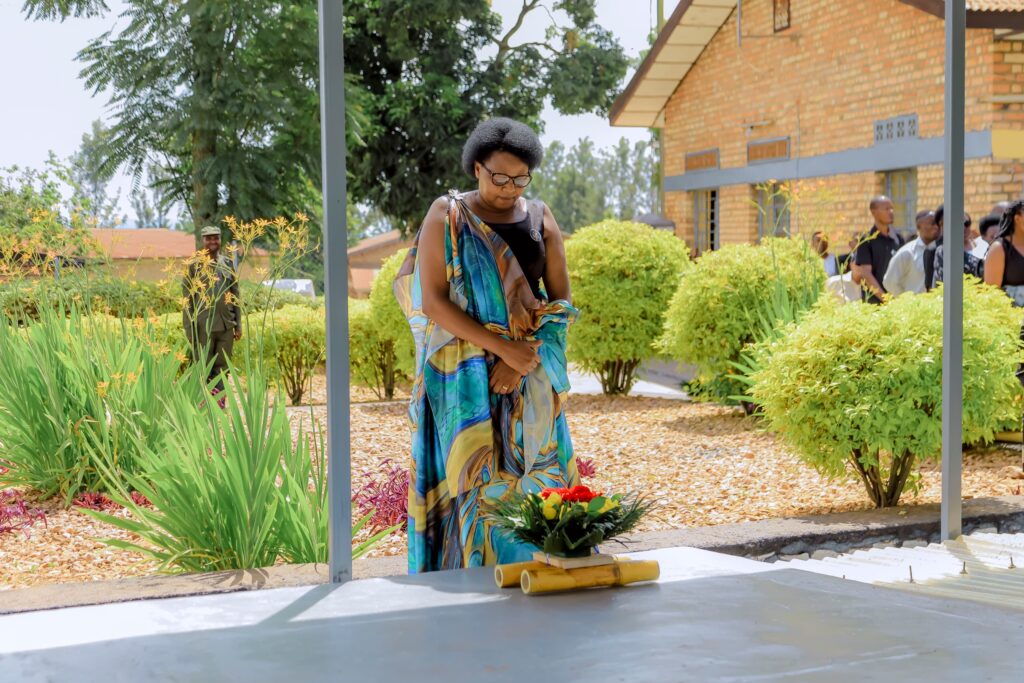
Every year on June 5, Gakoma Hospital, together with its affiliated health centers including Save, Musha, Gikonko, Gishubi, and Gakoma, commemorates doctors, patients, caregivers, staff members, and others who were killed during the 1994 Genocide against the Tutsi. The annual event aims to honor their memory, restore their dignity, and preserve Rwanda’s history for future generations.