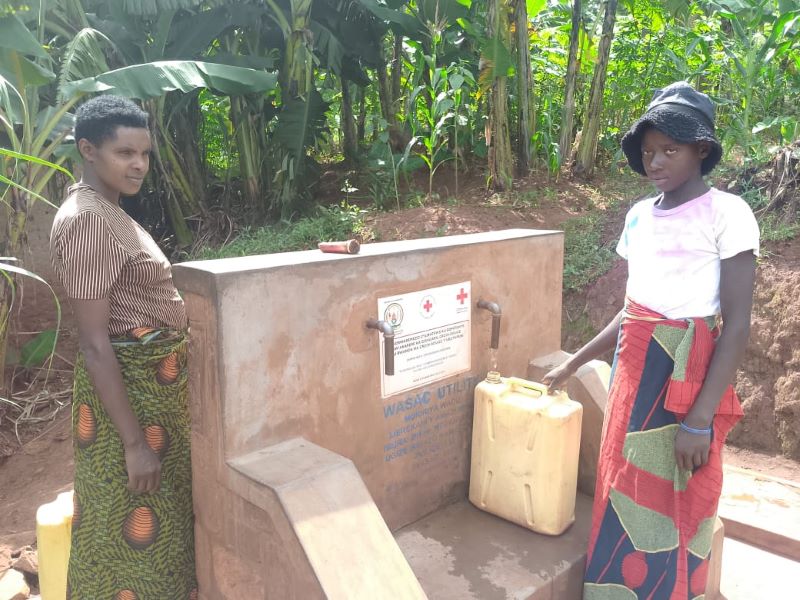
In previous years, residents of Mukindo Sector in Gisagara District faced numerous challenges including lack of access to clean water, limited awareness about development opportunities, and widespread poverty that left many families struggling to find enough food. Today, however, their lives are gradually improving thanks to development initiatives implemented by the Rwanda Red Cross aimed at improving both livelihoods and economic wellbeing.
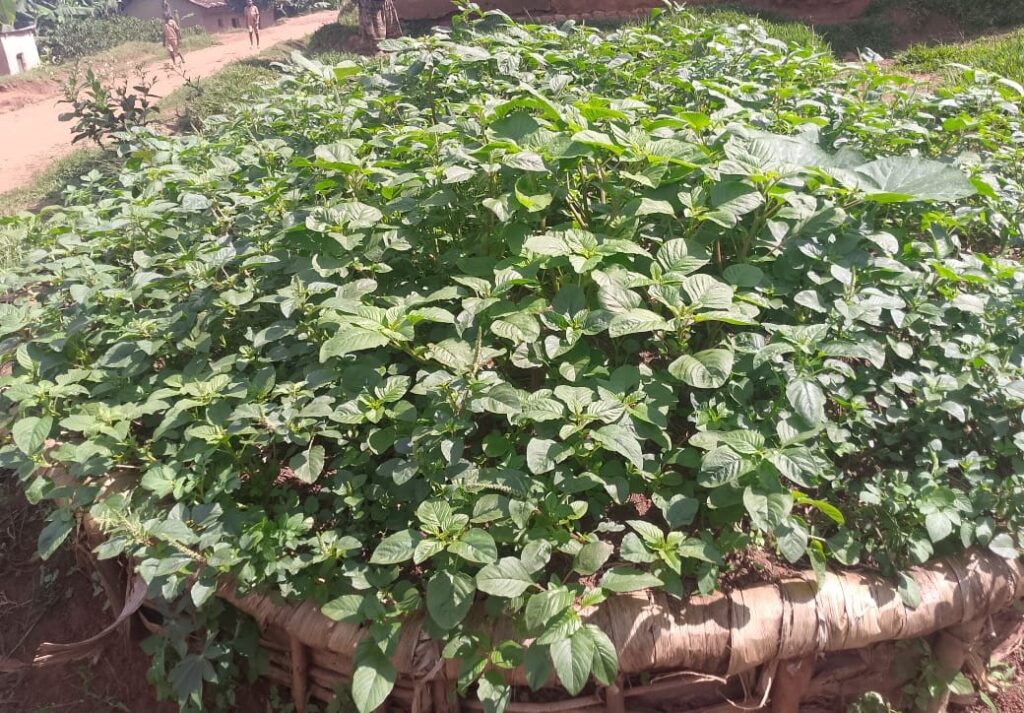
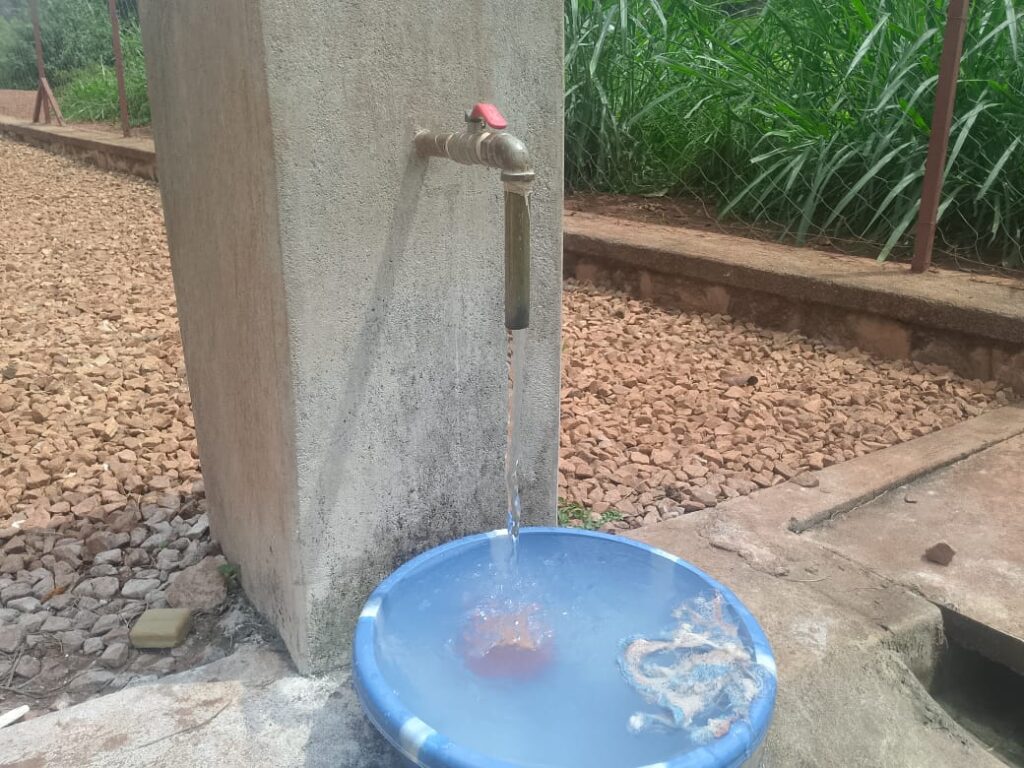
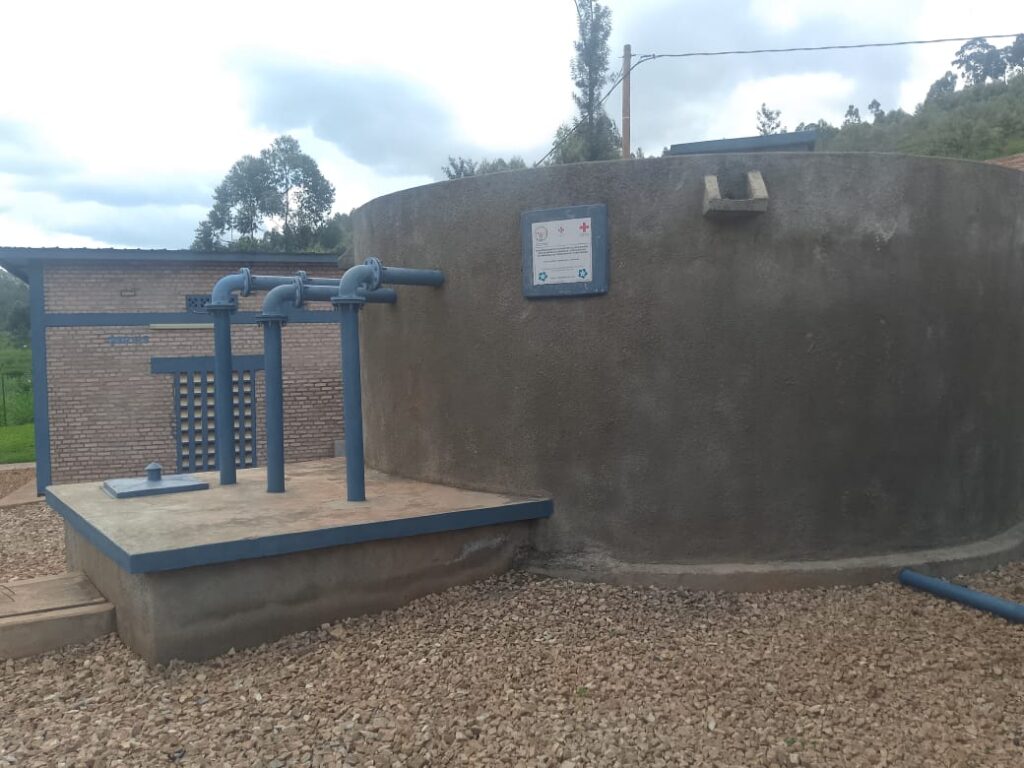
These interventions include providing access to clean water, establishing kitchen gardens, promoting hygiene and sanitation practices, constructing improved latrines, and supporting families with small livestock to help them generate income and escape poverty.
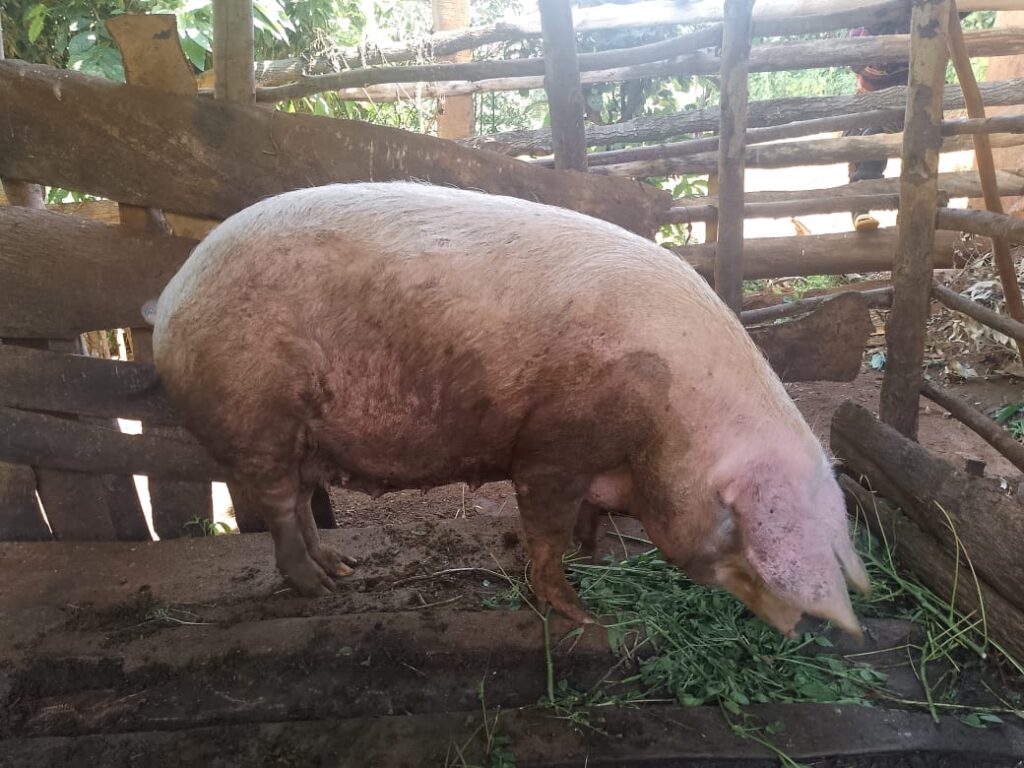
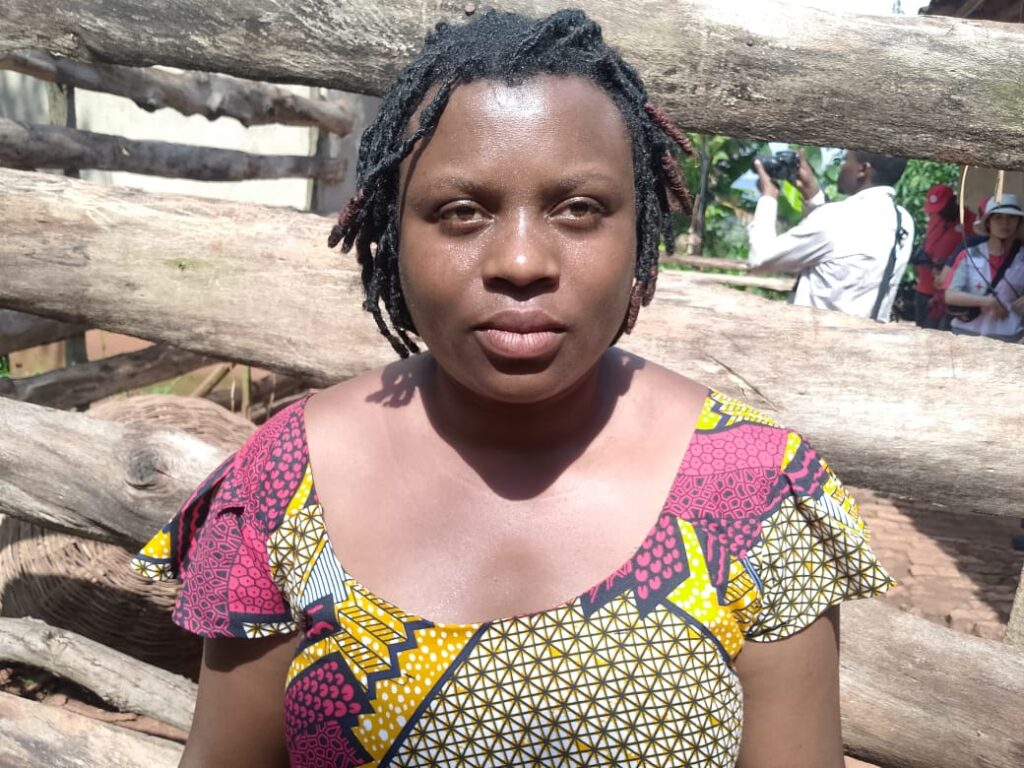
In Nyabisagara Cell, Mukindo Sector, the story of Denise Niyoyita illustrates how a small intervention can transform the life of a household. Niyoyita was selected among vulnerable residents and received a young pig from the Red Cross. Today, she says the support marked the beginning of her family’s development journey.
“They gave me a small pig which later grew and reproduced. So far it has produced more than 70 piglets. This enabled me to buy a cow, and I also give pigs to other residents to raise. I am now part of savings groups and have managed to buy other livestock including goats,” she says.
She explains that the support they received went beyond livestock, as they were also equipped with knowledge that helped them transform their daily lives.
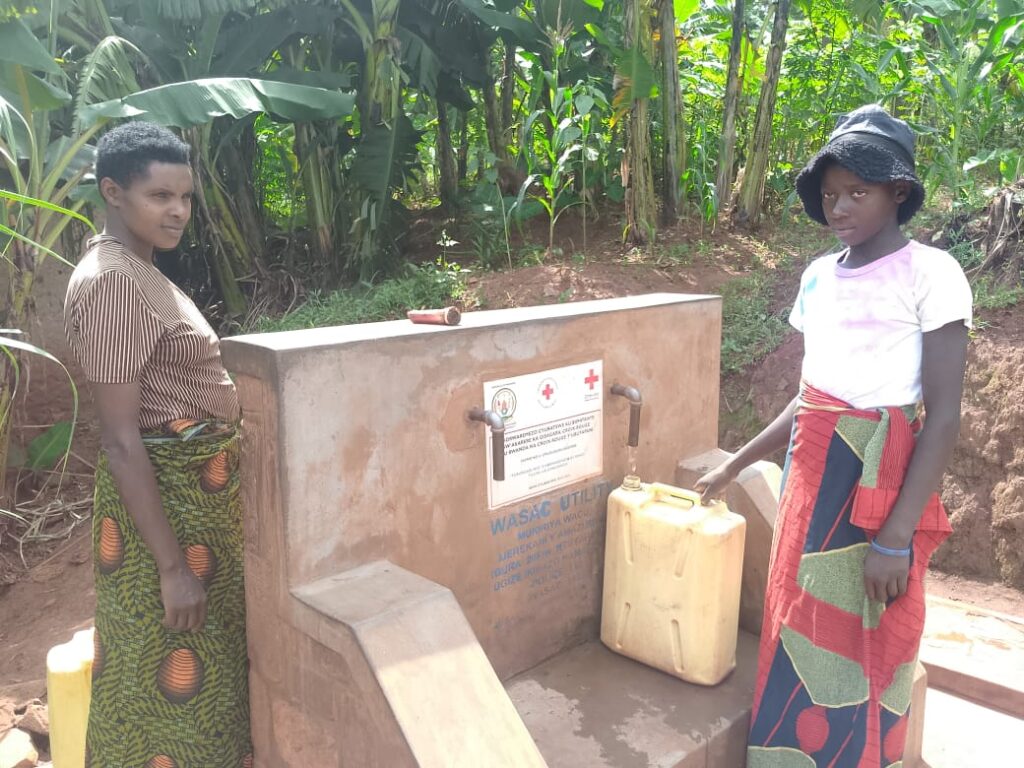
“We now have clean water close to our homes. We were trained on hygiene and sanitation and were helped to establish kitchen gardens. Today we no longer buy vegetables because we grow them at home, and we also have improved sanitation facilities,” she adds.
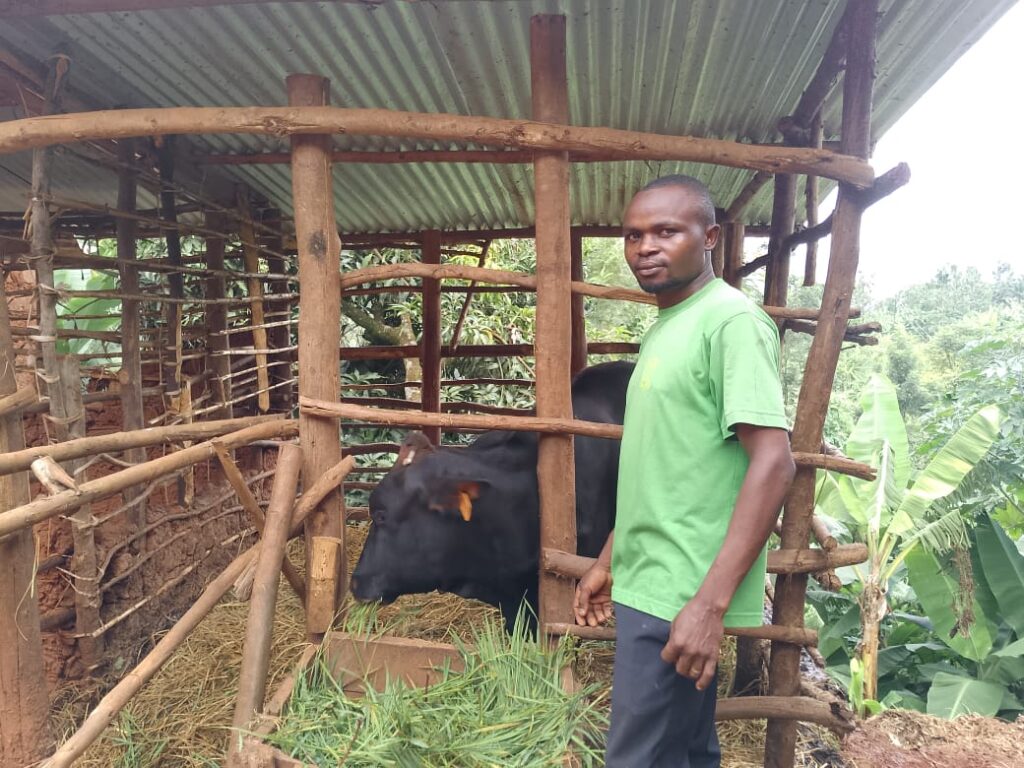
Jean De Dieu Ntibuzurukundo, another resident of the sector, says that before the Red Cross interventions, many residents lacked the mindset needed for development.
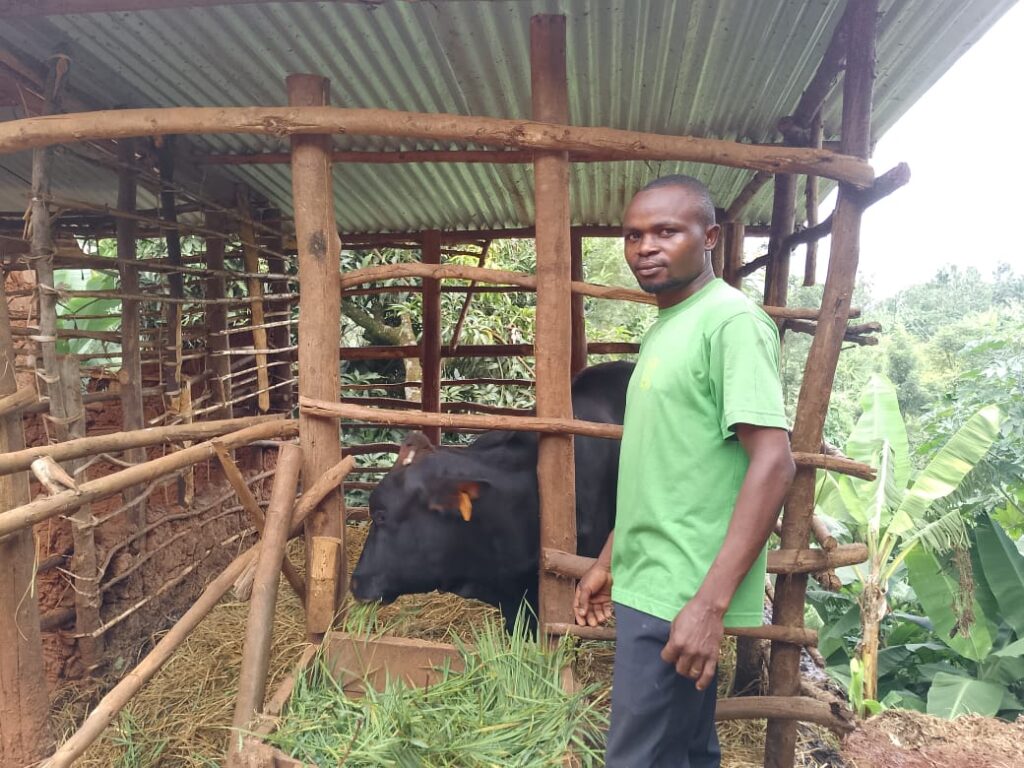
“The Red Cross found us with a mindset that kept people trapped in poverty. They taught us how to make better use of the resources we have. Today I own a cow which provides milk for my children, helps me earn income to pay school fees and health insurance, and I am also able to save through community groups,” he says.
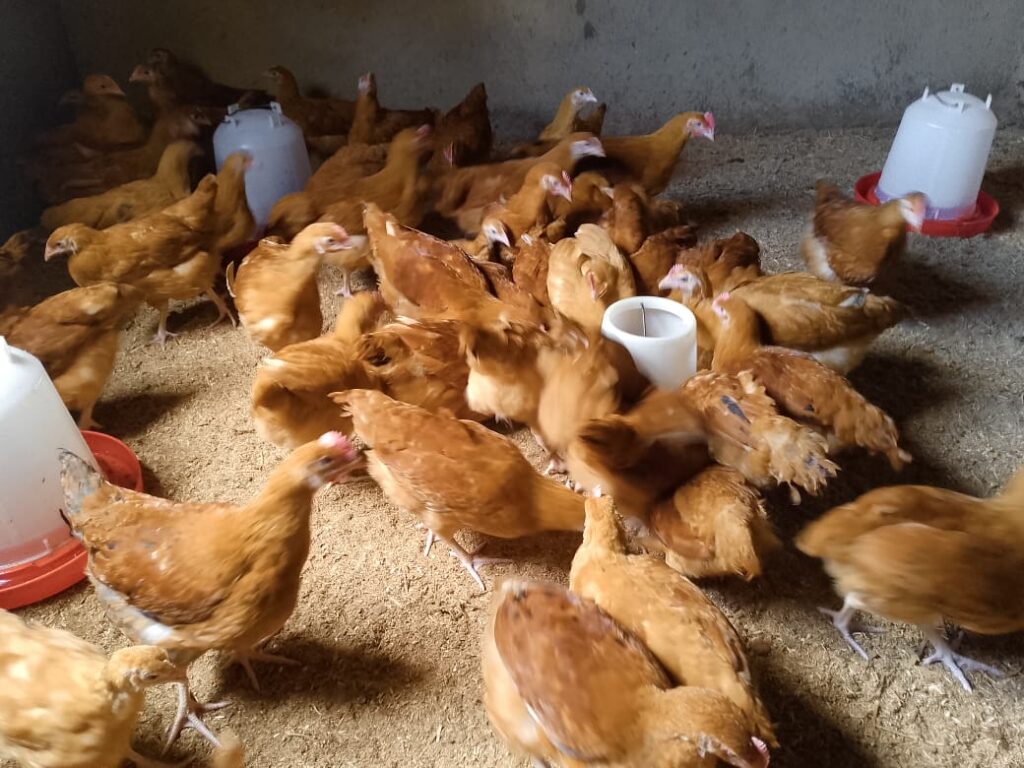
Beyond supporting individual households, the Red Cross has also focused on empowering community groups to run income-generating projects. Nzaramyimana Vincent, a member of a group known as Volonteers engaged in poultry farming, says the support they received enabled them to launch a large-scale poultry project.
“We received a loan of 7.8 million Rwandan francs. Today we have more than 1,000 chickens and production continues to grow. This has transformed our livelihoods and enabled us to earn income to improve our lives,” he says.
Jean Paul Habineza, the Vice Mayor in charge of Economic Development, says the organization’s initiatives align with the country’s vision of improving citizens’ livelihoods.
“Red Cross initiatives align with the national strategy of empowering citizens to improve their lives. Access to clean water, improved sanitation facilities, kitchen gardens, and livestock farming are some of the key factors helping residents achieve better living standards and economic growth,” he explains.
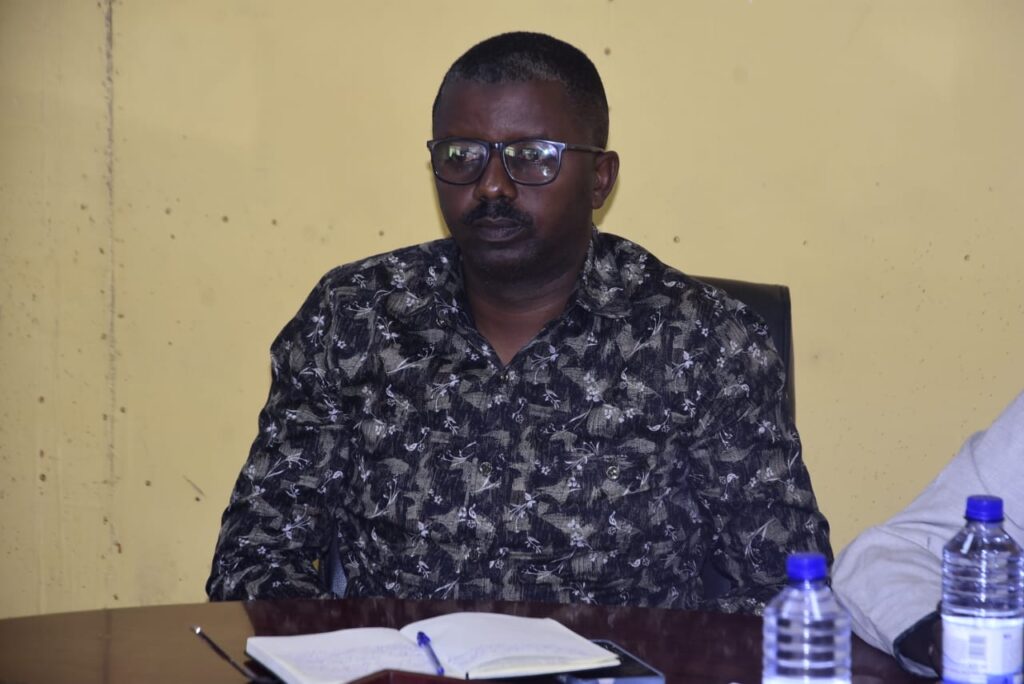
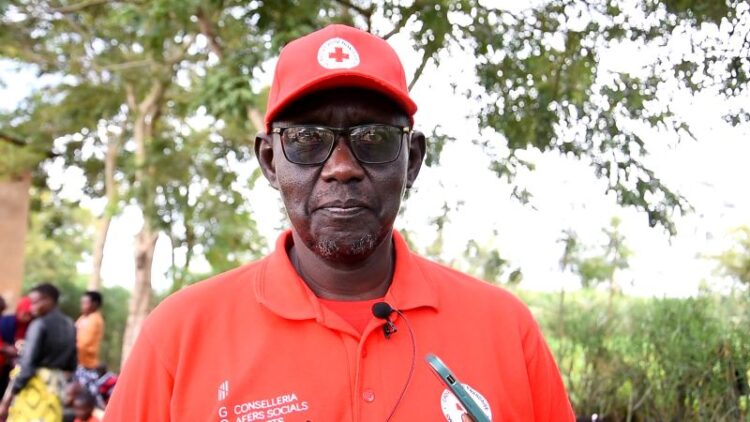
On the side of the Rwanda Red Cross, Aimable Twagiramutara, the head of Social Project Service, says the results from the first phase of the project demonstrated its significant impact, which is why, in partnership with the Japanese Red Cross Society as a donor, they decided to continue supporting residents in the sector.
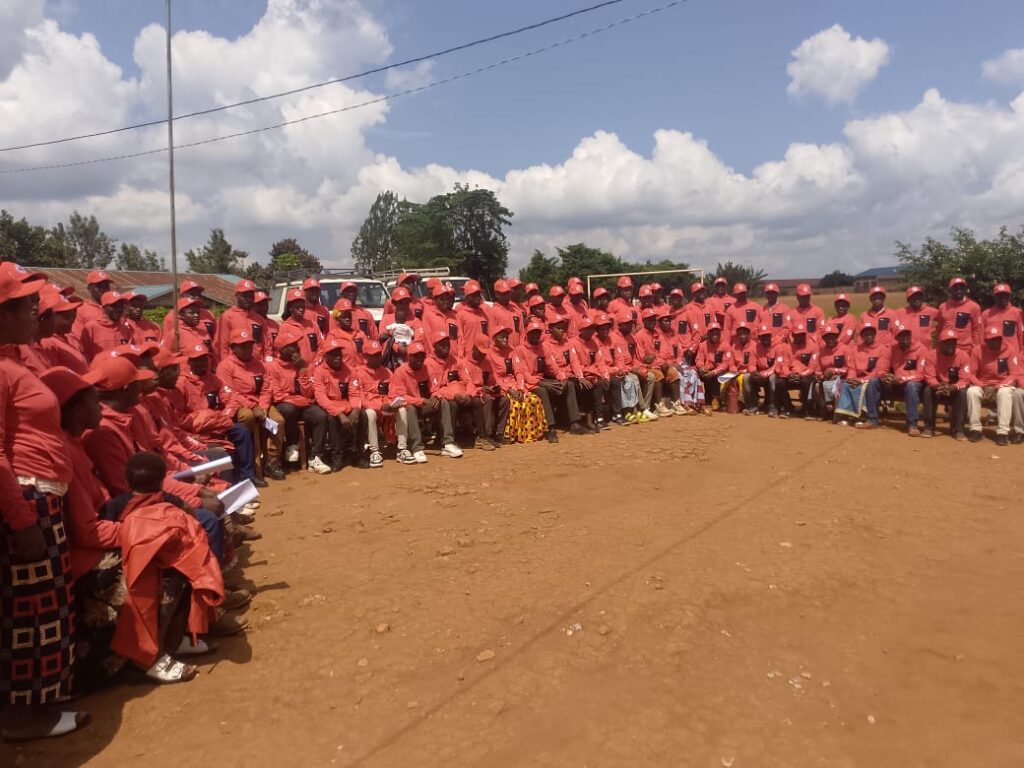
“We use the Model Village Approach where communities are given knowledge but also encouraged to take the lead in their own development. We mainly work through groups known as Community Solidarity Clubs or ‘Tuzamurane’ to help residents collectively address their challenges,” he says.
He adds that a water supply system has been constructed in the sector, providing clean water to more than 14,000 residents across 10 villages. However, he also calls on residents to take ownership of these projects.
“These facilities belong to the community. Residents must take care of them and protect them because that is what will ensure that development continues,” he says.
The second phase of the Gisagara Model Village project, currently being implemented in Mukindo Sector, is expected to cover 12 cells and will cost more than one billion Rwandan francs. The project aims to further strengthen social welfare and economic development among local residents.