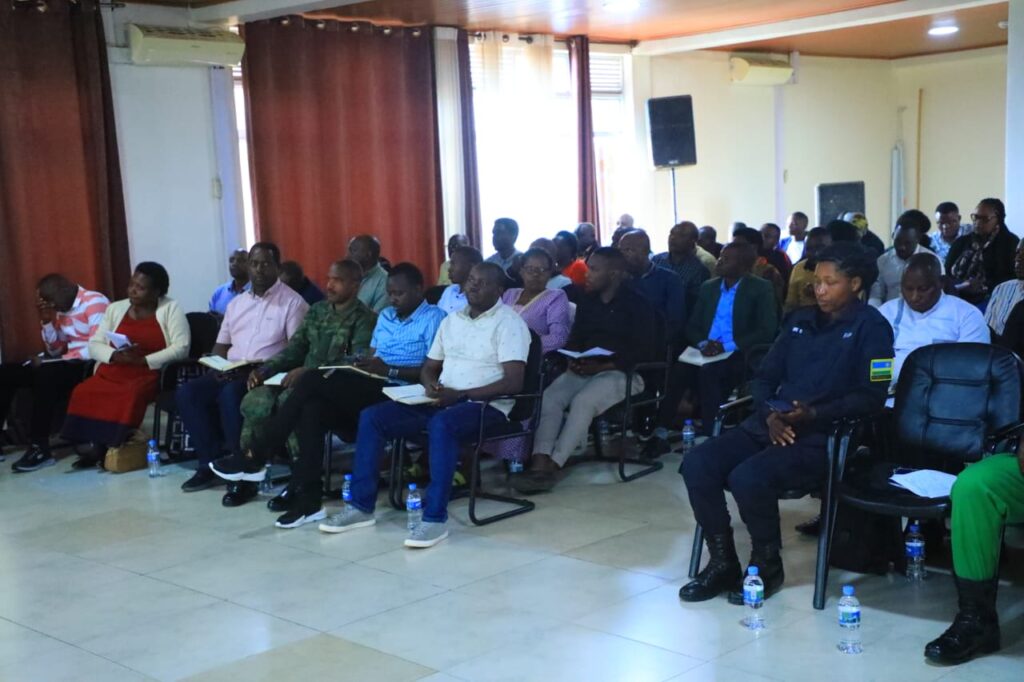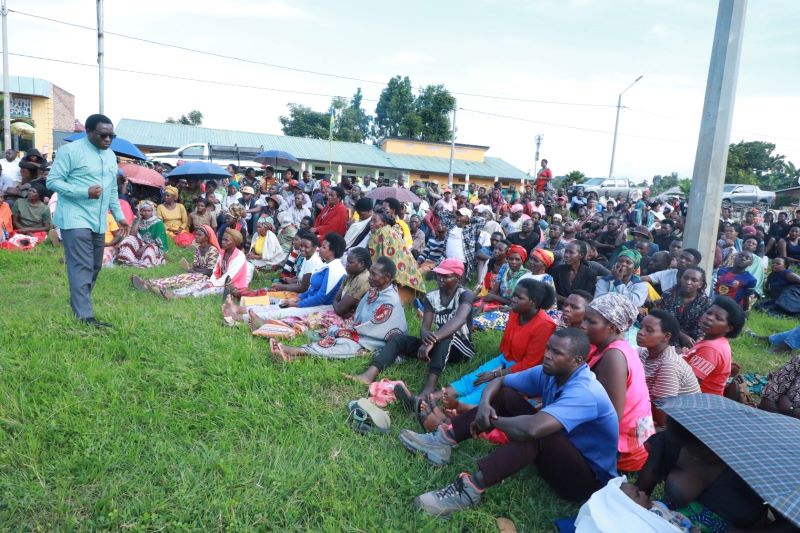
As part of efforts to promote peer learning among districts and strengthen good governance, some officials from Nyaruguru District visited Ruhango District on a study tour to learn how the Leadership School program is being implemented to enhance leaders’ capacity and improve public service delivery.
The Leadership School initiative, which began in Ruhango District, is based on performance indicators and working methods that help local leaders assess themselves and evaluate whether they are providing quality and impactful services to citizens.
Leaders say the program will help transform attitudes and working practices by ensuring that leaders become role models in the activities they encourage citizens to undertake. They also emphasize that the main objective is not simply to receive praise, but to improve the livelihoods of citizens and bring services closer to them.
Following discussions held from village to sector and district levels, Nyaruguru District leaders have planned training sessions aimed at preparing trainers for the Leadership School so they can later extend the program to local communities after completing the study visit in Ruhango District.
Some local leaders believe the initiative will encourage greater citizen participation in community affairs, noting that in some cases leaders previously encouraged citizens to engage in activities that they themselves did not practice.
Florence Pateta, Executive Secretary of Ruramba Sector, said the Leadership School will help citizens actively participate in matters that concern them and improve governance awareness.
“If we talk about hygiene, it will begin at the village level because the trainers from this school will reach every citizen. This will increase citizens’ participation in activities that affect them and help broaden their understanding of development,” she said.
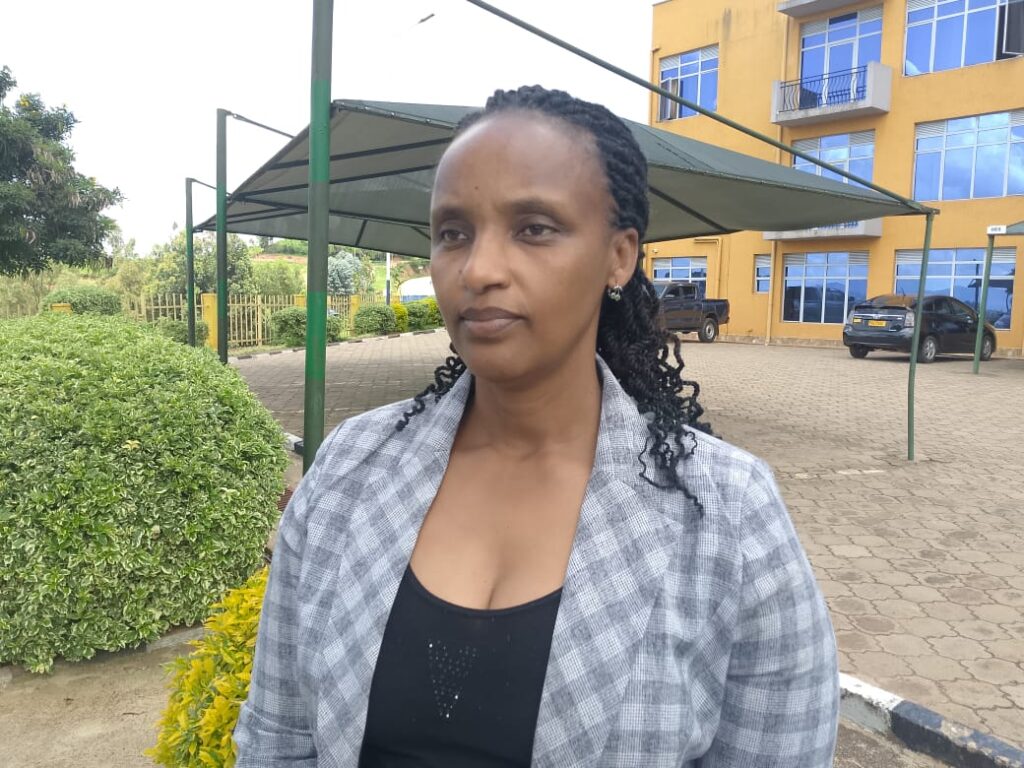
Aphrodis Rudasingwa, Executive Secretary of Ngera Sector, said they warmly welcomed the initiative because it will help leaders better understand their responsibilities and provide faster and more efficient services.
“A leader can only give what they have. Some leaders were not fully aware of their responsibilities, but this program will help us develop leaders with the knowledge and capacity to provide quality and timely services,” he said.
He added that some problems were caused by a lack of understanding of responsibilities, especially in civil registration services, where citizens often experienced delays in registering children or recording deaths.
“When a child is not registered on time, it can later become difficult for them to obtain a national identity card or access other services. Some families also fail to officially register deceased relatives, which affects inheritance rights and property management. Once leaders fully understand these issues, citizens will no longer have to move from office to office seeking services,” he explained.
Rudasingwa further noted that the Leadership School will contribute to combating drug abuse among young people, stressing that the issue should not be left solely to security organs.
“Some leaders believed that simply reporting information about drug abuse was enough and that the police should handle the rest. Yet leaders are aware of the challenges within their communities. This school will help leaders engage with young people and drug dealers, educate them about the dangers of drugs, and actively participate in finding solutions,” he said.
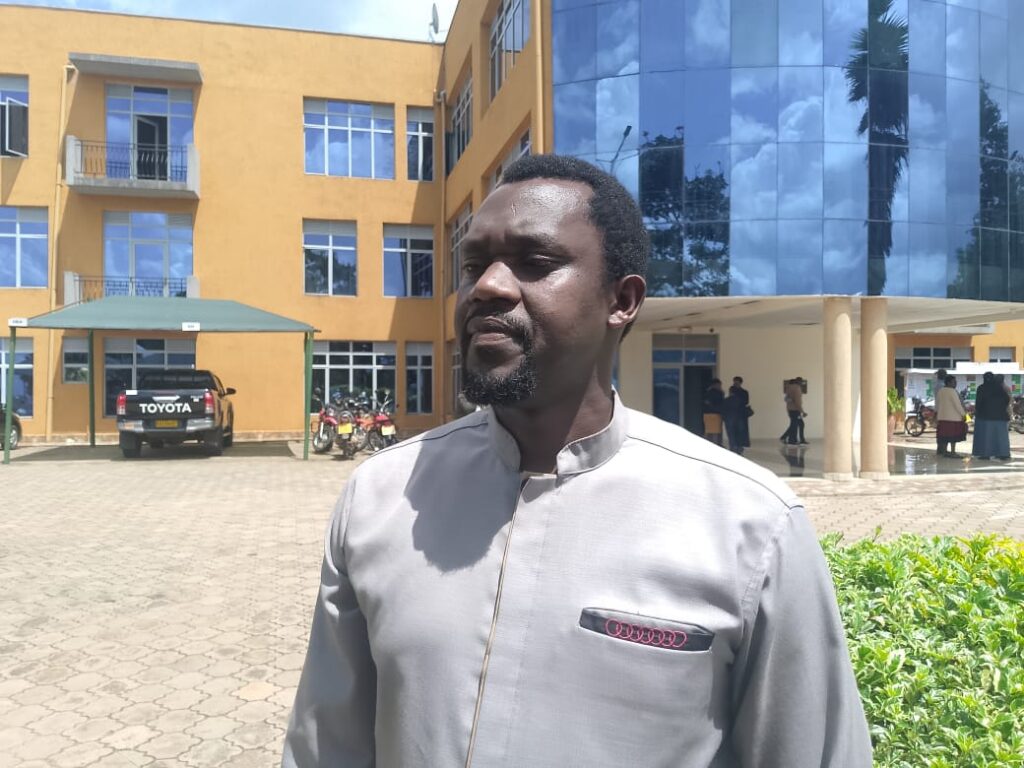
Some residents say the initiative comes at the right time because many citizens previously faced challenges accessing public services.
Florence Dusabimana, a resident of Kibeho Sector, said citizens were sometimes sent from one office to another without receiving proper responses to their concerns.
“There are times when a citizen cannot find a leader, or they raise an issue in a public meeting and fail to receive a clear solution. When people keep moving around looking for answers, they lose trust in leadership. This school will awaken some leaders who have not been fulfilling their responsibilities properly,” she said.
Another resident noted that some leaders abused their authority or treated citizens unfairly.
“In some places, certain business owners had their businesses closed while others were not punished because of personal interests leaders had in them. If this school is properly implemented, it will help leaders perform their duties transparently and in the interest of citizens,” the resident said.
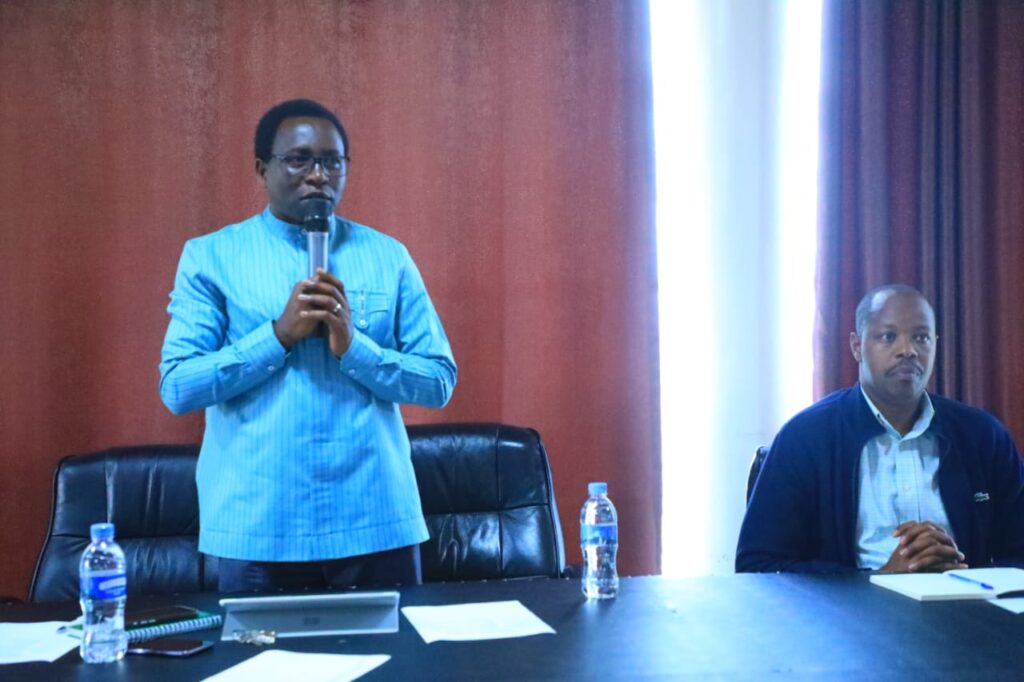
Dr. Emmanuel Murwanashyaka, Mayor of Nyaruguru District, said the goal of the Leadership School is to build transformational leaders who prioritize citizens’ welfare and development.
“What we want is a leader capable of transforming citizens’ lives through quality services and by helping them access what they need. We must clearly define both the role of the leader and that of the citizen in order to achieve meaningful results,” he said.
He added that monitoring mechanisms have been established at household and village levels, where every leader will be assigned a specific area to oversee in order to address citizens’ concerns and improve the effectiveness of the program.
“The Leadership School will be based on the specific challenges and realities of each village, cell, and sector so that we can achieve real changes in mindset and working culture that contribute to citizens’ development,” he said.
As Nyaruguru District begins implementing the Leadership School initiative, both residents and leaders express optimism that it will improve the functioning of local government institutions and enhance service delivery.
The program is expected to address long-standing challenges caused by some leaders neglecting their responsibilities or failing to stay close to citizens. Residents believe that development cannot be achieved when citizens’ concerns are ignored or delayed, which is why the Leadership School is viewed as an important step toward ensuring leaders remain accessible, attentive, and actively involved in solving community problems.