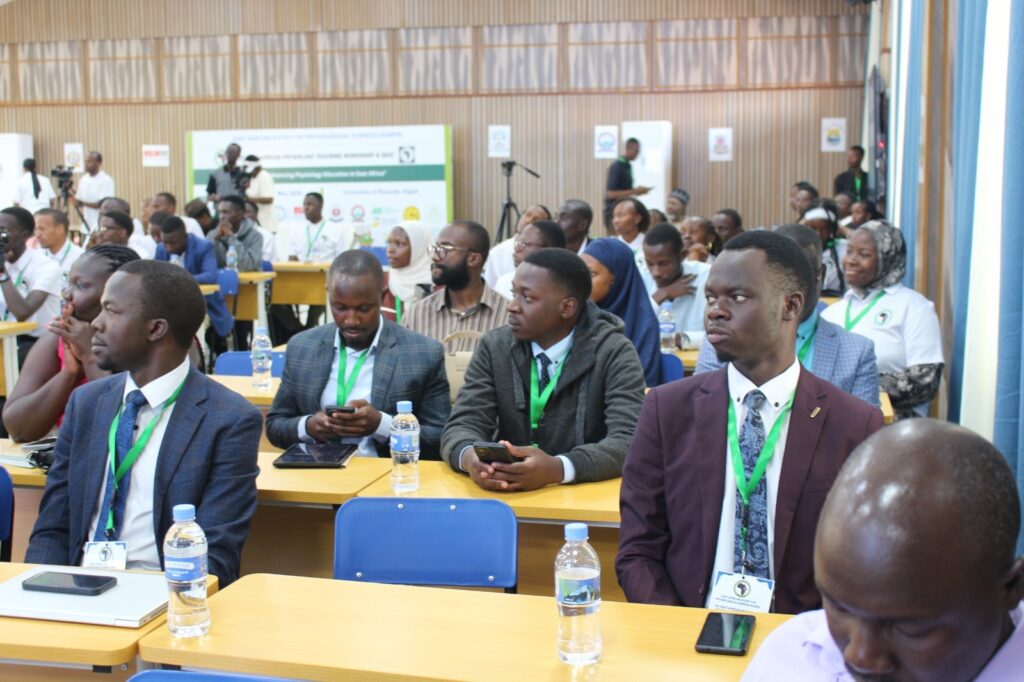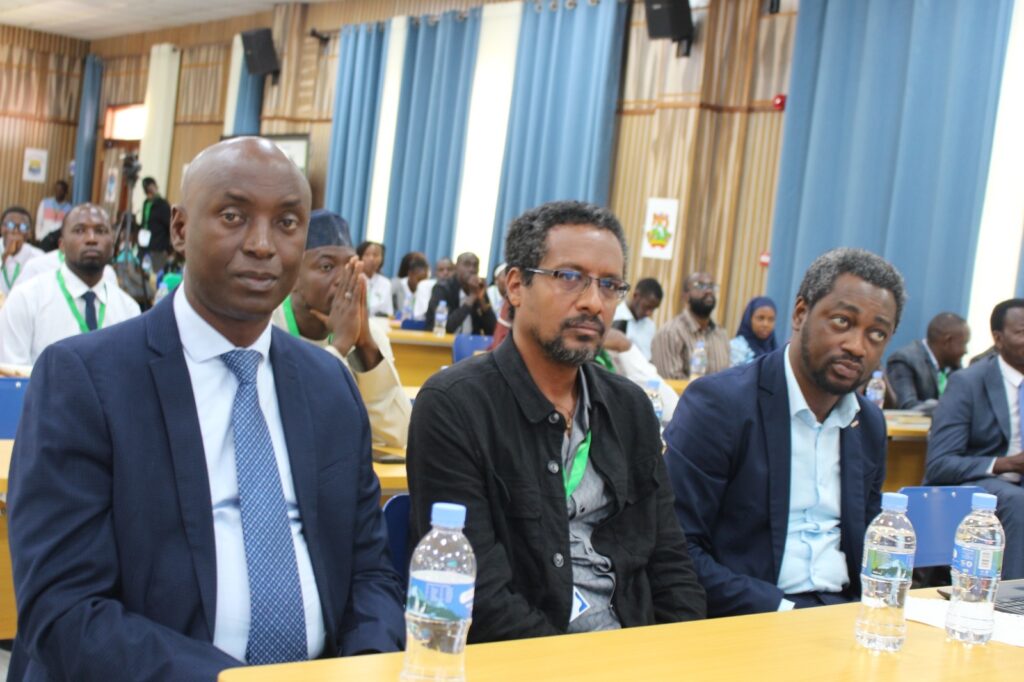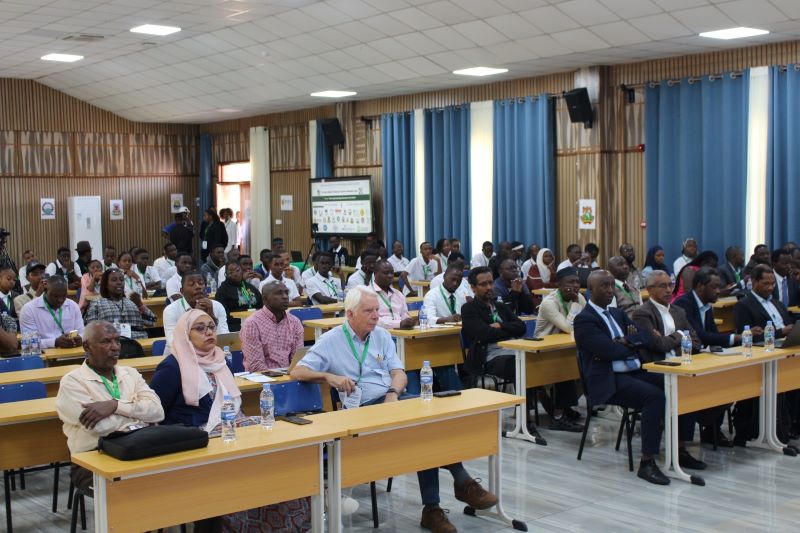
Students, lecturers, researchers, and healthcare professionals from universities across East Africa gathered in Rwanda for a three-day academic workshop and quiz competition aimed at advancing Physiology education and strengthening regional collaboration in health sciences.
The event, titled the East African Physiology Quiz and Teaching Workshop, was held from May 8 to May 10, 2026 at the School of Medicine and Pharmacy, College of Medicine and Health Sciences, University of Rwanda, Remera Campus under the theme: “Advancing Physiology Education in East Africa.”
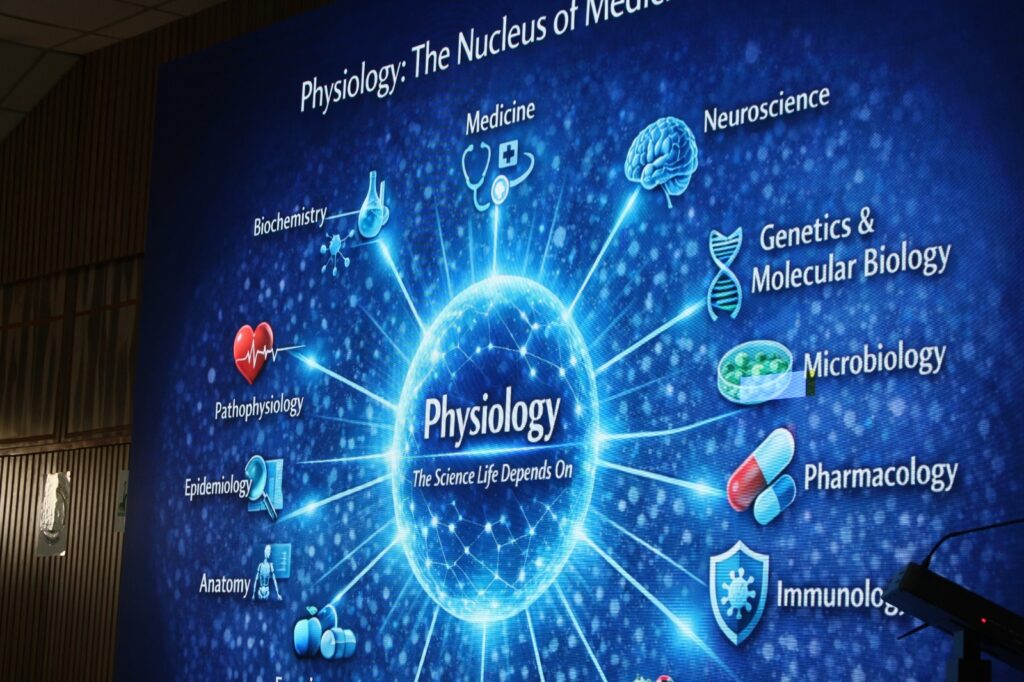
Physiology in medicine is the branch of science that studies how the human body functions. It explains how organs, tissues, cells, and body systems work together to keep the body healthy and alive.
In medical education, Physiology is considered one of the foundations of medicine because it helps students and healthcare professionals understand how the heart pumps blood, how the lungs help in breathing, how the brain and nerves control the body ,how digestion, hormones, muscles, and other body systems function
Understanding normal body functions helps doctors and other health professionals identify what happens when disease affects the body and how treatments work.
The workshop was organized by the East African Society of Physiological Sciences (EASPS) in collaboration with the University of Rwanda and other partners.
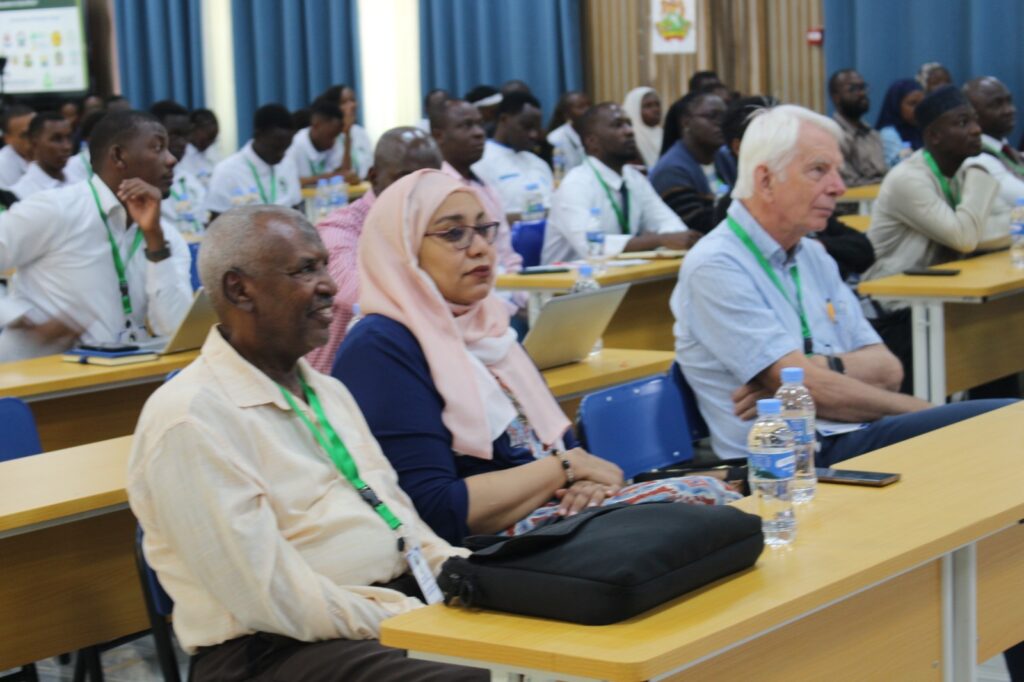
The regional gathering brought together participants from universities in Rwanda, Kenya, Tanzania, and other East African countries to exchange knowledge, share experiences, and discuss ways to improve the teaching and learning of Physiology and other health sciences disciplines.
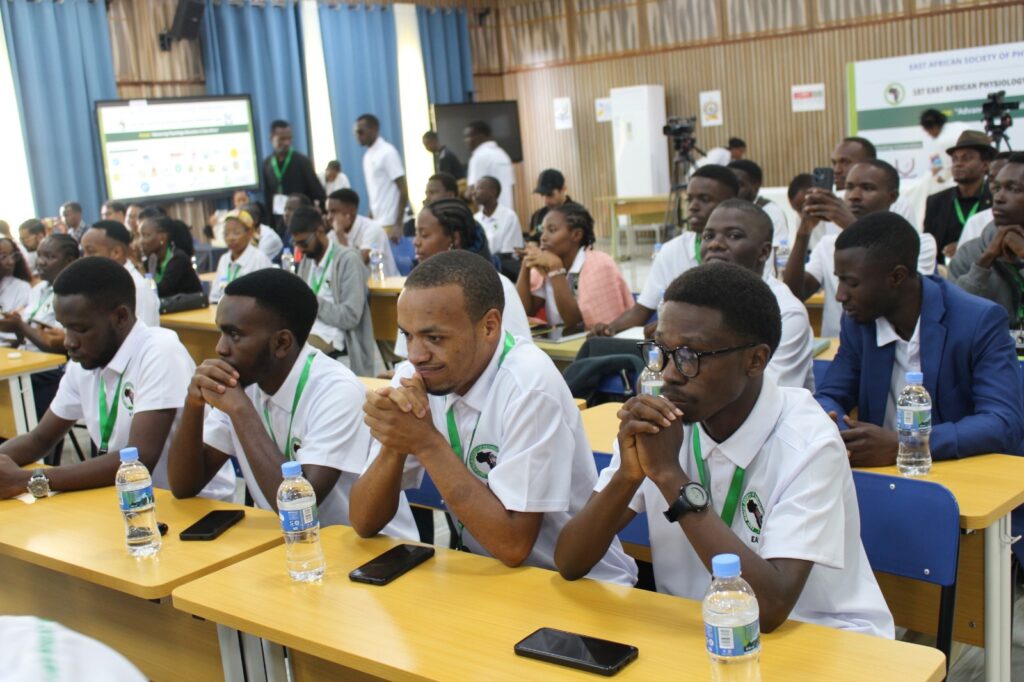
Besides academic sessions and professional training workshops, the event also featured quiz competitions designed to assess the competencies of students in Medicine, Dentistry, Pharmacy, and other health sciences programs. Organizers described Physiology as the foundation of medicine and an essential discipline for understanding how the human body functions.
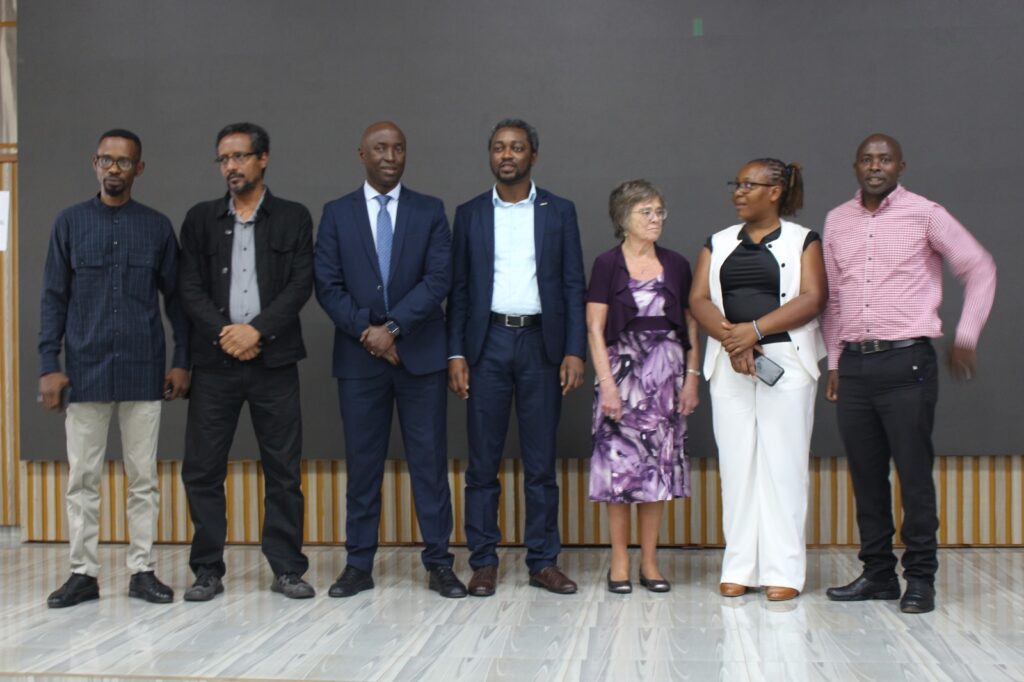
Speaking during the event, the President of the East African Society of Physiological Sciences (EASPS), Prof. Abdullateef Isiaka Alagbonsi, said the workshop aimed to improve the quality of Physiology education across the region by bringing together educators, students, and researchers.
“We are happy to organize this quiz competition and teaching workshop aimed at helping teachers improve the way Physiology is taught, because Physiology is the foundation of medicine and health sciences. We believe that combining this workshop with the quiz competition will create an opportunity to build a stronger Physiology education program in the East African region,” he said.
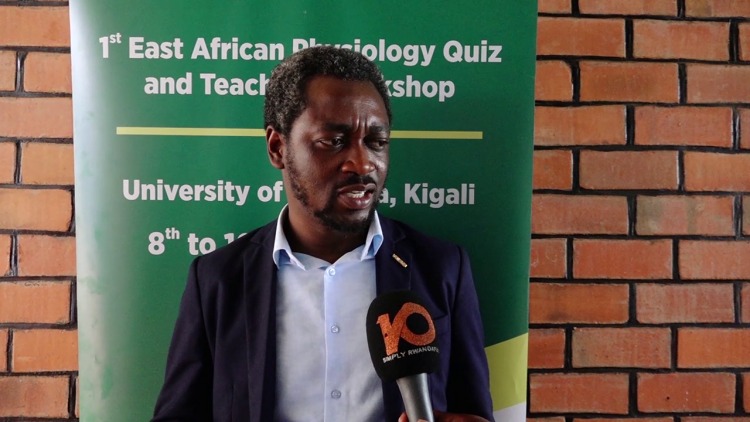
Prof. Alagbonsi added that Rwanda should be proud to host what he described as the first regional Physiology-focused event of its kind, noting that such initiatives promote collaboration, innovation, and scientific research among East African institutions.
Participants who attended the workshop said the event provided a valuable opportunity to gain advanced knowledge and interact with fellow students and professionals from across the region.
Nancy Angelu Bundy from Kenya, a third-year student at Jomo Kenyatta University, said it was her first time visiting Rwanda and expressed excitement about engaging with fellow medical students from different countries.
“This was a great opportunity to meet fellow students here in Rwanda who are studying medicine from different East African countries. We shared how we study, participated in academic competitions, and learned the importance of Physiology in healthcare,” she said.
Martin Kavu Marabo from Tanzania, who studies at the Catholic University, said the workshop helped participants acquire new knowledge and perspectives that will contribute to improving healthcare systems through better understanding of Physiology.
“Participating in the East African Physiology Quiz and Teaching Workshop has expanded my perspective on medical education and research. It also showed us the importance of regional collaboration in improving healthcare in Africa. Beyond academics, this workshop allowed us to connect with fellow students from different countries, appreciate Rwanda’s hospitality, and build networks that may help us in our future medical careers. The knowledge and experience we gained during these three days will contribute to improving healthcare services because Physiology remains one of the foundations of medicine,” He said.
Participants also praised Rwanda for its hospitality, organization, and development, saying the event not only strengthened academic collaboration but also created lasting regional connections among future healthcare professionals.
Organizers noted that strengthening students’ understanding of physiological principles is critical in preparing competent healthcare professionals capable of addressing emerging health challenges in the region.
They emphasized that regional academic initiatives such as the East African Physiology Quiz and Teaching Workshop are essential for promoting innovation, scientific research, and excellence in medical education across Africa.
As the workshop concluded, participants and organizers expressed optimism that continued regional collaboration in Physiology and medical education will help shape a new generation of skilled healthcare professionals capable of responding to Africa’s growing health challenges. They emphasized that strengthening scientific knowledge, research, and cross-border academic partnerships remains key to improving healthcare systems and advancing medical training across the East African region.