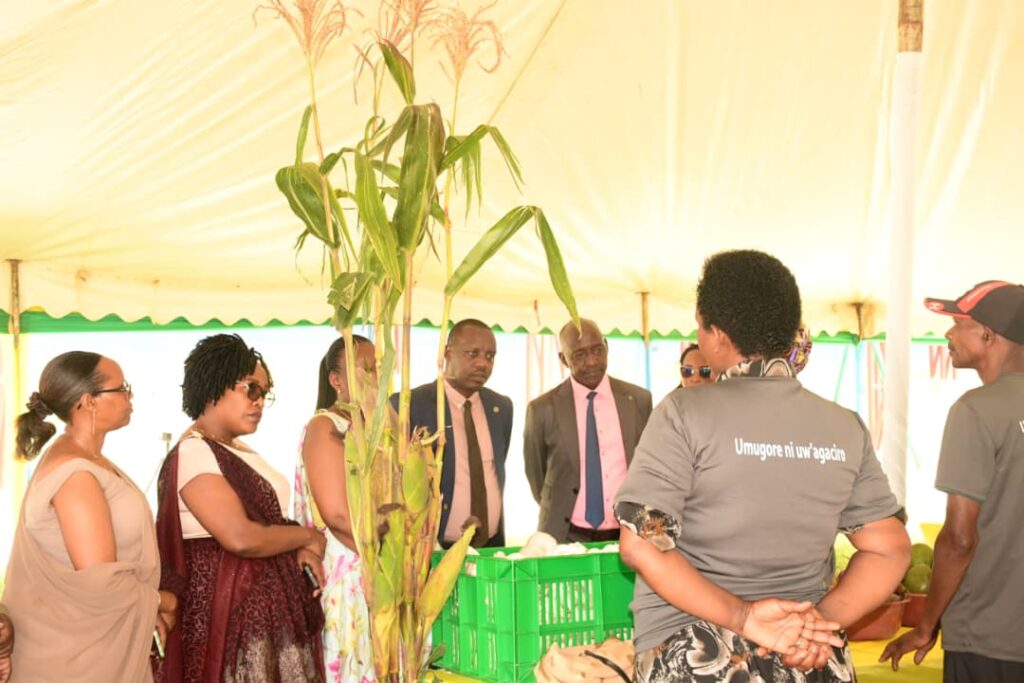
Every year on March 8, Rwanda joins the rest of the world in celebrating International Women’s Day. This year marks the 51st celebration in Rwanda, under the theme “Women are Valuable.” The theme emphasizes that women are a pillar of national development, and empowering women is equivalent to advancing the nation.
The Government of Rwanda, led by President Paul Kagame, continues to prioritize gender equality and complementarity between men and women, ensuring equal opportunities in education, economic empowerment, and leadership.
Rwanda also remains a global leader in promoting women’s participation in governance. Its Parliament has the highest percentage of women in the world, with women making up 63.7% of members in the Chamber of Deputies.
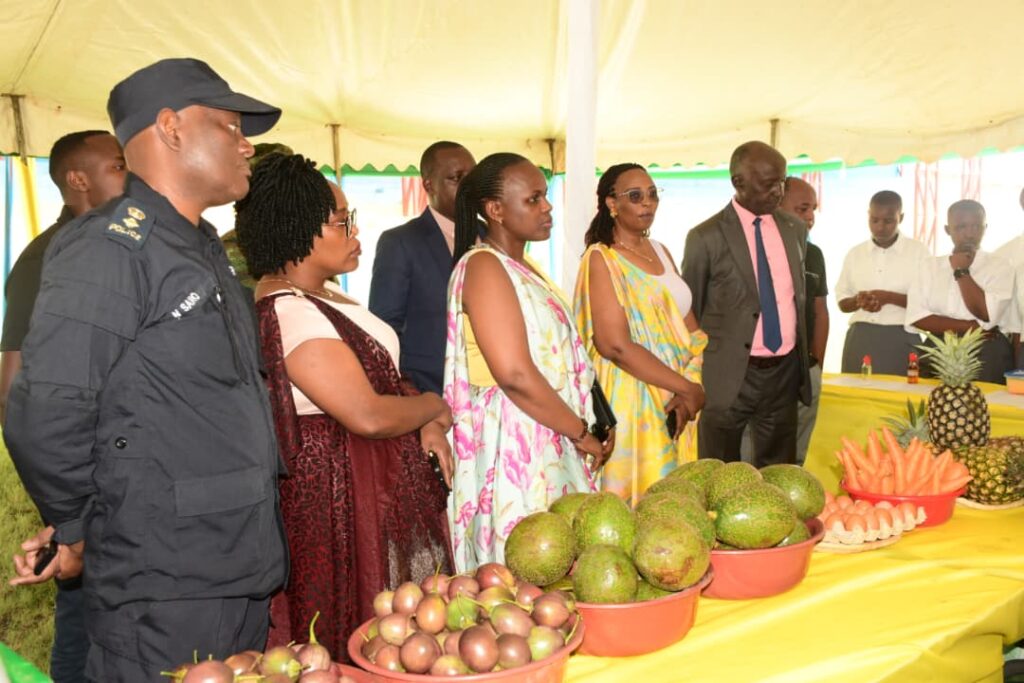
During the celebrations held in Nyamagabe District, leaders and residents acknowledged the significant progress made in recognizing the value of women and strengthening their role across different sectors of life.
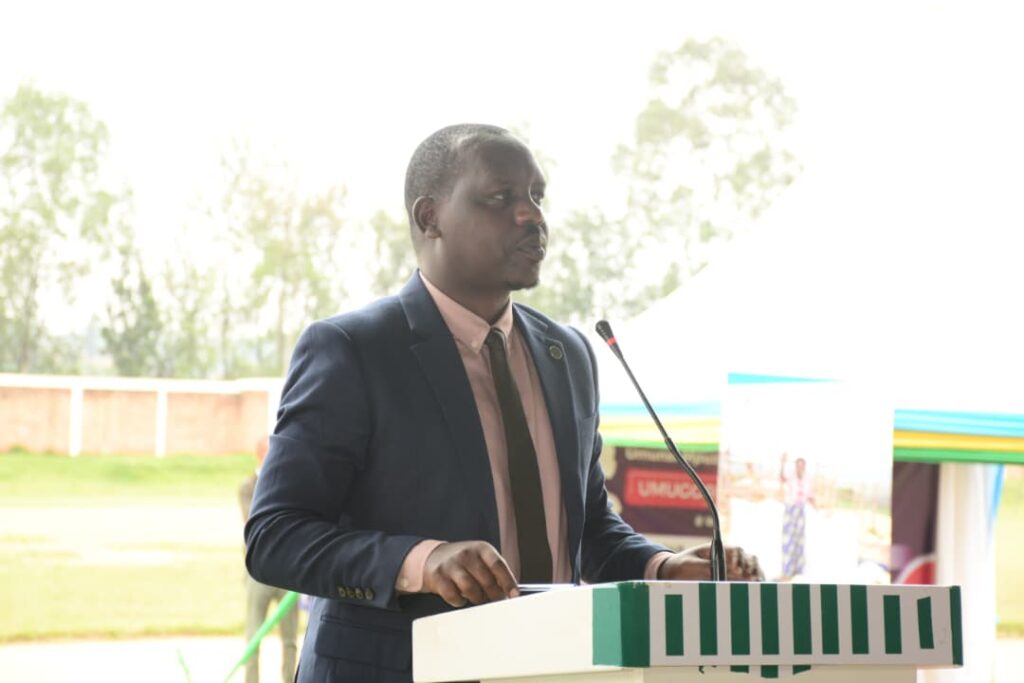
Thadee Habimana, the Vice Mayor of Nyamagabe District in charge of Economic Development, stated that this year’s theme at the international level encourages everyone to play a role in promoting the rights and empowerment of women and girls.
“A woman is not an ordinary person; she is the foundation of life. She is the educator of the family, an advisor, and a leader in various sectors of the country. When women are given equal opportunities, they demonstrate undeniable capacity to contribute to family and national development,” he said.
He added that 31 years after the 1994 Genocide against the Tutsi, Rwanda has made remarkable progress in economic growth, social welfare, and good governance, with women playing a crucial role in these transformations.
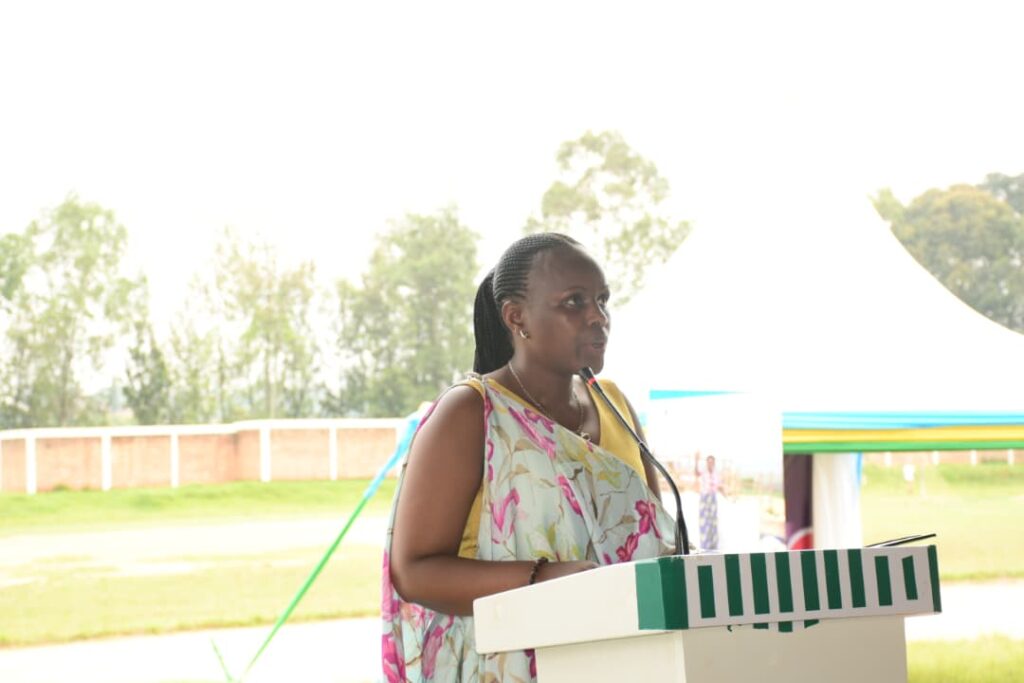
Women themselves say that the recognition of women’s value has significantly improved compared to the past, particularly in Nyamagabe District. Esperance Ayingeneye, a resident of Nyamagabe, explained that in the past women often remained silent about domestic violence, but that situation has changed.
“In the past, a woman could be beaten by her husband and keep quiet about it. Even when she went to the hospital, she would not say she had been assaulted. Today, women have a voice; when they face problems, they speak out and seek justice,” she said.
She added that women are the foundation of a child’s life.“That is why women are considered valuable. When a child is born, the first person they sit with is their mother. She is the one who carries the child first and teaches many of the first lessons in life. Today, women have a voice and participate in decision-making within families.”
The Deputy Speaker of the Chamber of Deputies, Beline Uwineza, praised women who have boldly entered professions that were once considered male-dominated. “Today we are proud to see women serving in various sectors including the army, the police, and other security institutions. This shows that women are capable and can make the most of the opportunities they receive,” she said.
She also commended development partners working with Nyamagabe District for supporting initiatives that empower women and strengthen families.
Yannick Niyireba, Head of Program Development and Implementation at World Relief, noted that about 70% of participants in projects implemented with Nyamagabe District are women. “In some families, women are still restricted from moving freely or making decisions. But when women are given freedom, families prosper because women play a crucial role in development,” he said.
Despite the progress made, leaders acknowledged that challenges still exist that hinder the development of women and families.
Deputy Speaker Beline Uwineza pointed out that family conflicts remain one of the key issues.“When conflicts arise in families, they undermine the dignity of couples and negatively affect the household economy. They can also harm children’s upbringing,” she said.
She explained that some causes of such conflicts include infidelity, excessive alcohol consumption, misuse of family resources, and domestic violence, which can sometimes lead to separation or even death. She also highlighted persistent challenges such as limited understanding of gender equality and cases of sexual abuse of minors leading to teenage pregnancies.
Beline Uwineza emphasized that International Women’s Day should serve as an opportunity to strengthen efforts to build stable families. “We should continue promoting programs such as Mutima w’Urugo and community savings groups, as they help families live in harmony, reduce conflicts, and improve household economic stability.”
She urged participants to invest greater efforts in building strong families, noting that they are the foundation of national development. “When a family is stable, the country also progresses. That is why we must work together to eliminate all barriers hindering the development of women and families.”
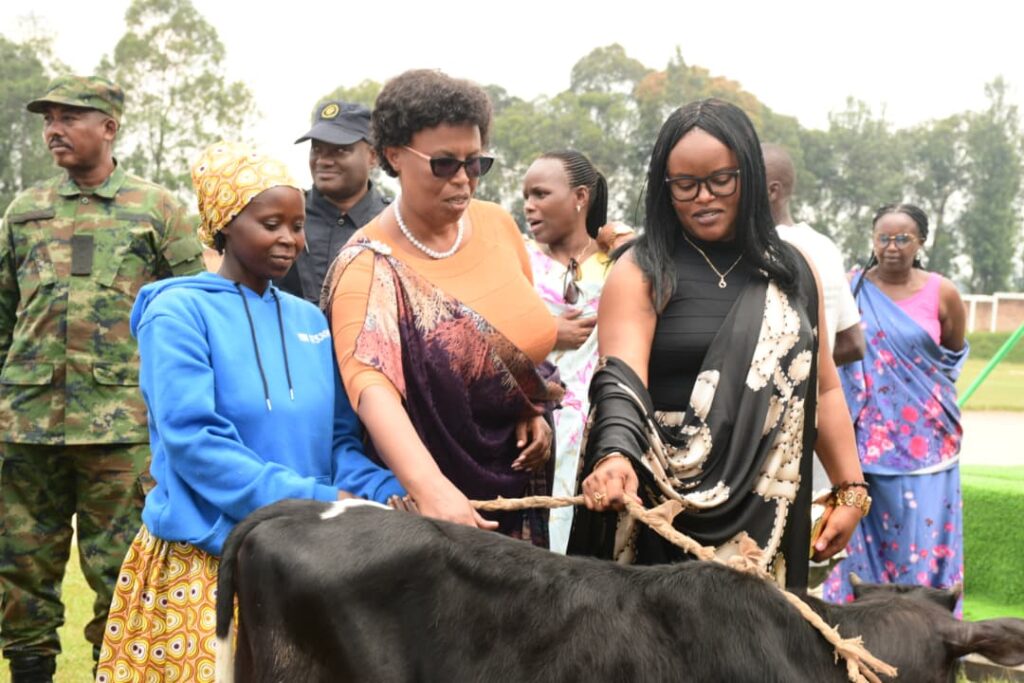
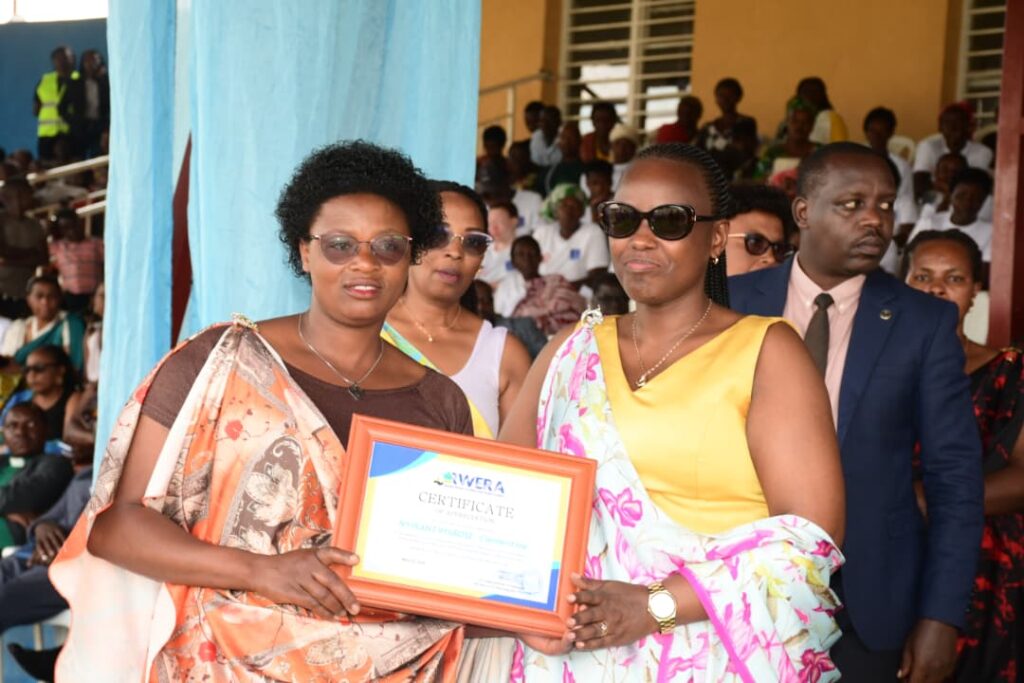
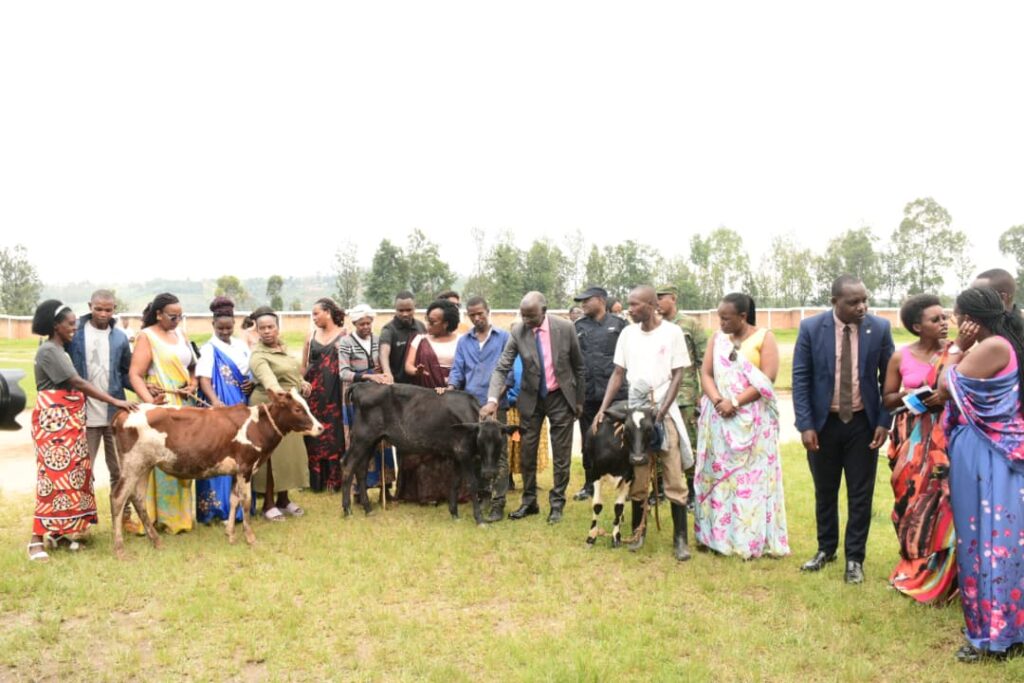
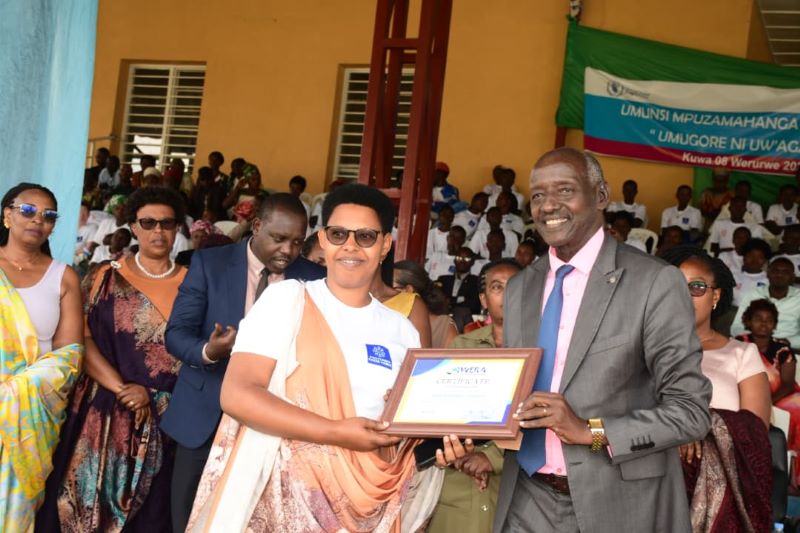
In Nyamagabe District, the celebration of Women’s Day also provided an opportunity to recognize outstanding women for their achievements. Some women received livestock to help improve their livelihoods, while others who had previously benefited from livestock programs passed them on to fellow community members.
In Rwanda, women hold an important and undeniable place in society. They are regarded as the source of life, the heart of the family, and a symbol of strength and wisdom. Women currently make up at least 30% of members in all national decision-making institutions, reflecting the country’s continued commitment to gender equality.