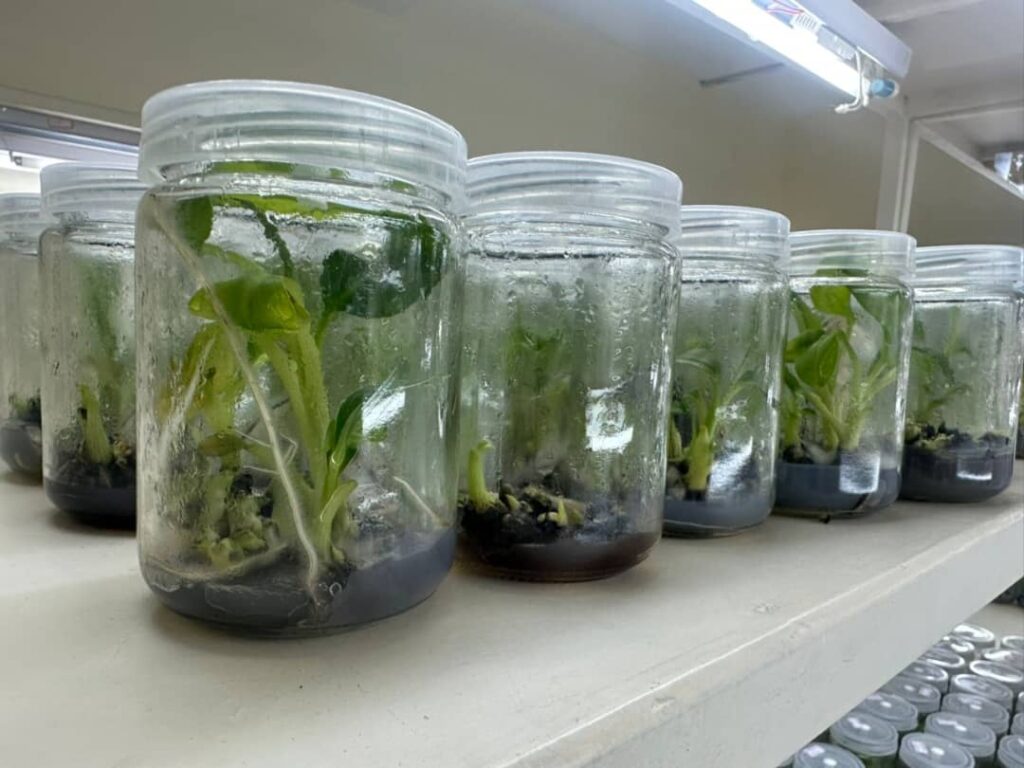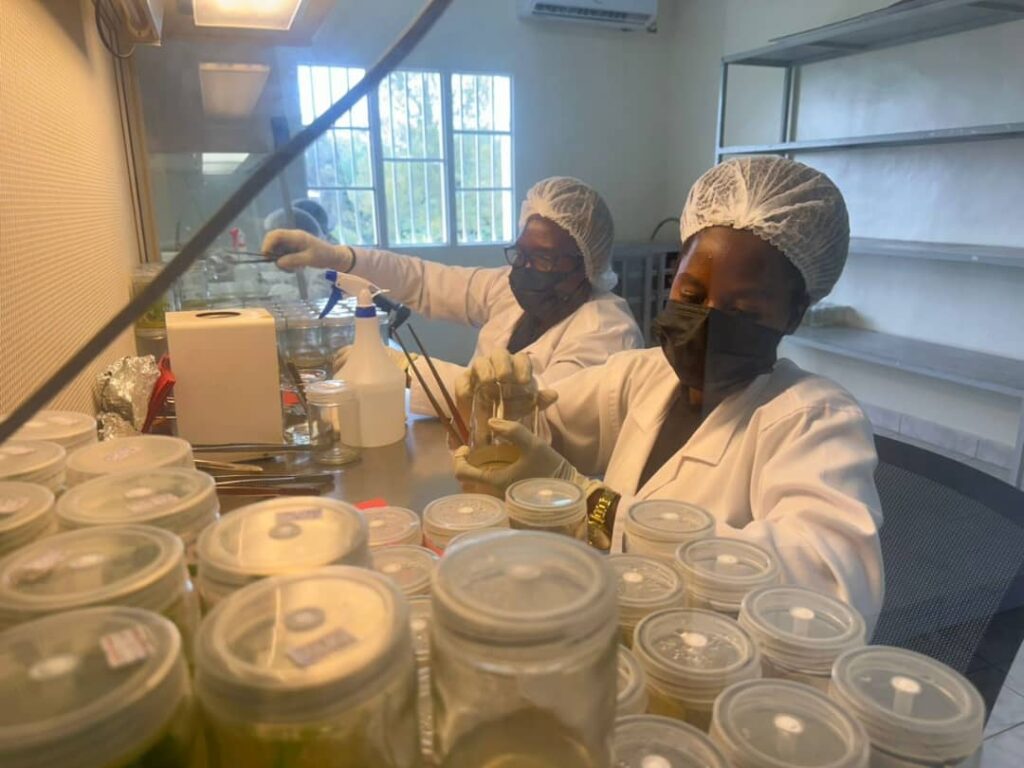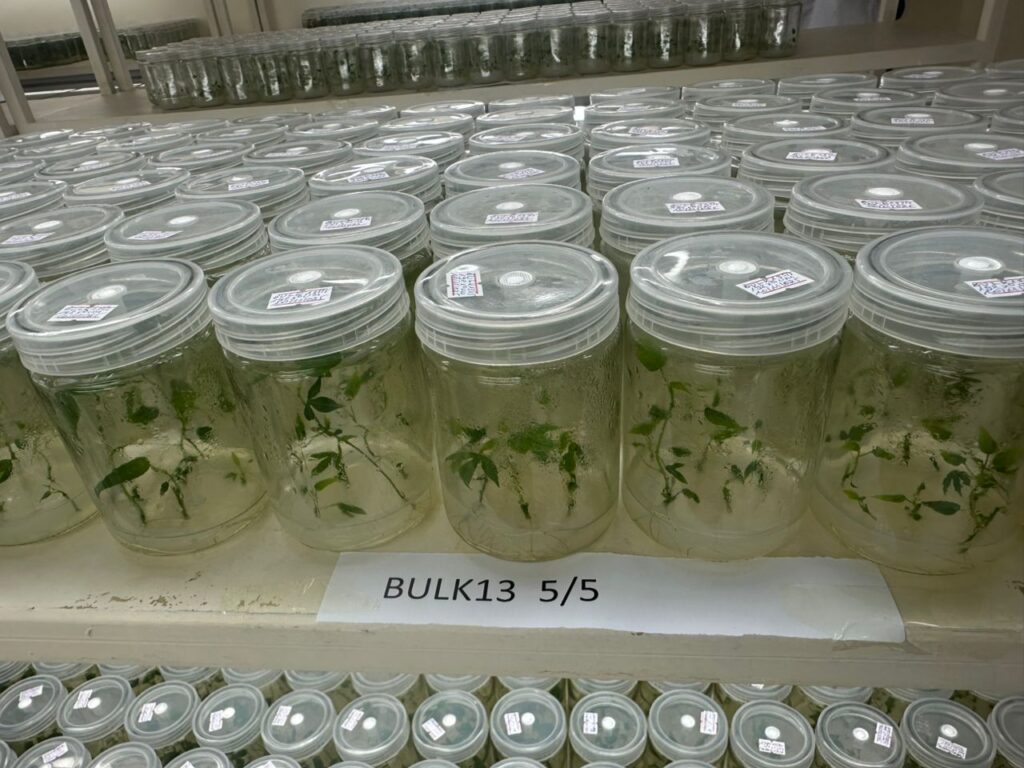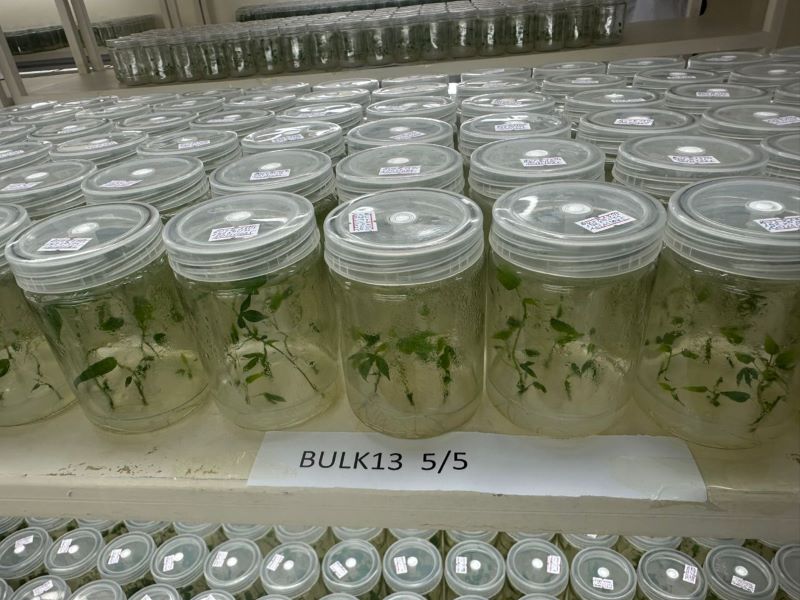
The Rwanda Agriculture and Animal Resources Development Board (RAB) continues to invest in modern seed propagation technologies aimed at increasing agricultural productivity, combating crop diseases, and addressing the effects of climate change.
Gatunzi Felix, a researcher at RAB working in the plant seed biotechnology department, explains that they work with crops sourced directly from farmers’ fields and propagate them in laboratories to produce high-quality seeds that can be preserved and reused after harvest.
He notes that these crops include bananas, cassava, potatoes, and other crops that cannot be easily propagated using conventional methods. There is also hybrid seeds designed in such a way that seeds harvested from them cannot be replanted to produce the same yield.
“We use plant cells and leaves to generate seeds that mature faster and produce higher yields, unlike traditional methods.” He shared.
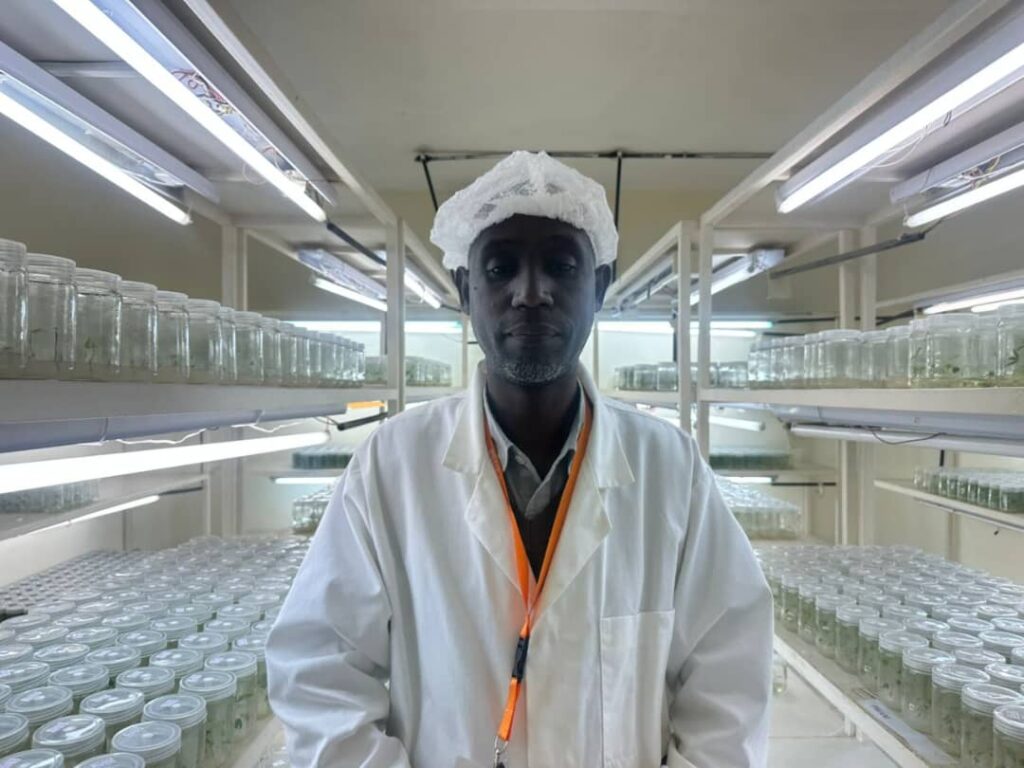
For more than 18 years, RAB has been propagating banana seedlings using laboratory technology. Today, these seedlings have been distributed across the country, including varieties such as Fiya 27, used for dessert bananas, and Fiya 25, used for brewing.
Regarding potatoes, Gatunzi Felix indicates that most of the seeds currently used in Rwanda originate from RAB laboratories. Efforts are underway to develop seeds based on farmers’ existing varieties but enhanced to better withstand diseases and climate change, as many seeds used by farmers have already been affected by diseases.
He emphasizes that laboratory propagation does not alter the genetic identity of crops but instead strengthens them and increases productivity. He encourages farmers to trust laboratory-propagated seeds, as they meet high-quality standards.
Karengera Narcisse, a potato farmer cultivating 101 hectares in Muganza Sector of Nyaruguru District, says that the seeds they frequently use are vulnerable to diseases, forcing them to apply pesticides repeatedly, which is costly and leads to significant losses.
“Potato farming requires constant pesticide application whenever diseases appear, and the chemicals are expensive. If we get seeds that are disease-resistant and require fewer chemicals, it would be a major relief for us as farmers.” He spoke.
He added that seeds resilient to diseases and climate change would present a major opportunity for farmers by reducing losses and increasing profits.
Dr. Olivier Kamana, the Permanent Secretary at the Ministry of Agriculture and Animal Resources, explains that the Biotechnology and Climate-Smart Agriculture Project (BIOCAP) aim to enhance the resilience of crops and seeds to climate change. As climate patterns shift, crop diseases continue to increase, leading to reduced yields.
He announced that a Center of Excellence to be constructed at ISAR Rubona will be a significant solution in agricultural research. It will strengthen the capacity of both Rwandan and international researchers in seed propagation, focusing on improving local farmer varieties to better withstand diseases and climatic challenges.
“This will help us reduce dependence on imported seeds, enabling farmers to access high-quality seeds produced locally in Rwanda.” He said.
He further noted that the popular Kinigi potato variety, which is widely grown in Rwanda but highly susceptible to diseases, will be improved to increase disease resistance, thereby reducing reliance on pesticides.
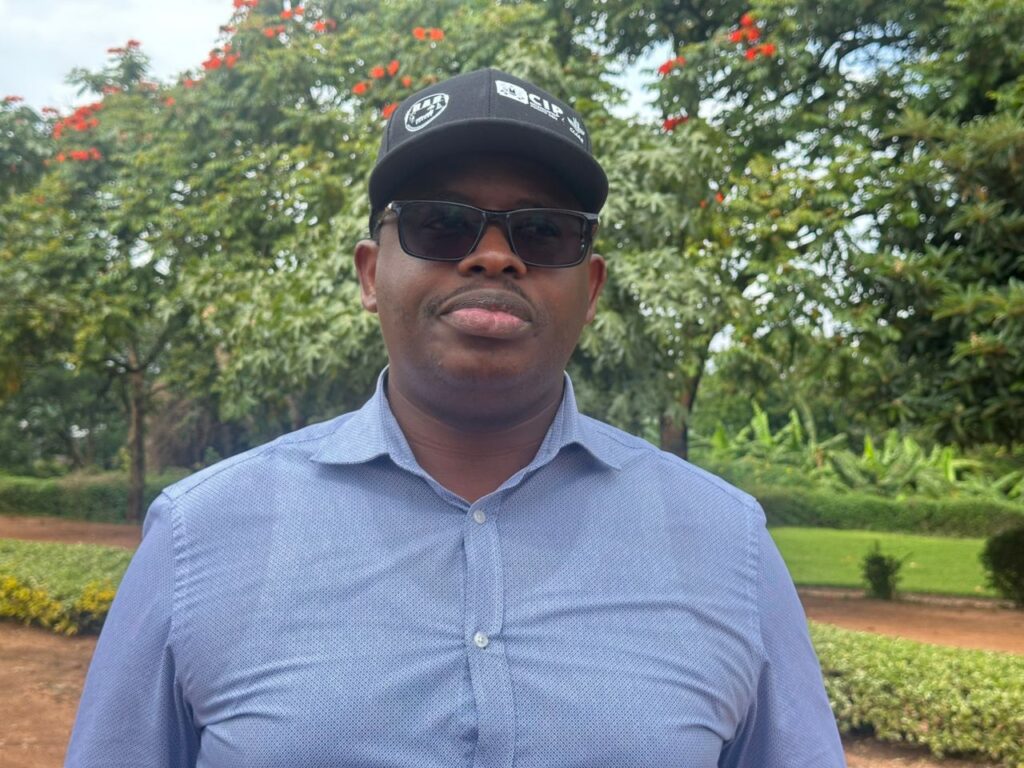
Eric Magembe, a Senior researcher involved in the project, says BIOCAP will increase the propagation of various crops, contributing significantly to food security in Rwanda.
“This center will play a key role in training and building the capacity of Rwandans in research. We plan to train two PhD candidates and six master’s students, while also strengthening the skills of RAB staff working in this laboratory.” He spoke.
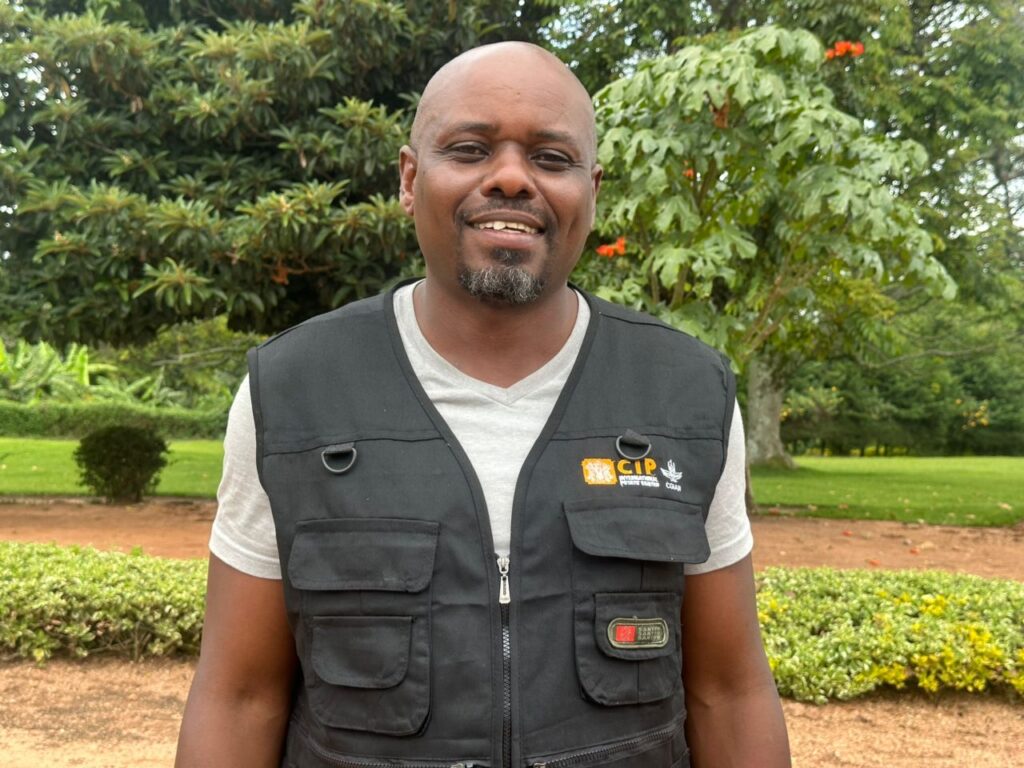
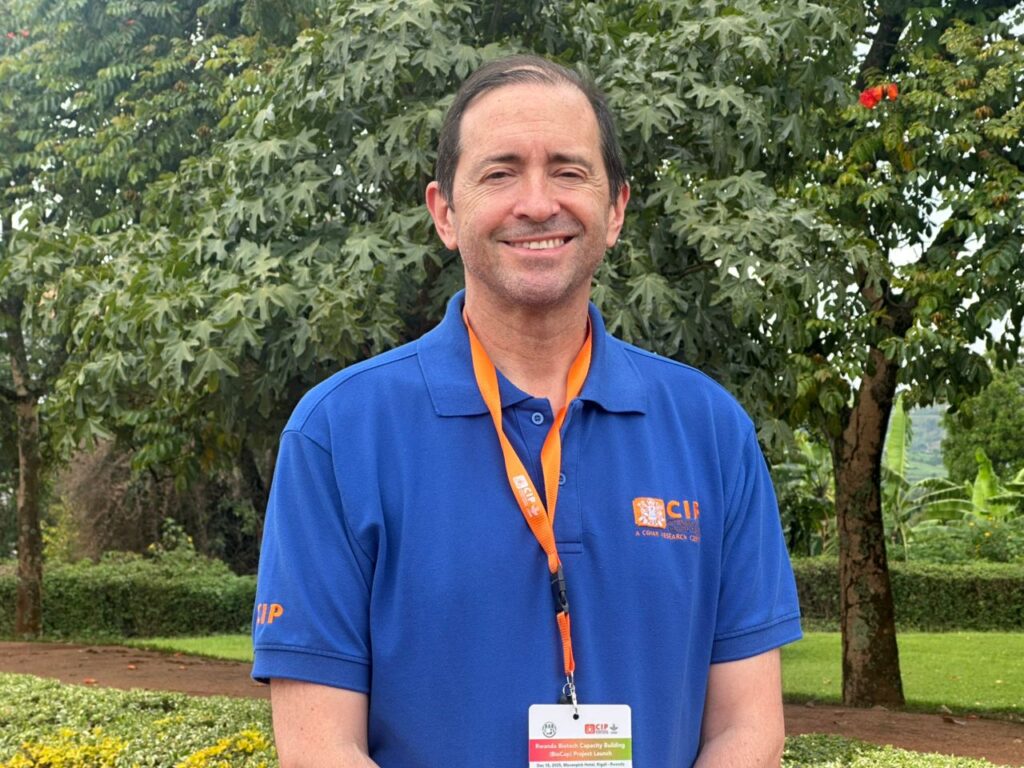
Dr. Hugo Campos, Deputy Director General at the International Potato Center (CIP), explains that they chose to support BIOCAP because Rwanda is among the countries most affected by climate change. He believes that strengthening the skills of Rwandan researchers will help the country achieve food self-sufficiency and access export markets due to increased production.
“At this time, it is evident that Rwanda has the potential to become a food hub for Africa. To achieve this, we must build strong institutions that will help us increase food production in the country. This institution will therefore support us as investors to increase agricultural yields, benefiting Rwandans and Africa as a whole.“He explained.
The seed biotechnology and research center is expected to cost more than 10 billion Rwandan francs. It will be used to propagate various crop seeds enhanced to withstand diseases and climate change.
This marks a significant milestone, demonstrating that the Center of Excellence will be a key pillar in promoting sustainable agriculture, increasing productivity, reducing farmers’ losses, and strengthening food security in Rwanda.