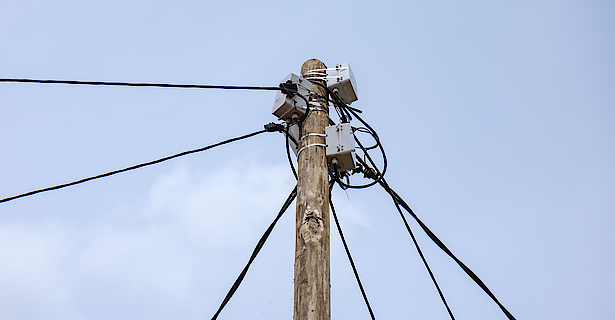
Electricity is one of the key pillars that drives a country’s economic development. In Rwanda, the journey to extend electricity to citizens began with determination after the 1994 Genocide against the Tutsi, with the aim of improving people’s living standards and boosting national productivity.
Between 1994 and 2000, only 6% of Rwandans had access to electricity. Residents recall that during that period, many essential activities were difficult or delayed due to the lack of power.
Uzabakiriho Beda, a resident of Nyamirama village, Nyanzoga cell, Cyanika sector in Nyamagabe District, says that in the past they used lamps, and when they lacked fuel, they remained in darkness. Today, however, they have access to electricity throughout the year.
“I thank the Government of Rwanda for bringing us electricity. Before, when night fell, you could easily bump into a wall because we couldn’t see anything. Now we walk safely at night, and children can revise their lessons without difficulty.” He speaks.
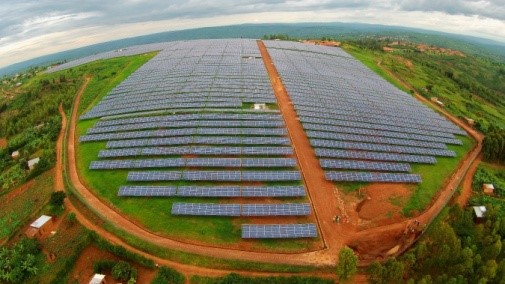
Starting in the year 2000, the Government of Rwanda invested heavily in building electricity infrastructure. From that time up to July 2025, national electricity access increased to 84.6%, through the national grid (on-grid), Solar home systems and Renewable mini-grids.
Citizens say their lives have significantly improved as they can now use electricity in various activities that contribute to development and better living conditions.
Some residents explain that they now have access to maize-milling machines close to their homes, barbershops no longer require long walks to reach, and they can easily charge their phones without traveling long distances.
Government efforts to expand energy access continue to show strong results. Between 2017 and 2024, electricity coverage rose from 34.4% to 72%. This expansion has contributed to the growth of industries, with business operators acknowledging that reliable electricity has supported their productivity.
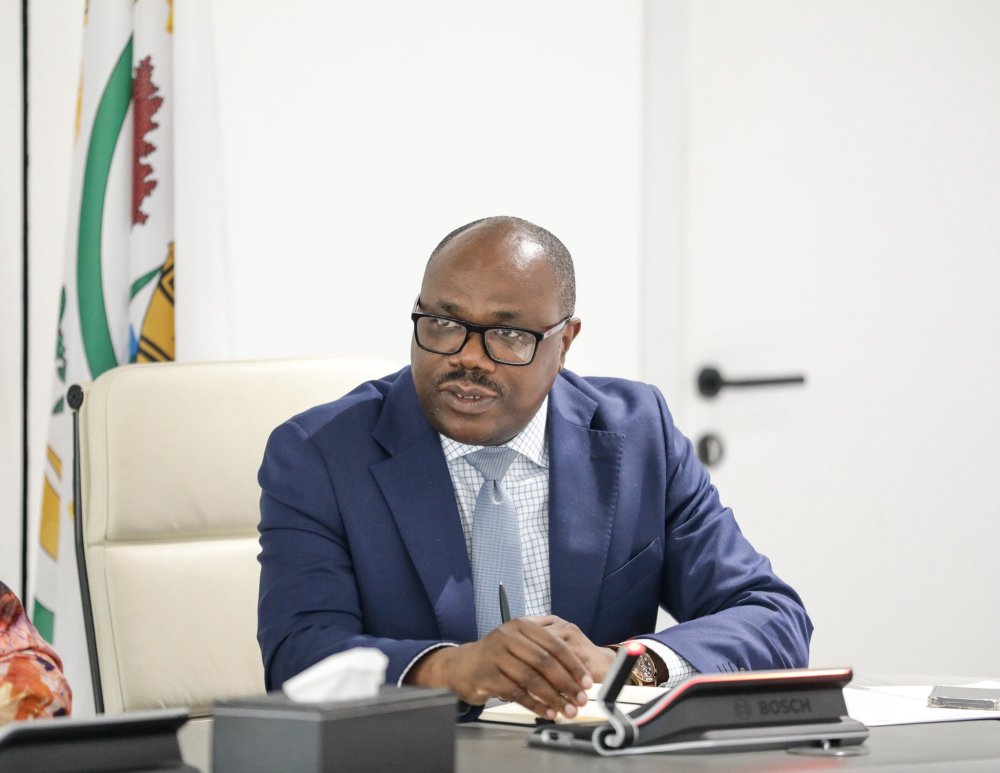
Dr. Nsengiyumva Justin, the Prime Minister states that under Rwanda’s NST2 development program, the government will continue increasing energy capacity by prioritizing Extending electricity to all villages,Investing in renewable energy, initiating research on the development of nuclear energy
“Under the NST2 development program, we will ensure electricity reaches every village. We will increase the use of solar energy, conduct research to advance renewable energy, and explore the potential use of nuclear energy.” He explains.
According to a report by REG, in 2024,88% of urban residents had access to electricity,65% of rural residents were connected. This gap continues to narrow as infrastructure expands across the country.
The Government of Rwanda aims to achieve 100% electricity access by 2029. This milestone is expected to attract more investment, reduce poverty, promote digital transformation, and boost productivity in agriculture and industry.