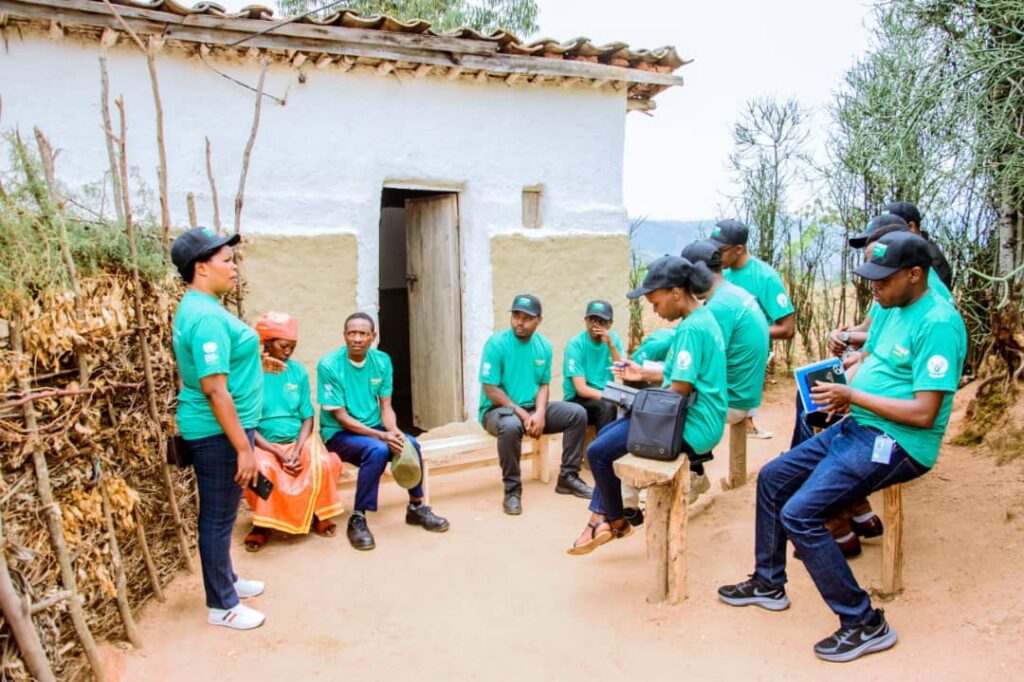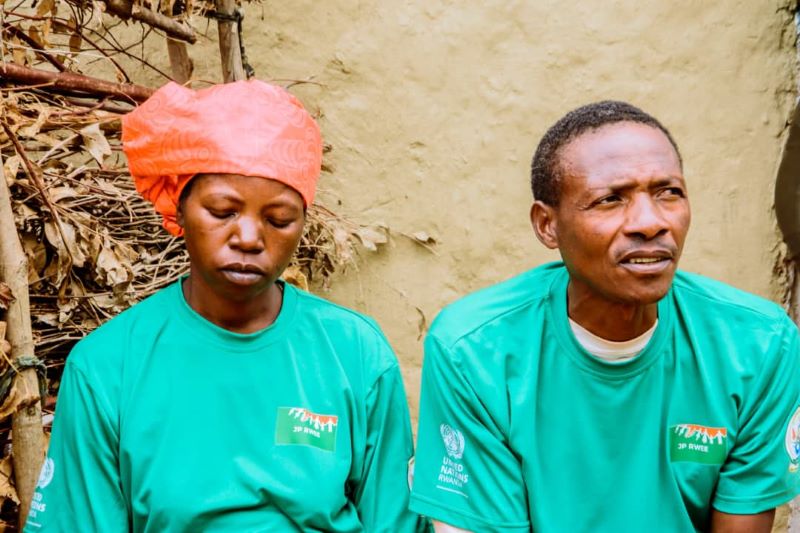
Tuyishimire Valérie, a mother of four from Nyarure Cell, Munini Sector in Nyaruguru District, is among the residents who testify to the profound changes brought about by the JP RWEE project.
Her family once experienced a long period of intense conflict, to the point where their children dropped out of school due to poverty and a toxic relationship between the parents. Valérie recounts that their life had become a constant cycle of arguments and fights.
“We were always fighting, to the extent that our neighbors got used to hearing us yelling all the time. My husband spent all the money on alcohol, the kids dropped out of school, and I didn’t even have a single piece of fabric to wear,” she says, adding that things had deteriorated so badly that each of them would sleep with their own bedsheet in the same bed. Her husband, Bizimana Damascène, also admits that alcoholism and conflict had torn their family apart.
“I used to drink and come home yelling at my wife, and sometimes it even turned violent. But one day, when I went to pray in Kibeho, I heard teachings directed at couples in conflict, and I felt like they were talking about me. That’s when I decided to change,” he said.
After receiving training and counseling from JP RWEE, Valérie and Damascène say their lives have completely transformed. They now live peacefully, their children are back in school, and their eldest has completed secondary school. “We’re now working together towards the same goals. JP RWEE helped us regain trust and rebuild our family,” Valérie says.
Damascène expresses deep regret about the years wasted in conflict, but today he’s become a role model in the community. “Our neighbors now joke, saying, ‘Your wife must have bewitched you,’ because they no longer see me at the bar. We’re even planning to have a church wedding soon.”
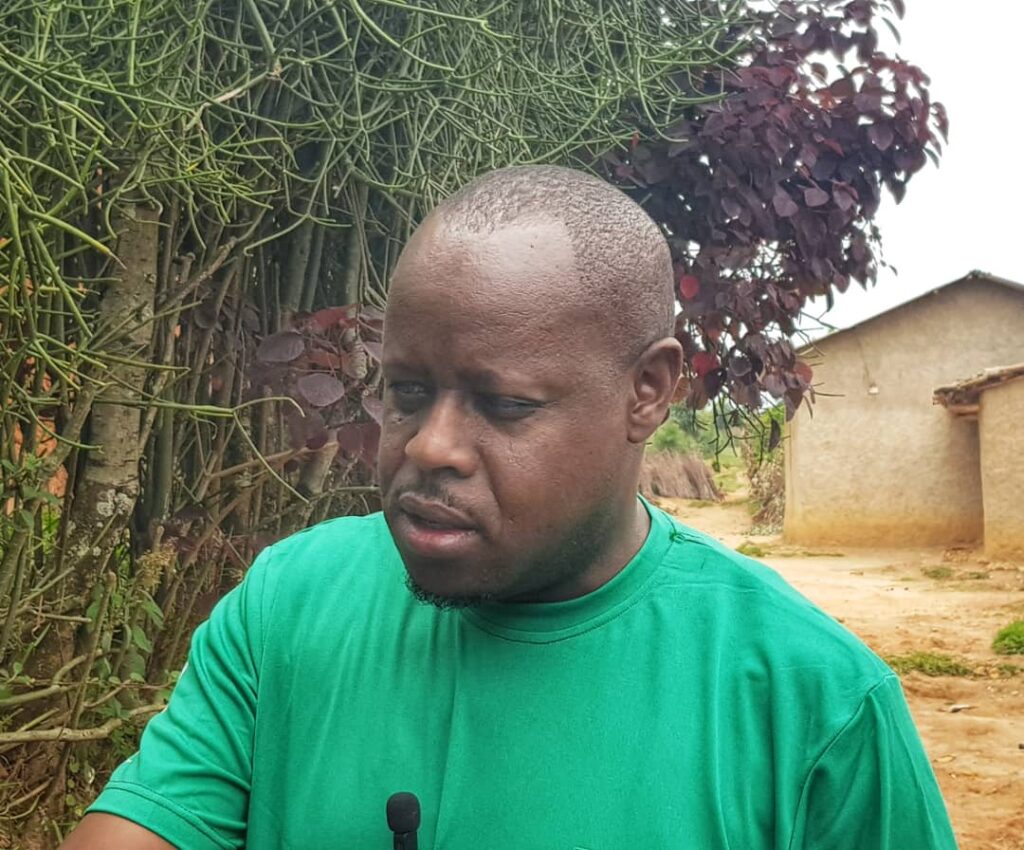
Murangira John Bosco, who coordinates JP RWEE activities, explains that the project aims to empower rural women, especially those living in vulnerable conditions. He says their approach focuses on strengthening women’s economic and social capacity through training on relationships, economic empowerment, and sustainable development.
“When a man supports gender equality, development happens faster. That’s why we place strong emphasis on families and the groups they work in,” he adds.
The project reports significant achievements, including increased agricultural productivity among families, getting children back in school, growing membership in the national savings scheme Ejo Heza, and encouraging citizens to enroll in health insurance (Mutuelle de Santé).
Today, Valérie and Damascène’s family is a shining example of how training in healthy relationships and gender equality can transform lives. Their neighbors say they have seen a big difference compared to how the family used to live.
“When the kids see me having a conversation with their mother, they look so happy. Our home is now peaceful. We’ve managed to buy small livestock like pigs, renovate our house, and we’re planning to buy more land,” Damascène adds.
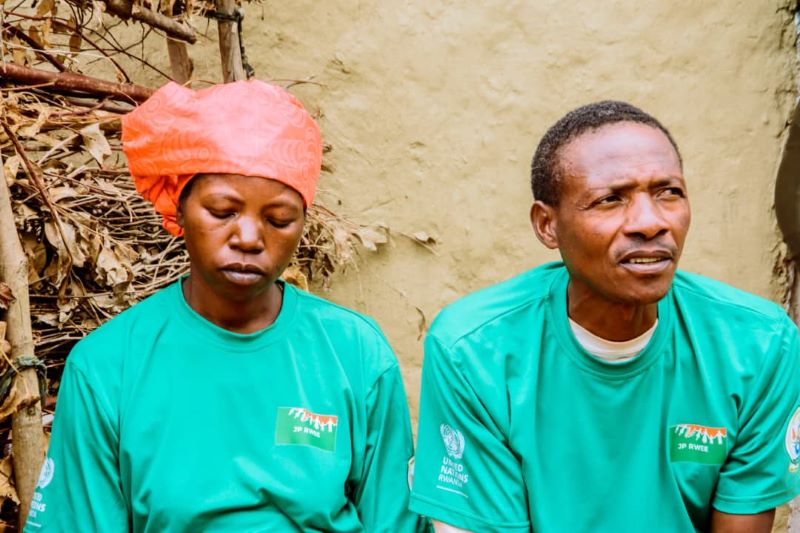
JP RWEE continues its mission to help rural women build confidence, start businesses, and nurture stronger families, as clearly seen in the household of Tuyishimire Valérie and her husband who are now a source of hope and inspiration to their community. JP RWEE operates in 15 districts across Rwanda, working with over 9,000 women, in partnership with UN Women, IFAD, FAO, and the World Food Programme (WFP).