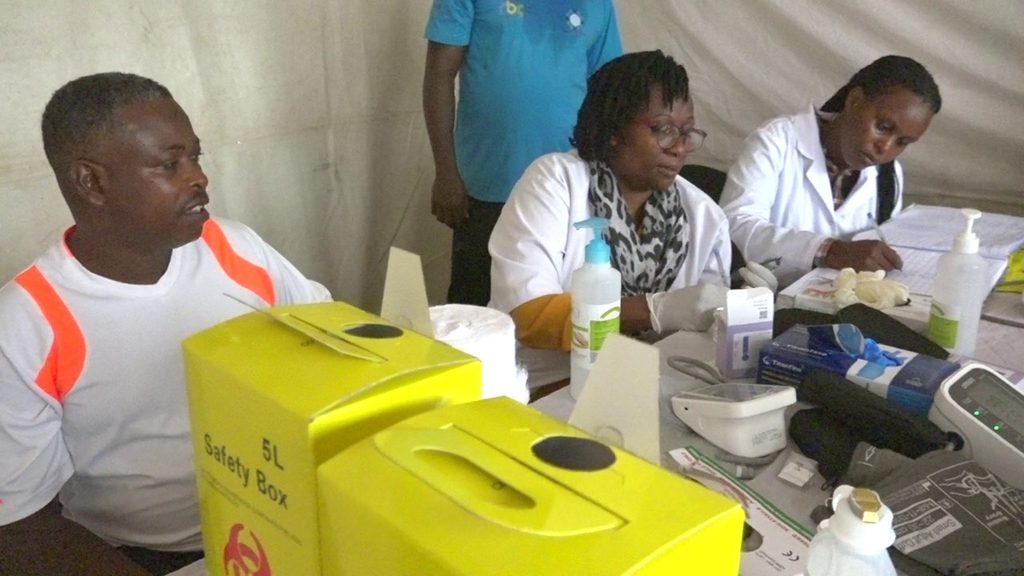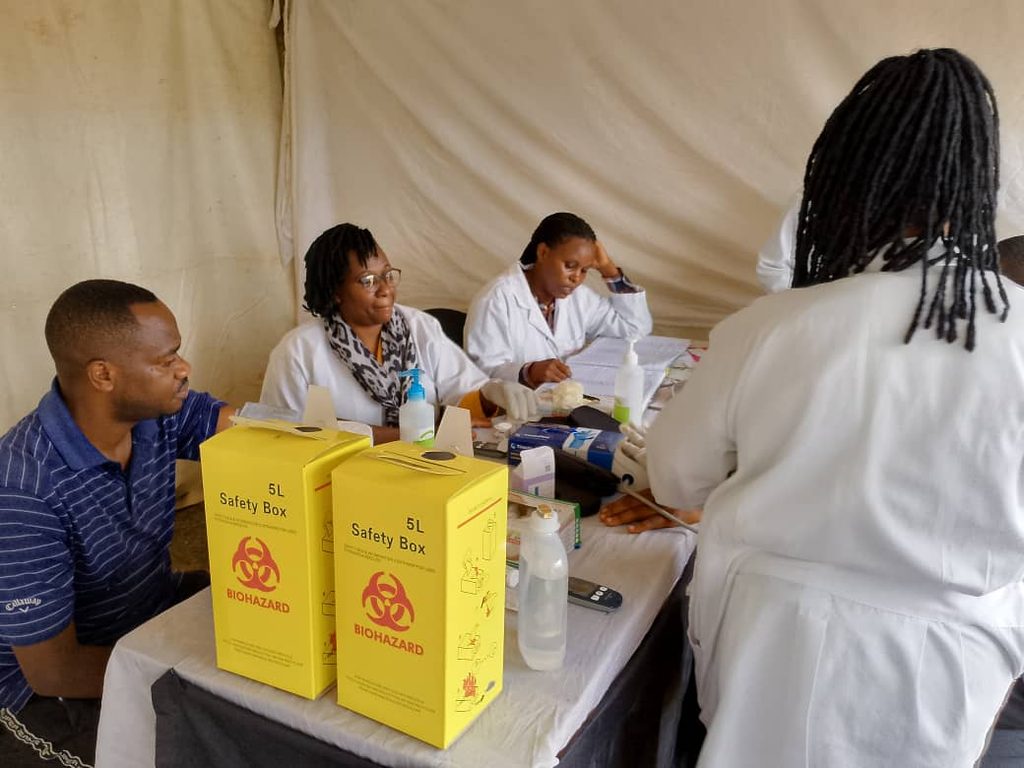
Non-communicable diseases (NCDs), including heart disease, high blood pressure and diabetes, continue to pose a major threat to public health, prompting health authorities to call on residents to strengthen prevention efforts and seek early screening.
The call was made during activities to mark World Heart Day in Nyaruguru District, following a week-long campaign against non-communicable diseases during which residents were screened for various conditions that can affect the heart and other vital organs.
Of the 1,600 people screened, 42% were found to have conditions associated with non-communicable diseases. Among them, 26% were diagnosed with high blood pressure, while 0.1% were found to have diabetes. Another 5% had reached a level indicating an increased risk of developing cardiovascular diseases.
The figures highlight that non-communicable diseases are not a problem affecting only a small section of the population, but are increasingly contributing to poor health among residents.
Data from the National Institute of Statistics of Rwanda (NISR) shows that cardiovascular diseases account for 47% of deaths caused by non-communicable diseases in hospitals and 59% of NCD-related deaths in community.
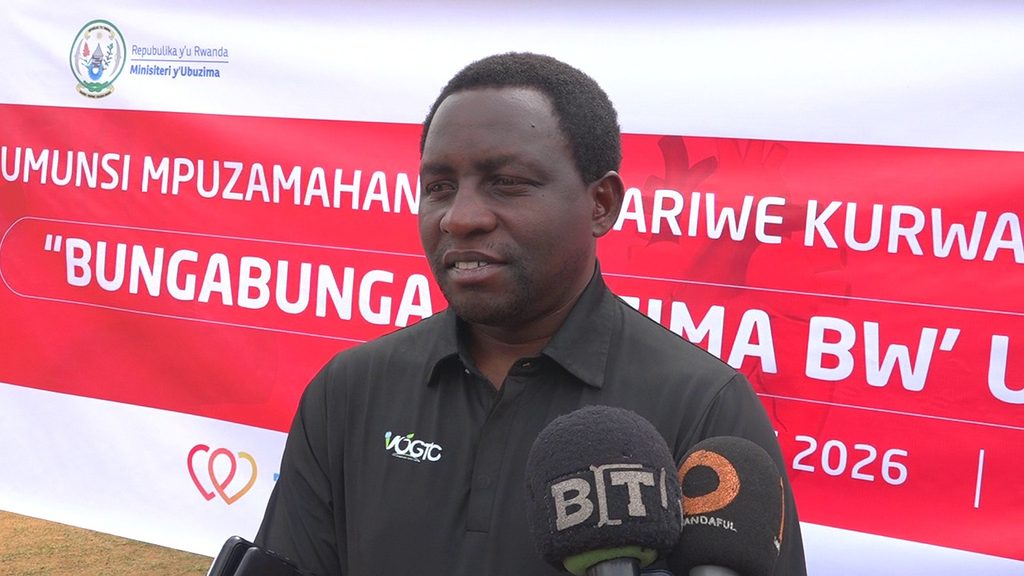
Dr. Emmanuel Murwanashyaka, Nyaruguru District Mayor, said the large number of patients from the district referred to King Faisal Hospital and Rwanda Military Hospital in Kanombe for treatment of heart-related conditions is a clear indication that stronger preventive measures are needed.
“We must focus on what concerns us most, which is our health. We need to avoid behaviors that can harm our health, including excessive alcohol consumption and smoking. We should exercise and avoid things that cause excessive stress in order to protect our hearts. We urge residents to incorporate recreation into their daily activities and to get regular health check-ups so that health problems can be detected early.”
During the campaign, residents were reminded that regular physical exercise, eating a balanced diet, avoiding excessive alcohol consumption and smoking, and maintaining a healthy weight are among the key measures for reducing the risk of heart disease.
Sharif Tonny Andre Nshuti, one of the participants in the campaign, said he learned that physical exercise is one of the simplest ways to prevent non-communicable diseases.
“From now on, we will exercise knowing that it is one of the ways to prevent non-communicable diseases. We learned that exercise is like medicine that a person can use without first going to a health facility. Another thing we learned is that you can have these diseases without knowing it unless you get tested. This gives us the responsibility to go for regular check-ups so that we know the condition of our health.”

Jean Nepomuscene Niyonzima, a resident from Nyaruguru said the campaign helped him understand the importance of regular health screening after learning that a person can have heart disease without being aware of it.
“The heart is the engine of life. Screening for heart diseases is important because it helps every person know the condition of their health. I had never gone for a heart check-up, but now it is something I plan to do so that I can know the condition of my heart. This campaign is very helpful because many people participated to find out whether they have non-communicable diseases. We would encourage such campaigns to continue reaching more people.”

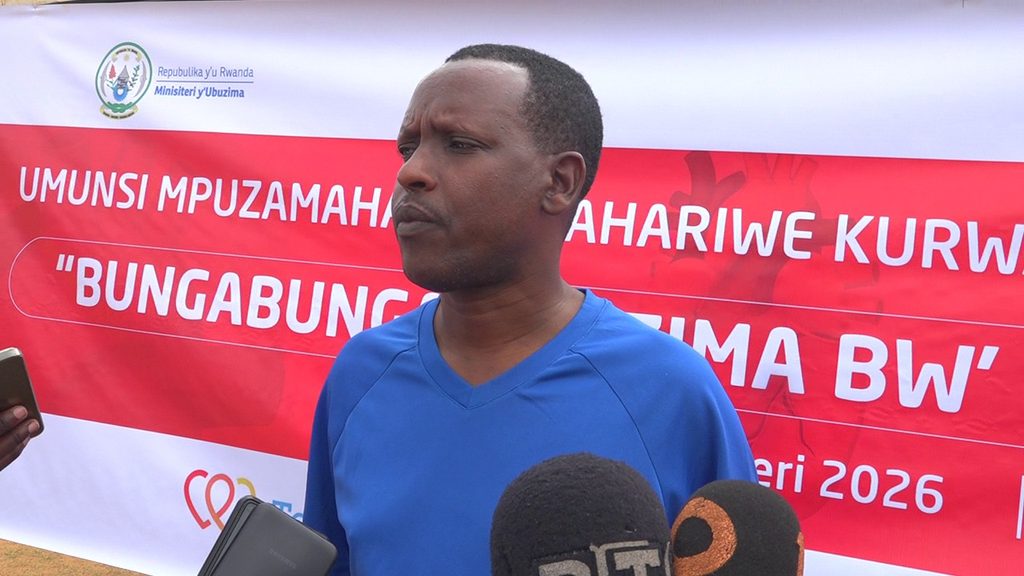
Dr. Evariste Ntaganda, head of Non-Communicable Diseases and Cardiovascular Diseases Department at the Rwanda Biomedical Centre (RBC), said there is a need for continuous awareness campaigns at different levels to help residents better understand how to prevent these diseases.
He said physical inactivity, obesity, excessive alcohol consumption, smoking and unhealthy diets are among the major risk factors for non-communicable diseases, including heart disease.
“When you look at these diseases, they are more common among older people because as a person grows older, the body gradually loses some of its strength. However, what is concerning is that these diseases are increasingly being seen among young people. Therefore, this is no longer a problem affecting only older adults.”
Modern lifestyles, in which some people spend long periods sitting, do little physical exercise, are overweight or consume excessive amounts of alcohol, are contributing to the increasing prevalence of these diseases.
Health experts say one of the major challenges posed by non-communicable diseases is that they can often develop for a long time without producing noticeable symptoms.
By the time symptoms become apparent, the disease may already have progressed or caused serious damage to the heart. Residents are therefore encouraged not to wait until they develop severe symptoms before seeking medical attention, but to undergo regular screening so that diseases can be detected and managed early.
Health authorities emphasize that combating heart disease should not focus solely on treatment. It requires every individual to take responsibility for protecting their own health.
Residents are encouraged to exercise regularly, eat a balanced and varied diet, maintain a healthy weight, reduce or stop alcohol and tobacco use, manage stress and undergo regular screening for non-communicable diseases even when they have no symptoms.
World Heart Day is observed every year on September 29. In 2026, the day was marked under the theme, “Protect Your Heart Health.”
The theme serves as a reminder that protecting the heart is not the responsibility of health professionals alone. It starts with individuals’ daily choices, regular health screening and taking preventive measures before diseases cause serious harm to their health.