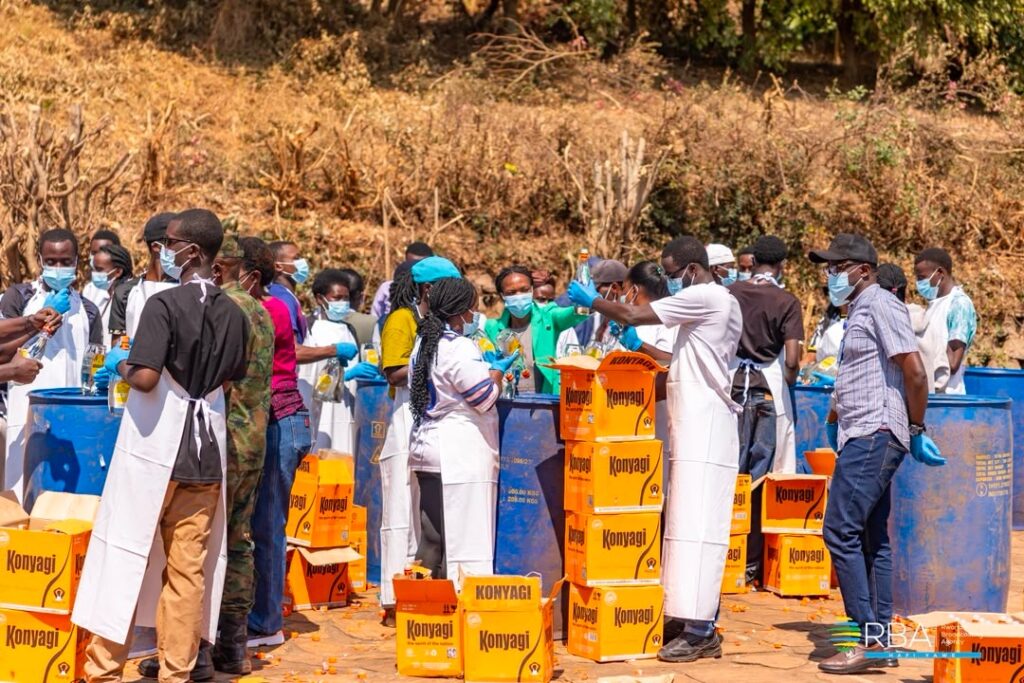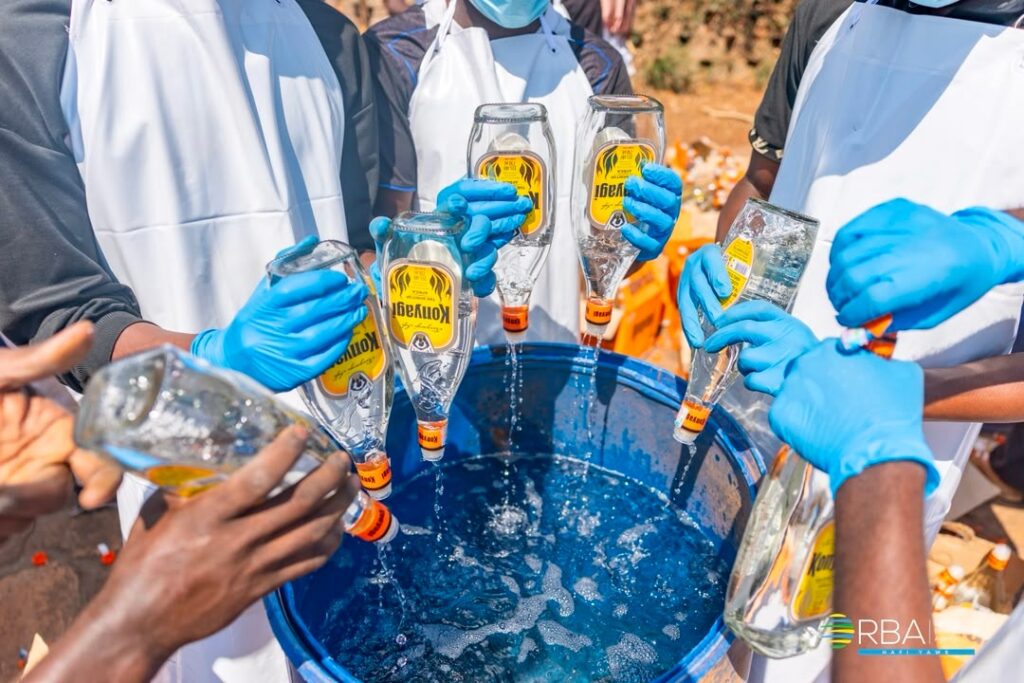
While some people see cheap, unregulated alcohol as an affordable way to have fun, survivors of alcohol poisoning tell a very different story. For some, drinking such products has permanently changed their lives. Some are still undergoing treatment, others live with permanent disabilities, while some families have lost loved ones.
Health professionals warn that even when a person survives poisoning from illicit or improperly produced alcohol, the effects can remain for the rest of their lives.
Jean Claude, not his real name, is among those who say the desire for cheap alcohol almost cost him his life.
He recalls the day he was rushed to hospital after drinking what he described as “inzoga z’ibyuma,” a locally used term for certain cheap, unregulated alcoholic drinks.
“I first developed a severe headache. Then my vision became blurred. Within a few hours, I could barely see. The doctors told me that if I had not been taken to hospital quickly, I could have died. I have completely stopped drinking those products, but my eyesight has never returned to what it was before.”
Another man from Rwanda’s Southern Province, who also requested anonymity, says he stopped drinking illicit alcohol two years ago. However, he continues to receive treatment for liver problems that he associates with his years of drinking.
“At the time, you think you are saving money by buying cheap alcohol. Later, you realise that the real price is your health. The money I once spent on alcohol is now going toward medical treatment.”
Doctors warn that illegally produced or substandard alcoholic drinks may contain methanol and other highly toxic chemicals. Methanol poisoning can cause severe damage to the eyes, brain, liver and kidneys. In serious cases, it can result in permanent disability or death.
Survivors may be left with impaired vision, neurological damage, kidney or liver disease, and lasting psychological distress.
The consequences can also devastate families. Some victims are unable to return to work, while others require expensive and prolonged medical care. Families may lose their main source of income, while those who lose loved ones are left to cope with both emotional and financial hardship.
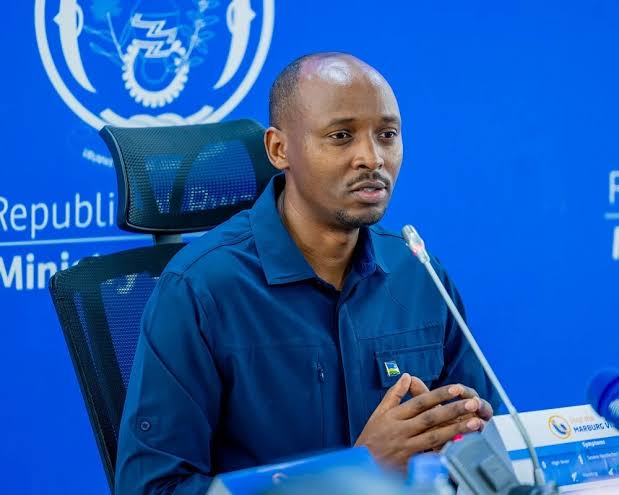
Dr. Sabin Nsanzimana, the minister of Health has described the consumption of substandard alcohol as more than a problem for individual drinkers,it is a serious public health concern.
Speaking to Rwanda Broadcasting Agency (RBA), he said many people have died after consuming such alcohol, while others have survived with permanent disabilities.
“Many of those who died were healthy before consuming these drinks. Some arrived at hospital unable to see, while others had suffered brain damage and continued to live with serious complications.”
The minister warned that some producers add methanol and other toxic substances to alcoholic products, creating a potentially deadly mixture.
“These are poisons. They can damage the eyes, the brain and other organs. Nothing is more valuable than human life. We urge people to avoid alcohol whose source and contents they cannot verify and to report those involved in producing or selling it.”
Figures released by the Ministry of Health indicate that, during the first half of 2026, at least 50 people died after consuming substandard alcohol, while more than 500 others were taken to health facilities for treatment.
Many more survivors reportedly continue to live with complications, including visual impairment and diseases affecting the liver, kidneys and brain.
Health experts warn that methanol poisoning can initially be difficult to detect because symptoms may not appear immediately. After several hours or even a day, however, an affected person may develop severe headache, vomiting, blurred or impaired vision, breathing difficulties and loss of consciousness.
Without urgent medical intervention, poisoning can lead to death or permanent disability.
For survivors, the message is simple: the apparent affordability of illicit alcohol can hide an enormous cost.
“When you hear about it happening to someone else, you think it is just a story. When it happens to you, you understand that substandard alcohol does not simply make people drunk—it can destroy their health and their future. I urge young people never to experiment with it.”
As health, security and regulatory authorities continue efforts to identify and stop those involved in producing and selling substandard alcohol, health experts say the fight will not be won through enforcement alone.
The public must also understand that a cheap drink can come with a devastating price.
For survivors, the scars are not always visible. Some are carried in damaged eyesight, failing organs, lost livelihoods and memories of lives that can never return to what they were.