


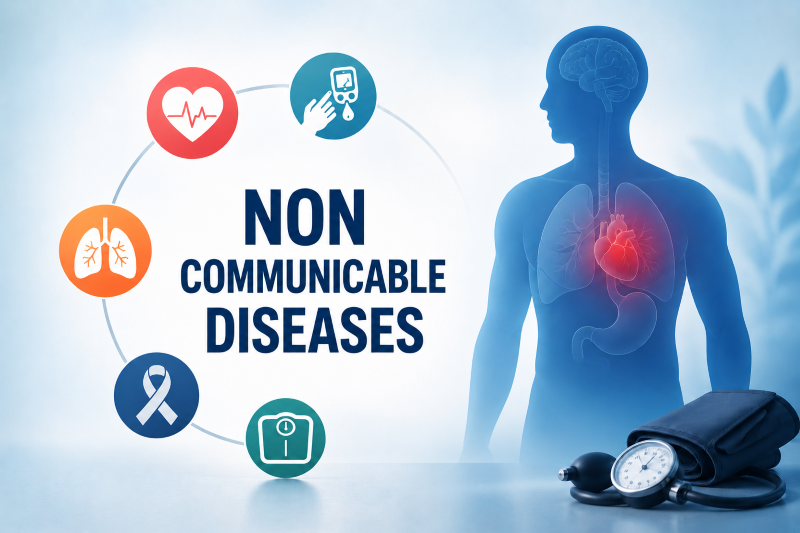
Rwanda is facing a major shift in its public health landscape as non-communicable diseases (NCDs) such as heart disease, diabetes, cancer and chronic respiratory illnesses have emerged as the country’s leading causes of death, according to the Rwanda Vital Statistics Report 2025.
The report, released by the National Institute of Statistics of Rwanda (NISR), shows that NCDs accounted for 49.5% of deaths recorded in health facilities and 58.8% of deaths occurring in communities, making them the largest category of deaths nationwide. At the same time, communicable diseases continue to claim many lives, highlighting a dual burden for Rwanda’s health system.
The findings reflect Rwanda’s changing disease profile as the country continues to improve life expectancy and strengthen healthcare services.
“The results also show that in both health facilities and in community, non-communicable diseases group is the most represented category,” the Rwanda Vital Statistics Report 2025 states.
Health experts say the rise in chronic illnesses is linked to changing lifestyles, population ageing, urbanization and better diagnosis of diseases.
The report also indicates that the quality of medical certification of causes of death has improved significantly. The proportion of correctly certified causes of death in health facilities increased from 64.7% in 2024 to 82.3% in 2025, allowing health authorities to better understand why people are dying and where resources should be directed.
While NCDs dominate overall mortality, the report notes that conditions originating in the perinatal period remain the leading specific cause of death recorded in health facilities, followed by lower respiratory infections and cerebrovascular diseases. In communities, cardiac diseases account for many deaths, underscoring the growing burden of cardiovascular conditions.
The Ministry of Health says Rwanda has expanded screening and treatment services for chronic illnesses over the past year. In the foreword to the Rwanda Biomedical Centre’s Non-Communicable Diseases Annual Report 2024–2025, Director General Prof. Claude Muvunyi said the country had made remarkable strides in strengthening the national response to NCDs through evidence-based interventions, community engagement, and multi-sectoral collaboration.
According to the report, achievements include expanding cervical and breast cancer screening, improving access to diabetes and hypertension treatment, strengthening community-based screening and integrating additional NCD services into the national health insurance package.
Despite this progress, the growing burden of chronic diseases presents new challenges. Patients with NCDs often require lifelong medication, regular medical follow-up and specialized care, increasing pressure on health facilities and healthcare financing.
The 2025 Vital Statistics Report also reveals that Rwanda registered 39,355 deaths during the year, with 55.9% occurring outside health facilities. Death registration completeness improved to 50.5%, an increase from 46.1% in 2024, suggesting continued progress in the country’s Civil Registration and Vital Statistics system.
Public health specialists argue that prevention remains the most effective response. Encouraging healthy diets, increasing physical activity, reducing tobacco and harmful alcohol use, and expanding routine screening for hypertension, diabetes and cancer could significantly reduce premature deaths.
Rwanda’s latest findings mirror a broader trend across Africa. Speaking at the Global NCD Alliance Forum held in Kigali, Dr. Githinji Gitahi, Group CEO of Amref Health Africa, warned that chronic diseases are placing unprecedented pressure on African health systems, noting that 50% of all admissions in a typical African hospital are NCDs.
As Rwanda continues to strengthen its healthcare system, the 2025 Vital Statistics Report provides an important reminder that success against infectious diseases must now be matched by stronger efforts to prevent and manage chronic illnesses. The data suggest that the country’s next public health challenge will not only be extending life but ensuring that people live longer, healthier lives.