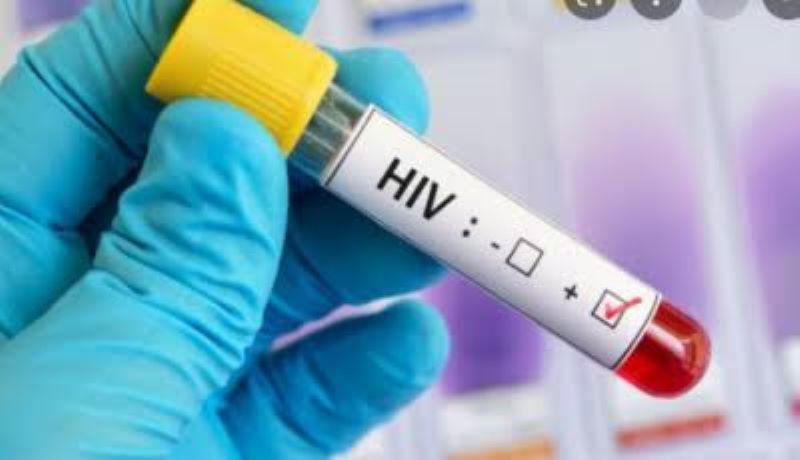
As Rwanda continues to make remarkable progress in the fight against HIV/AIDS, recent data show that young people remain disproportionately affected by new infections, prompting health authorities to intensify calls for regular testing and preventive measures.
Over the past decade, Rwanda has achieved significant milestones in HIV prevention and treatment. The country has surpassed the global UNAIDS 95-95-95 targets, reaching 96-98-98. This means that the vast majority of people living with HIV knows their status, is receiving antiretroviral treatment, and has achieved viral suppression, significantly reducing the risk of transmission.
However, despite these achievements, young people continue to account for a substantial share of new HIV infections, a trend that health experts say requires stronger awareness campaigns and greater involvement from families, schools, and young people themselves.
Data shows young people need continued attention
Statistics from the National Institute of Statistics of Rwanda (NISR) and health sector reports indicate that young people aged between 15 and 24 remain among the groups most affected by new HIV infections.
In 2023, a total of 1,111,600 people voluntarily underwent HIV testing in Rwanda, with 9,270 testing positive for the virus. Among those tested, 37,158 were under the age of 15, with 225 found to be HIV-positive, 80,371 were between the ages of 15 and 24, with 1,602 testing positive.
Additional data reveal that between 2019 and 2024, a total of 11,234 young people aged 15 to 24 were diagnosed with HIV, underscoring the continued vulnerability of this age group to new infections.
In 2024, 1,026,851 people were tested for HIV nationwide, and 9,019 were diagnosed with the virus. Of those newly identified cases, 3,503 were men and 5,516 were women, indicating that women continue to bear a higher burden of infection than men.
Young people urged to change perceptions about HIV testing
Some young people say barriers still prevent many of their peers from accessing HIV testing services regularly. These include fear of receiving positive results, stigma, and lingering misconceptions within communities.
Jean Claude Ndayisaba, a young resident of Huye District, believes HIV testing should be viewed as a responsible act that protects both individuals and society.
“Many young people still see HIV testing as something frightening or something that could lead to discrimination. But I believe it is an important step toward knowing your health status and protecting both yourself and those around you. Testing empowers people to make informed decisions instead of living with uncertainty.”
Brigitte Uwimana from Nyamagabe District also emphasizes the role of youth in preventing new infections.
“As young people, we have a responsibility to protect our health. Regular HIV testing and the use of preventive measures are among the most effective ways to reduce new infections. We should not be afraid of knowing our status because awareness is the first step toward prevention and care.”
RBC calls on youth to remain vigilant
Health officials say that while Rwanda has made tremendous progress, HIV remains a public health concern, with new infections continuing to occur every year.
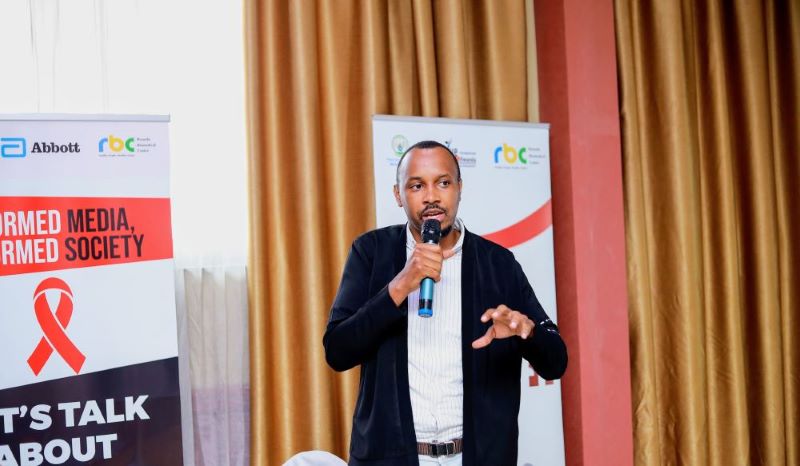
Dr. Basile Ikuzo, Head of the HIV Program at the Rwanda Biomedical Centre (RBC), stressed the importance of regular testing and prevention among young people.
“We encourage young people to undergo HIV testing regularly and to make use of all available prevention methods. For those who are living with HIV, it is essential to start and continue antiretroviral treatment in order to maintain good health and prevent transmission to others.”
Rwanda continues to make significant progress
By the end of 2025, Rwanda was home to an estimated 234,000 people living with HIV. Although the number remains significant, health authorities say prevention programs, expanded testing services, and widespread access to treatment continue to yield positive results.
Globally, UNAIDS reported that approximately 39.9 million people were living with HIV at the end of 2023. Meanwhile, the World Health Organization (WHO) estimates that more than 40.4 million people have died from AIDS-related illnesses since the epidemic was first identified in 1981.
Health experts maintain that sustained progress in reducing new HIV infections will require active participation from young people through safer behaviors, regular testing, and adherence to public health guidance.
As Rwanda moves closer to eliminating HIV as a public health threat, young people are increasingly seen as a crucial force in achieving that goal through informed decisions that protect both their own health and that of their communities.