Over the past three years, the FXB Village project, funded by The Light Foundation (TLF), has delivered development initiatives worth more than Rwf 1 billion to residents of Ngoma and Ngera sectors in Nyaruguru District, helping 800 families move out of poverty and achieve improved living standards and sustainable development.
These achievements were highlighted during the project’s closing ceremony. The initiative, which began in October 2022 and will conclude in September 2026, has played a significant role in improving livelihoods through interventions in economic empowerment, nutrition, education, health, and water, sanitation and hygiene (WASH).
The project supported 400 households classified under Beneficiary Category 1 (BD1) and another 400 under Category 2 (BD2). Beneficiaries received various trainings, income-generating project support, and were linked to savings and loan groups.
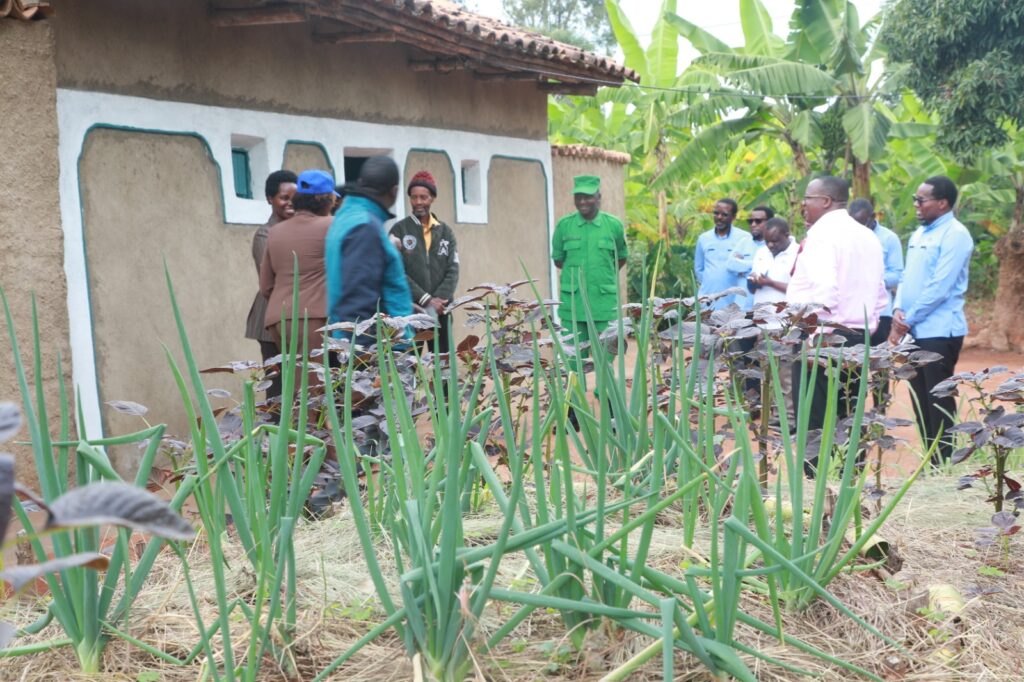
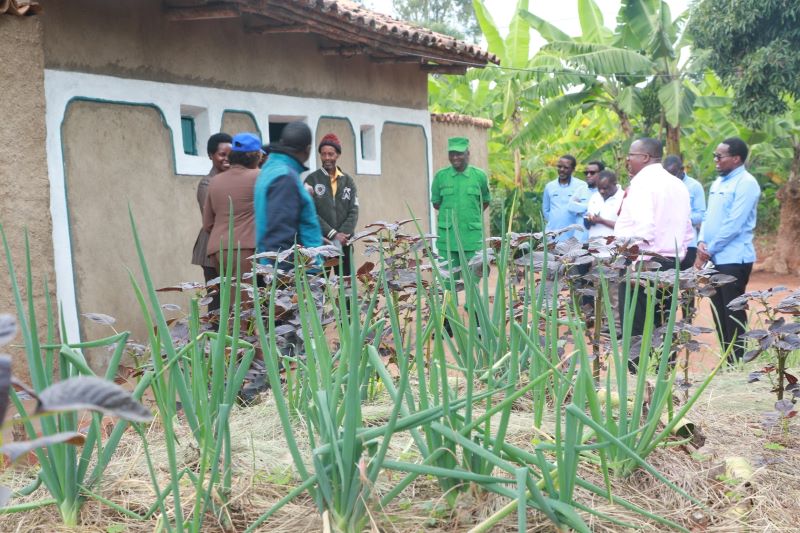
Brandine Mukabupfura from Kiyonza Cell in Ngoma Sector said that before joining the program, she lived in extreme poverty, struggled to provide food for her family, and some of her children were unable to attend school. After receiving support from FXB, she benefited from agricultural training and various forms of assistance that helped increase her productivity and improve her family’s wellbeing.
“Today, I have kitchen gardens, vegetables are always available on our table, and my children are attending school regularly,” she said.
Laurentine Mukashema from Mbuye Cell also shared her experience, explaining that life became extremely difficult after being abandoned by her husband. She said FXB’s support restored her hope and gave her the means to engage in income-generating activities that have improved her living conditions.
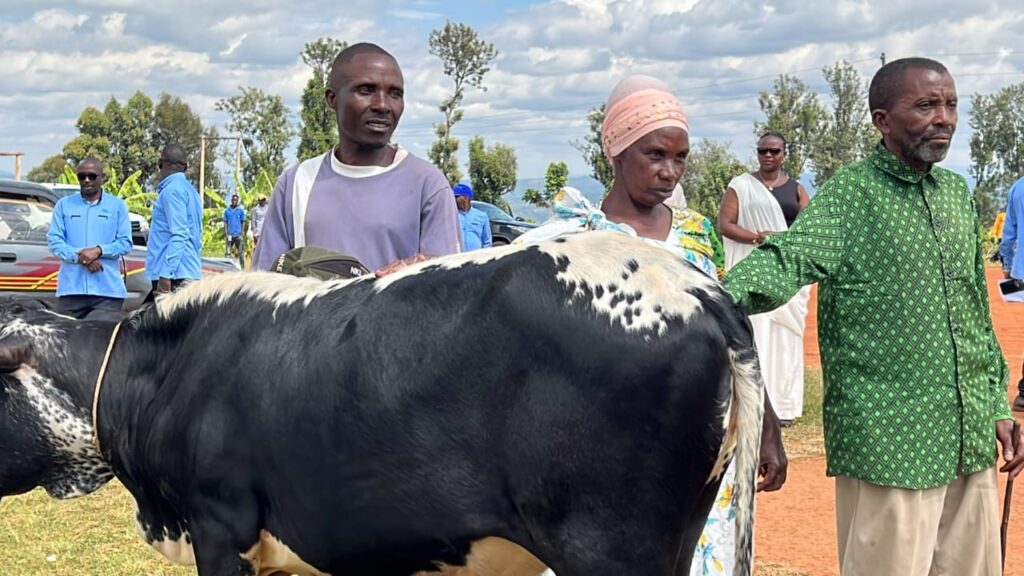
To strengthen household economies, FXB trained all 800 beneficiaries in developing small income-generating businesses and supported 400 households with individual projects in agriculture, livestock farming, and small-scale trade, worth more than Rwf 106 million.
In addition, Rwf 48,096,000 was provided to community groups to implement collective projects, including livestock farming and agricultural trade.
All beneficiaries were also organized into 36 savings and loan groups, through which they collectively saved more than Rwf 114 million over the three-year period. In the education sector, 966 primary and secondary school students received school materials, uniforms, school fees, and meal support each year, representing an investment of more than Rwf 198 million.
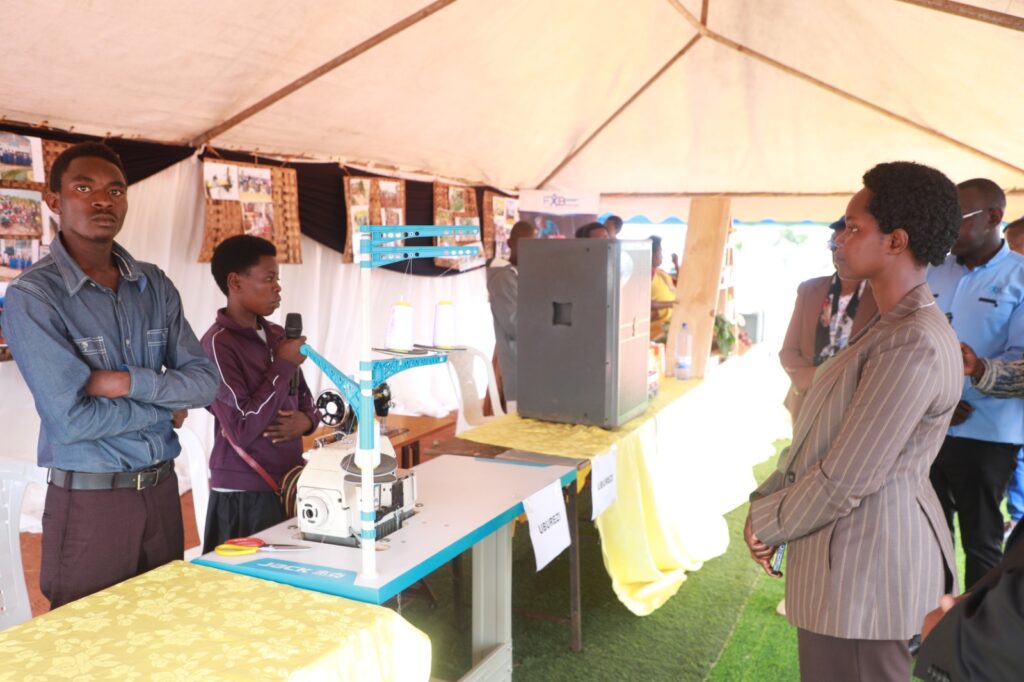
The project also provided vocational skills training to 77 young people and equipped them with starter kits to launch income-generating activities, at a total cost of Rwf 61.6 million.
FXB distributed hygiene kits to 400 households in Category 1 at a cost of Rwf 32.3 million. It also provided roofing sheets and cement for the construction of latrines, kitchens, and handwashing facilities valued at Rwf 51.3 million.
In the health sector, community members were trained on disease prevention, received HIV testing services, and benefited from health insurance support. These interventions cost nearly Rwf 27 million. To improve nutrition, residents were trained on preparing balanced diets and cultivating a variety of nutritious crops to combat malnutrition. These activities required more than Rwf 86 million, including support provided before the project’s implementation.
Assumpta Byukusenge, the Vice Mayor of Nyaruguru District in charge of Social Affairs, praised FXB’s contribution to poverty reduction and encouraged beneficiaries to make good use of the opportunities they have received.
She said:“The financial support and assistance provided to beneficiaries are opportunities for long-term development. We must continue ensuring that citizens move from one level of development to another and do not fall back into poverty.”
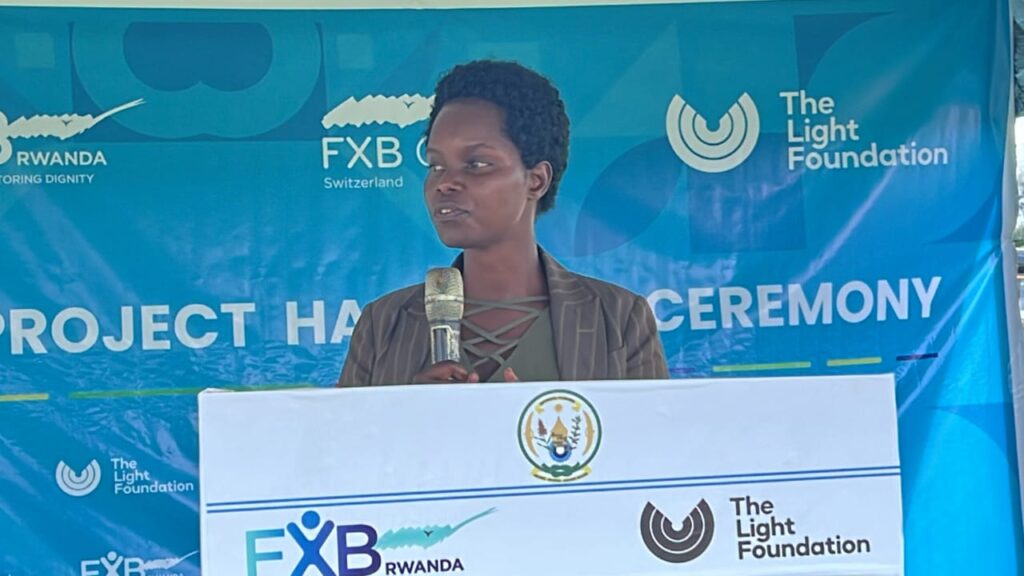
On behalf of FXB Rwanda, management noted that the project’s primary objective was to help families become self-reliant and achieve sustainable livelihoods through close collaboration with local authorities.
Emmanuel Kayitana, Director of FXB Rwanda, explained: “We work closely with communities through organized groups and dedicated field staff who provide daily support, ensuring that the assistance we provide becomes a foundation for sustainable development rather than temporary relief. Our goal is not simply to provide aid, but to help families become self-reliant and continue progressing even after the project ends.”
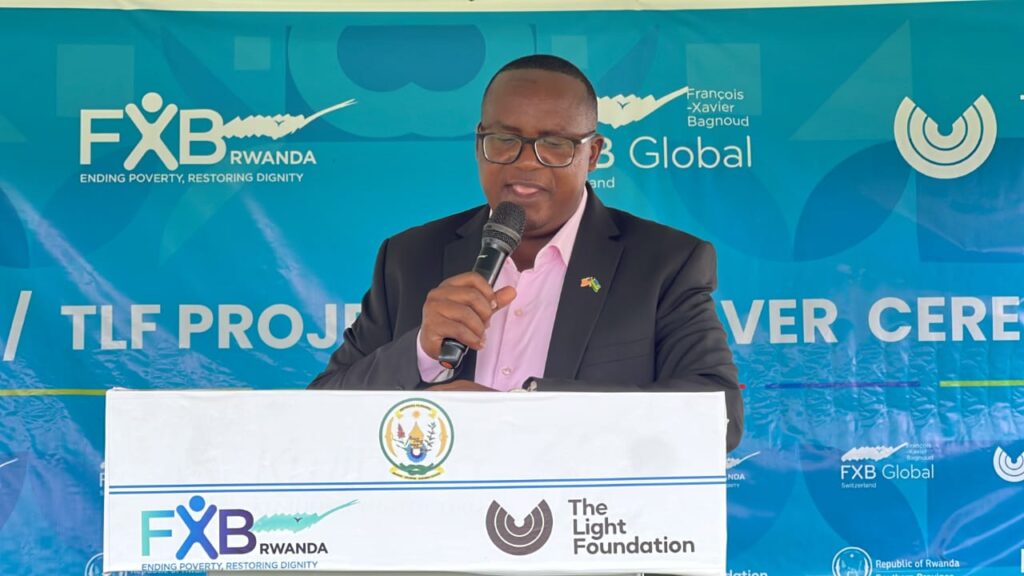
After three years of implementation in Nyaruguru District, project data show that all 800 beneficiary households have reached a significantly improved level of socio-economic development. FXB Rwanda considers this a major milestone in the fight against extreme poverty and in building sustainable livelihoods for vulnerable communities.
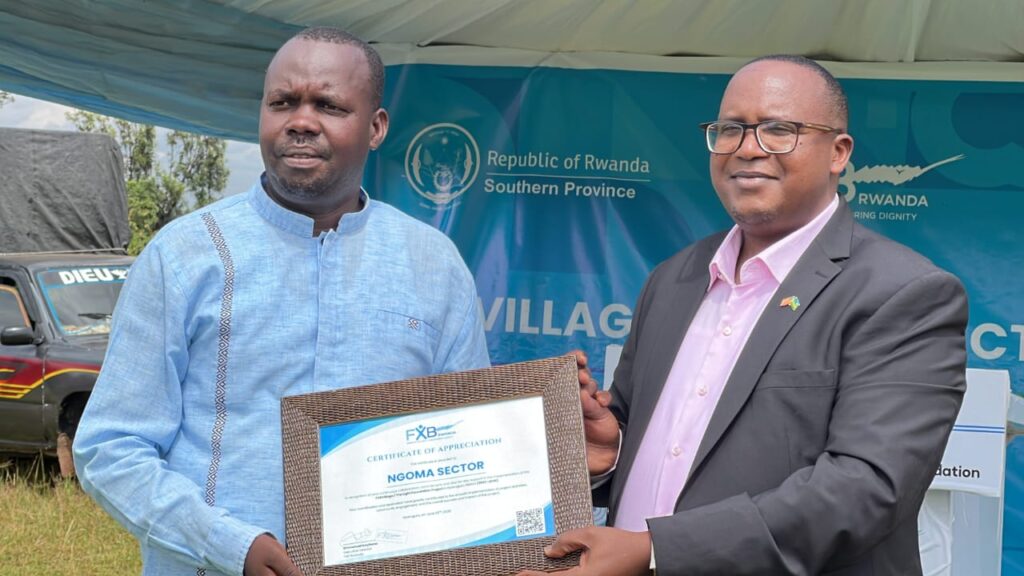
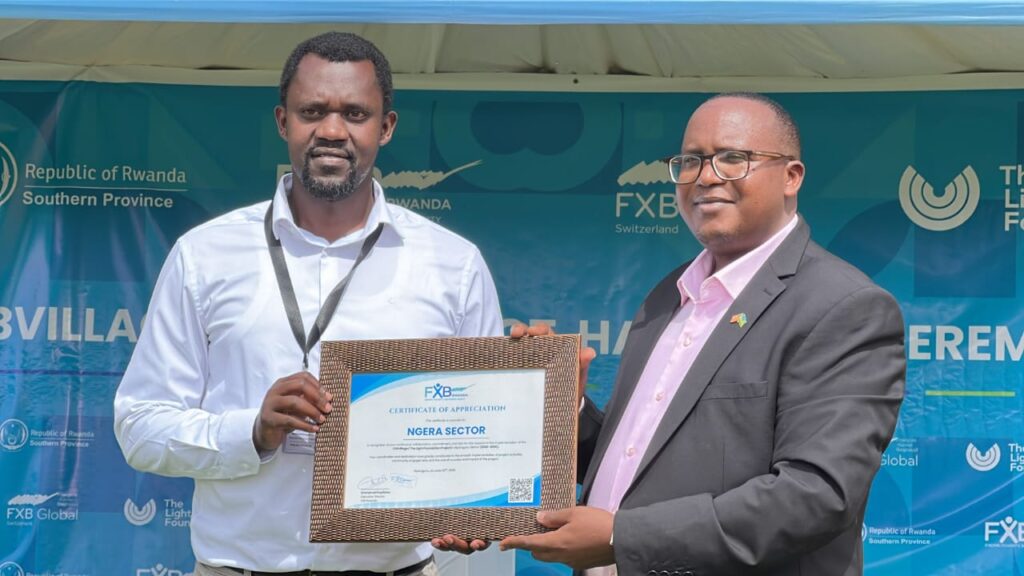
Sector executives were recognized for their contribution to community development.