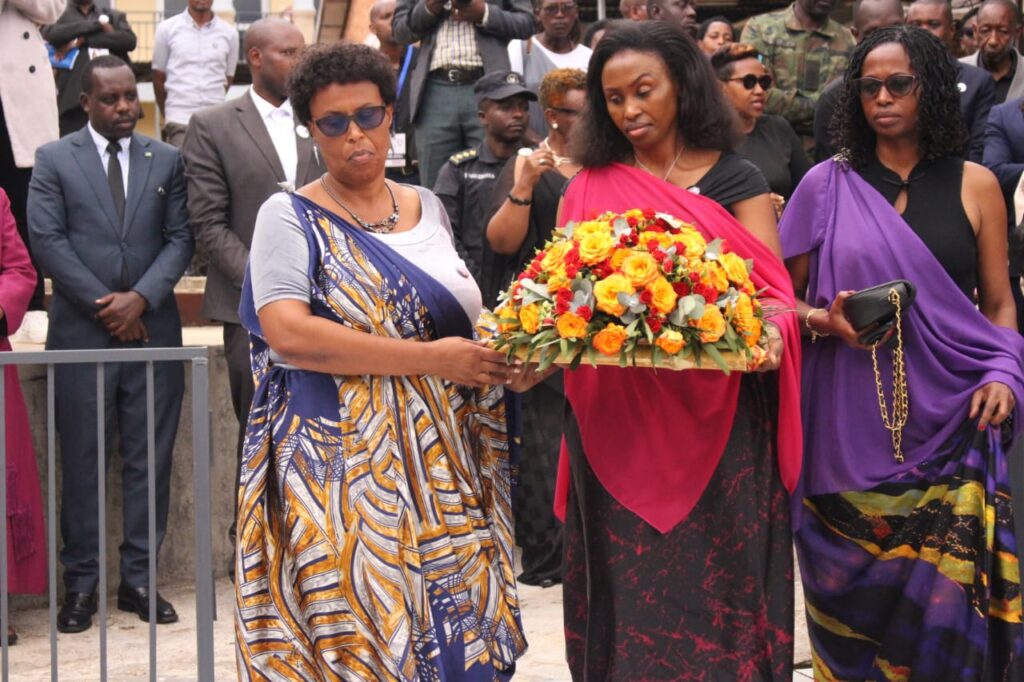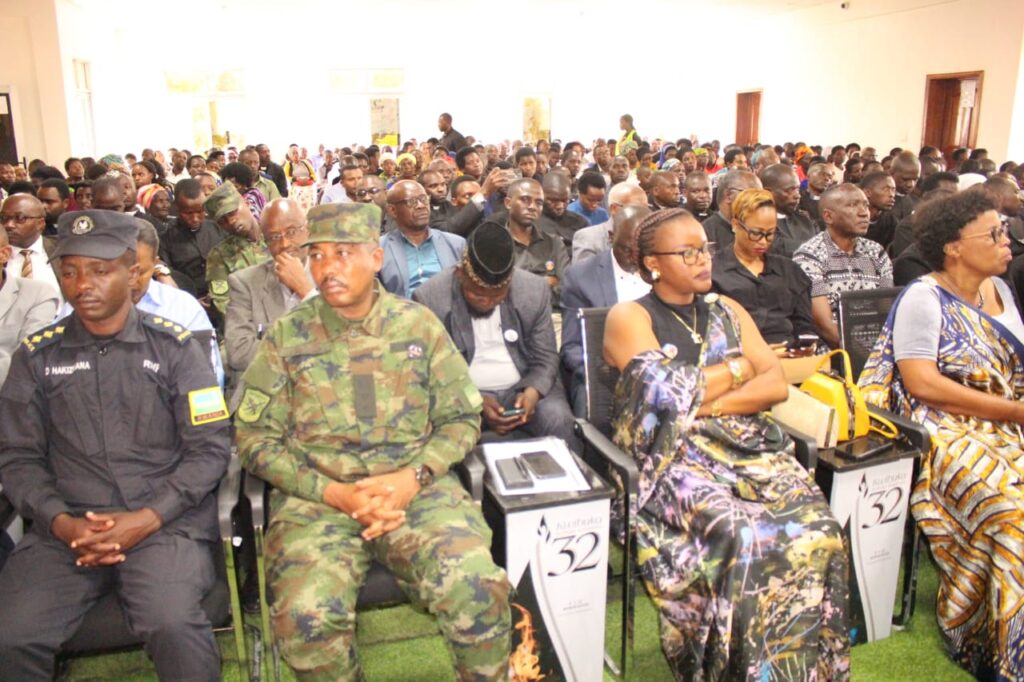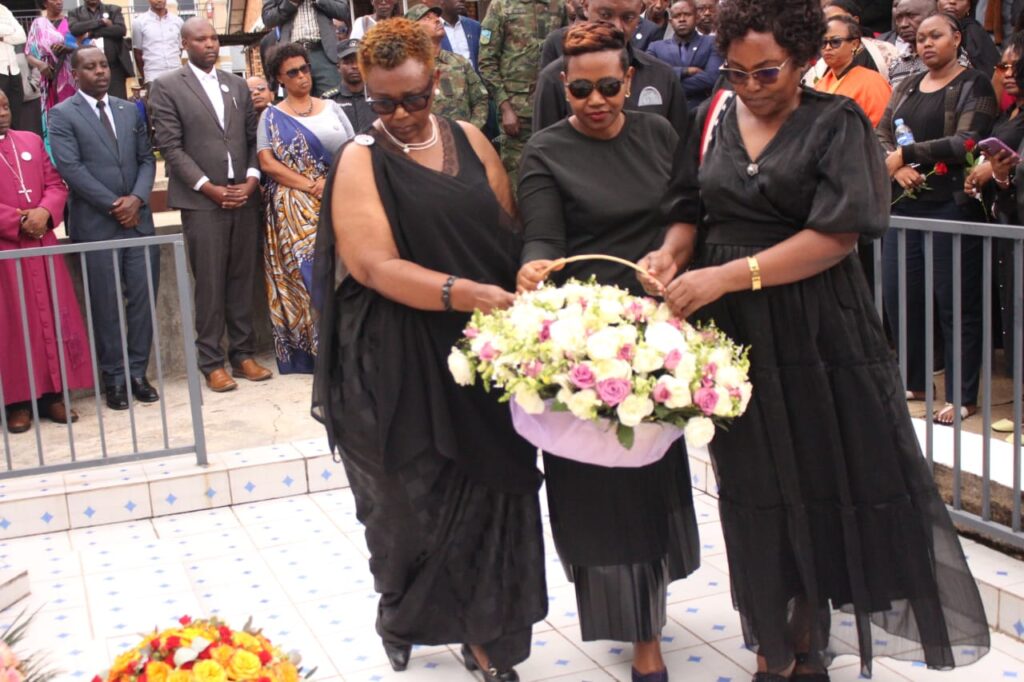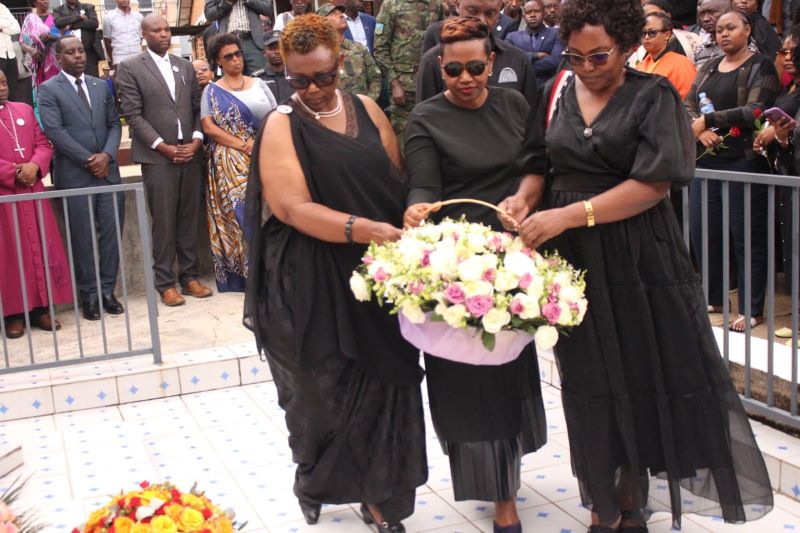
During the 32nd commemoration of the 1994 Genocide against the Tutsi held at Kigeme Hospital in Nyamagabe District, powerful testimonies were shared about the atrocities committed at the hospital and the continued demand for truth regarding the victims whose bodies have never been found to this day.
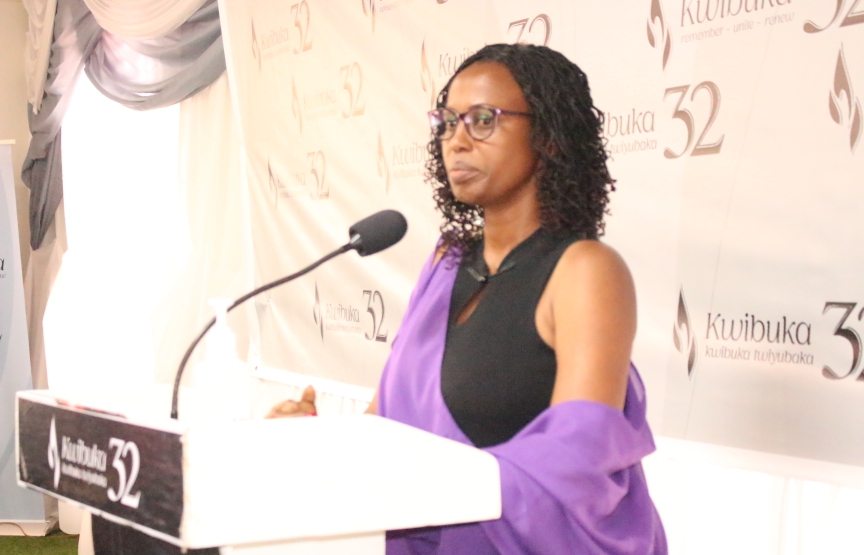
In her testimony, Dr. Claudette Uwimana, who was a student at Kigeme Secondary School and completing her internship at the hospital during the Genocide, recounted witnessing the killings that took place within the hospital and how Tutsi students she studied with were taken to Murambi to be murdered.
She explained that on May 22, 1994, killers working at Kigeme Hospital began targeting and killing Tutsi who were at the facility.
“Thirty-two years after the Genocide against the Tutsi, information about victims has been provided in many places, but that has not happened at Kigeme Hospital. Some employees who worked here during the Genocide continued working at the hospital even afterward. Their hearts remained hardened, and they refused to reveal information, to the extent that not a single body of those killed here has ever been recovered and given a dignified burial,” she said.
Dr. Uwimana stressed the importance of those with information revealing where the bodies were dumped so that the victims can finally be buried with dignity. However, she also noted that survivors should not continue begging unwilling individuals for information.
“We are requesting that a memorial garden be established at the sites where people were killed because it would help preserve the history of what happened here and serve as a reminder that some people refused to disclose information about those murdered at this hospital,” she said.
She further called for the construction of a proper genocide memorial bearing the names of the victims and featuring a visible flame of hope. “Anyone who sees the current monument assumes it is just an ordinary graveyard, yet no victims are actually buried there,” she added.
Dr. Uwimana thanked the Inkotanyi led by the President of the Republic Paul Kagame for rescuing Tutsi during the Genocide and restoring hope to survivors through programs that promote unity and support survivors’ welfare.
“Today we are strong Rwandans contributing our energy to the country’s development and doing everything possible to ensure genocide never happens again,” she said.
She also expressed hope for the future generations. “Our children and grandchildren will grow up in a peaceful country free from discrimination and genocide because the foundation of Rwandan unity established by the President of the Republic is what they will continue building upon,” she noted.
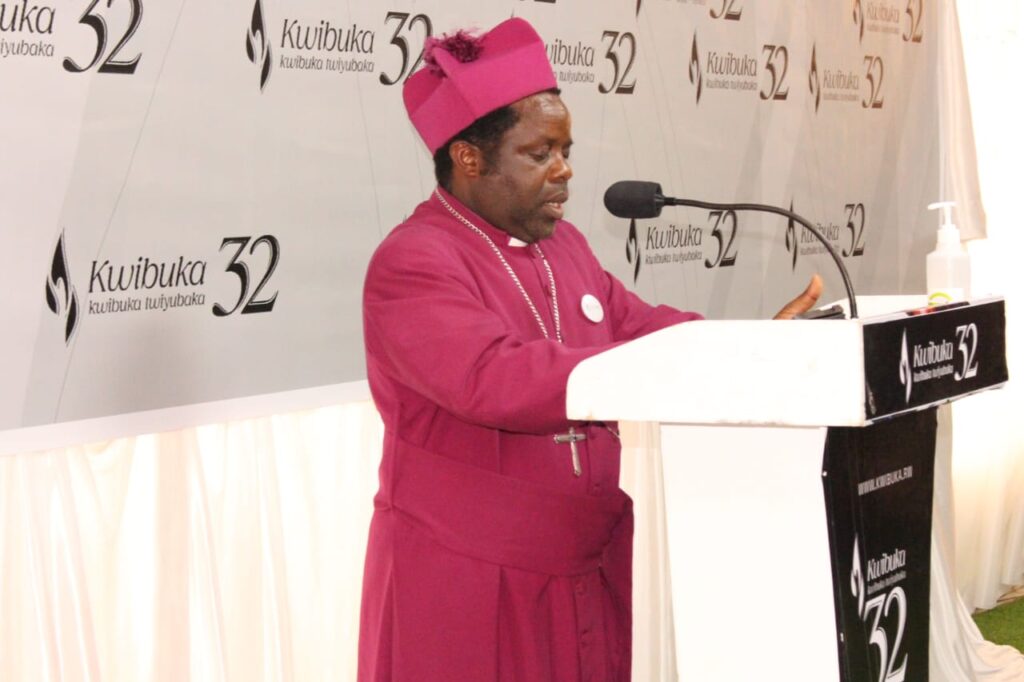
The Bishop of EAR Diocese of Kigeme, Assiel Musabyimana, said that commemorating the Genocide at Kigeme Hospital is a moment to reflect on the tragic history the country endured and to honor the innocent victims killed there.
“Today, as the leadership of EAR Diocese Kigeme, we remember pastors, church employees from various institutions, Anglican Church members, Kigeme Hospital staff, patients, caregivers, and many others who were killed at Kigeme Hospital and in its surrounding areas,” he said.
He noted that the Genocide left deep wounds in the country, families, the church, and the healthcare sector. “As EAR Diocese Kigeme, we continue teaching unity, love for one another, and fighting against genocide ideology,” he said.
He also expressed sorrow that, even after 32 years, the bodies of those killed at the hospital have still not been found for burial.
“For years we have invested efforts in searching for where these bodies were hidden, but none has yet been found. However, we remain hopeful that they will eventually be discovered,” he added.
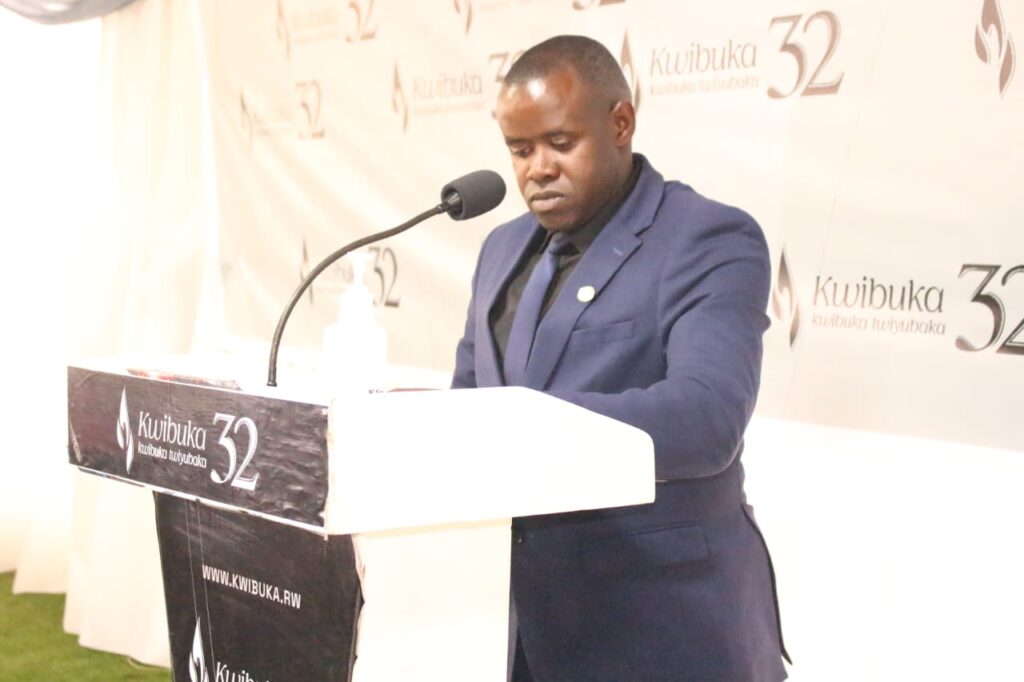
The President of Ibuka in Nyamagabe District, Patrick Sindikubwabo, said Kigeme Hospital carries a painful genocide history because no victim’s body has yet been recovered for burial.
“As genocide survivors, Kigeme Hospital owes us answers because for 32 years no one has come forward with information or identified where the bodies are located,” he said.
He pointed to evidence suggesting that the bodies were deliberately concealed.
“A large amount of clothing was discovered in one pit while no bodies were found, indicating that the bodies may have been intentionally moved and hidden,” he explained.
Sindikubwabo also said that some individuals who worked at Kigeme Hospital during the Genocide are still free and have never provided information.
“Some people who worked at the hospital are still around today. They used to move through hospital wards searching for Tutsi patients,” he said.
He called on Rwanda’s justice institutions to investigate those individuals and for a joint report to be compiled by relevant institutions based on the available evidence.
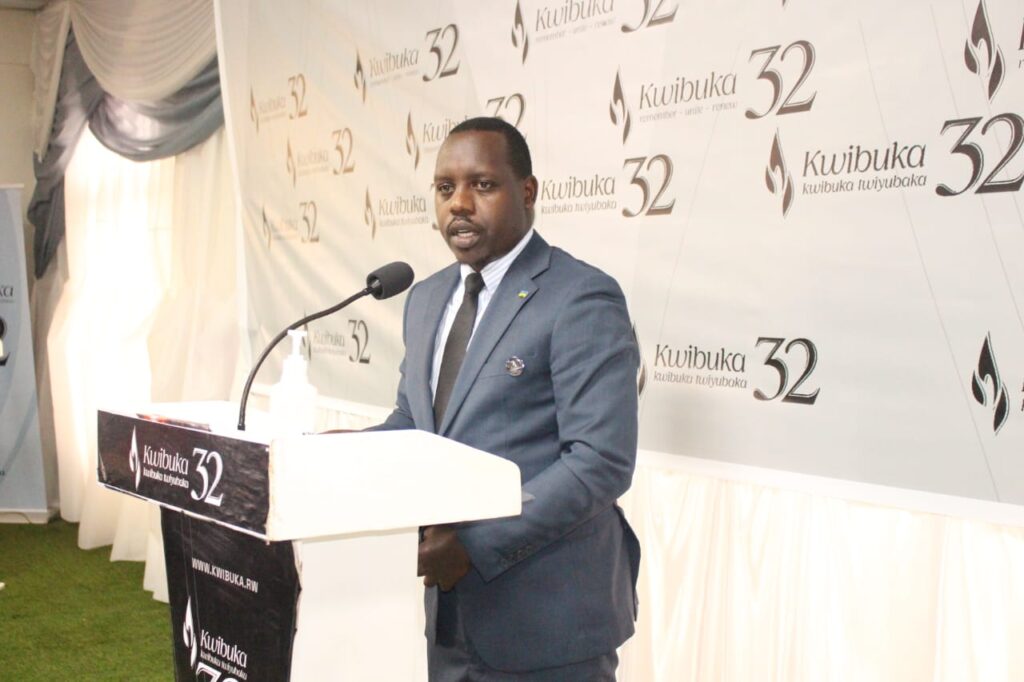
Nyamagabe District Vice Mayor in charge of Economic Development, Thadee Habimana, said the Genocide against the Tutsi at Kigeme Hospital was marked by extreme brutality, with only a few survivors.
“What is especially painful is that none of the people killed at this hospital have been buried to this day,” he said.
He noted that some hospital employees who participated in the Genocide fled the country and that withholding information about the bodies was part of efforts to conceal evidence of the Genocide. “Despite that, wherever they are, no matter how much time passes, they will eventually face justice,”
Habimana confirmed that plans to build a memorial site and remembrance garden at the hospital will soon be implemented. He also emphasized the need to educate young people about the true history of the Genocide, so they are not misled by individuals who still harbor genocide ideology.
“Today we should not remain imprisoned by history; instead, we should focus on unity,” he said.
The Director of Kigeme Hospital, Jean Marie Vianney Kagimbangabo, said that commemorating the Genocide gives them strength to continue promoting national unity and contributing to the country’s development.
“At the hospital, we remain committed to caring for patients so they can return to their families healthy, contribute to the nation, and improve their lives,” he said.
He added that remembering the Genocide reminds them of Rwanda’s painful past and strengthens their commitment to fighting evil and genocide ideology.
“In 1994, the life expectancy of a Rwandan was only 26 years, but due to inclusive and good leadership at all levels, Rwanda’s life expectancy has now surpassed 70 years,”
He emphasized that healthcare professionals remain committed to providing non-discriminatory healthcare services that respect medical ethics and professionalism.
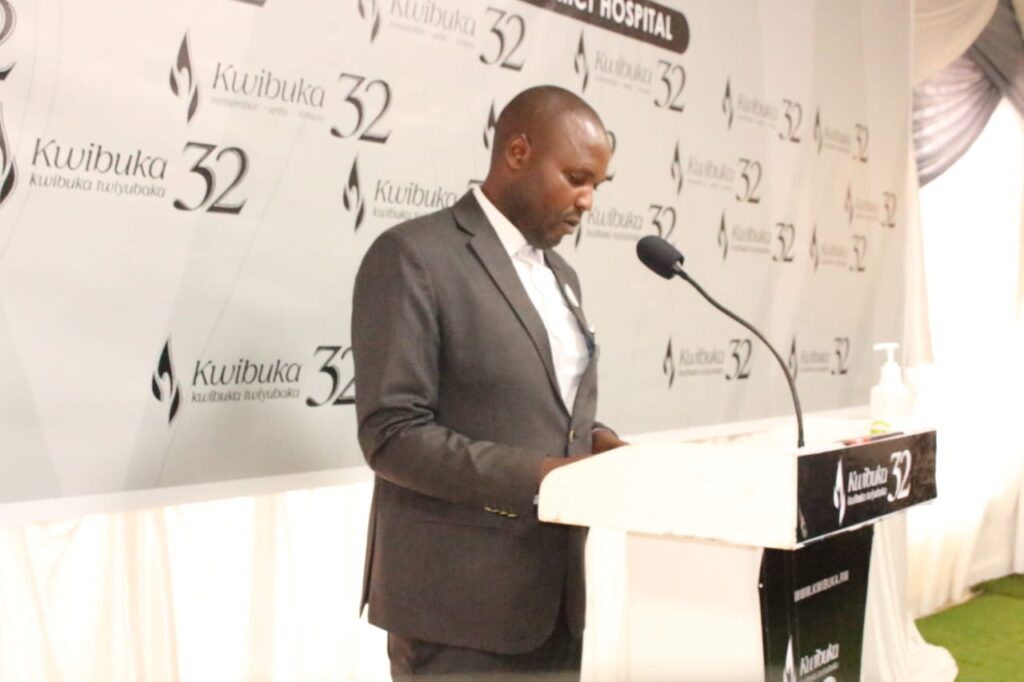
Thirty-two years after the 1994 Genocide against the Tutsi, not a single body of those killed at Kigeme Hospital has been recovered for a dignified burial. However, evidence such as clothing believed to belong to victims has been discovered, reinforcing calls from survivors and various institutions for the truth to be uncovered and for the history of what happened there to be preserved.