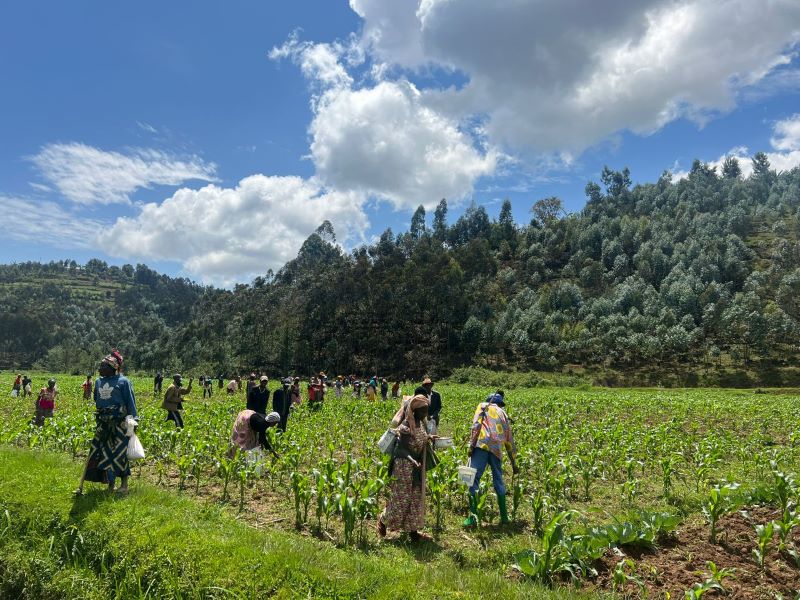
As Rwanda continues to invest in modernizing agriculture, researchers say enhancing crop resilience to diseases, pests and climate change could provide a sustainable solution to low yields compared to the effort farmers put into production.
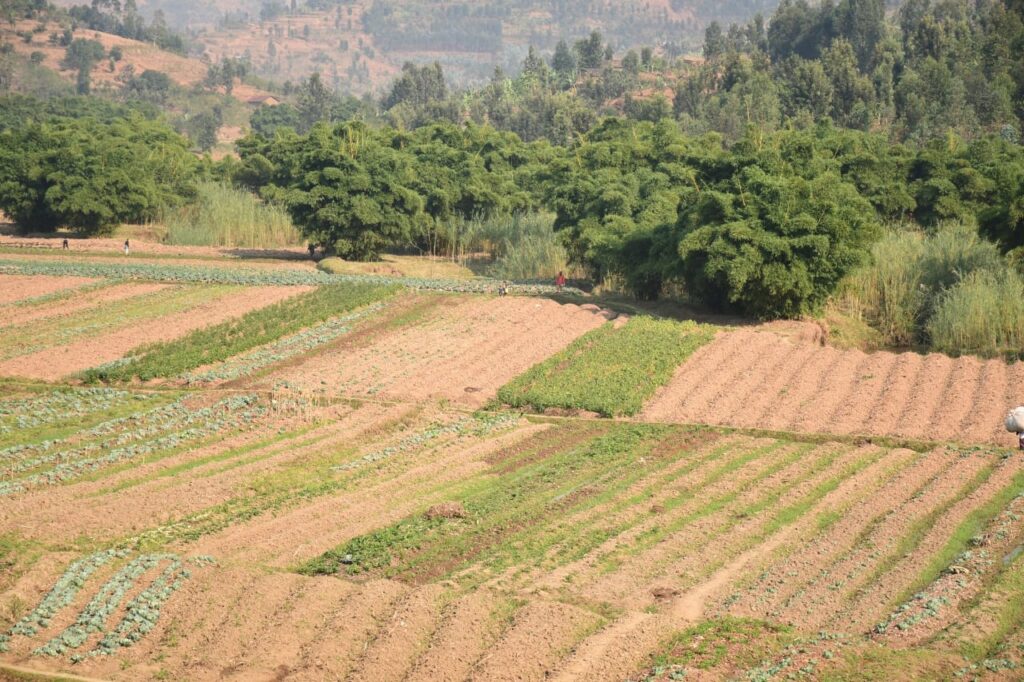
Statistics show that more than 65% of Rwandans depend on agriculture for their livelihoods. Although the sector remains a backbone of the national economy, farmers continue to face major challenges including crop diseases, destructive pests and unpredictable weather patterns that significantly reduce harvests.
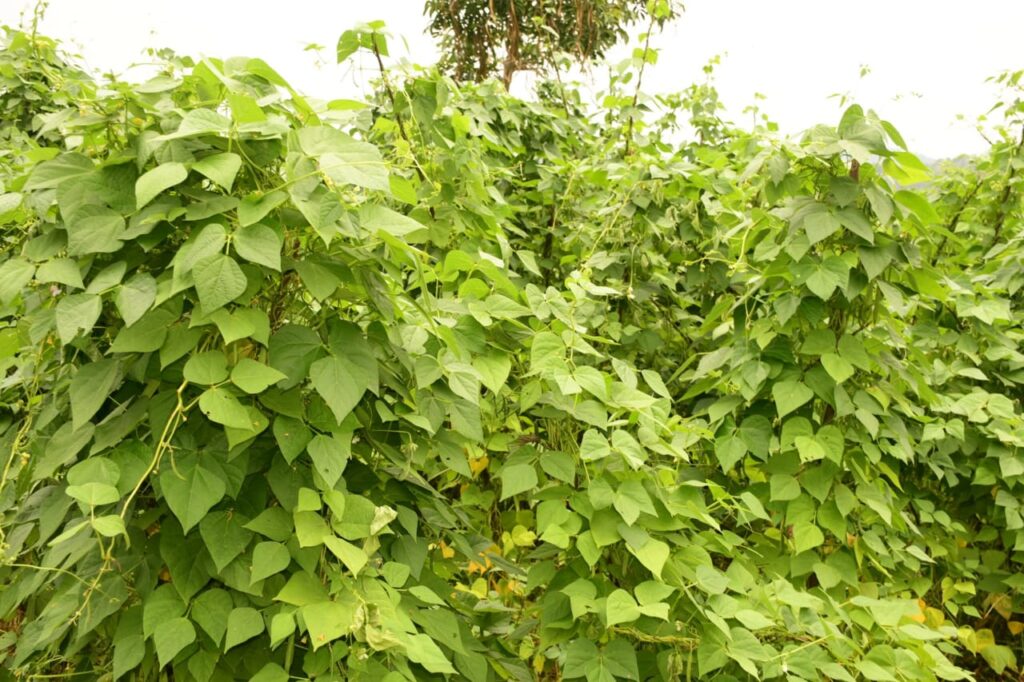
Alexis Hatangimana, a farmer from Huye District who grows beans and maize, says he welcomes the development of improved resilient seeds, noting that they could help protect farmers from losses.
“There are times when we invest heavily in farming but harvest very little. We frequently face diseases, and the weather often disappoints us. If we get seeds that can withstand diseases and climate change, it would be a major solution,” he said.
He added that despite using fertilizers and other inputs, poor rainfall distribution or excessive sunshine often leads to low productivity. He believes access to improved seeds would significantly increase his yields.
Dative Uwamahoro, a bean farmer from Gisagara District, says the 2026A planting season did not perform well due to unfavorable weather conditions. “The harvest we got did not match the effort we invested. Resilient seeds will help us produce more and avoid losses. We hope they will reach us early,” she said.
Dr. Athanase Nduwumuremyi, a researcher at the Rwanda Agriculture and Animal Resources Development Board (RAB), explains that enhancing crop resilience involves strengthening plants to resist diseases, pests and climate variability while increasing productivity.
“All crops must undergo research to prevent them from disappearing. If they are not improved and strengthened, they may eventually become extinct.” He stated.
He explained that traditional breeding methods involve crossbreeding two plant varieties to produce stronger traits. There are also advanced biotechnological approaches that use cellular-level research to introduce specific desirable characteristics into crops.
“These methods can help us develop high-yielding seeds that resist diseases and pests, reducing farmers’ production costs.” He added. Researchers are currently focusing on key staple crops important to Rwandans like:
- Cassava, which is severely affected by cassava brown streak disease, causing heavy losses to farmers. Disease-resistant varieties could significantly increase productivity.
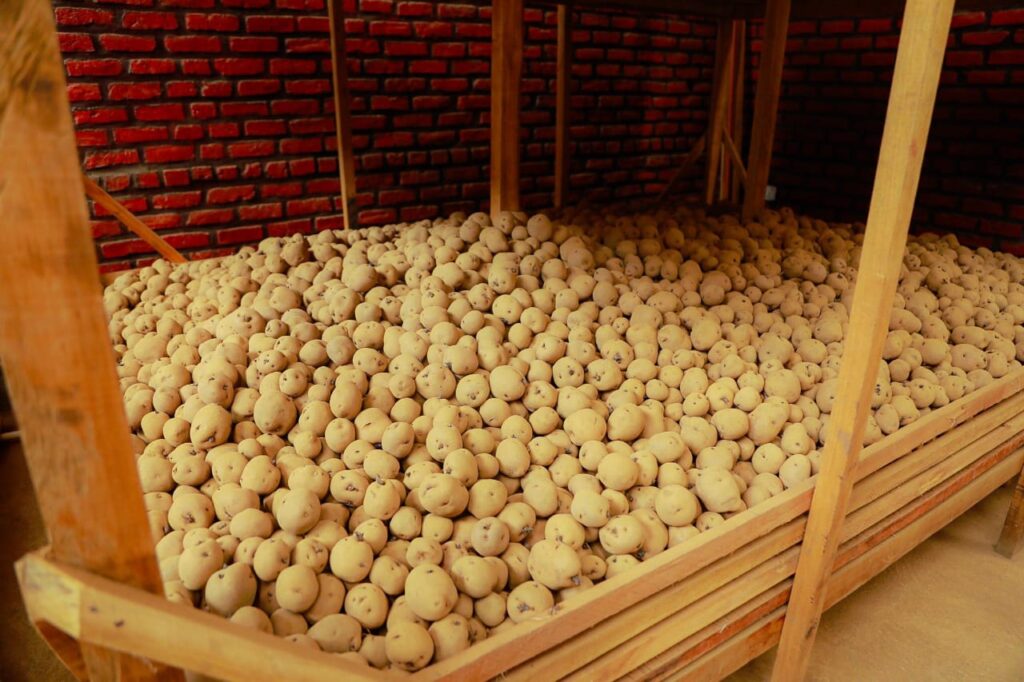
- Potatoes, which are frequently attacked by diseases and affected by heavy rainfall, forcing farmers to apply pesticides repeatedly. Resistant varieties would reduce chemical use and protect the environment.
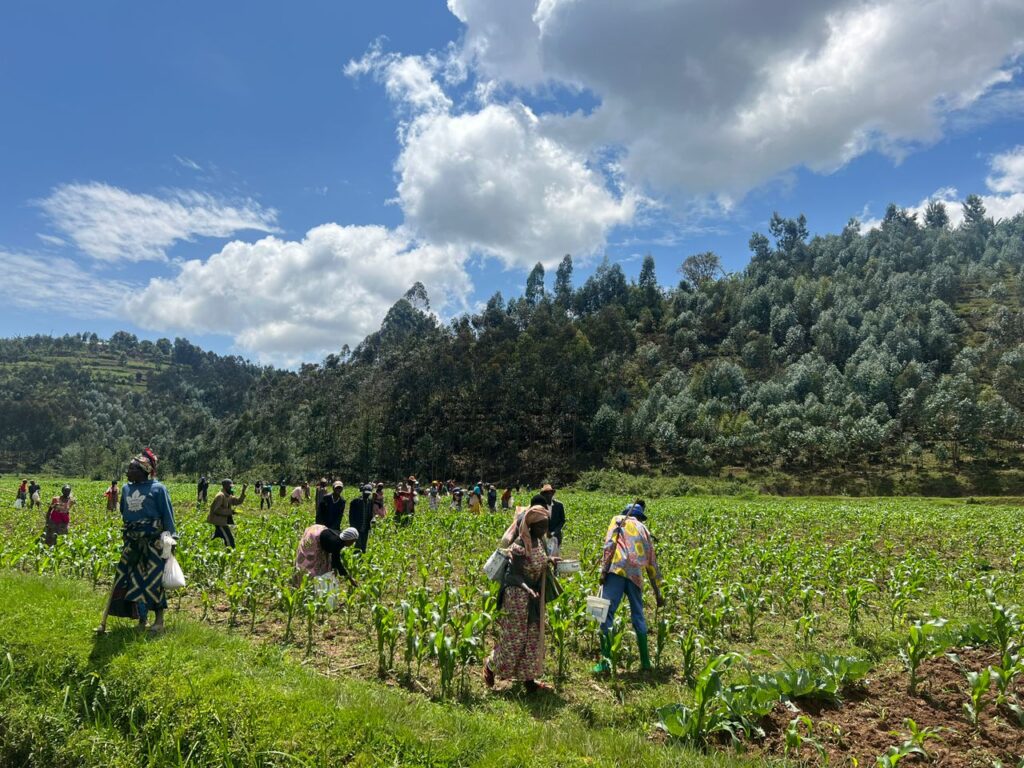
- Maize, which suffers from the fall armyworm infestation. Resistant seeds would help boost yields and minimize losses.
- Bananas, which are threatened by banana bacterial wilt, a disease that continues to affect production. Strengthening banana varieties would improve yields of this crucial staple crop.
Currently, research is nearing completion. During the 2026C planting season, the improved seeds will begin pilot trials with farmers before being widely distributed across the country.
Dr. Nduwumuremyi also addressed misconceptions about improved crops, noting that some people believe they may lack taste or pose health risks.
“These crops pose no danger. On the contrary, they will increase productivity, reduce pesticide use and improve food supply in markets,” he emphasized.
As food prices continue to rise in various markets across Rwanda, enhancing crop resilience could become one of the key strategies to increase national production, reduce farmers’ investment costs and combat the effects of climate change.