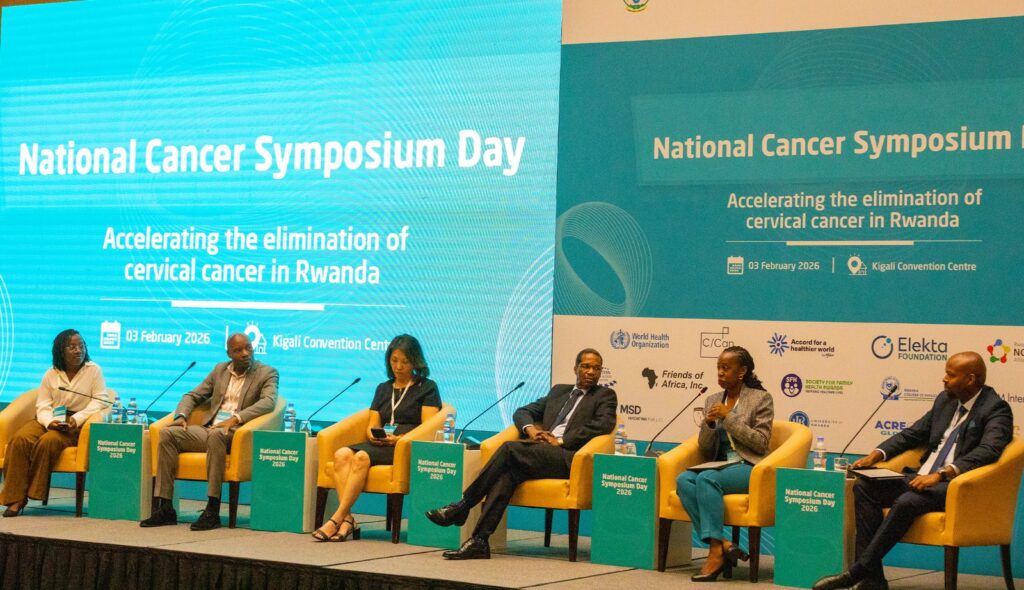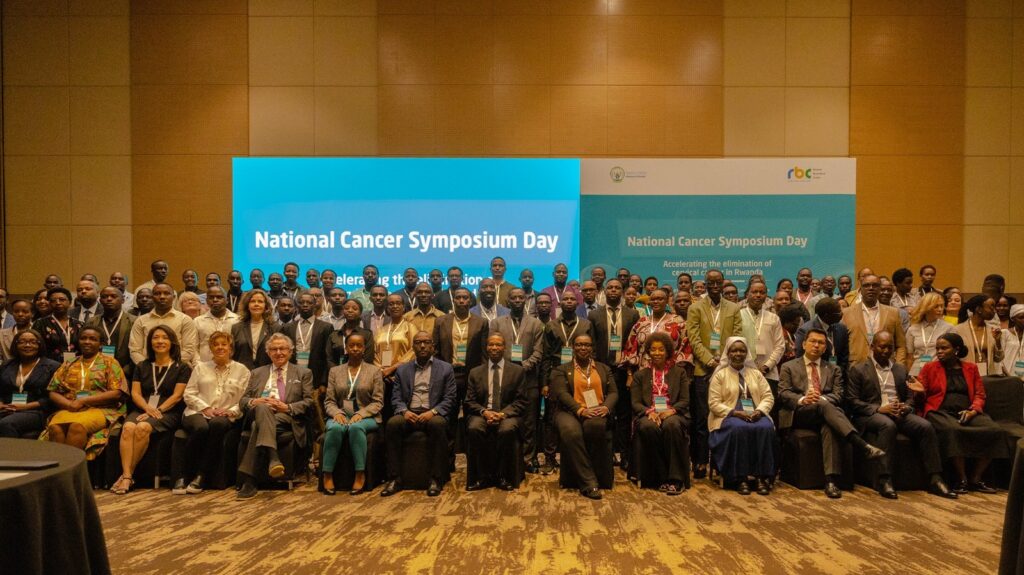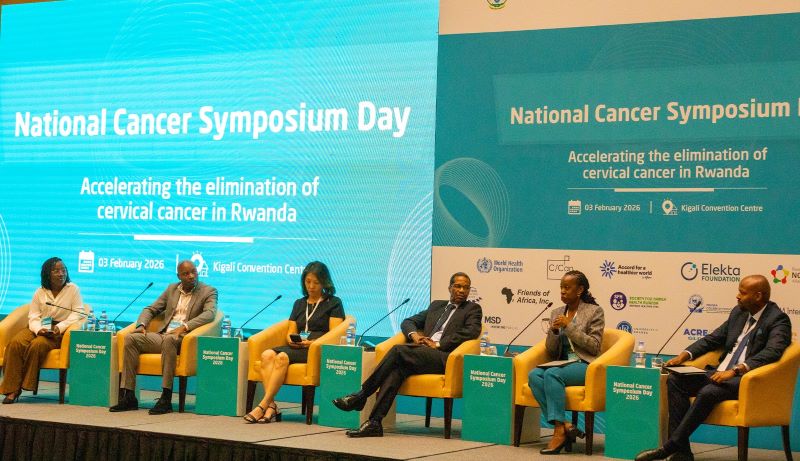
The Rwanda Biomedical Centre (RBC) has announced that efforts to eliminate cervical cancer are yielding strong results, raising optimism that by 2027 the disease will no longer be a major public health concern in Rwanda.
This was revealed during an awareness event held in Kigali, which brought together community members, health officials, and women who have survived cervical cancer. The aim was to encourage early screening, prevention, and timely treatment.
Several women shared testimonies highlighting the importance of early detection and proper medical care in achieving full recovery.
Nyirasafari Cansilida said, “Early diagnosis is what saved my life. I discovered it in its early stages, received treatment, and today I am healthy and able to take care of my family.”
Mukamurera Jeannette added, “I was very scared at first, thinking it was an incurable disease. But after screening and following doctors’ advice, I recovered. I encourage all women to get tested regularly.”
The women emphasized that getting screened is an act of self-love and urged others not to fear medical checkups. They stated, “Screening means caring for your life. If we recovered, others could also recover if the disease is detected early.”
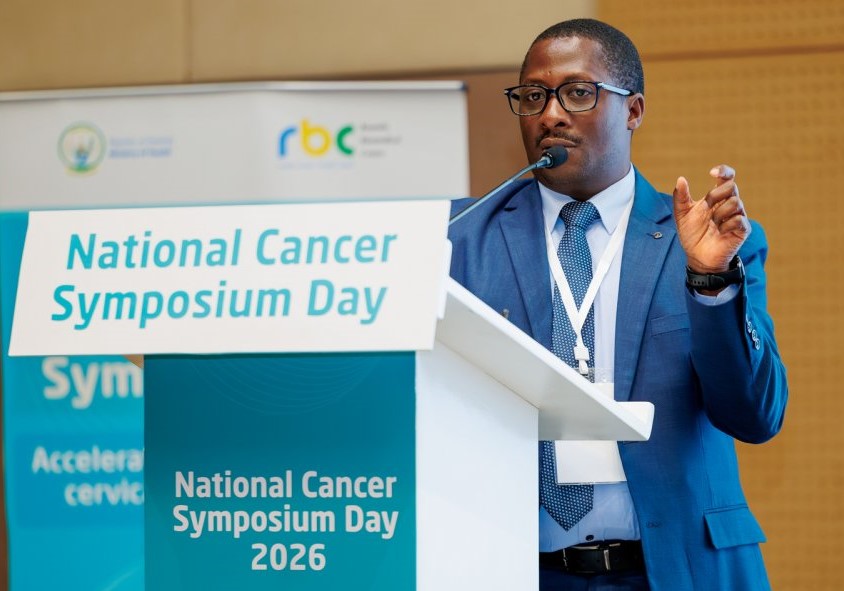
Dr Théoneste Maniragaba , Head of the Cancer Control Unit at RBC, noted that Rwanda has made remarkable progress in changing public attitudes, expanding vaccination, screening, and treatment services for cervical cancer.
“Rwanda is among the leading countries in Africa in prioritizing vaccination, screening, and follow-up care for cervical cancer patients. These efforts give us confidence that by 2027 we can achieve the goal of eliminating this disease, though community participation remains essential.” He spoke.
Data from the Rwanda National Cancer Registry in 2022 shows that between 600 and 800 women are diagnosed with cervical cancer each year, with nearly 600 deaths annually. However, these figures are steadily decreasing due to preventive measures.
Currently, Rwanda has achieved: 90% coverage in cervical cancer vaccination, 31% screening coverage among at-risk women, 81% follow-up care for those showing symptoms. RBC also announced a special strategic plan running from 2024 to 2027 aimed at completely eliminating cervical cancer and other common cancers affecting women, through awareness campaigns, expanded screening services, and improved treatment.
The agency continues to urge the public to actively participate in vaccination and screening programs, describing them as the most effective weapons in the fight against cervical cancer and the path toward a cancer-free Rwanda in the near future.