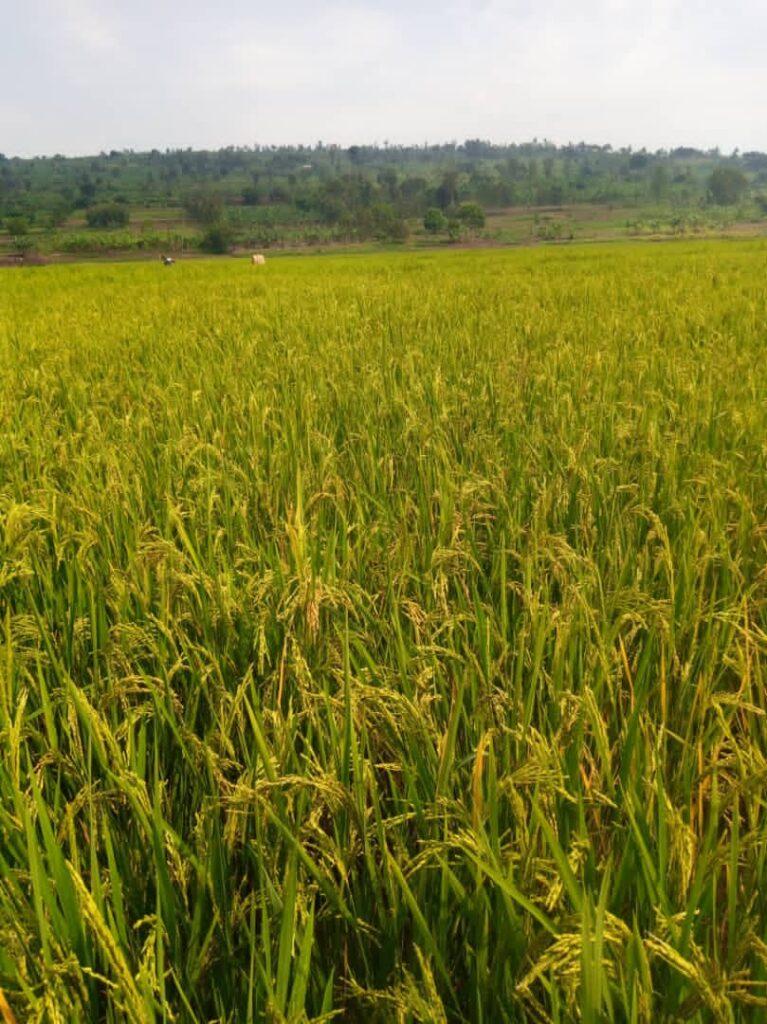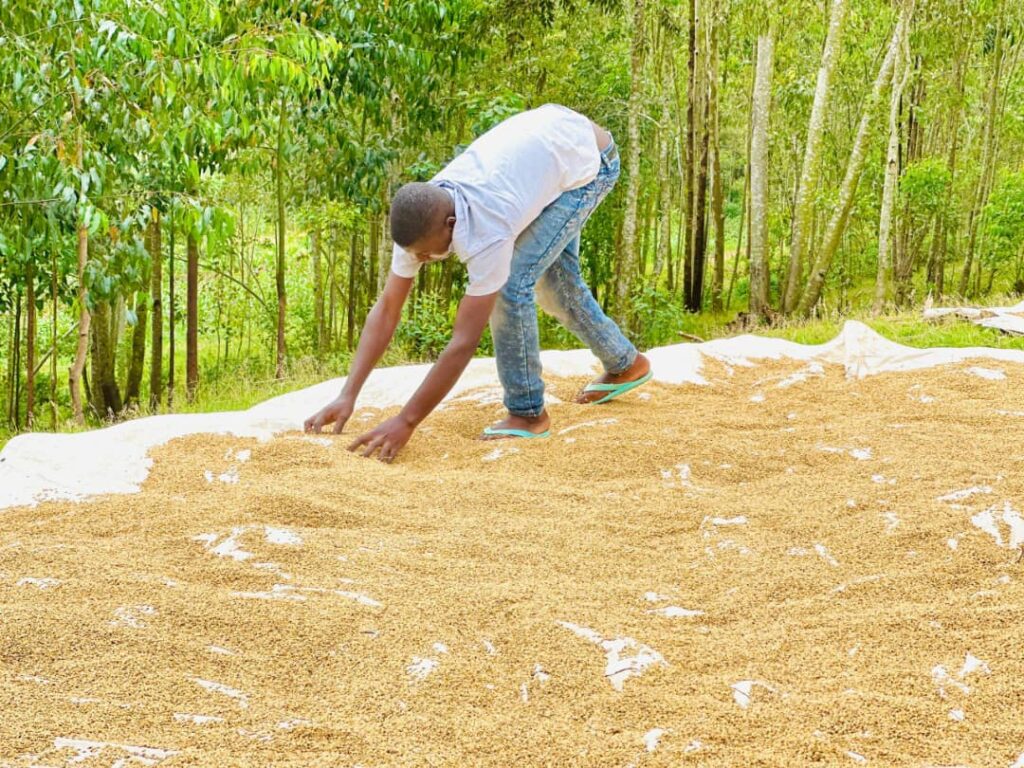
In various marshlands across Rwanda’s Southern Province, rice fields are visibly mature, with harvested rice spread out on drying grounds. However, despite good yields, farmers say the crop does not generate adequate income compared to the effort and money invested.
Farmers explain that the price they receive for unprocessed rice does not correspond to production costs, which include fertilizers, pesticides, labor, and crop insurance.
Jean Claude Niyonzima, a farmer working in the Rwasave marshland that connects Huye and Gisagara districts, says the set price denies farmers the opportunity to improve their livelihoods.
“We farm at a loss. They pay us 540 or 545 Rwandan francs per kilogram of rice, yet when you go to the market it is sold at over 1,200 francs. That means the farmer gains nothing. If they paid us at least 700 francs per kilogram, we would be able to earn something and pay the workers we hire.” He said.
He added that many farmers remain trapped in debt due to lack of capital. “Every farming season, we depend on loans. When the harvest comes, the money first goes to paying the cooperative, and you return home with nothing.” He explained.
From the perspective of women farmers, Alice Mukandayisenga, who grows rice in the Mburamazi marshland in Gisagara District, says rice farming has become increasingly difficult due to low purchase prices.
“Fertilizers have become very expensive, and labor costs have increased. Today a farm worker is paid between 1,500 and 2,000 francs per day. When you compare that with the price we are paid for rice, it is impossible to make a profit.” She spoke. “Even when production is good, profits remain minimal, sometimes we harvest well, but after paying debts and covering production costs, there is almost nothing left.” She added.
Currently, the price of short-grain paddy rice is set at 540 Rwandan francs per kilogram and is reviewed every farming season. Farmers are calling for the price to be increased to at least 600 or 700 francs per kilogram so that they can earn returns proportionate to their labor.
They also point out that the rising cost of fertilizers and farm labor continues to have a serious impact on their operations.
On the side of rice processing industries, the Coordinator of the Rwanda Rice Millers Association, Juvénal Ufitimana, says rice prices are determined by market conditions.
“If prices are set too high, both farmers and consumers end up spending more. This can lead to rice becoming scarce on the market and even more expensive.” He explained.
He added that a program has begun to improve the quality of rice production, which will help increase its market value. “We have started a process to improve rice quality. This will gradually raise the price farmers receive, as Rwandan rice becomes more competitive on the market.” He highlighted.
Rwanda has more than 120 rice-growing cooperatives, while 28 rice-processing factories are responsible for supplying the market. Rice farming is considered one of the key pillars of agricultural development and national food security.
Farmers are therefore calling for continued dialogue between themselves, government institutions, and private stakeholders to establish a mutually agreed-upon price that would enable rice farming to sustainably support those who depend on it.