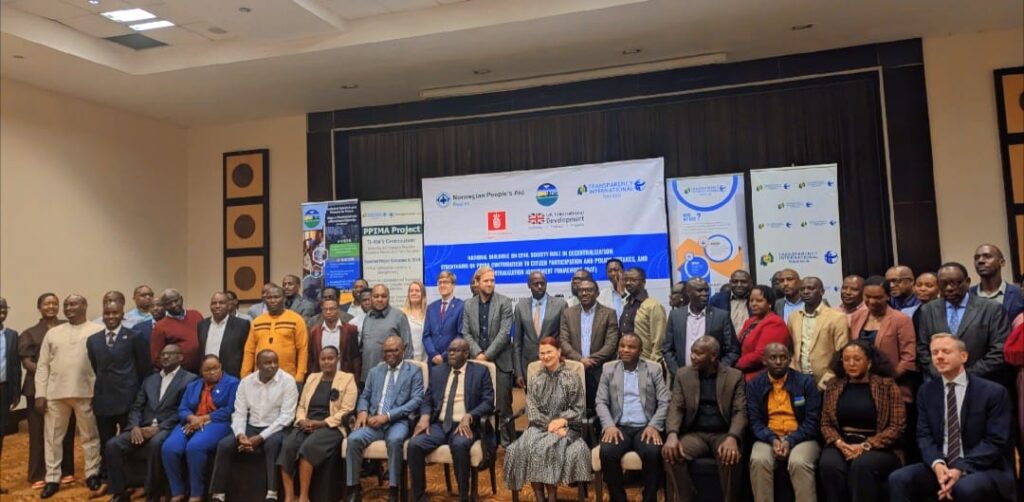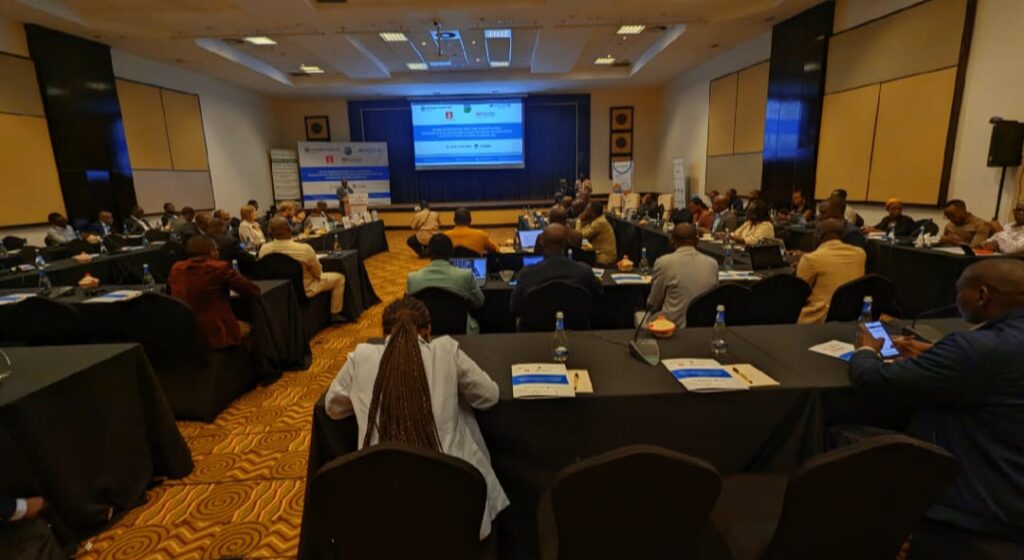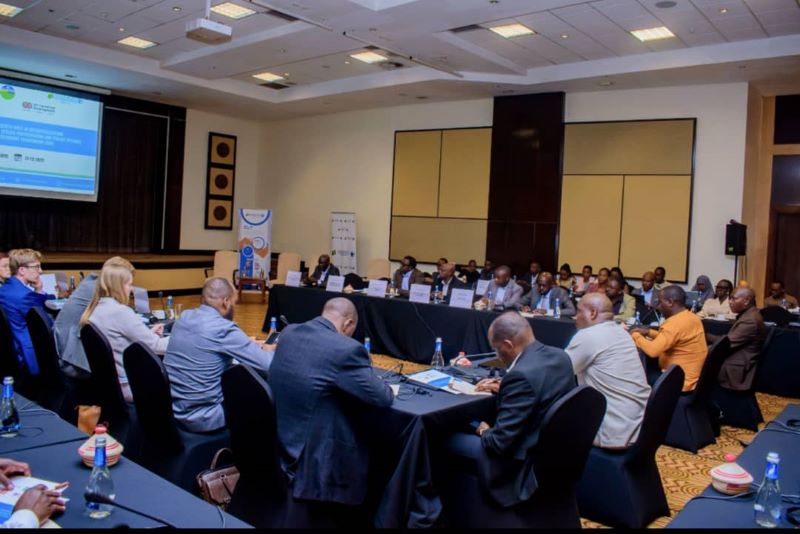
During a national dialogue on civil society decentralization conducted by Transparency International Rwanda and different partners including Norwegian People Aid, CLADHO and other civil society institutions done on 17th December 2025, they talked about how citizens were given priority in decision making through PPIMA project which emphasized on informing and engaging citizens to prevent and fight corruption.
Mupiganyi Apollinaire, the Executive Director of Transparency International Rwanda highlighted the role PPIMA project has played in implementing decentralization, and advocating for women who were most of times asked for corruption before being given a job.
“Through PPIMA project which started in 2010, the project which had the aim of implementing decentralization but with the help of public sectors which included giving the voice to the citizens as the decentralization program is structured, from that project we were able to start the most famous program called Rwanda bribery index which has contributed a lot in fighting corruption” He highlighted.
He also added that even though progress has been made there are still some services which some ministries still keep that should be decentralized so that citizens can access them easily instead making them spend money and time taking long trajectory looking for services which would be accessed on cell level.
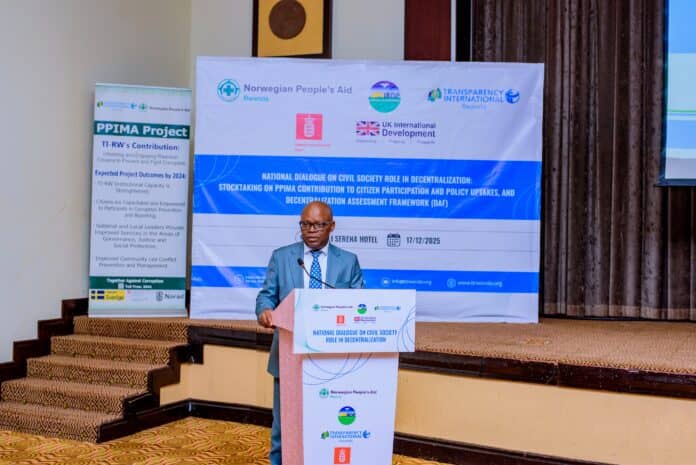
KUBANA Richard, the Director General in charge of Community Mobilization and Youth Volunteers coordination in community policing in MINALOC, also emphasized on the need of government of Rwanda in making all necessary services available to citizens starting from local government institutions.
“What we are happy for is that around 45% of our full services that we deriver are accessed on local governments level ,but our aim is to put all services to the local governments institutions, the 2029 strategic plan of MINALOC is that around 70% of services will be accessed on local government level ,we started from 0% and we are between 40 to 45% which is a big step ,when we will be reaching 70% ,It will be a big achievement , we even want citizen to access the services by themselves by using their phones without revolving around offices .” He spoke.

Some services have been decentralized, but some citizens still choose to skip local government institutions like cell and sector level and move directly to the district level, Gasana Richard, the mayor of Gatsibo district, spoke about why such events happen.
“Some citizens don’t get satisfied by the way the cell and sector solve their problems, some even may end up in court, they believe that the highest level of governance will be the ones to solve their problems which sometimes don’t even get solved.” He spoke.

PPIMA (Public Policy Information Monitoring and Advocacy) project started in 2010, in Gatsibo, Gakenke, Ngororero and Nyaruguru districts and it has played an important role in strengthening citizen participation in governance and policy processes.