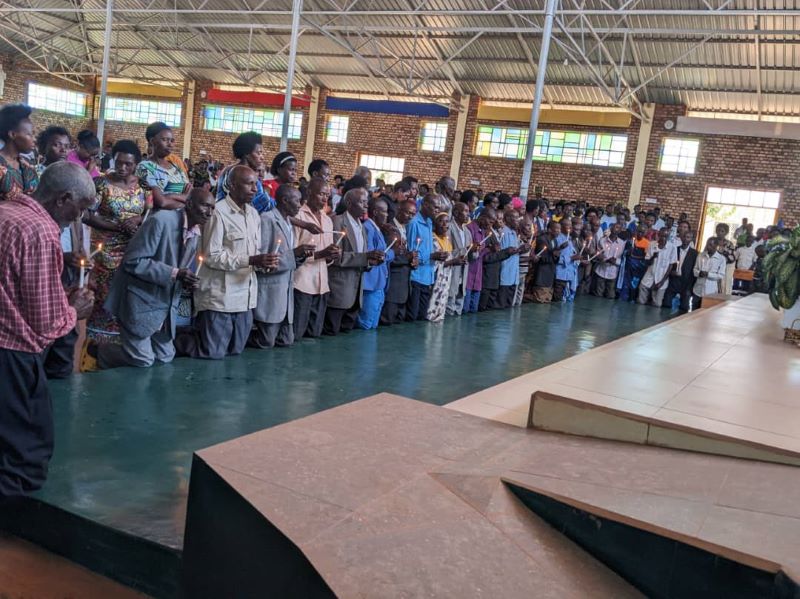
The Isanamitima is an initiative that has been running since 2017, where the Justice and Peace Commission (CDJP) Butare, in collaboration with parishes of the Catholic Diocese of Butare, accompanies people who completed their prison sentences for crimes of and related to the 1994 Genocide against the Tutsi. The program also allows families of deceased perpetrators to request forgiveness on their behalf, seeking reconciliation with the families of survivors. These activities are carried out through pastoral work of Justice and Peace (CPJPs) at the parish level.
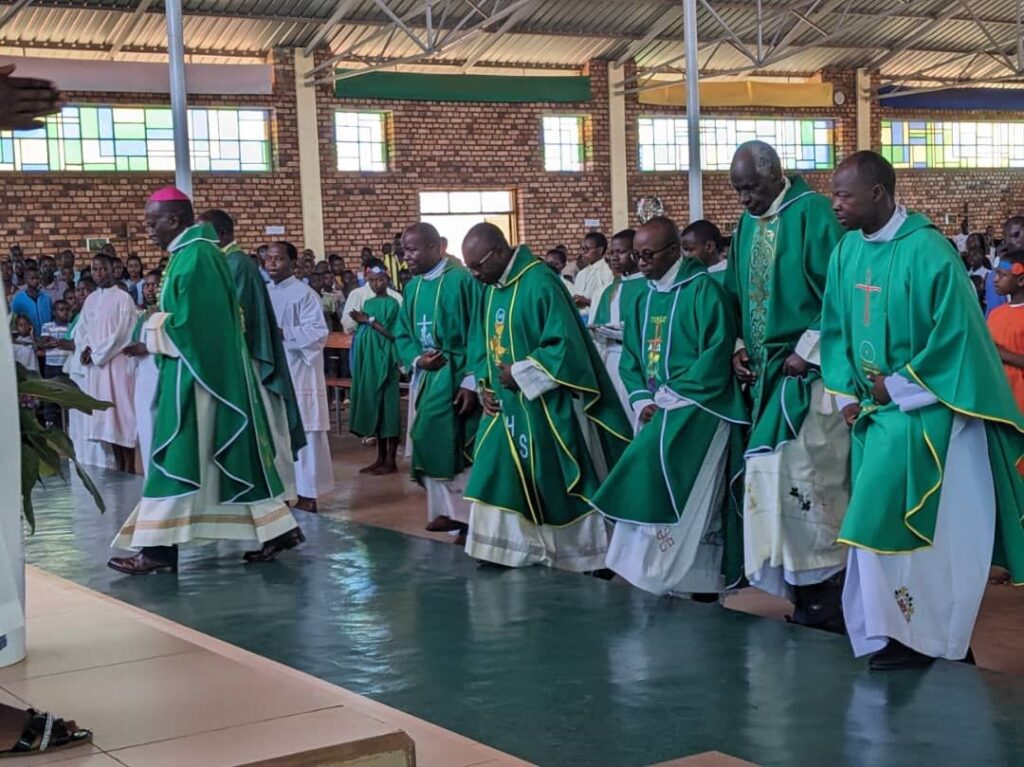
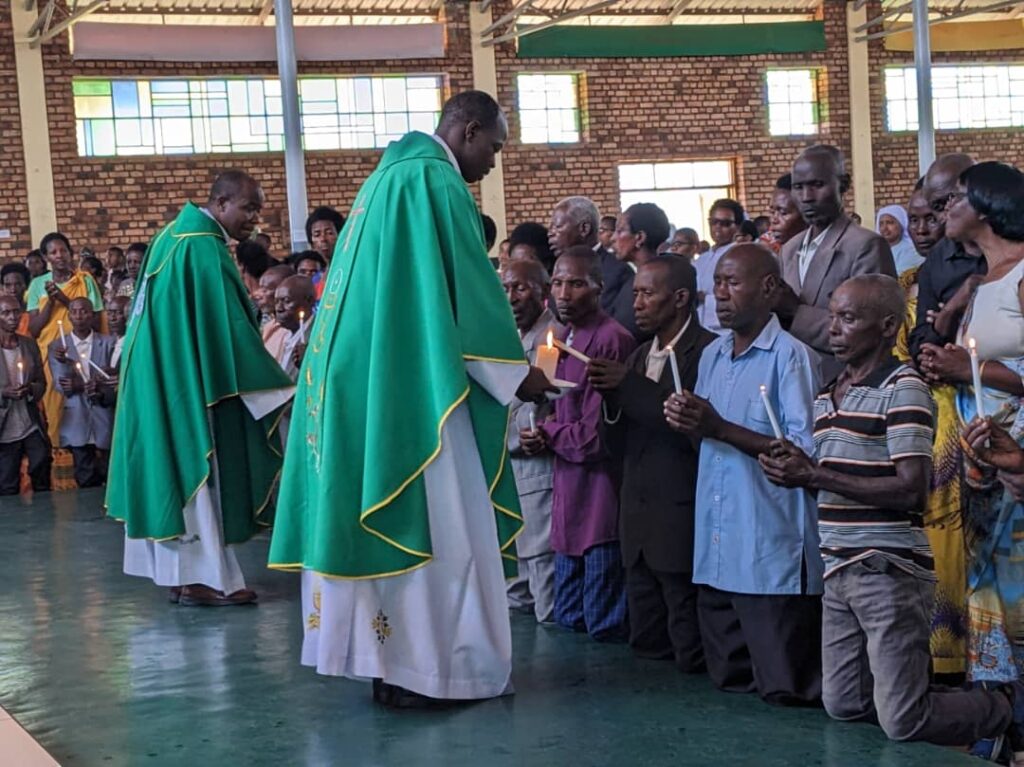
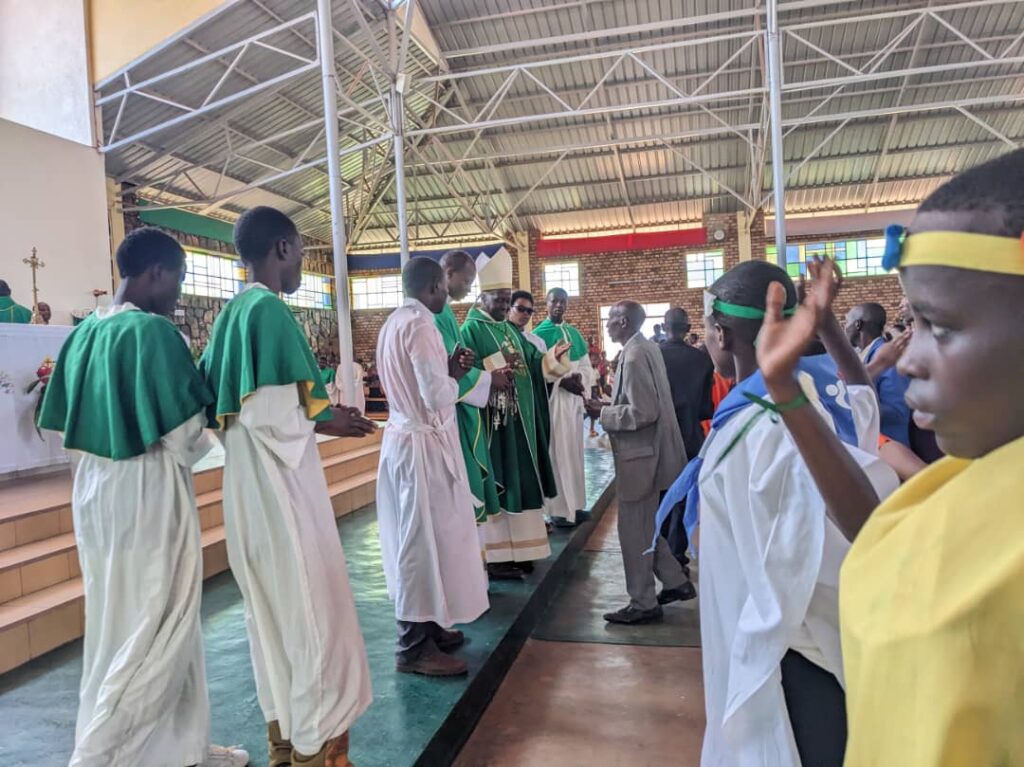
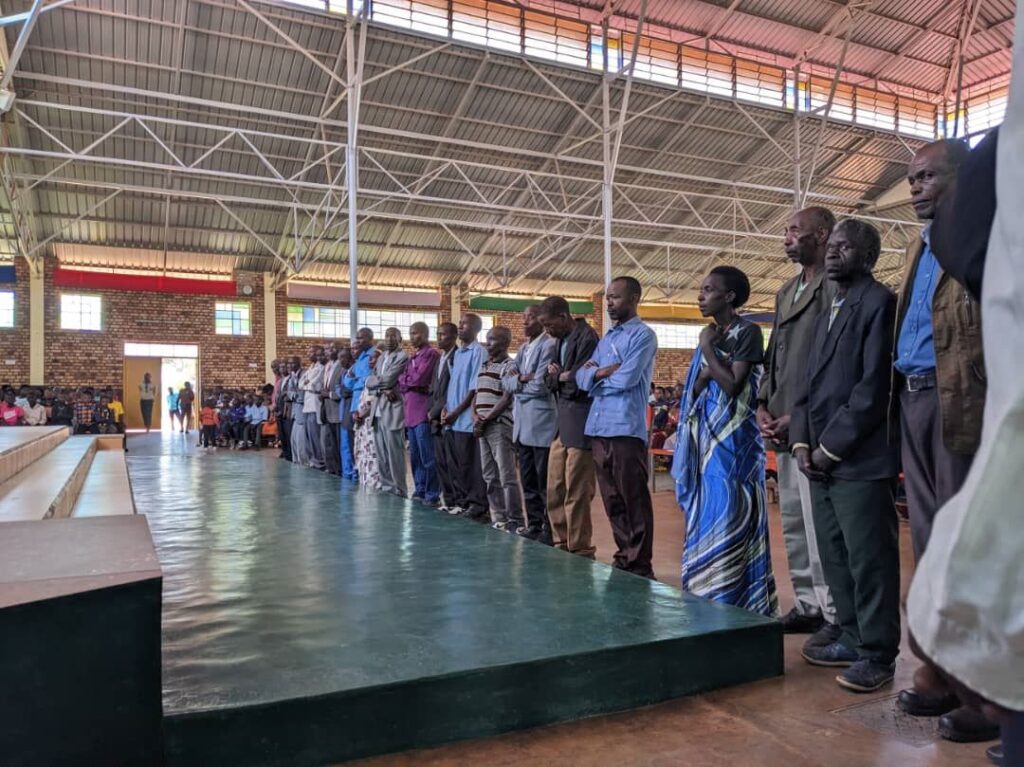
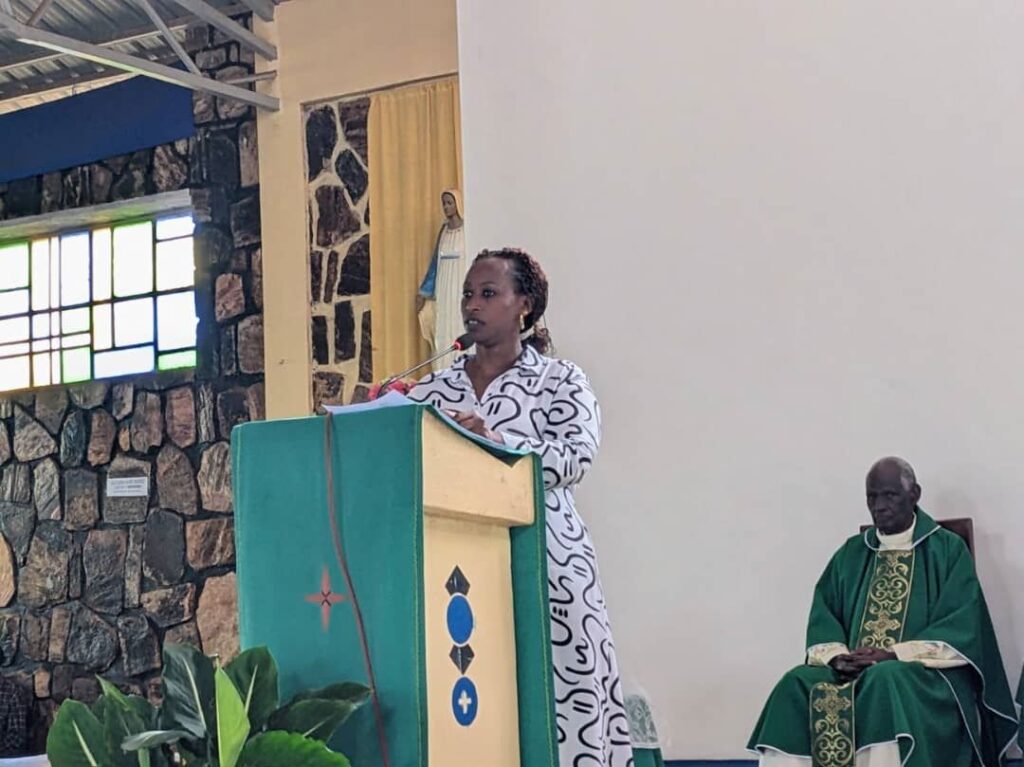
During the closing ceremony of the first phase of teachings on the journey of inner healing, unity, reconciliation, and resilience known as Isanamitima at Save Catholic Parish in the Diocese of Butare, held on 21st September 2025, the genocide perpetrators who asked for forgiveness and survivors who forgave those who had committed crimes during 1994 Genocide against the Tutsi were commended for their courage. The attendees were praised for their commitment to a process that promotes mutual understanding, peaceful coexistence, and contributes to national unity and development.
As part of this initiative, 31 individuals who had committed crimes during the genocide asked for forgiveness from the families they had harmed, while 51 genocide survivors offered forgiveness. The teachings, organized by the Justice and Peace Commission of the Diocese of Butare, were conducted over a period of six months.
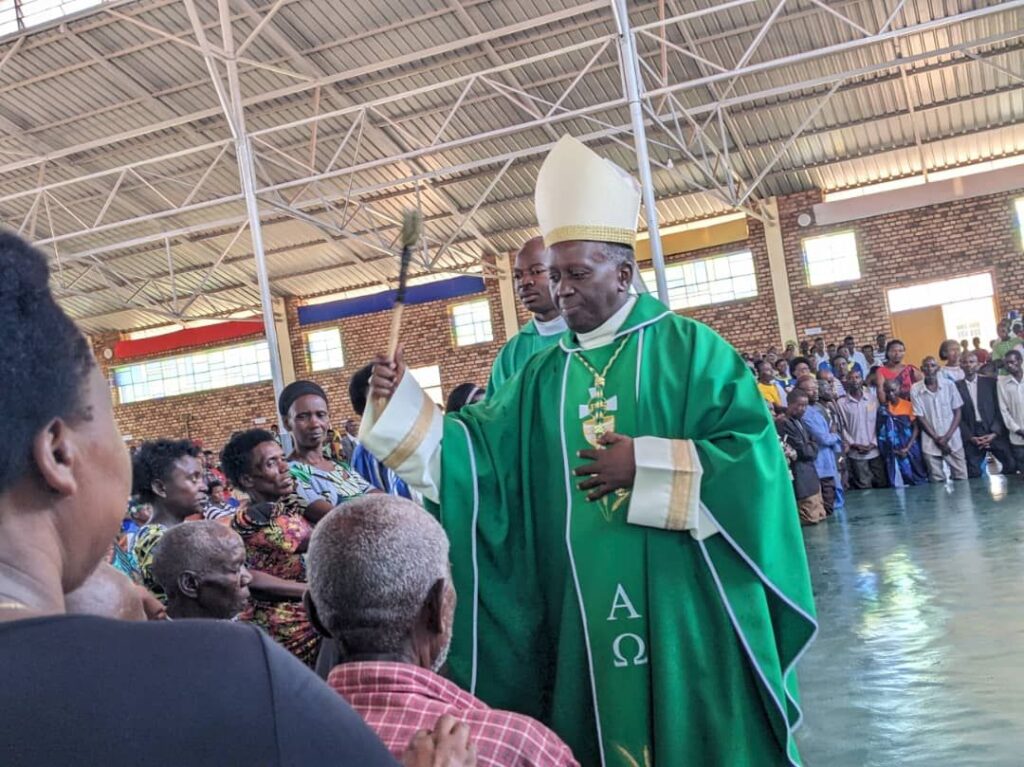
Bishop Jean Bosco Ntagungira, the Bishop of the Catholic Diocese of Butare, praised all those who took part in the healing journey, noting that it benefits both sides.
“I am grateful to all of you who actively participated in this journey for your dedication and bravery in seeking forgiveness. You know where you want to go toward liberation from the burden of the sin of genocide. Forgiveness has rescued you from a kind of spiritual death. Survivors were also deeply traumatized, but when they see someone come forward to ask for forgiveness and share information, it helps to free them as well.”
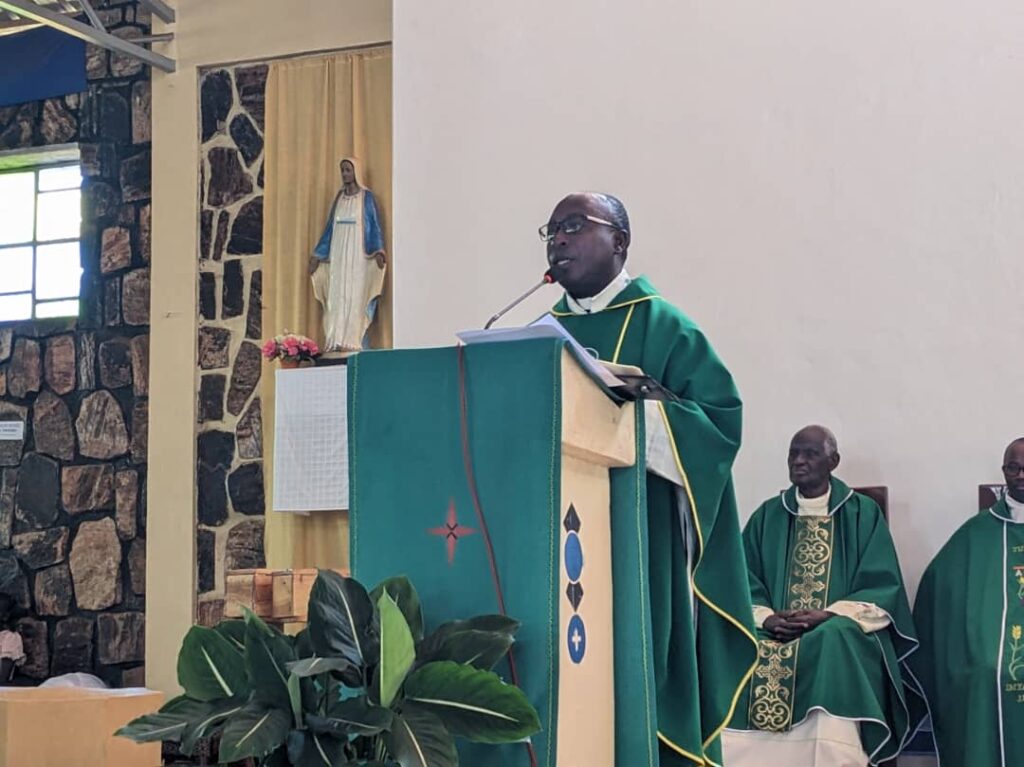
Father Valens Niragire, Secretary of the Justice and Peace Commission of the Episcopal Conference of Rwanda, emphasized the gravity of genocide as a crime and encouraged those who completed the healing journey to inspire others to follow their example.
“I sincerely thank those who spent six months participating in the teachings on healing, unity, reconciliation, and resilience. This is a significant and commendable initiative. The Episcopal Commission for Justice and Peace fully supports and appreciates it. I thank all those who helped guide participants through this journey. We urge those who have not yet begun this journey whether they gave up midway or haven’t taken the first step to join. You have a responsibility to reach out to them and say, ‘It is possible.’ Your act of seeking forgiveness is not just for you personally; it extends to your entire family, your children, and grandchildren. Tell them: ‘I committed a sin against this family and went to ask for forgiveness. My children, my grandchildren, know that just as I harmed others, they forgave me. And to those who gave forgiveness, it’s not just your forgiveness it belongs to your family too. Tell your children: “That family wronged us, but we forgave them and committed to peaceful coexistence. He encouraged those who completed the journey to become ambassadors for reconciliation: “There’s nothing more liberating than a heart that has been set free.”
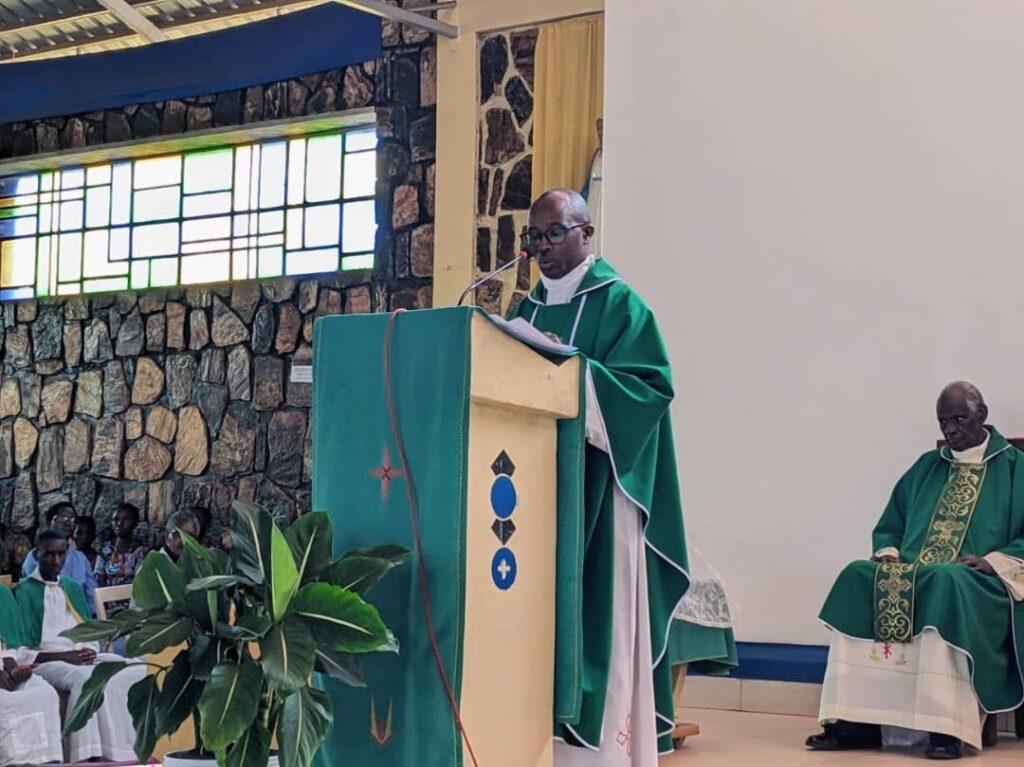
Father Edmond Habiyaremye, Director of the Justice and Peace Commission of the Diocese of Butare, reflected on the mission and goals of the Commission and commended those who completed the teachings:
“I appreciate your courage in taking the step to seek and offer forgiveness. You’re on the right path toward true healing. Keep going and encourage those who haven’t yet dared to ask for forgiveness to do so. Let’s strengthen peace in the Rwandan community.”
Denise Dusabe, vice mayor in charge of Social Affairs in Gisagara District, appreciated the method used by the Commission to involve local residents in delivering the healing teachings.
“I commend the Justice and Peace Commission of the Diocese of Butare for the excellent approach of entrusting local community members to deliver these teachings close to the participants, instead of doing it centrally. The Commission provides teaching materials and follow-up. Let’s continue working together to promote unity and build the Rwanda we all want.”
Testimonies from both sides
Both genocide perpetrators who sought forgiveness and survivors who granted it shared testimonies, affirming how the healing teachings helped them reconcile and now live together peacefully.
Jean Pierre Nzabamwita, who asked for forgiveness from Uwitonze Jacqueline, said:
“I served my sentence and was released, but I constantly felt guilt and shame. I didn’t want to meet people because of what I did during the genocide. After attending the healing teachings, I realized I needed to ask forgiveness from those I had hurt. The first time I went to Jacqueline, she refused to forgive me and sent me away. But something in my heart pushed me to return. The second time, she forgave me. From that moment on, I began to feel human again. I can now live among people without fear. I thank her for the forgiveness she gave me.”
Uwitonze Jacqueline, who forgave Jean Pierre, shared:
“After the Genocide against the Tutsi, I never imagined I could speak to or even look at anyone who had participated in it. Even after starting the healing teachings, I struggled to accept the message. The first time this man came to ask for forgiveness, I told him, ‘Leave my house. Your apology won’t bring back my loved ones.’ But as I continued the teachings, I slowly began to open up. Eventually, I felt liberated and gave him complete forgiveness free of bitterness or resentment. I thank God for giving me the strength to forgive and let go of the past.”
Overview of the reconciliation journey
This initiative, based on peaceful coexistence, collaboration, and the rejection of hatred or suspicion, has seen measurable success: 5,521 people have participated in the reconciliation journey so far, 3,427 have offered forgiveness, 2,094 have asked for forgiveness.
The program has been implemented in 15 parishes across Gisagara District and other parts of Southern Province, including: Gisagara: Mugombwa, Magi, Gikore, Gakoma, Kibirizi, Save, Huye: Rango, Rugango, Simbi, Kiruhura, Nyanza: Nyamiyaga, Nyanza, Nyaruguru: Cyahinda.