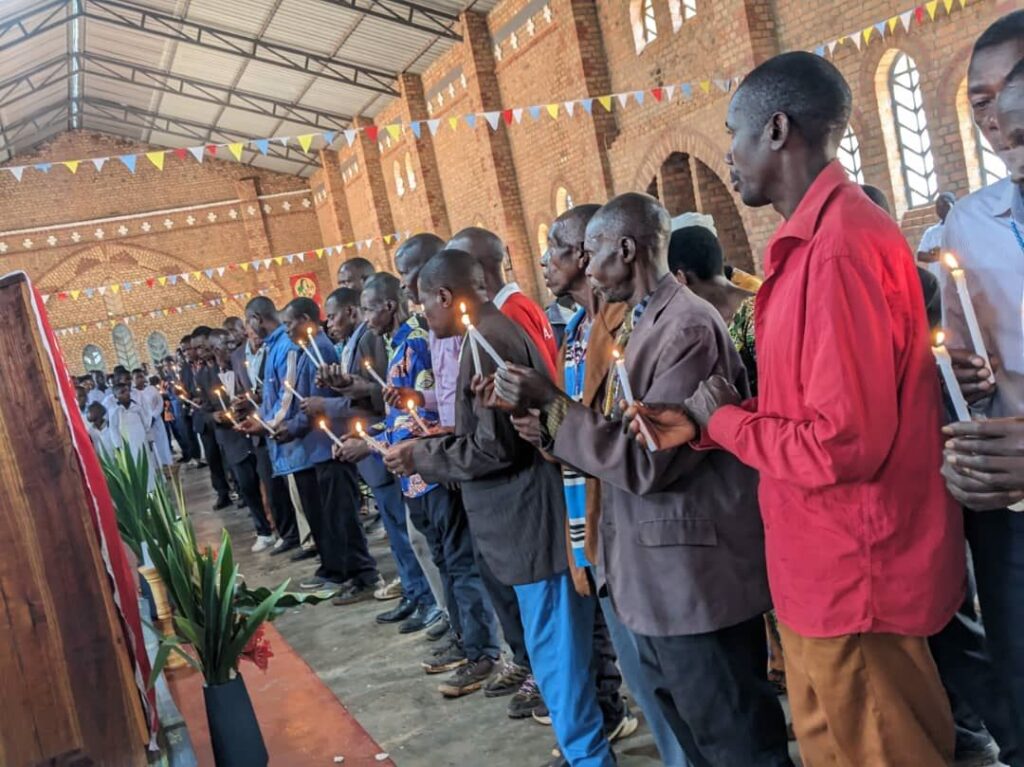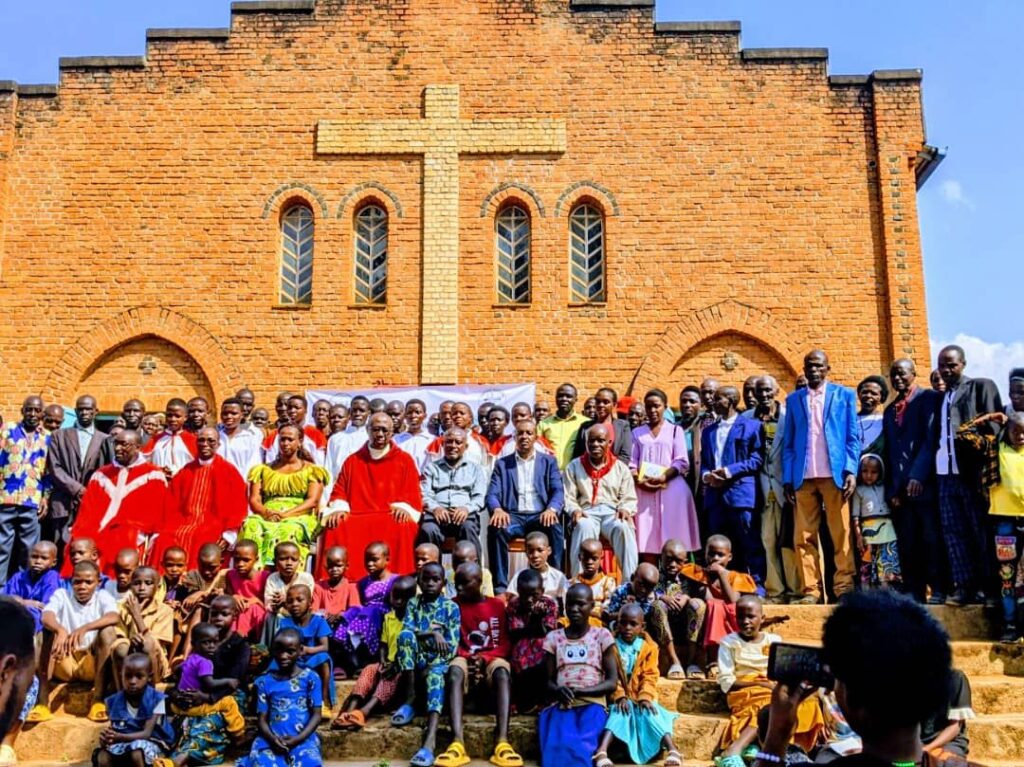
Since 2017, the Justice and Peace Commission of the Diocese of Butare has been conducting pastoral activities of justice and peace through four major interventions, including advocacy and promotion of human rights, nonviolence, conflict transformation, institutional capacity building and unity, reconciliation and resilience known as Isanamitima.
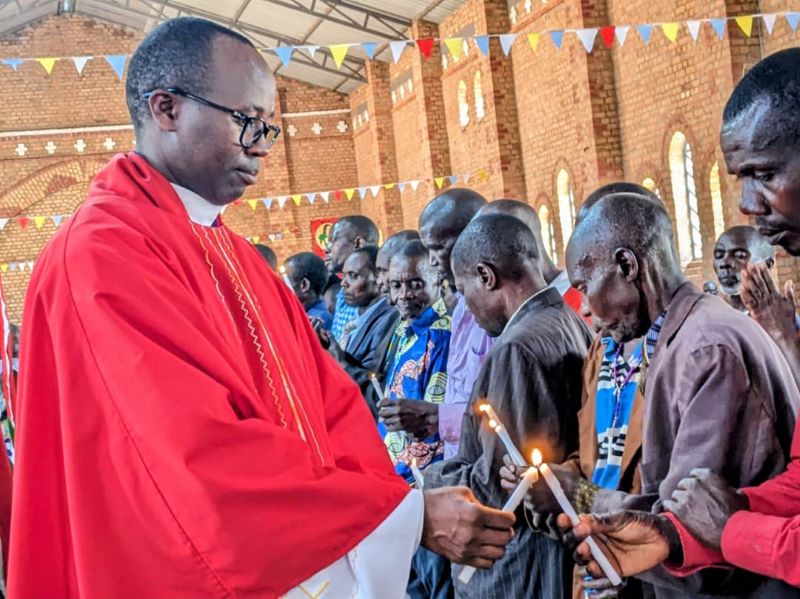
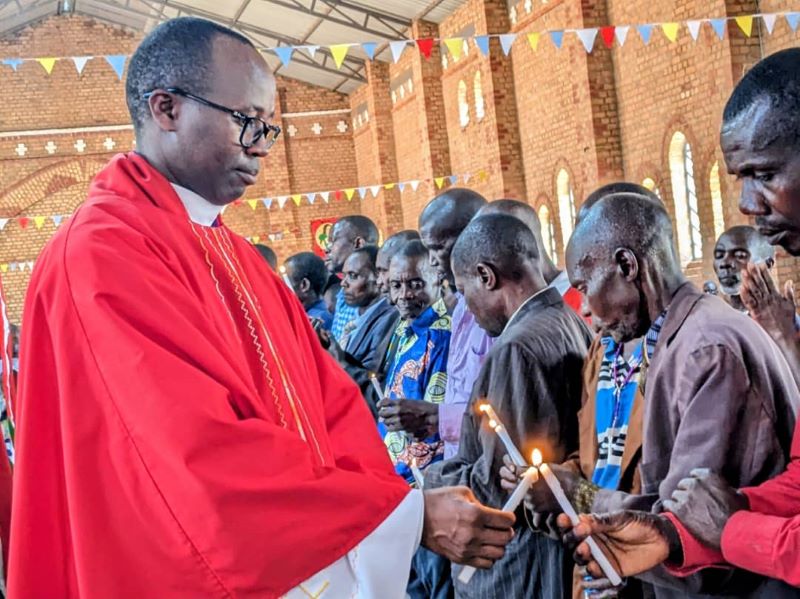
On September 14, 2025, in Gikore Catholic Parish of the Diocese of Butare, the first phase of this Isanamitima Journey came to official celebration. Participants were reminded that completing the teachings does not mean the journey has ended rather, it marks the beginning of a new path. Those who committed the 1994 Genocide against the Tutsi and sought forgiveness were urged to live up to the forgiveness they received by engaging in good deeds and living peacefully with those they wronged.
Monsignor Jean Marie Vianney Gahizi, who led the Eucharistic celebration during which forgiveness was sought and granted, emphasized that the healing journey is ongoing.
“Don’t think the journey is over just because the teachings are done. This is the start of a new journey. You must now work on your daily relationships and become messengers of reconciliation for those who haven’t yet taken the step to seek or offer forgiveness.” He advised.
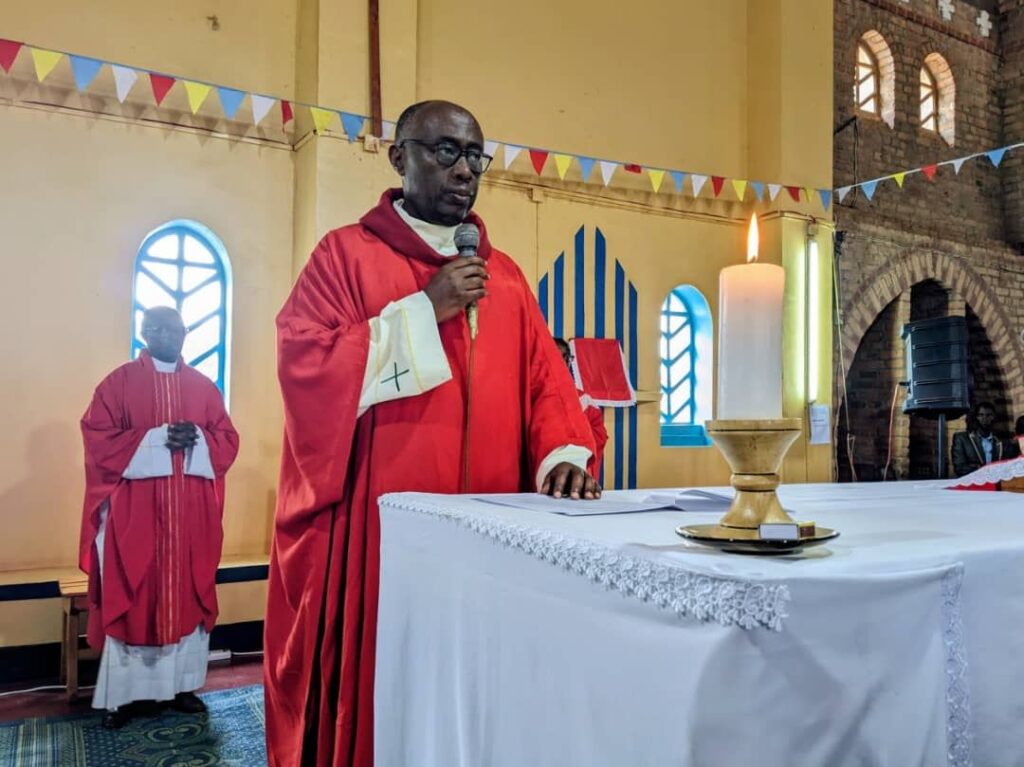
Father Edmond Habiyaremye, director of the Diocese of Butare’s Justice and Peace Commission, stated that accompanying individuals who want to ask for or offer forgiveness is a core responsibility of the commission.
“Everyone has a duty to help others live well. Let’s build a positive legacy and put aside the past evils so we can unite and build a nation free from division and hatred. Everyone should strive to be an ambassador of peace.” He emphasized.
Denise Dusabe, Vice Mayor of Gisagara District in charge of social affairs, expressed appreciation for the Catholic Church’s role in promoting unity and reconciliation among Rwandans.
“Let’s work together to keep Rwandans united.”
She encouraged those who completed the healing journey to promote love, unity, and development, and to keep supporting each other as Rwandans so that the country never again faces the tragedies of its past.” She spoke.
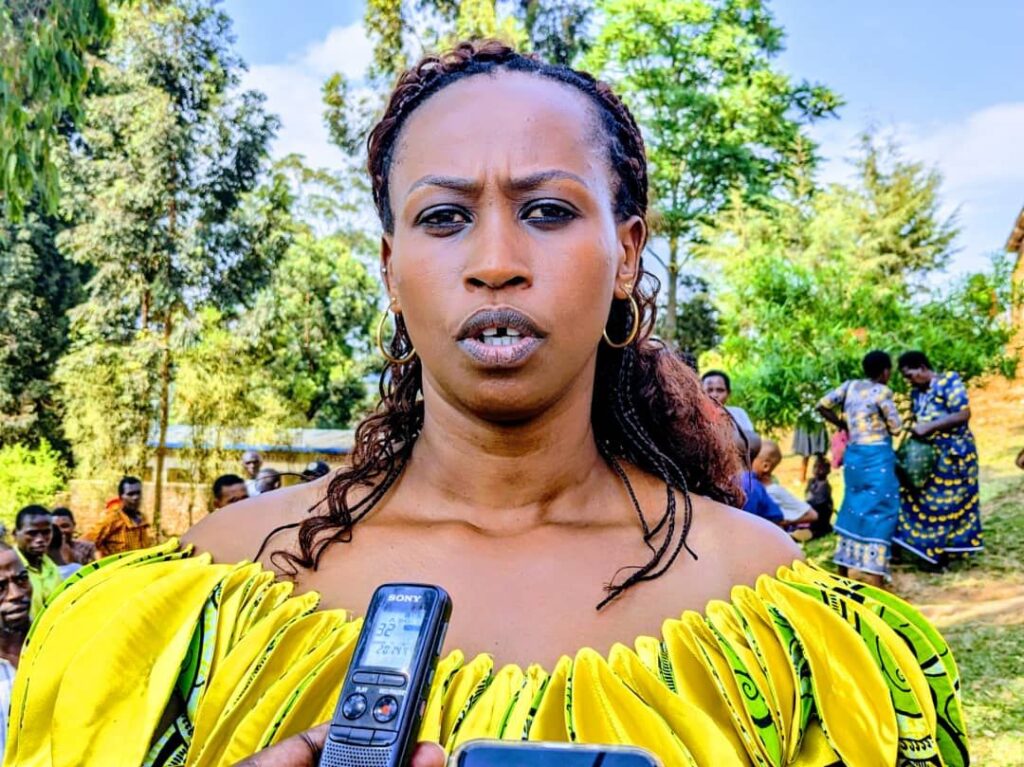
Both those who asked for forgiveness for their role in the Genocide against the Tutsi and those who lost loved ones during it shared that these teachings have brought them emotional relief and helped restore trust and fostering national unity.
Esperance Ayishakiye, who asked for forgiveness from Alphonse Baganineza, said that seeking forgiveness gave her peace of mind. She expressed gratitude to the Justice and Peace Commission for organizing the teachings.
“I truly feel at peace now. I used to feel ashamed and burdened knowing I played a role in the Genocide. Now, we’ve started reconnecting there’s no more fear between us.” She spoke.
Alphonse Baganineza, who forgave Ndayambaje Narcisse, shared that before participating in the program, he couldn’t imagine sitting or eating with the person who wronged him. However, after participating in the healing and reconciliation journey, he was able to forgive and even gifted the person he forgave a sheep to help them improve their livelihood.
“It used to be hard just to see the person who wronged me. I felt like they’d harm me again. But after going through the Justice and Peace Commission’s teachings, I forgave him and even gave him a sheep to support his future development.” He testified.
So far, over 4,822 people have participated in the healing and reconciliation journey across the districts where the Diocese of Butare operates: Huye, Gisagara, Nyanza, and Nyaruguru.
In Gisagara District, where Gikore Parish is located, 2,818 people have taken part in the teachings, including 1,507 men and 1,311 women. During this latest phase, 81 people completed the program in Gikore, including 53 who asked for forgiveness from families they had harmed during the 1994 Genocide against the Tutsi, and 28 who granted forgiveness.