


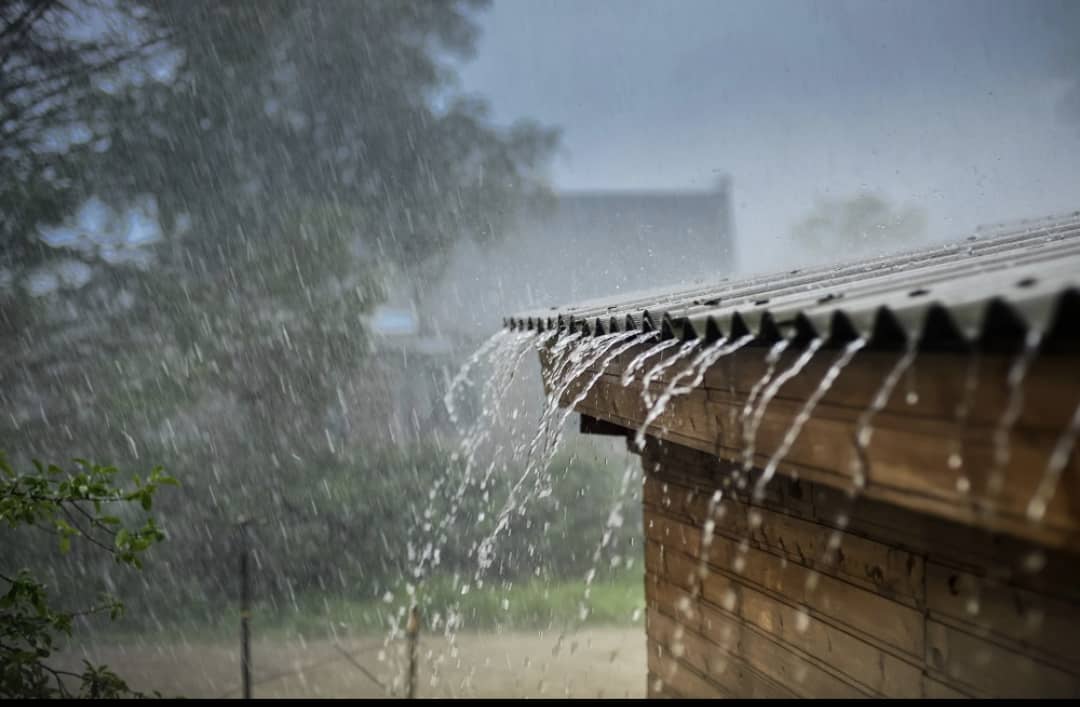
As Rwandans anticipated the summer harvest season, normally marked by a decline in cold weather, unexpected heavy rainfall between August 11 and 18, 2025, brought devastation across parts of the country. The downpour, unusually intense for this time of year, was accompanied by lightning and violent winds, leaving five people dead, several injured, and widespread damage to property and livestock.
According to the state minister in charge of Emergency Management (MINEMA), Aristarque Ngoga, four of the victims were struck by lightning while one person lost his life when his house collapsed. The fatalities were reported in Burera District (2 people), Gicumbi (1), Ngororero (1), and Rusizi (1).
Beyond the loss of life, the storms left 15 others with severe injuries. Eleven homes were destroyed, two bridges were washed away, and a factory was swept off by floods. Farmers also suffered losses, with three cows and two smaller animals killed.
Climate anomalies and seasonal transitions
Authorities noted that August is not typically a rainy month in Rwanda, describing the phenomenon as an alarming shift in weather patterns. Meteorologists explain that such changes are particularly noticeable during the transition from the dry season (Impeshyi) to the rainy season (Umuhindo). This transitional period is often marked by sudden weather extremes, including increased lightning strikes, flash floods, and landslides.
“Every year, as the rainy season sets in, we witness drastic changes in the weather. Heavy downpours bring more lightning, and strong winds appear without warning, often resulting in serious accidents,” Minister Ngoga explained.
Preventive and protective measures
In light of the tragedy, MINEMA has renewed its call for citizens to take stronger disaster-prevention measures. These include repairing old or weak houses, properly fastening rooftops, reinforcing building foundations, and keeping drainage systems clear to avoid blockages. Citizens are also urged to avoid dumping waste in waterways, to practice anti-erosion farming techniques, and to consider agricultural and livestock insurance to mitigate losses.
With lightning identified as a major hazard, the ministry advises people to remain indoors during heavy rains, avoid sheltering under trees, and refrain from using mobile phones or electrical devices during storms. Public institutions such as schools, markets, and churches are encouraged to install lightning conductors as a safeguard.
Looking ahead
Meteorological experts warn that the upcoming rainy season will likely continue with extreme weather events, including heavy rainfall, strong winds, lightning, floods, and landslides. Communities are therefore urged to remain vigilant and adopt safety measures to protect lives and property.
The recent tragedy, which struck at a time when citizens expected calm weather leading into harvest season, is a stark reminder of the increasing unpredictability of Rwanda’s climate and the urgent need for resilience against natural disasters.