


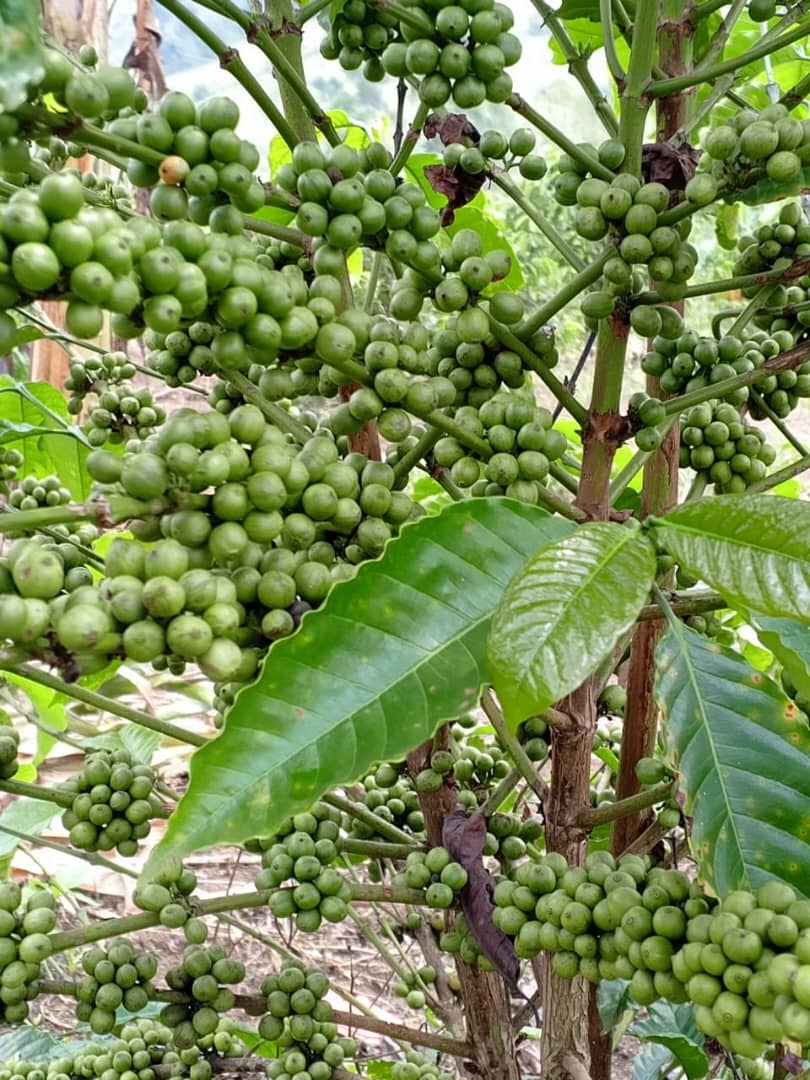
Angelique Umuhoza is one of Rwanda’s coffee farmers who developed a love for the crop at a young age. Her passion grew over time and led her to become a professional coffee farmer, ultimately making her one of the national coffee tasters responsible for grading before they are exported to international markets.
Angelique lives in Maraba sector in Huye District, where her parents are originally from. She says she grew up watching her parents cultivate coffee. As a young girl starting school, she realized that the money used to pay her school fees came from coffee production. This deepened her appreciation for the crop.
Even if she advanced to secondary school and university, her love for coffee never faded. It influenced her to study agriculture-related courses. After completing her studies, she secured a job at a coffee processing plant.
Her career began with the Abahuzamugambi Coffee Cooperative in Huye, the same cooperative her parents supplied with coffe. Gaining expertise in the field, she later acquired her own coffee fields and began farming independently. Today, she owns 180 coffee trees.
From these trees, Angelique harvests about 513 kilograms of coffee. With one kilogram selling for 1,000 Rwandan Francs, the income supports her household and enables her to pay school fees for her child. This financial benefit strengthens her love for coffee farming.
She even works with the Nyampinga Coffee Cooperative in Nyaruguru District, where she serves as a coffee quality controller. After receiving specialized training in coffee tasting, Angelique became a national coffee cupper, responsible for grading coffee to ensure it meets international export standards.
She encouraged other farmers to venture into coffee cultivation, emphasizing its profitability. She said:
“Some people think coffee farming is hard and yes, it is demanding, but if you care for your coffee trees, they will also take care of you. For example, if the price of coffee rose from 400 to 1,000 Rwandan Francs per kilo, you can see its value has greatly increased. I urge coffee farmers to maintain their trees properly, prune them in time, use organic and chemical fertilizers, and apply pesticides to control pests. All these practices increase coffee yields.”
Beyond its financial benefits, Angelique highlights coffee’s role in environmental conservation. Coffee trees help prevent soil erosion and protect land fertility, which results in better harvests. She believes people should recognize that coffee farming plays an important role in climate change mitigation, while also being a path to the economic development.
Angelique notes that more farmers are now aware of coffee’s value, they not only grow and process it, but also drink it themselves. She praises NAEB (National Agricultural Export Development Board) and the Rwandan government for raising the price of coffee, ensuring that the effort of farmers is better rewarded.
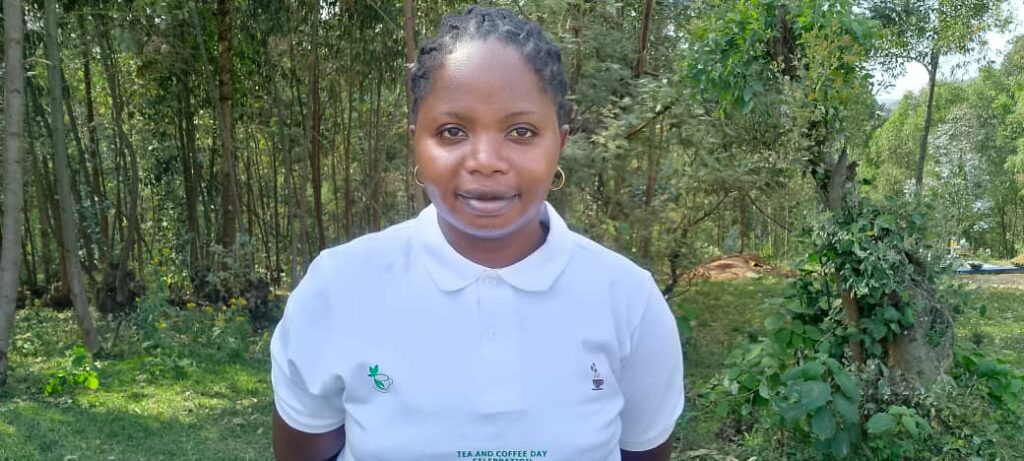
Angelique Umuhoza, a coffee farmer
Over the past 31 years, the government has heavily invested in developing coffee production, processing, and export. The annual quantity produces in Rwanda ranges from 20,000 to 24,000 tons. Coffee, in this case, is not just a crop. It is a tool for empowerment, a defense against climate change, and a vehicle for sustainable economic development.
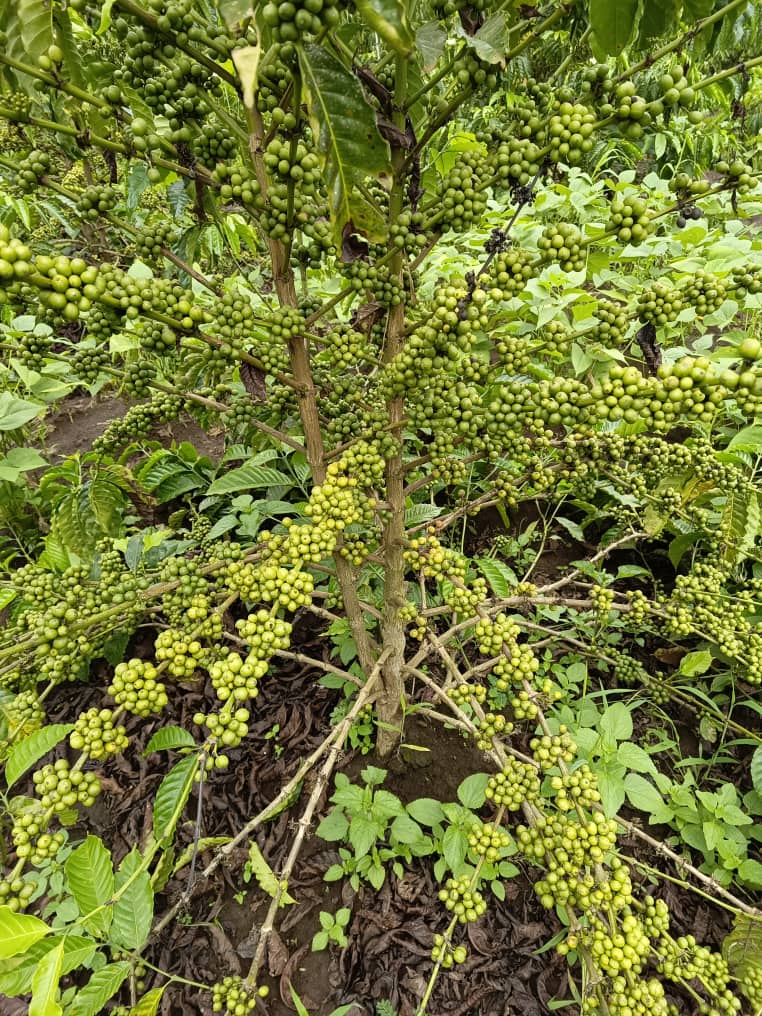
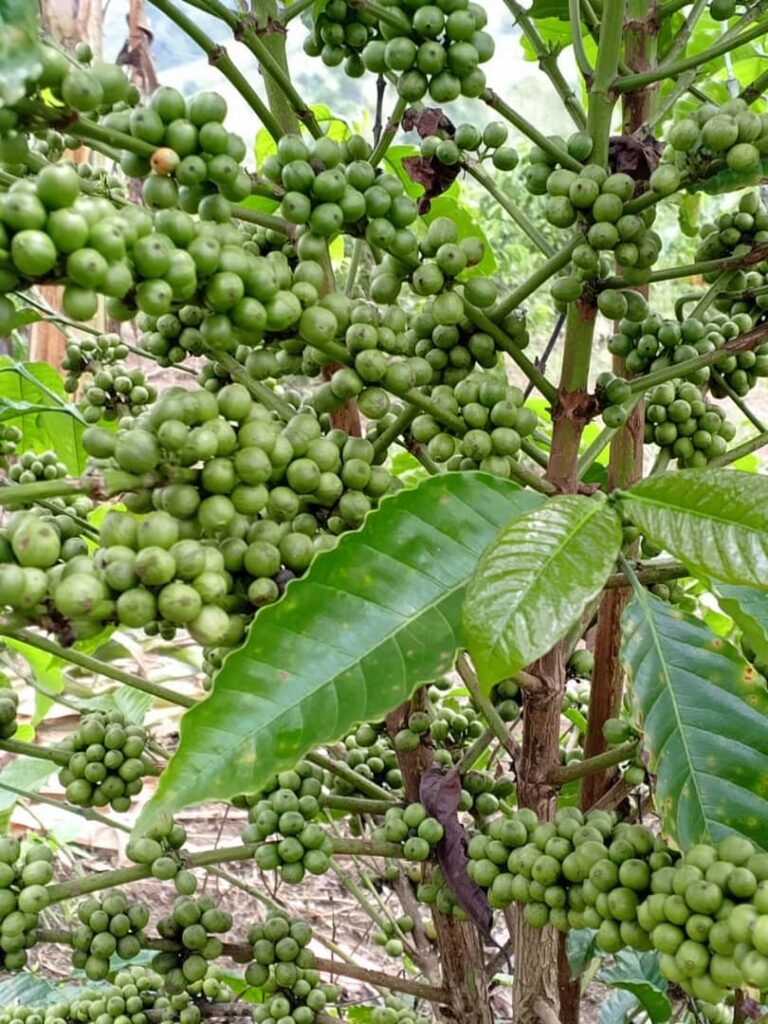
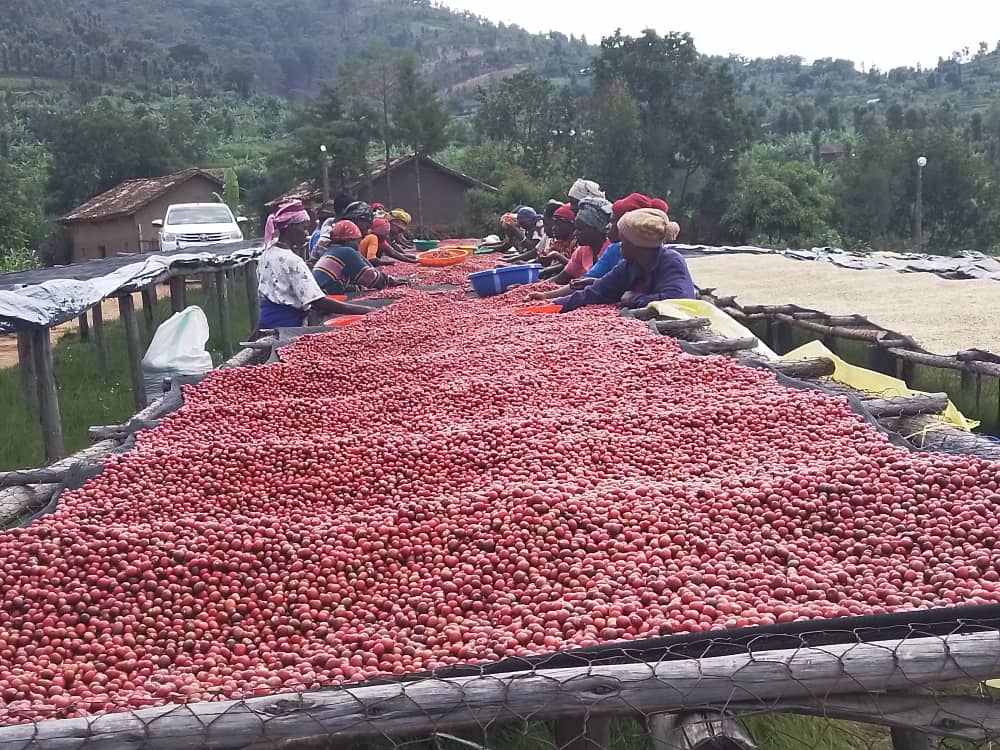
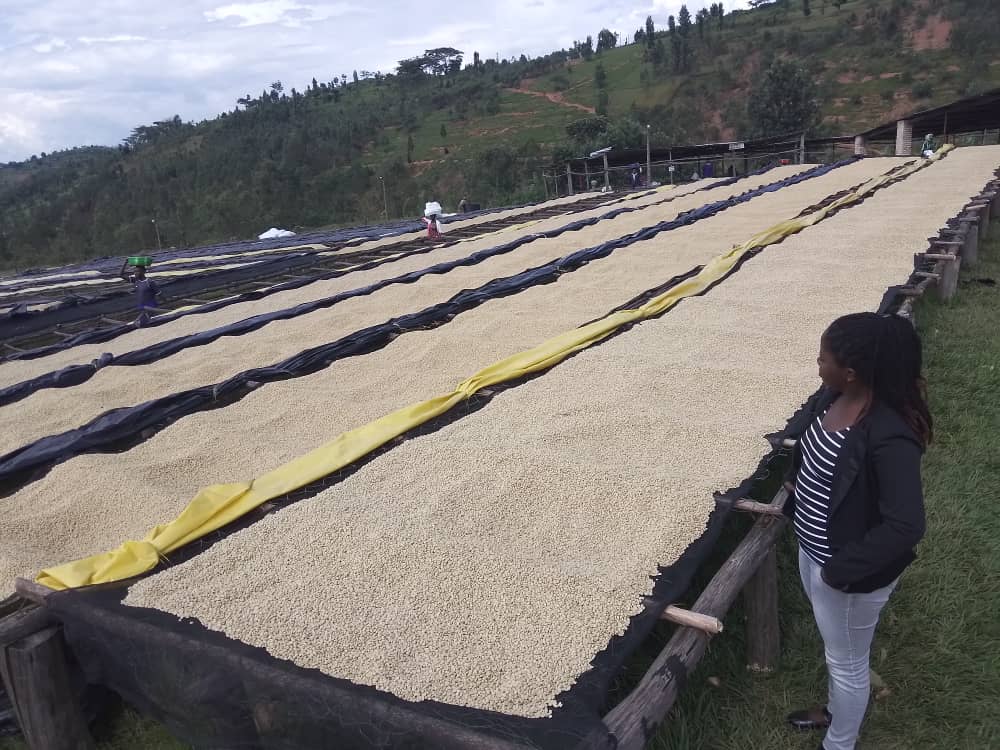
Dry coffee
Venuste Habineza